











Archive: People and Markets
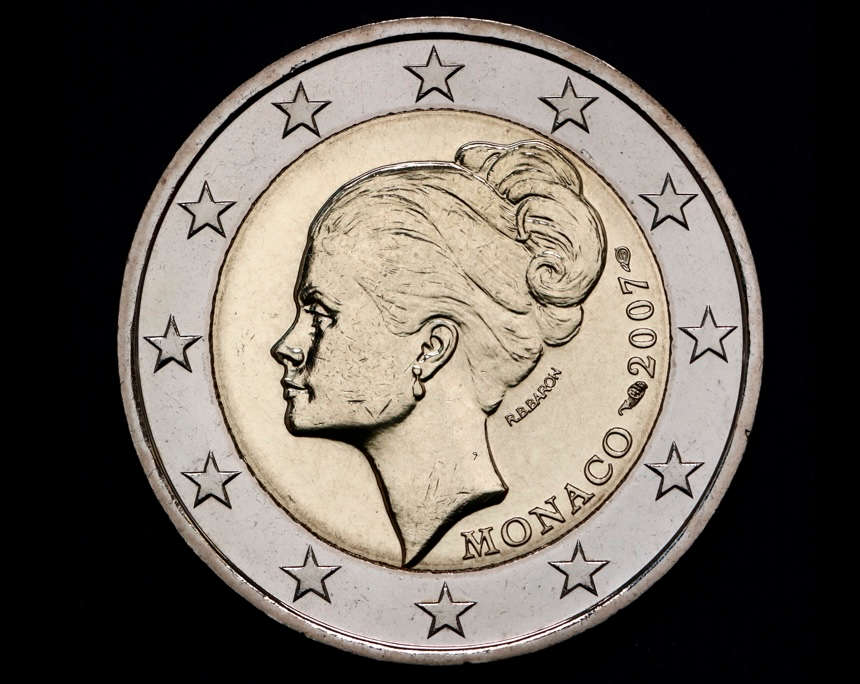
Price Decline for Monaco Euro Coins – Is the Hype Over?
For many years, Euro coins from Monaco were regarded as true treasures among collectors. The exclusive mintings from the small principality were highly sought after, with prices seemingly heading in only one direction: steeply upwards. But now that trend appears to have come to an end—why?
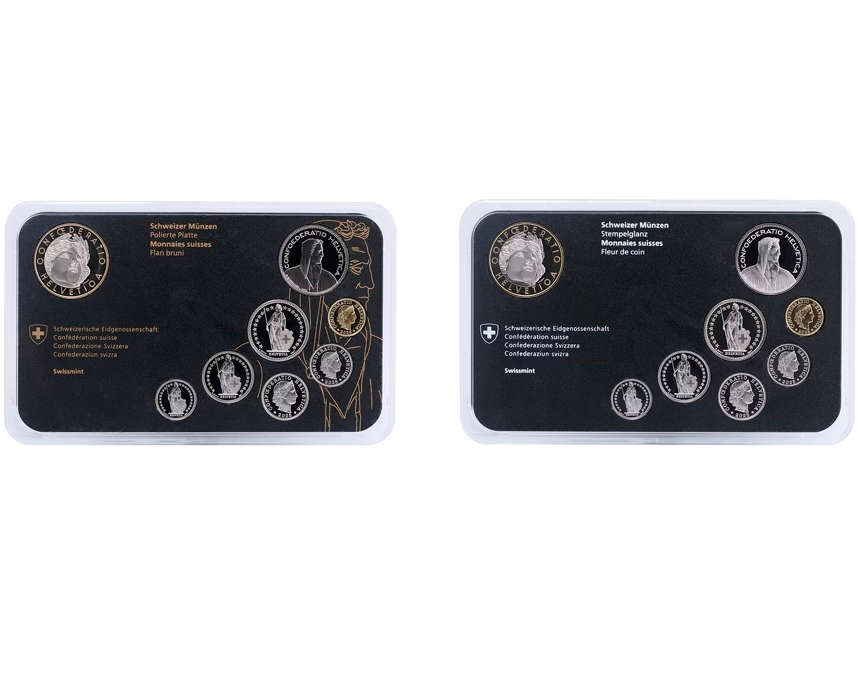
Swissmint Issue Programme 2025
Swissmint unveils its issue programme for 2025, featuring six commemorative coins across various denominations.
Archive: Coins, Medals and more
 https://new.coinsweekly.com/wp-content/uploads/2024/12/2024KW51HA_00.jpg
684
860
Lucie Loechel
https://new.coinsweekly.com/wp-content/uploads/2023/01/logo-coinsweekly_590x204.png
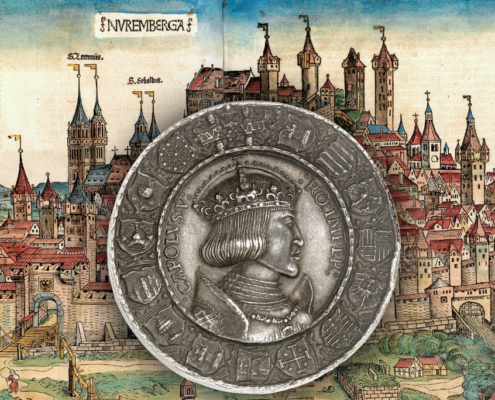
Lucie Loechel2024-12-19 10:10:262024-12-19 12:59:54A Medal Made by Dürer as the Official Gift of the City of Nuremberg for Charles V
https://new.coinsweekly.com/wp-content/uploads/2024/12/2024KW51HA_00.jpg
684
860
Lucie Loechel
https://new.coinsweekly.com/wp-content/uploads/2023/01/logo-coinsweekly_590x204.png
Lucie Loechel2024-12-19 10:10:262024-12-19 12:59:54A Medal Made by Dürer as the Official Gift of the City of Nuremberg for Charles V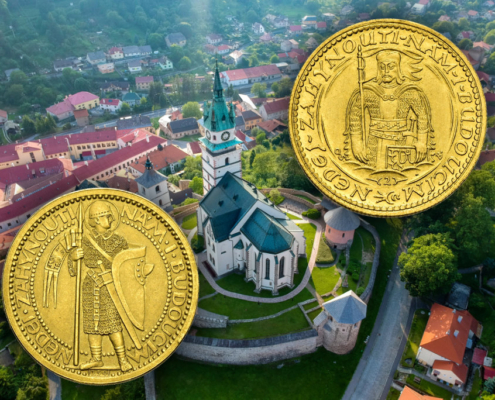 https://new.coinsweekly.com/wp-content/uploads/2024/05/2024KW19HA_00.jpg
684
860
Ursula Kampmann
https://new.coinsweekly.com/wp-content/uploads/2023/01/logo-coinsweekly_590x204.png
Ursula Kampmann2024-05-08 08:46:252024-05-08 08:46:25The First Years of Czechoslovak Coinage
https://new.coinsweekly.com/wp-content/uploads/2024/05/2024KW19HA_00.jpg
684
860
Ursula Kampmann
https://new.coinsweekly.com/wp-content/uploads/2023/01/logo-coinsweekly_590x204.png
Ursula Kampmann2024-05-08 08:46:252024-05-08 08:46:25The First Years of Czechoslovak Coinage
Maundy Money 2025: King Charles III Continues British Easter Tradition
King Charles III and Queen Camilla continued one of the oldest traditions of the British monarchy on Maundy Thursday 2025 in Durham Cathedral: the ceremonial distribution of the so-called Maundy Money.
CIT’s Historical Monuments – The Eiffel Tower
Just in time for the 2024 Olympic Games in Paris, CIT presents an artistic monument in the form of a coin dedicated to the city’s iconic landmark. Eiffel Tower is a numismatic miniature sculpture.