








Archive: People and Markets
Tradition Meets Craftsmanship: Coin Minting as a Highlight of the Garden Show
When the Garden Show in Freudenstadt and Baiersbronn opens its doors in May, visitors can look forward to a special experience: a historical minting station, where they can create their own commemorative medals by hand.
Ulrich Werz (1964-2023)
The numismatist Ulrich Werz died on June 14, 2023. He was known for his work on coin finds and his studies on Roman countermarks. Claire Franklin remembers him.
Archive: Coins, Medals and more
 https://new.coinsweekly.com/wp-content/uploads/2024/07/2024KW28HA_00.jpg
684
860
Ursula Kampmann
https://new.coinsweekly.com/wp-content/uploads/2023/01/logo-coinsweekly_590x204.png
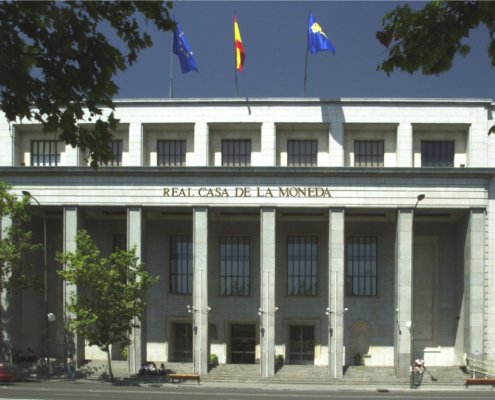
Ursula Kampmann2024-07-11 11:04:462024-07-11 11:19:29The Casa de la Moneda Museum in Madrid
https://new.coinsweekly.com/wp-content/uploads/2024/07/2024KW28HA_00.jpg
684
860
Ursula Kampmann
https://new.coinsweekly.com/wp-content/uploads/2023/01/logo-coinsweekly_590x204.png
Ursula Kampmann2024-07-11 11:04:462024-07-11 11:19:29The Casa de la Moneda Museum in Madrid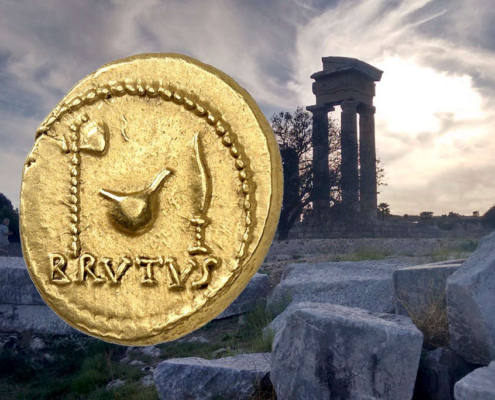 https://new.coinsweekly.com/wp-content/uploads/2024/10/2024KW40HA2_00.jpg
684
860
Bruno
https://new.coinsweekly.com/wp-content/uploads/2023/01/logo-coinsweekly_590x204.png
Bruno2024-10-02 13:24:392024-10-15 09:16:49Gold from Rhodes for the Battle for Rome
https://new.coinsweekly.com/wp-content/uploads/2024/10/2024KW40HA2_00.jpg
684
860
Bruno
https://new.coinsweekly.com/wp-content/uploads/2023/01/logo-coinsweekly_590x204.png
Bruno2024-10-02 13:24:392024-10-15 09:16:49Gold from Rhodes for the Battle for Rome
A Coveted 2-Euro Coin: Monaco Introduces Penalty Fee for Multiple Orders
The Principality’s commemorative coins are among the most expensive and sought-after collectibles in the eurozone – but they have also attracted speculators for years. The sales office is now taking drastic measures.
Monnaie de Paris Faces Criticism from Enthusiastic Collectors
As athletes around the world prepare to deliver top performances at the Olympic Games, the Monnaie de Paris – France’s prestigious mint – has disqualified itself in the eyes of many collectors for unsporting behaviour. What happened?