











Archive: People and Markets
Highly Rare in Circulation: 2-Euro Commemorative Coins from San Marino
San Marino’s circulation coins are rare – even in the small Republic itself. And San Marino also issued just a few 2-euro commemorative coins. A real challenge for collectors. Fortunately, numiscontrol has some tips.
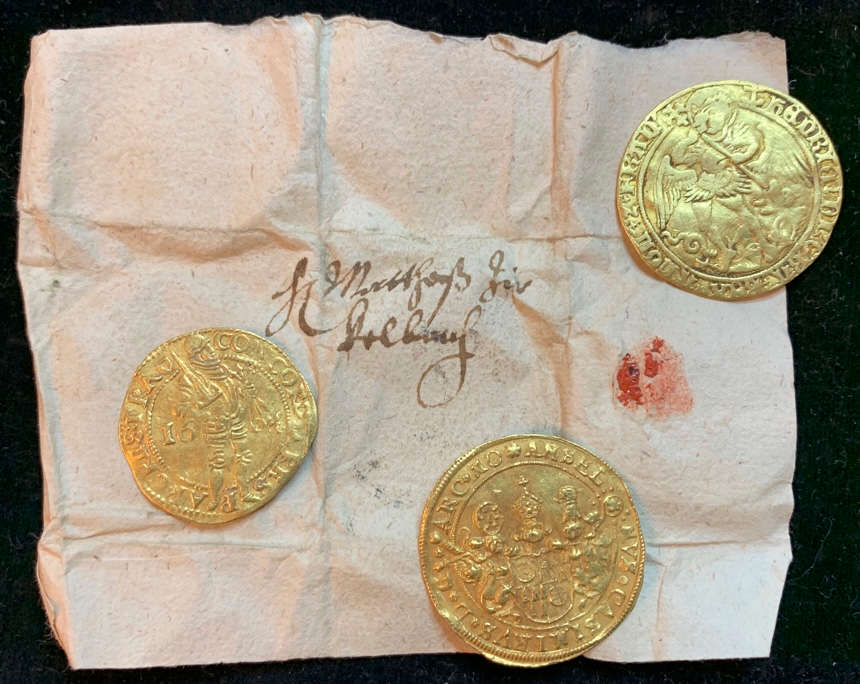
Eisleben, Germany: Church Treasure Recovered After Almost 400 Years
What a find: last year, a hoard of 864 coins was discovered in a sandstone figure in a church in Eisleben, Germany. The coins were hidden there during the Thirty Years’ War and provide a rare insight into the currency in circulation at that time. A coin expert from the region tells us more about it.
Archive: Coins, Medals and more
 https://new.coinsweekly.com/wp-content/uploads/2023/09/2023KW38HA_00.jpg
684
860
Ursula Kampmann
https://new.coinsweekly.com/wp-content/uploads/2023/01/logo-coinsweekly_590x204.png
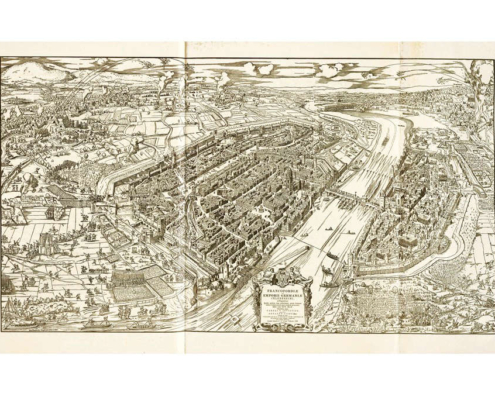
Ursula Kampmann2023-09-21 08:00:202023-09-21 14:13:23Two Cityscapes on Coins From Frankfurt am Main and The Artwork That Inspired Them
https://new.coinsweekly.com/wp-content/uploads/2023/09/2023KW38HA_00.jpg
684
860
Ursula Kampmann
https://new.coinsweekly.com/wp-content/uploads/2023/01/logo-coinsweekly_590x204.png
Ursula Kampmann2023-09-21 08:00:202023-09-21 14:13:23Two Cityscapes on Coins From Frankfurt am Main and The Artwork That Inspired Them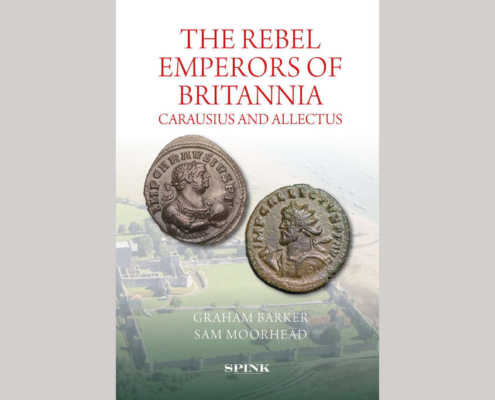 https://new.coinsweekly.com/wp-content/uploads/2023/09/2023KW39HA_00b.jpg
684
860
Ursula Kampmann
https://new.coinsweekly.com/wp-content/uploads/2023/01/logo-coinsweekly_590x204.png
Ursula Kampmann2023-09-28 08:28:482023-09-28 12:21:21Rebel Emperors of Britannia: Carausius and Allectus
https://new.coinsweekly.com/wp-content/uploads/2023/09/2023KW39HA_00b.jpg
684
860
Ursula Kampmann
https://new.coinsweekly.com/wp-content/uploads/2023/01/logo-coinsweekly_590x204.png
Ursula Kampmann2023-09-28 08:28:482023-09-28 12:21:21Rebel Emperors of Britannia: Carausius and Allectus
Famous Dacian Helmet Stolen – Thieves Blasted Their Way Into the Museum
On the night of 24 to 25 January, a museum in Assen, Netherlands, was targeted by thieves. They stole four important Dacian gold objects from a temporary exhibition – including the famous Coțofenești helmet. Do we have to worry about it being melted down as well?
CIT: The Last Issue in the Real Heroes Series – Astronaut
With the last issue of the Real Heroes series, CIT pays tribute to the courage of astronauts. The focus is on an iconic scene that was implemented with technical perfection as a reflection in the visor of a spacesuit.