







Archive: People and Markets
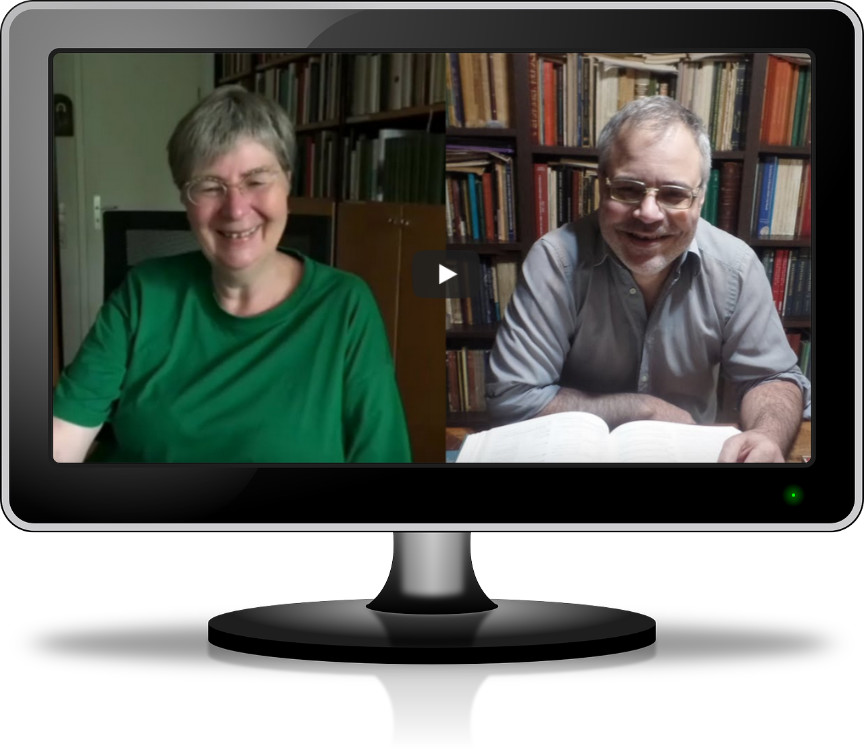
The Fight for Collector’s Rights: An Interview With Ursula Kampmann
For his passionately run “Numischannel” on YouTube, Argentine numismatist Damian Salgado conducted an interview with Ursula Kampmann. Among other things, they talked about private collecting, the rights of collectors and the fight against unfair legislation worldwide. Take a look!
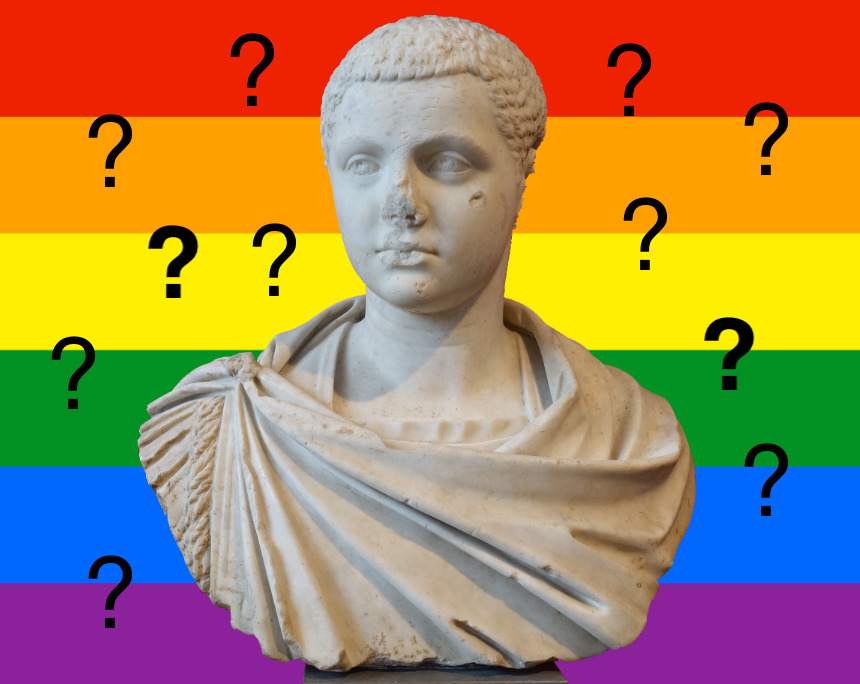
Elagabalus’ New Transgender Identity and Its Consequences on the Coin Trade
The North Hertfordshire Museum has pulled off an ingenious PR coup: the institution publicly announced that they will no longer refer to Elagabalus as “he” but as “she”. Ursula Kampmann explores how this might affect the coin trade.
Archive: Coins, Medals and more
 https://new.coinsweekly.com/wp-content/uploads/2024/10/2024KW41HA1_00.jpg
684
860
Lucie Loechel
https://new.coinsweekly.com/wp-content/uploads/2023/01/logo-coinsweekly_590x204.png
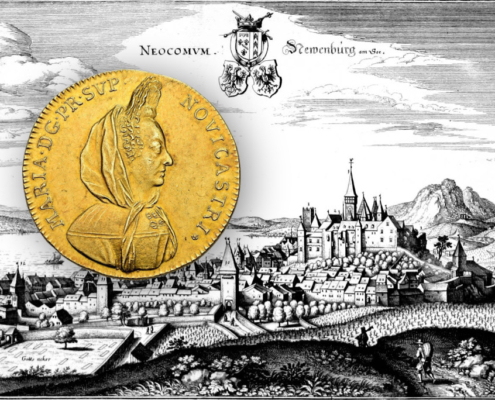
Lucie Loechel2024-10-10 13:41:242024-10-10 13:46:34Why Neuchâtel Is Not Part of France Today
https://new.coinsweekly.com/wp-content/uploads/2024/10/2024KW41HA1_00.jpg
684
860
Lucie Loechel
https://new.coinsweekly.com/wp-content/uploads/2023/01/logo-coinsweekly_590x204.png
Lucie Loechel2024-10-10 13:41:242024-10-10 13:46:34Why Neuchâtel Is Not Part of France Today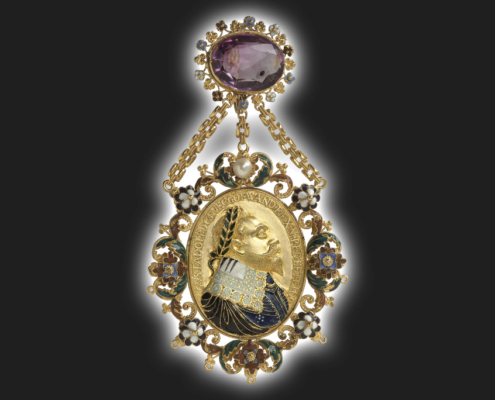 https://new.coinsweekly.com/wp-content/uploads/2025/01/2025KW04HA01_00.jpg
684
860
Lucie Loechel
https://new.coinsweekly.com/wp-content/uploads/2023/01/logo-coinsweekly_590x204.png
Lucie Loechel2025-01-23 10:04:312025-01-23 14:24:11The Gnadenpfennig – An Object Between Decoration, Medal, and Coin
https://new.coinsweekly.com/wp-content/uploads/2025/01/2025KW04HA01_00.jpg
684
860
Lucie Loechel
https://new.coinsweekly.com/wp-content/uploads/2023/01/logo-coinsweekly_590x204.png
Lucie Loechel2025-01-23 10:04:312025-01-23 14:24:11The Gnadenpfennig – An Object Between Decoration, Medal, and Coin
Correction: We made a mistake!
The news we published yesterday about the Coin of the Year Award was erroneous.
Fakes, Counterfeits, Imitations – CoinsWeekly NYINC Special Issue
It is every coin collector’s greatest fear: the precious centerpiece of a collection turns out to be a fake. But what can you do if suspicions arise? Our new CoinsWeekly Special Issue draws attention to different aspects of fakes, counterfeits and imitations.