







Archive: People and Markets
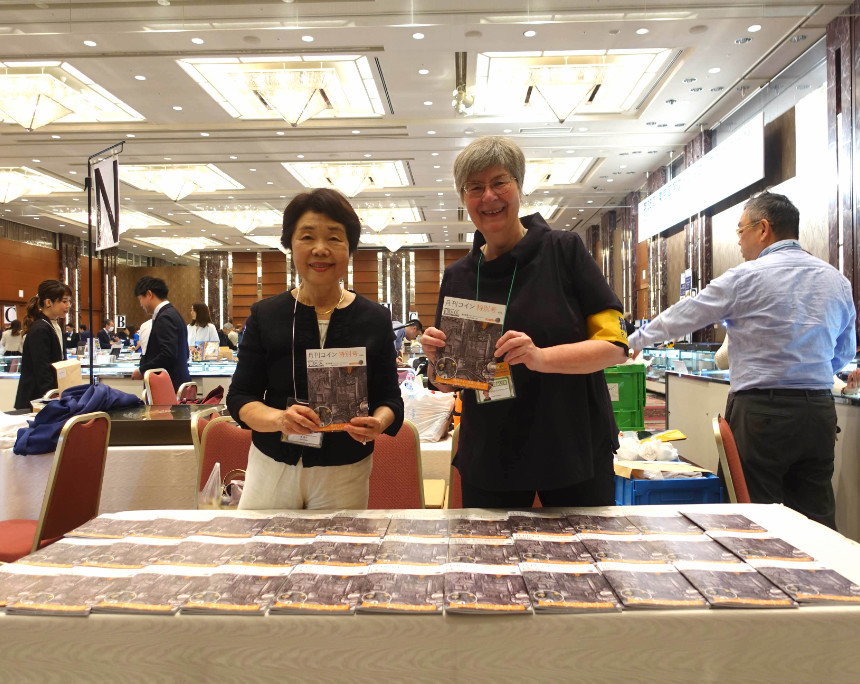
What Makes the TICC in Tokyo Different From Other Coin Shows
The TICC is the most important coin show held in Japan – a MUST for Japanese collectors. Those who travel there will find an active, young market. And much of what we are used to in Europe does not apply there.
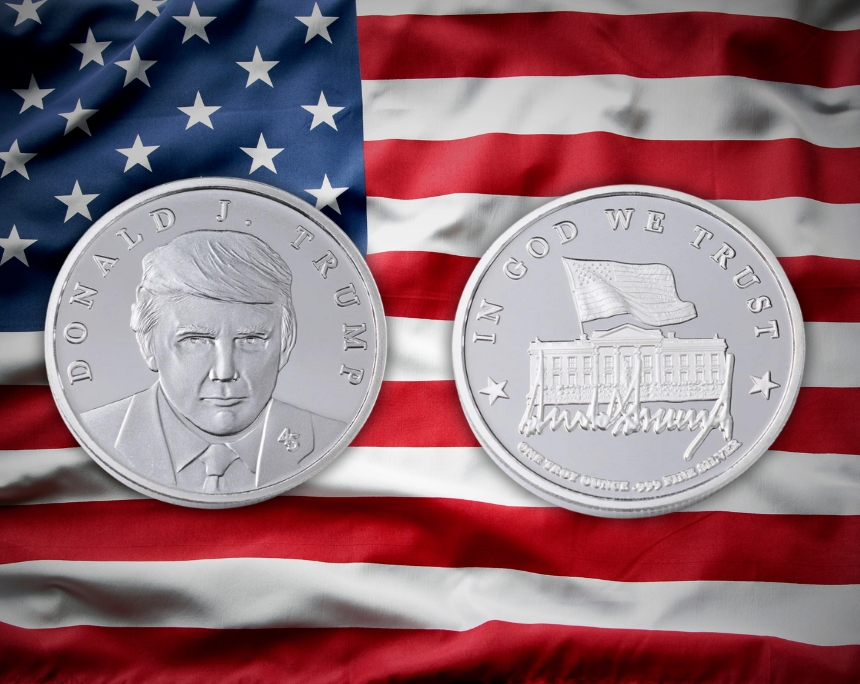
Donald Trump: Now Also a Coin Dealer and Designer
Supporters of the Republican US presidential candidate Donald Trump can now show their backing numismatically: following sneakers and trading cards, Trump has now launched a commemorative medal under the “Trump Coins” brand.
Archive: Coins, Medals and more
 https://new.coinsweekly.com/wp-content/uploads/2024/10/2024KW43HA_00.jpg
684
860
Lucie Loechel
https://new.coinsweekly.com/wp-content/uploads/2023/01/logo-coinsweekly_590x204.png
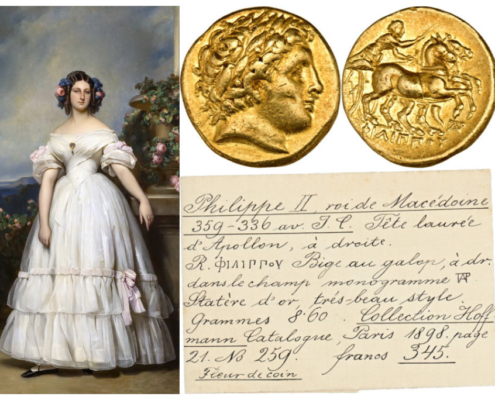
Lucie Loechel2024-10-24 10:15:002024-10-24 13:59:31Clémentine d’Orléans: Extraordinary Woman and Coin Collector
https://new.coinsweekly.com/wp-content/uploads/2024/10/2024KW43HA_00.jpg
684
860
Lucie Loechel
https://new.coinsweekly.com/wp-content/uploads/2023/01/logo-coinsweekly_590x204.png
Lucie Loechel2024-10-24 10:15:002024-10-24 13:59:31Clémentine d’Orléans: Extraordinary Woman and Coin Collector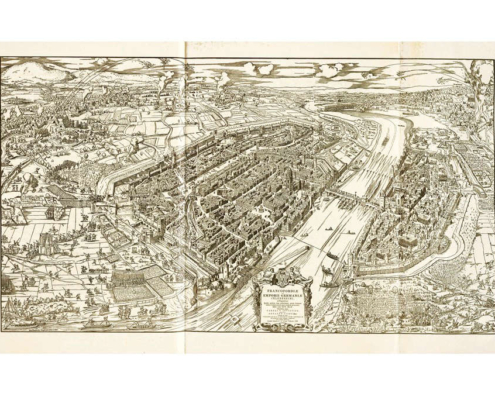 https://new.coinsweekly.com/wp-content/uploads/2023/09/2023KW38HA_00.jpg
684
860
Ursula Kampmann
https://new.coinsweekly.com/wp-content/uploads/2023/01/logo-coinsweekly_590x204.png
Ursula Kampmann2023-09-21 08:00:202023-09-21 14:13:23Two Cityscapes on Coins From Frankfurt am Main and The Artwork That Inspired Them
https://new.coinsweekly.com/wp-content/uploads/2023/09/2023KW38HA_00.jpg
684
860
Ursula Kampmann
https://new.coinsweekly.com/wp-content/uploads/2023/01/logo-coinsweekly_590x204.png
Ursula Kampmann2023-09-21 08:00:202023-09-21 14:13:23Two Cityscapes on Coins From Frankfurt am Main and The Artwork That Inspired Them
Geoffrey’s Cope’s Exceptional Collection Comes to Auction
Numismatica Ars Classica, Classical Numismatic Group and Numismatica Genevensis have joined forces to present the exceptional collection of Geoffrey Cope. It will come under the hammer in May and October 2024.
Coiniverse Launches AI Assistant for Coin Collectors
The coin collecting app Coiniverse announced the launch of Coin AI, a cutting-edge generative AI assistant designed to enrich the coin collecting experience. Find out what it can do.