











Archive: People and Markets

PMG Grading On-site in Munich and at MIF Maastricht
In September 2023, Collectors and dealers can submit banknotes at the PMG Munich office or at PMG’s booth at the MIF show for on-site grading.
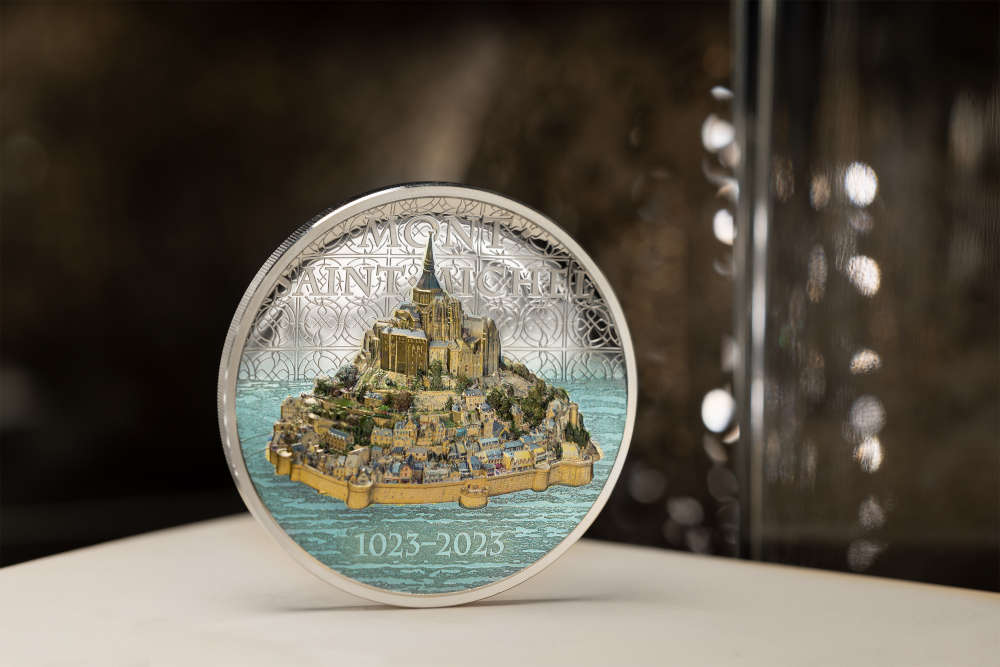
CIT’s Mont-Saint-Michel
CIT has converted the UNESCO World Heritage Site “Mont-Saint-Michel” into numismatic masterpieces: Four coins in three metals pay tribute to the impressive island with a three-dimensional relief on a deeply concave background.
Archive: Coins, Medals and more
 https://new.coinsweekly.com/wp-content/uploads/2024/09/2024KW38HA_00.jpg
684
860
Ursula Kampmann
https://new.coinsweekly.com/wp-content/uploads/2023/01/logo-coinsweekly_590x204.png
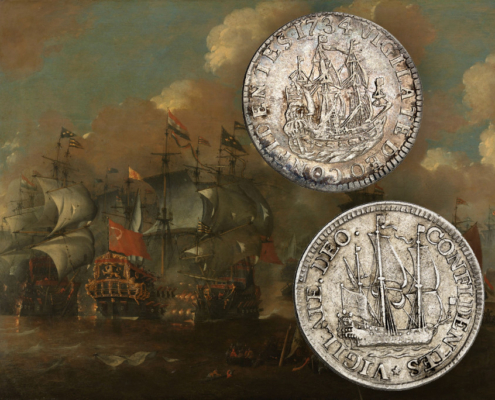
Ursula Kampmann2024-09-19 10:16:302024-09-19 11:07:49Bloody Flag and Scheepjesschelling
https://new.coinsweekly.com/wp-content/uploads/2024/09/2024KW38HA_00.jpg
684
860
Ursula Kampmann
https://new.coinsweekly.com/wp-content/uploads/2023/01/logo-coinsweekly_590x204.png
Ursula Kampmann2024-09-19 10:16:302024-09-19 11:07:49Bloody Flag and Scheepjesschelling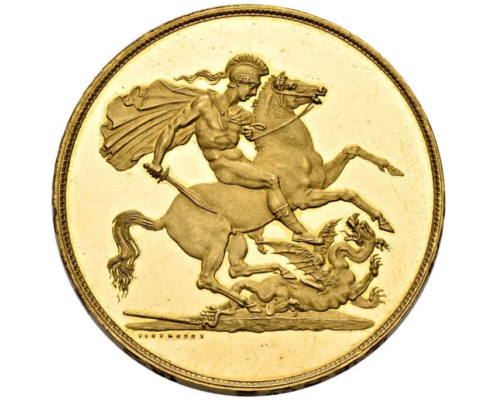 https://new.coinsweekly.com/wp-content/uploads/2023/05/00HASinconaProbe1820.jpg
684
860
Ursula Kampmann
https://new.coinsweekly.com/wp-content/uploads/2023/01/logo-coinsweekly_590x204.png
Ursula Kampmann2023-05-11 09:04:372023-05-12 13:41:02As the King Lay Dying… – The Most Spectacular British Gold Coin of the Modern Era
https://new.coinsweekly.com/wp-content/uploads/2023/05/00HASinconaProbe1820.jpg
684
860
Ursula Kampmann
https://new.coinsweekly.com/wp-content/uploads/2023/01/logo-coinsweekly_590x204.png
Ursula Kampmann2023-05-11 09:04:372023-05-12 13:41:02As the King Lay Dying… – The Most Spectacular British Gold Coin of the Modern Era
The Great Kentucky Hoard of Pre-1865 US Gold Coinage
A cache of rare Civil War-era coins unearthed in Kentucky includes the finest-known 1863 Double Eagles as well as several interesting varieties and errors.
New Director of the Winterthur Coin Cabinet Appointed
Gunnar Dumke will be the new director of Winterthur Coin Cabinet. The ancient historian and archaeologist will succeed Benedikt Zäch, who is retiring after thirty years at this position.