







Archive: People and Markets
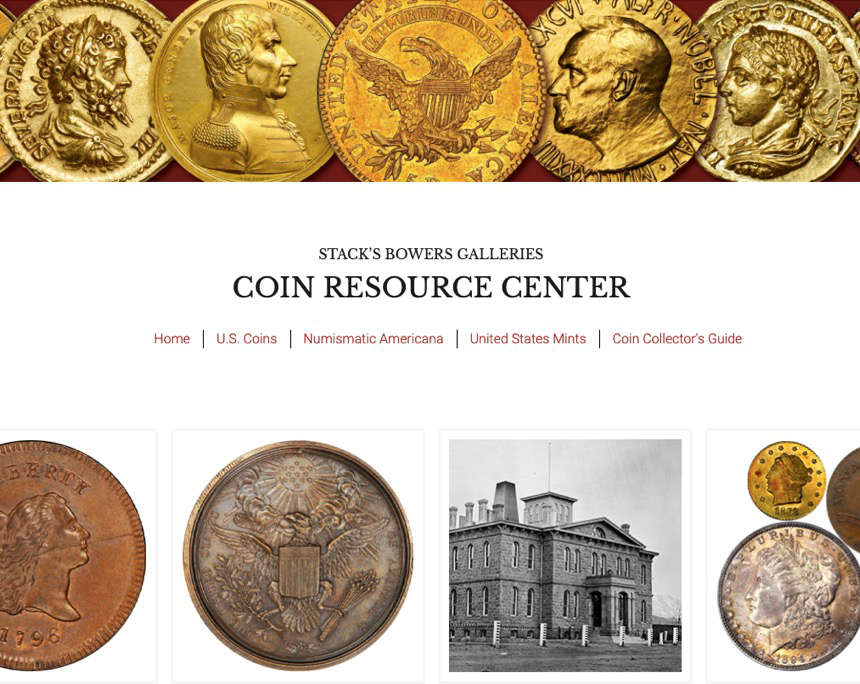
Stack’s Bowers Galleries Launches Coin Resource Center
Stack’s Bowers Galleries announced the launch of their Coin Resource Center. The new website is a detailed reference guide for all U.S. coins with historical backgrounds of each U.S. Mint and insightful Collector Guides.

Museums, the Coin Market, and the Public – Insights Into a Fruitful Cooperation
On the occasion of the Evento Numismático in Madrid, CoinsWeekly will host an international conference session on the cooperation of all stakeholders in numismatics. We feel honoured that the organisers asked us to contribute to this event.
Archive: Coins, Medals and more
 https://new.coinsweekly.com/wp-content/uploads/2025/06/00-5.jpg
684
860
Lucie Loechel
https://new.coinsweekly.com/wp-content/uploads/2023/01/logo-coinsweekly_590x204.png
Lucie Loechel2025-06-05 08:00:262025-06-05 08:29:19Farewell to the Penny: (No) Impact on Numismatics?
https://new.coinsweekly.com/wp-content/uploads/2025/06/00-5.jpg
684
860
Lucie Loechel
https://new.coinsweekly.com/wp-content/uploads/2023/01/logo-coinsweekly_590x204.png
Lucie Loechel2025-06-05 08:00:262025-06-05 08:29:19Farewell to the Penny: (No) Impact on Numismatics?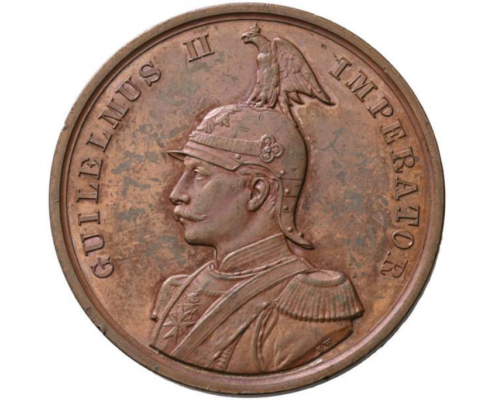 https://new.coinsweekly.com/wp-content/uploads/2025/05/2025KW19HA02_00.jpg
684
860
Lucie Loechel
https://new.coinsweekly.com/wp-content/uploads/2023/01/logo-coinsweekly_590x204.png
Lucie Loechel2025-05-08 08:00:522025-05-13 09:38:02Pattern of the First-Class Warrior Medal – A Previously Unknown Relic of German Colonial History
https://new.coinsweekly.com/wp-content/uploads/2025/05/2025KW19HA02_00.jpg
684
860
Lucie Loechel
https://new.coinsweekly.com/wp-content/uploads/2023/01/logo-coinsweekly_590x204.png
Lucie Loechel2025-05-08 08:00:522025-05-13 09:38:02Pattern of the First-Class Warrior Medal – A Previously Unknown Relic of German Colonial History
CoinsWeekly’s Numismatic Directory
CoinsWeekly is launching a new feature: CoinsWeekly’s Numismatic Directory presents all the places in the world that are of interest to coin enthusiasts. Use our Numismatic Directory and help us to turn it into a digital atlas of our numismatic world!
Tokyo Sets New Record for Lost Cash Handed In
If you loose your cash let’s hope it happens in Tokyo. Then chances are good you get it back. Maybe in no other city in the world people hand in so much lost cash to police. There are good reasons why they do it.