






Archive: People and Markets
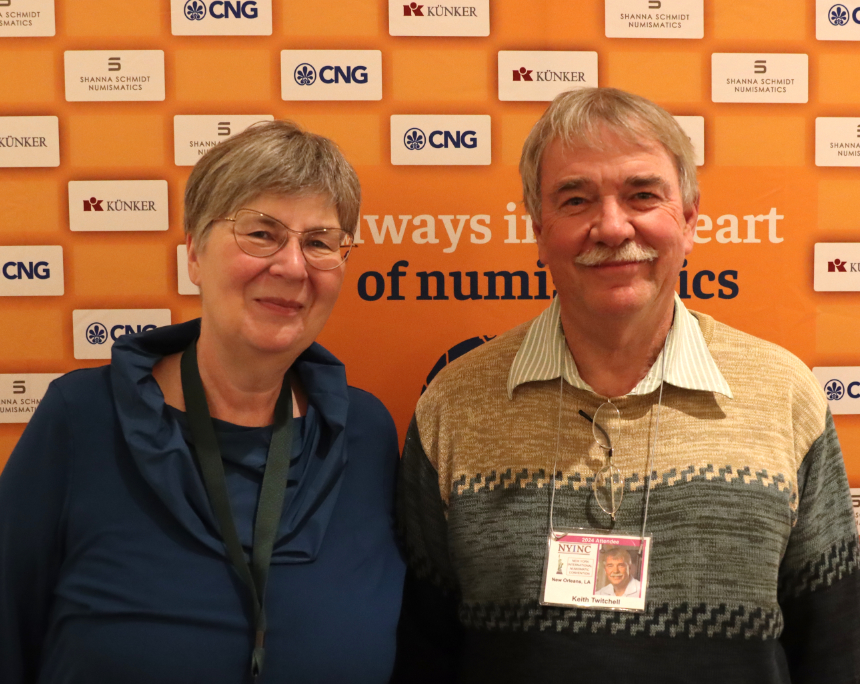
ACCG Introduces Their New Executive Director
Since January 1, 2024 the Ancient Coin Collectors Guild has had a new Executive Director: Keith Twitchell. Twitchell replaces Peter Tompa, who will remain active on the ACCG Board of Directors
Foreign Coin Production Ends at the Royal Mint – The End of an Era or Another Step Closer to a Cashless Economy?
The Royal Mint has announced that it will no longer produce coins for other countries, ending a business model that it has operated for 700 years. Michael Alexander puts this development into perspective.
Archive: Coins, Medals and more
 https://new.coinsweekly.com/wp-content/uploads/2023/12/2023KW50HA_00B.jpg
684
860
Ursula Kampmann
https://new.coinsweekly.com/wp-content/uploads/2023/01/logo-coinsweekly_590x204.png
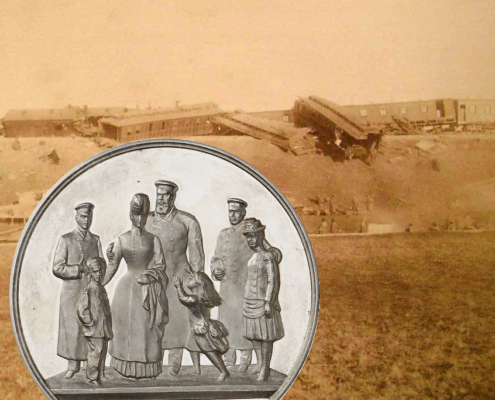
Ursula Kampmann2023-12-14 10:41:562023-12-14 10:41:56The Borki Train Disaster
https://new.coinsweekly.com/wp-content/uploads/2023/12/2023KW50HA_00B.jpg
684
860
Ursula Kampmann
https://new.coinsweekly.com/wp-content/uploads/2023/01/logo-coinsweekly_590x204.png
Ursula Kampmann2023-12-14 10:41:562023-12-14 10:41:56The Borki Train Disaster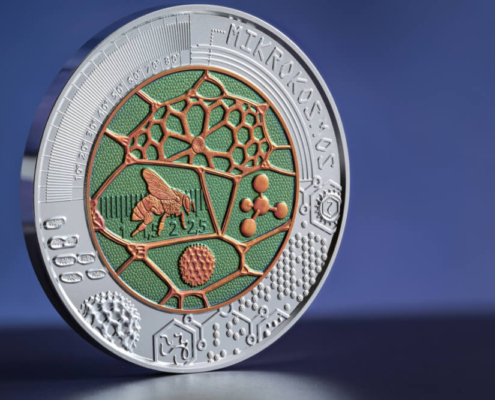 https://new.coinsweekly.com/wp-content/uploads/2023/06/00_shutterstock_1926678794-Kopie.jpg
667
1000
Bruno
https://new.coinsweekly.com/wp-content/uploads/2023/01/logo-coinsweekly_590x204.png
Bruno2022-06-13 11:36:162023-07-03 12:01:36Coloured Metal from Austria: Niobium Coins
https://new.coinsweekly.com/wp-content/uploads/2023/06/00_shutterstock_1926678794-Kopie.jpg
667
1000
Bruno
https://new.coinsweekly.com/wp-content/uploads/2023/01/logo-coinsweekly_590x204.png
Bruno2022-06-13 11:36:162023-07-03 12:01:36Coloured Metal from Austria: Niobium Coins
CIT’s Iron Maiden Series: Pop Culture Meets Minting Technology
CIT teamed up with Iron Maiden to release a coin series, celebrating the creativity of one of the world’s most successful heavy metal groups. The British musicians have reinvented themselves time and time again. As a result, no two coins in CIT’s Iron Maiden series are alike. With its latest issue, CIT is now rounding out the series.
Aleksander Bursche Receives GIG Honorary Prize 2023
Aleksander Bursche will receive the 2023 Honorary Prize of the Gesellschaft für Internationale Geldgeschichte (GIG, Association for International History of Money). Not only his numismatic research work was decisive for this.