






Archive: People and Markets
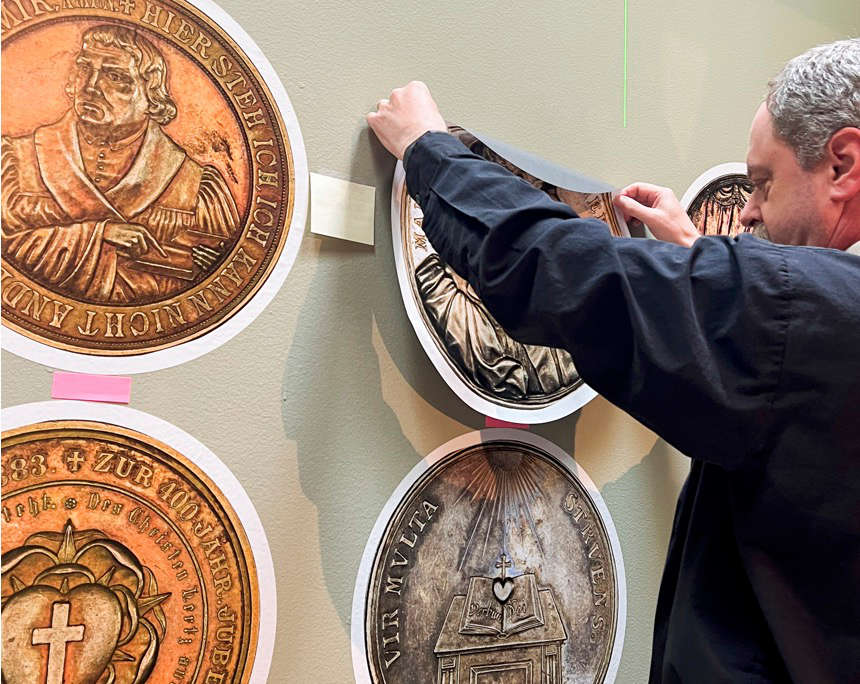
Luther Medals and Reformation Coins – Exhibition in Saint Louis
A new exhibition in Saint Louis explores the topic of coins and medals of the Reformation. It presents over 125 of the most valuable and historically significant pieces from the collections of three important Michigan collectors.
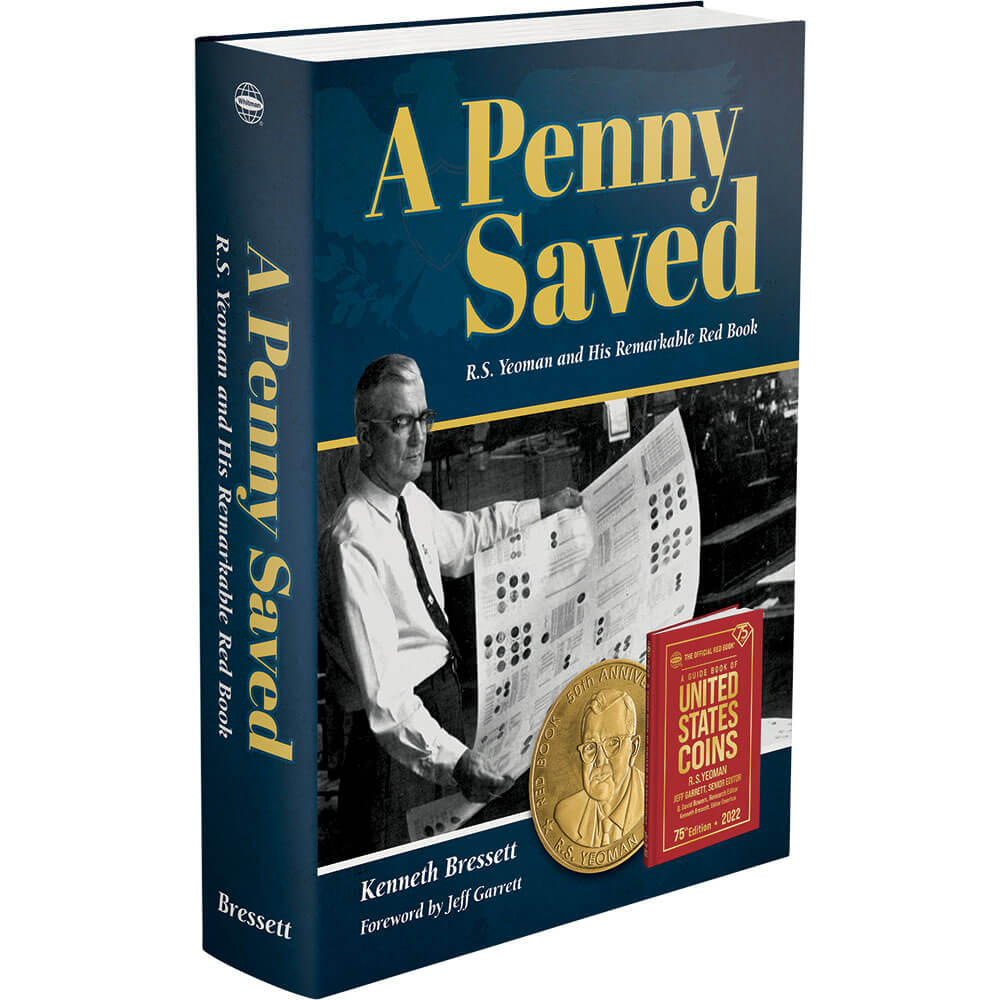
The “Red Book” and Its Two Fathers
Kenneth Bressett’s memoir “A Penny Saved” celebrates the life of Bressett’s mentor, hobby legend Richard S. Yeo and author of the “Red Book”. Joel J. Orosz explains what numismatics owes both of them.
Archive: Coins, Medals and more
 https://new.coinsweekly.com/wp-content/uploads/2025/03/0.jpg
684
860
Sebastian Wieschowski
https://new.coinsweekly.com/wp-content/uploads/2023/01/logo-coinsweekly_590x204.png
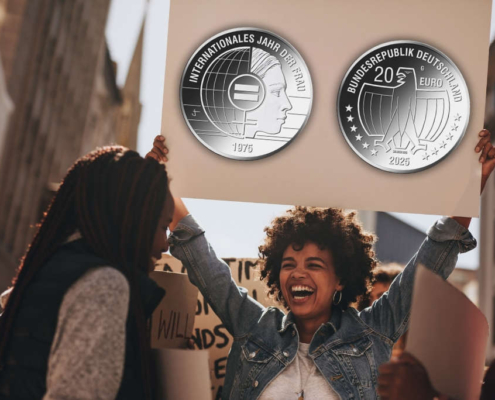
Sebastian Wieschowski2025-03-06 06:00:312025-03-06 14:32:55Women on Commemorative Coins: A Long Road to True Equality
https://new.coinsweekly.com/wp-content/uploads/2025/03/0.jpg
684
860
Sebastian Wieschowski
https://new.coinsweekly.com/wp-content/uploads/2023/01/logo-coinsweekly_590x204.png
Sebastian Wieschowski2025-03-06 06:00:312025-03-06 14:32:55Women on Commemorative Coins: A Long Road to True Equality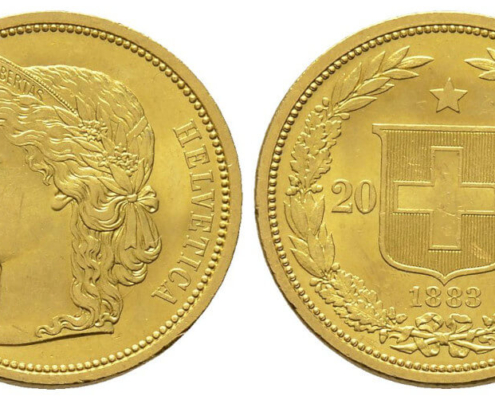 https://new.coinsweekly.com/wp-content/uploads/2023/06/00_CH-1883-20Fr.jpg
502
1000
Bruno
https://new.coinsweekly.com/wp-content/uploads/2023/01/logo-coinsweekly_590x204.png
Bruno2022-06-13 14:16:552023-06-29 11:02:58The Vreneli – A Swiss Icon
https://new.coinsweekly.com/wp-content/uploads/2023/06/00_CH-1883-20Fr.jpg
502
1000
Bruno
https://new.coinsweekly.com/wp-content/uploads/2023/01/logo-coinsweekly_590x204.png
Bruno2022-06-13 14:16:552023-06-29 11:02:58The Vreneli – A Swiss Icon
The 12th Hong Kong Coin Show (HKCS)
The 12th Hong Kong Coin Show (HKCS) will take place from Friday, 4th April to Sunday, 6th April. You can expect exhibitors from over 50 countries, auctions, educational seminars, exhibitions, on-site coin grading services and much more – in short: a festival of numismatics!
Where Did Silver Come from in Early Medieval Europe?
In the mid-7th century, a veritable silver coin boom set off in the North Sea Region. So far, the question of where the silver for the coins came from was up for speculation. A new study provides concrete results.