






Archive: People and Markets
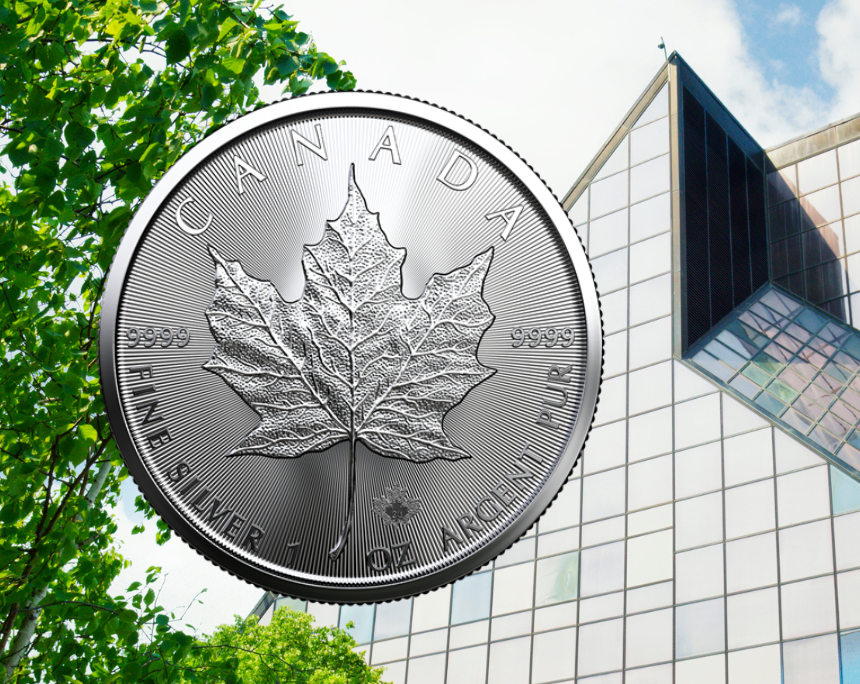
Royal Canadian Mint Reports First Quarter 2024 Financial Results
The Royal Canadian Mint has released its financial results for the year 2023 and the first quarter of 2024, offering insights into its activities, market influences, and expectations for the coming year.
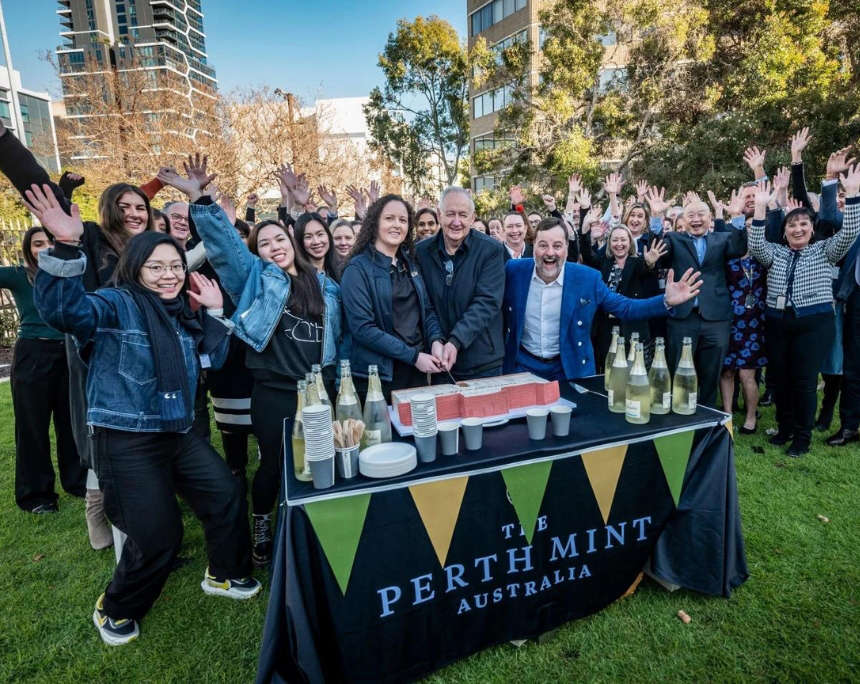
The Perth Mint Celebrates with Cake for 125th Birthday – and a Special Sovereign Coin
On June 20th, The Perth Mint celebrated the significant milestone of 125 years of operation as a gold refiner and producer of high-quality precious metal coins.
Archive: Coins, Medals and more
 https://new.coinsweekly.com/wp-content/uploads/2024/07/2024KW28HA_00.jpg
684
860
Ursula Kampmann
https://new.coinsweekly.com/wp-content/uploads/2023/01/logo-coinsweekly_590x204.png
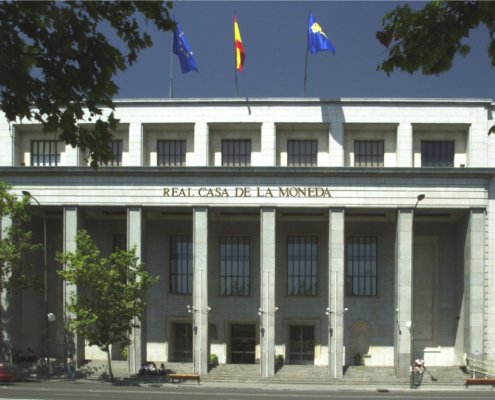
Ursula Kampmann2024-07-11 11:04:462024-07-11 11:19:29The Casa de la Moneda Museum in Madrid
https://new.coinsweekly.com/wp-content/uploads/2024/07/2024KW28HA_00.jpg
684
860
Ursula Kampmann
https://new.coinsweekly.com/wp-content/uploads/2023/01/logo-coinsweekly_590x204.png
Ursula Kampmann2024-07-11 11:04:462024-07-11 11:19:29The Casa de la Moneda Museum in Madrid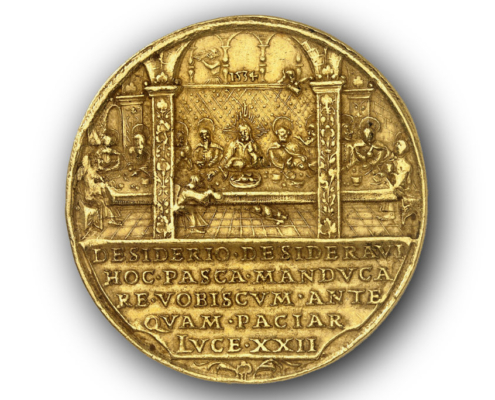 https://new.coinsweekly.com/wp-content/uploads/2025/01/2025KW02HA_00.jpg
684
860
Lucie Loechel
https://new.coinsweekly.com/wp-content/uploads/2023/01/logo-coinsweekly_590x204.png
Lucie Loechel2025-01-09 10:35:332025-01-09 14:45:59Joachimsthal and the Reformation
https://new.coinsweekly.com/wp-content/uploads/2025/01/2025KW02HA_00.jpg
684
860
Lucie Loechel
https://new.coinsweekly.com/wp-content/uploads/2023/01/logo-coinsweekly_590x204.png
Lucie Loechel2025-01-09 10:35:332025-01-09 14:45:59Joachimsthal and the Reformation
The Black Lizard from Brusnik Island in Ultra-High Relief
Croatia is home to a lizard species that would have impressed even Darvin himself: the autochthonous black lizard, found only on the island of Brusnik. On 14 March 2024, Croatia issued three collector coins in its honour. Now the fourth, a two-ounce silver version in ultra-high relief, has been released.
Congress in Frankfurt: International Experts Discuss Gold and Silver Trends
From 23 to 25 March 2025, Frankfurt will host the inaugural ZukunftsForum Edelmetalle. This new congress brings together renowned precious metals experts to discuss current market trends, as well as economic and geopolitical developments in the gold, silver, and platinum sectors.