






Archive: People and Markets
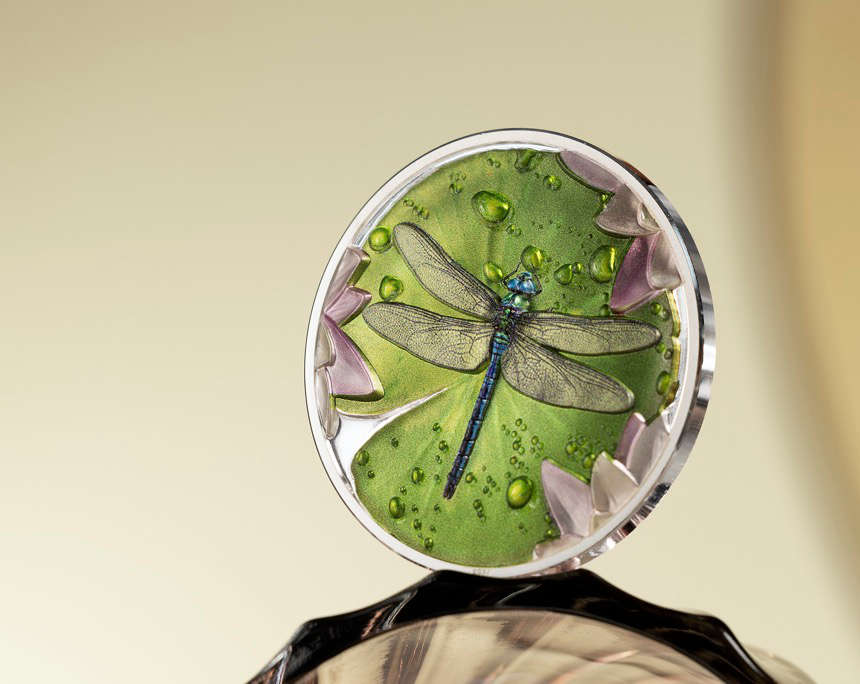
CIT’s Lily Pad – Dragonfly
A dragonfly on a lily pad: CIT and B. H. Mayer use state-of-the-art minting technology to capture nature’s beauty in an awe-inspiring way.

The Fight for Collector’s Rights: An Interview With Ursula Kampmann
For his passionately run “Numischannel” on YouTube, Argentine numismatist Damian Salgado conducted an interview with Ursula Kampmann. Among other things, they talked about private collecting, the rights of collectors and the fight against unfair legislation worldwide. Take a look!
Archive: Coins, Medals and more
 https://new.coinsweekly.com/wp-content/uploads/2024/11/2024KW45HA1_00.jpg
684
860
Bruno
https://new.coinsweekly.com/wp-content/uploads/2023/01/logo-coinsweekly_590x204.png
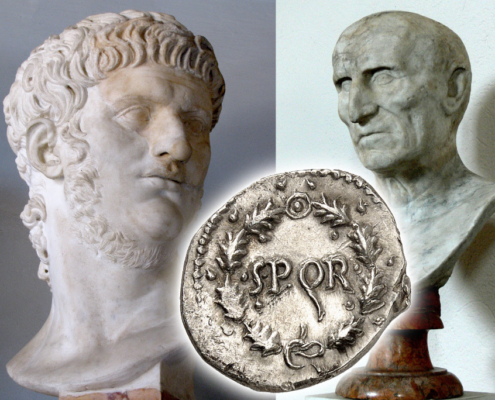
Bruno2024-11-07 08:49:152024-11-08 14:14:32The Roman Civil War of 68/9: The Prelude to the Year of the Four Emperors
https://new.coinsweekly.com/wp-content/uploads/2024/11/2024KW45HA1_00.jpg
684
860
Bruno
https://new.coinsweekly.com/wp-content/uploads/2023/01/logo-coinsweekly_590x204.png
Bruno2024-11-07 08:49:152024-11-08 14:14:32The Roman Civil War of 68/9: The Prelude to the Year of the Four Emperors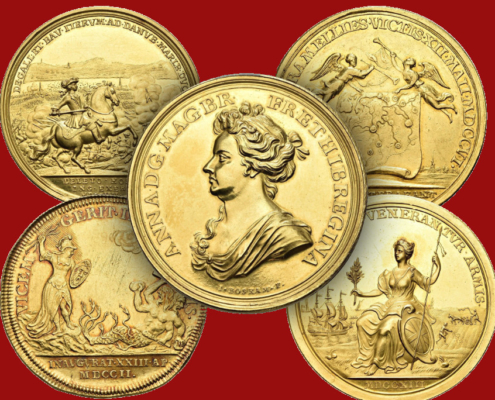 https://new.coinsweekly.com/wp-content/uploads/2025/05/2025KW19HA01_00.jpg
684
860
Lucie Loechel
https://new.coinsweekly.com/wp-content/uploads/2023/01/logo-coinsweekly_590x204.png
Lucie Loechel2025-05-08 10:15:222025-05-08 10:15:22Queen Anne: Great Britain on Its Way to Becoming a Global Power
https://new.coinsweekly.com/wp-content/uploads/2025/05/2025KW19HA01_00.jpg
684
860
Lucie Loechel
https://new.coinsweekly.com/wp-content/uploads/2023/01/logo-coinsweekly_590x204.png
Lucie Loechel2025-05-08 10:15:222025-05-08 10:15:22Queen Anne: Great Britain on Its Way to Becoming a Global Power
Our Who’s Who Is Here!
Our entire Who’s Who for numismatists and collectors is now available on our new website. This is another important step on our path towards transitioning from our old to the new site. And there is more!
2-Euro Ticker: New 2-Euro Coins in May 2024
Fresh supply for all 2-euro fans: San Marino comes up with a treat for collectors, Estonia hits the headlines twice, and Belgium is already completing its numismatic 2-euro year.