











Archive: People and Markets
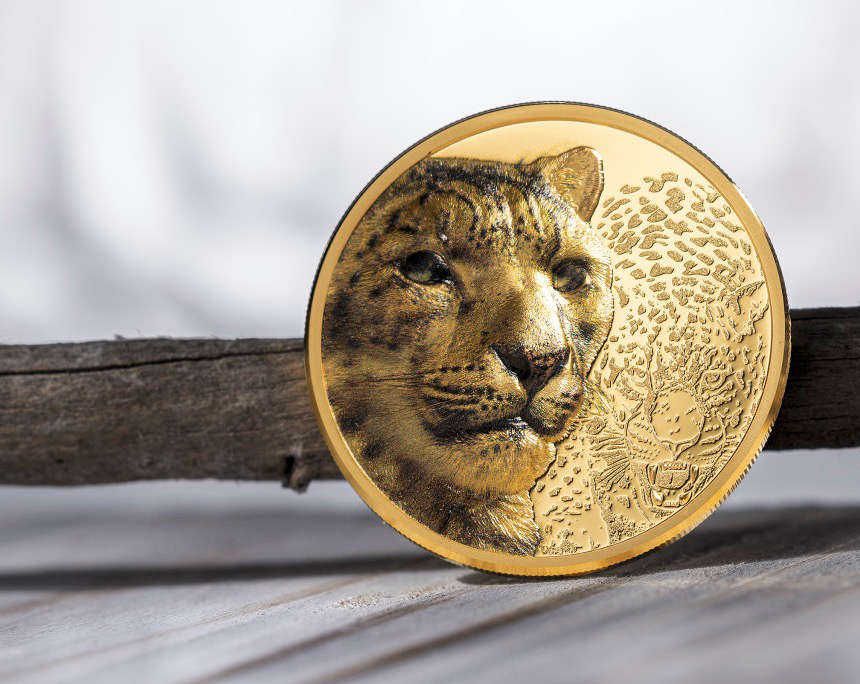
CIT’s Wild Mongolia – Snow Leopard
Wild Mongolia is the series with which CIT first introduced the new possibilities of smartminting® 2.0. By now, CIT has once again expanded the possibilities of smartminting® with the launch of smartminting® 4.0, and this is already the fifth issue of the Wild Mongolia series. It is dedicated to the snow leopard and features yet another innovation.
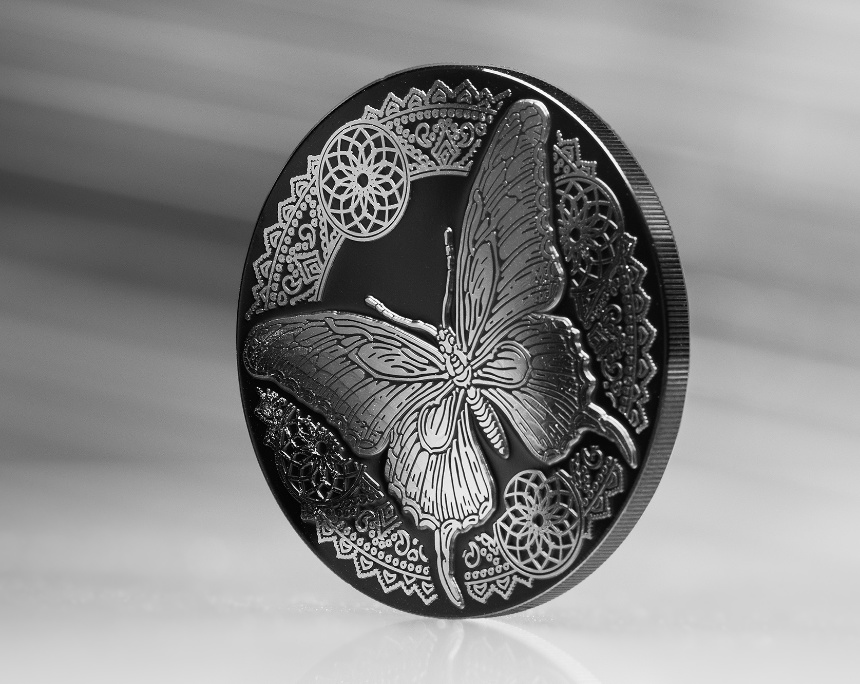
Introducing Nanoshine: CIT’s Butterfly
CIT’s Butterfly seems delicate, fragile and beautiful, just like its real-life model. The technical marvel behind it only becomes apparent at second glance. Nanoshine is a completely new technology with the potential to transform the aesthetics of coin design.
Archive: Coins, Medals and more
 https://new.coinsweekly.com/wp-content/uploads/2025/02/2025KW09HA02_00.jpg
684
860
Lucie Loechel
https://new.coinsweekly.com/wp-content/uploads/2023/01/logo-coinsweekly_590x204.png
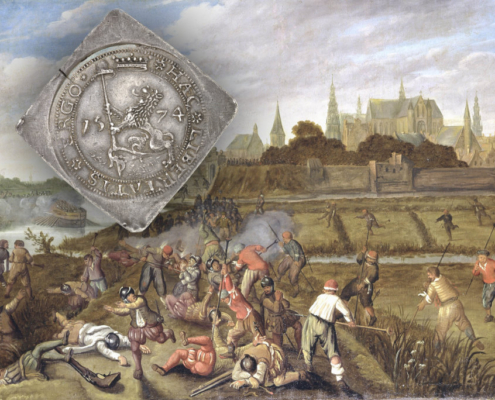
Lucie Loechel2025-02-27 10:19:482025-02-27 10:25:36The Suffering of Leiden – A Siege During the Dutch Revolt
https://new.coinsweekly.com/wp-content/uploads/2025/02/2025KW09HA02_00.jpg
684
860
Lucie Loechel
https://new.coinsweekly.com/wp-content/uploads/2023/01/logo-coinsweekly_590x204.png
Lucie Loechel2025-02-27 10:19:482025-02-27 10:25:36The Suffering of Leiden – A Siege During the Dutch Revolt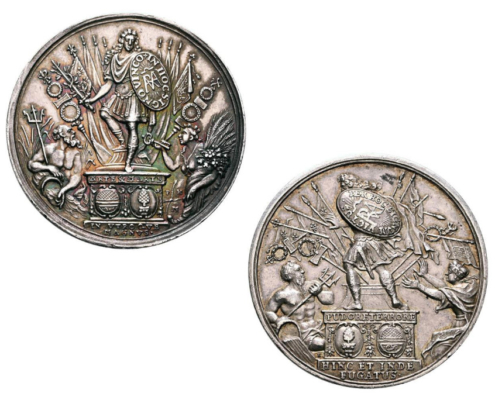 https://new.coinsweekly.com/wp-content/uploads/2025/05/2025KW20HA02_00.jpg
684
860
Lucie Loechel
https://new.coinsweekly.com/wp-content/uploads/2023/01/logo-coinsweekly_590x204.png
Lucie Loechel2025-05-15 10:14:562025-05-15 10:14:56Between Triumph and Tragedy – Maximilian II Emanuel, “The Prince of Bankrupts”
https://new.coinsweekly.com/wp-content/uploads/2025/05/2025KW20HA02_00.jpg
684
860
Lucie Loechel
https://new.coinsweekly.com/wp-content/uploads/2023/01/logo-coinsweekly_590x204.png
Lucie Loechel2025-05-15 10:14:562025-05-15 10:14:56Between Triumph and Tragedy – Maximilian II Emanuel, “The Prince of Bankrupts”
The Numismatic World Meets in Madrid: The Second Evento Numismático International
The second Evento Numismático Internacional will take place in Madrid at the end of June. This unique combination of coin fair and conference already attracted numerous visitors from around the world at its premiere last year. This time, Ursula Kampmann will lead an international session dedicated to change in the numismatic world.
Will the Bayern Thaler Become the Long-Awaited German Bullion Coin?
The Free State of Bavaria has commissioned the Bavarian State Mint to produce a series of precious metal investment products. The “Bayern Thaler” aims to join the ranks of investment icons and is in keeping with the spirit of the times – but there are pitfalls ahead.