








Archive: People and Markets

British Museum Sets Out Plans to Digitize Fully the Collection
After the disappearance of thousands of objects, the British Museum aims to document all of their over 2 million objects within the next five years and make them available online. Mark Jones on why he wants to increase access to the objects now.
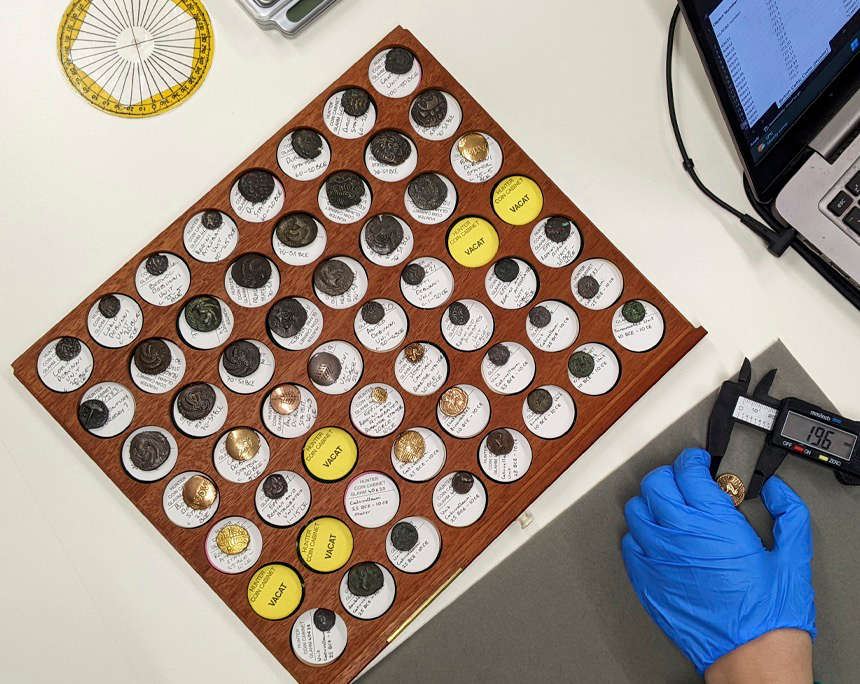
Collection of British Celtic Coins Accessible Online
A collection of Celtic British coins in the possession of The Hunterian Museum in Glasgow is now digitally catalogued and accessible worldwide, thanks to student volunteers from the University of Glasgow.
Archive: Coins, Medals and more
 https://new.coinsweekly.com/wp-content/uploads/2025/04/2025KW16HA02_00.jpg
684
860
Lucie Loechel
https://new.coinsweekly.com/wp-content/uploads/2023/01/logo-coinsweekly_590x204.png
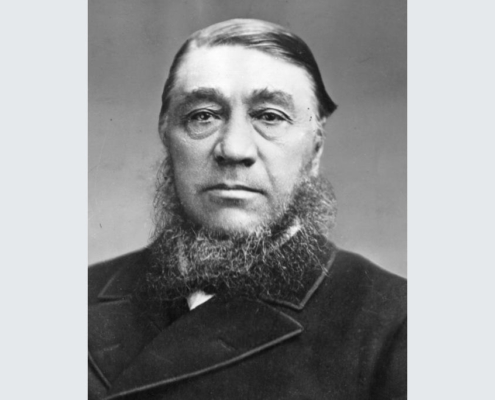
Lucie Loechel2025-04-17 08:30:092025-04-17 10:43:15Berlin and South Africa – A Time-Honoured Connection
https://new.coinsweekly.com/wp-content/uploads/2025/04/2025KW16HA02_00.jpg
684
860
Lucie Loechel
https://new.coinsweekly.com/wp-content/uploads/2023/01/logo-coinsweekly_590x204.png
Lucie Loechel2025-04-17 08:30:092025-04-17 10:43:15Berlin and South Africa – A Time-Honoured Connection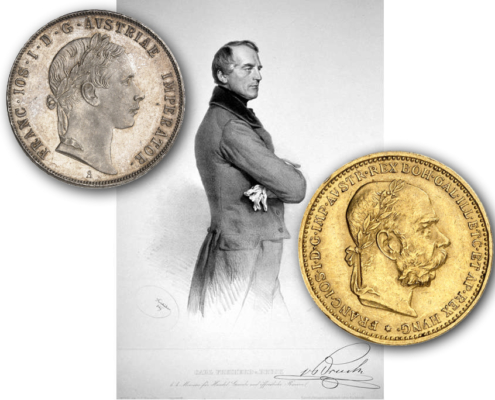 https://new.coinsweekly.com/wp-content/uploads/2024/03/2024KW12bHA_00.jpg
684
860
Ursula Kampmann
https://new.coinsweekly.com/wp-content/uploads/2023/01/logo-coinsweekly_590x204.png
Ursula Kampmann2024-03-21 08:00:102024-03-21 08:09:54A War Fought with Unusual Weapons: How Prussia Used Finance and Politics to Force the Habsburg Hereditary Lands Out of the German Confederation
https://new.coinsweekly.com/wp-content/uploads/2024/03/2024KW12bHA_00.jpg
684
860
Ursula Kampmann
https://new.coinsweekly.com/wp-content/uploads/2023/01/logo-coinsweekly_590x204.png
Ursula Kampmann2024-03-21 08:00:102024-03-21 08:09:54A War Fought with Unusual Weapons: How Prussia Used Finance and Politics to Force the Habsburg Hereditary Lands Out of the German Confederation
CoinsWeekly Special Issue for the Evento Numismático International Madrid 2025
On the occasion of the 2025 Evento Numismático International in Madrid, we are once again publishing one of our printed CoinsWeekly Special Issues, this time in Spanish. Read all about the Traveling Emperor Hadrian and his coinage.
The Economy Museum St. Louis Fed
Learn about the economy and currency in a fun and interactive way. Compete to make the most money in a simulated trading pit game. The Economy Museum at the St. Louis Fed offers over 100 games, exhibits, currency displays and videos. Read what expect you there.