







Archive: People and Markets
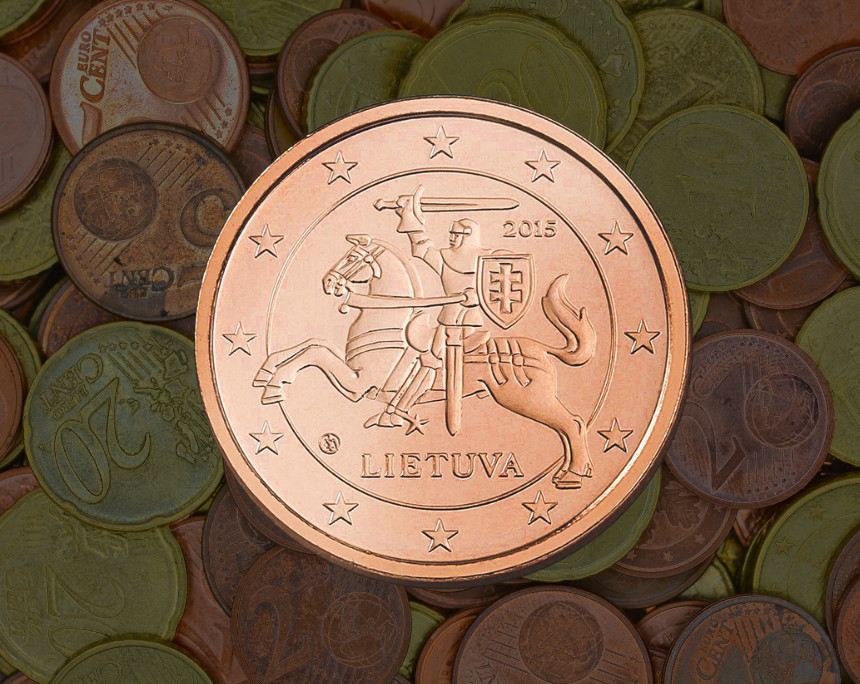
Lithuania Effectively Abolishes One- and Two-Cent Coins – and Sparks a New Debate
Farewell to small change: another eurozone country is saying goodbye to the smallest cent coins. In Germany, the debate is also gaining momentum – whereas Austria remains relaxed and is observing developments.
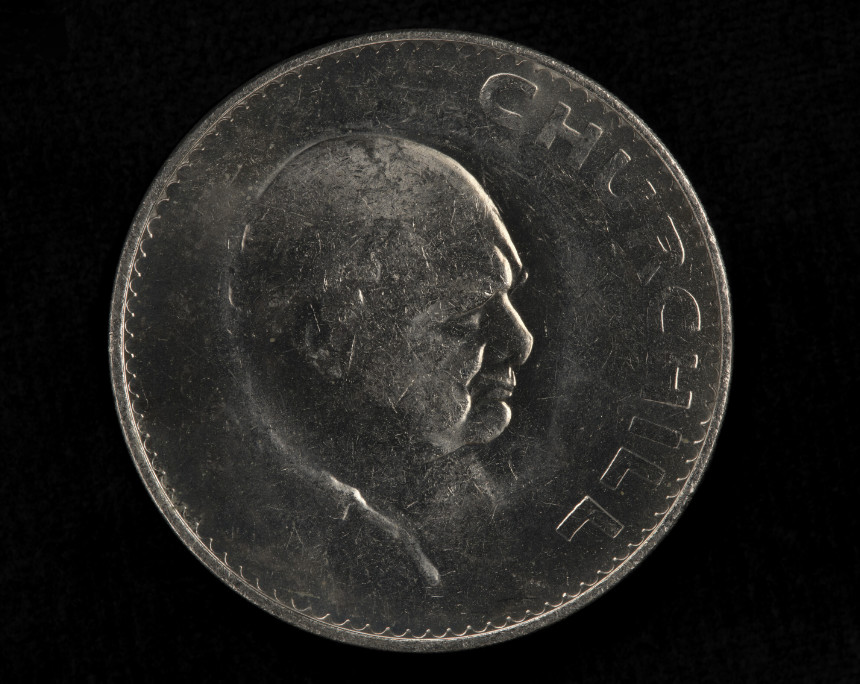
Sir Winston Churchill at 150: Highlights From the J. Eric Engstrom Medal Collection
Last November, Winston Churchill would have turned 150 years old. To mark the occasion, the Heberden Coin Room at the Ashmolean is displaying pieces from their rich collection of medals related to Churchill, most of which come from the J. Eric Engstrom Collection of Churchill Medals.
Archive: Coins, Medals and more
 https://new.coinsweekly.com/wp-content/uploads/2023/06/00_DSC04222.png
506
500
Bruno
https://new.coinsweekly.com/wp-content/uploads/2023/01/logo-coinsweekly_590x204.png
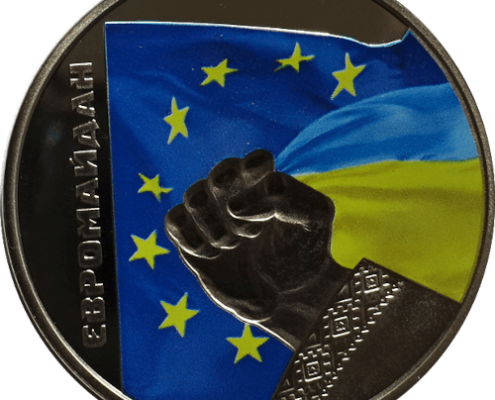
Bruno2022-06-13 12:00:452023-07-03 12:18:15The National Identity of Modern Ukraine on its Commemorative Coins
https://new.coinsweekly.com/wp-content/uploads/2023/06/00_DSC04222.png
506
500
Bruno
https://new.coinsweekly.com/wp-content/uploads/2023/01/logo-coinsweekly_590x204.png
Bruno2022-06-13 12:00:452023-07-03 12:18:15The National Identity of Modern Ukraine on its Commemorative Coins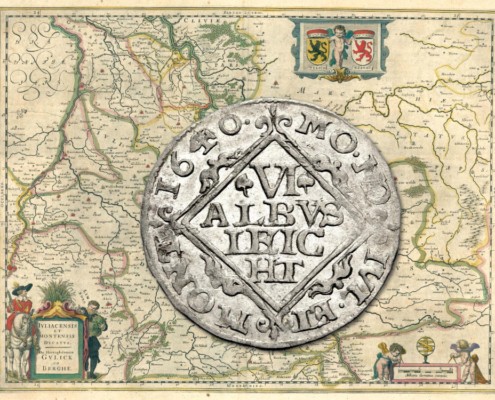 https://new.coinsweekly.com/wp-content/uploads/2023/06/2023KW25HA01_00.jpg
750
1000
Ursula Kampmann
https://new.coinsweekly.com/wp-content/uploads/2023/01/logo-coinsweekly_590x204.png
Ursula Kampmann2023-06-21 17:00:302023-06-27 11:18:18A Discovery From Jülich-Berg
https://new.coinsweekly.com/wp-content/uploads/2023/06/2023KW25HA01_00.jpg
750
1000
Ursula Kampmann
https://new.coinsweekly.com/wp-content/uploads/2023/01/logo-coinsweekly_590x204.png
Ursula Kampmann2023-06-21 17:00:302023-06-27 11:18:18A Discovery From Jülich-Berg
ACCG Requests Information About Closed Roundtable Regarding Extra-Legal MOU With Yemen
Following a closed roundtable, the US State Department signed an MOU criticized for being completed without input from the Cultural Property Advisory Committee or the opportunity for public comment. Die Ancient Coin Collectors Guild (ACCG) sees an effort to stifle debate and has submitted a Freedom of Information (FOIA) request to the State Department.
Join the First International Numismatic Alliance Conference!
The first edition of the International Numismatic Alliance Conference (INAC) will be held on May 26th. This free and open for everyone online event wants to offer a new unique opportunity for everyone to delve into the fascinating world of numismatics.