









Archive: People and Markets

Joachim Stollhoff (18.7.1948-2.11.2024)
Claire Franklin-Werz also wrote an extensive obituary for her long-time friend and mentor Joachim Stollhoff.
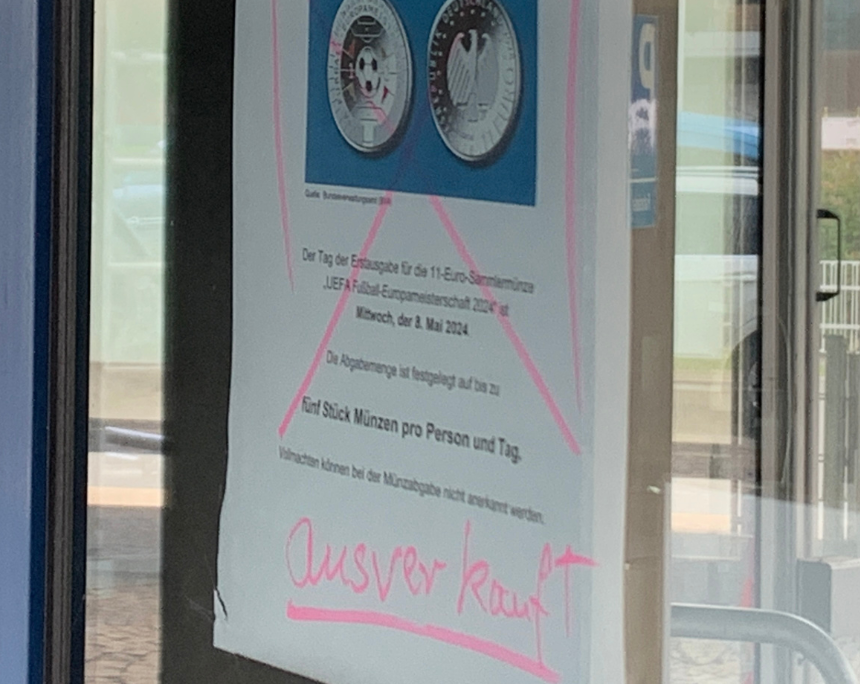
Successful Launch of the 11-Euro Football Coin for the 2024 European Championship
The large crowds and the fact that the 11-euro coin sold out quickly show how popular it is with the general public. The unusual collector issue fascinates football fans and numismatists alike and could become a popular souvenir across Europe.
Archive: Coins, Medals and more
 https://new.coinsweekly.com/wp-content/uploads/2025/05/2025KW20HA01_00.jpg
684
860
Lucie Loechel
https://new.coinsweekly.com/wp-content/uploads/2023/01/logo-coinsweekly_590x204.png
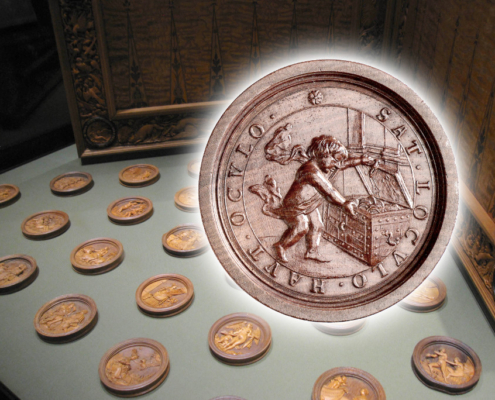
Lucie Loechel2025-05-15 11:34:482025-05-15 11:34:48What Do Gaming Counters Have to Do with Numismatics?
https://new.coinsweekly.com/wp-content/uploads/2025/05/2025KW20HA01_00.jpg
684
860
Lucie Loechel
https://new.coinsweekly.com/wp-content/uploads/2023/01/logo-coinsweekly_590x204.png
Lucie Loechel2025-05-15 11:34:482025-05-15 11:34:48What Do Gaming Counters Have to Do with Numismatics?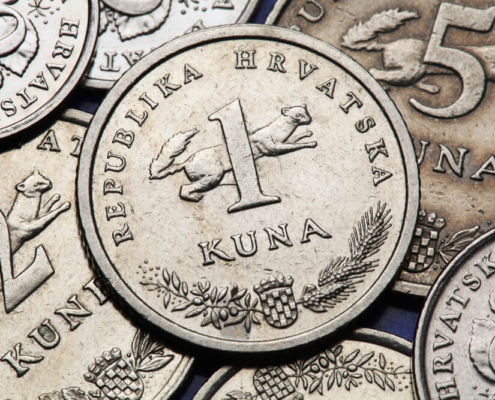 https://new.coinsweekly.com/wp-content/uploads/2023/06/CoCo03_09.jpg
667
1000
Ursula Kampmann
https://new.coinsweekly.com/wp-content/uploads/2023/01/logo-coinsweekly_590x204.png
Ursula Kampmann2022-06-13 10:37:152023-06-27 10:39:21What Will Be Depicted on Croatia’s Euro Coins?
https://new.coinsweekly.com/wp-content/uploads/2023/06/CoCo03_09.jpg
667
1000
Ursula Kampmann
https://new.coinsweekly.com/wp-content/uploads/2023/01/logo-coinsweekly_590x204.png
Ursula Kampmann2022-06-13 10:37:152023-06-27 10:39:21What Will Be Depicted on Croatia’s Euro Coins?
Evento Numismático Internacional
There is a new coin show aimed at the Spanish-speaking world: from 26 to 29 June 2024, the first Evento Numismático Internacional will take place at the prestigious Four Seasons Hotel in Madrid, and will include a coin show, numerous presentations and an extensive cultural programme.
Inclusive Numismatics Conference
This conference at the Bank of England is a space where women, people of colour, those from the LGBTQ+ community and anyone who has not yet found the right forum for their passion can feel included. Proposals for papers are still accepted.