







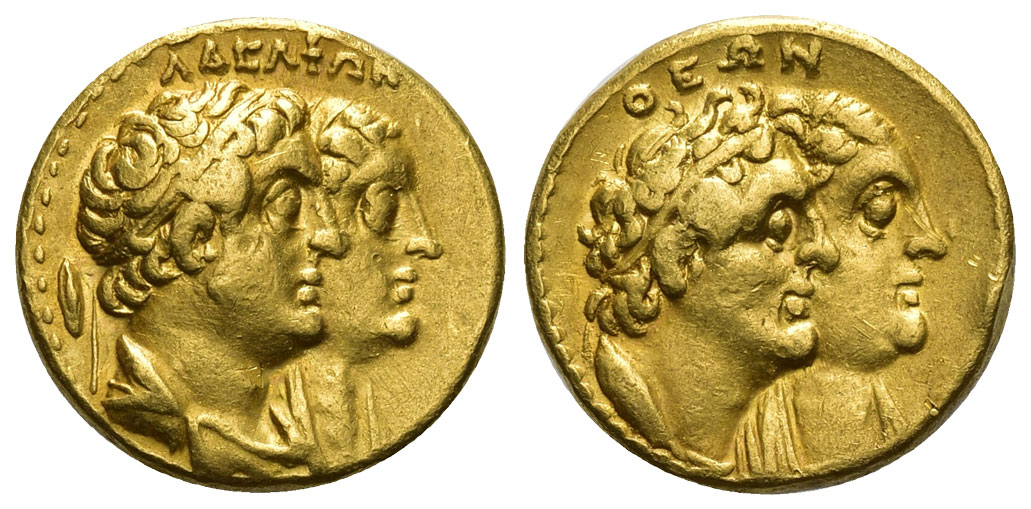
AV Tetradrachm (282–272 BC),
King Ptolemy II and Queen Arsinoe II.
From the major collection of Alexandria mint.
Condition: vf+
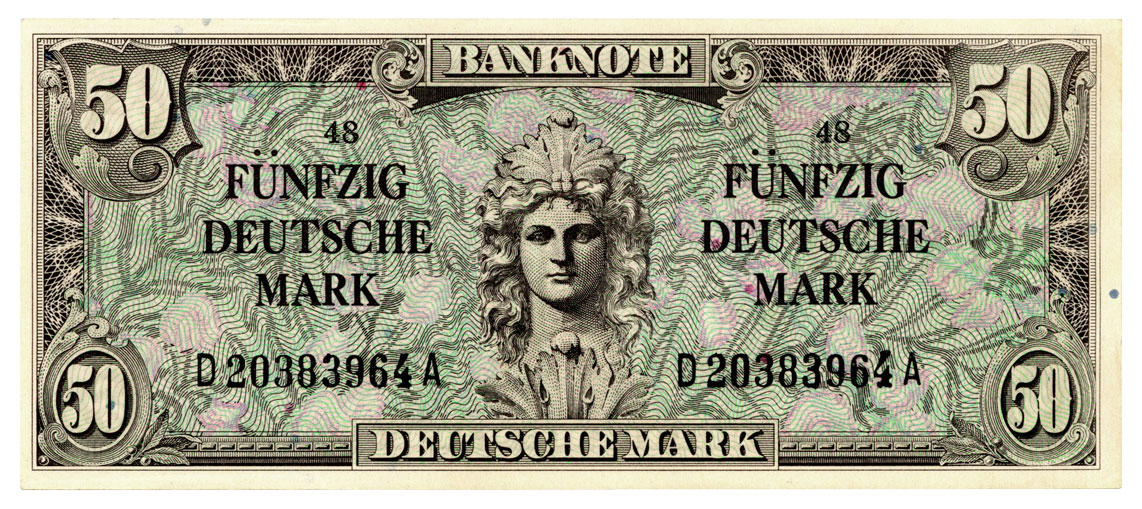
50 Deutsche Mark o.D. ( 1948-1949) "Liberty".
Condition: extremly rare, I
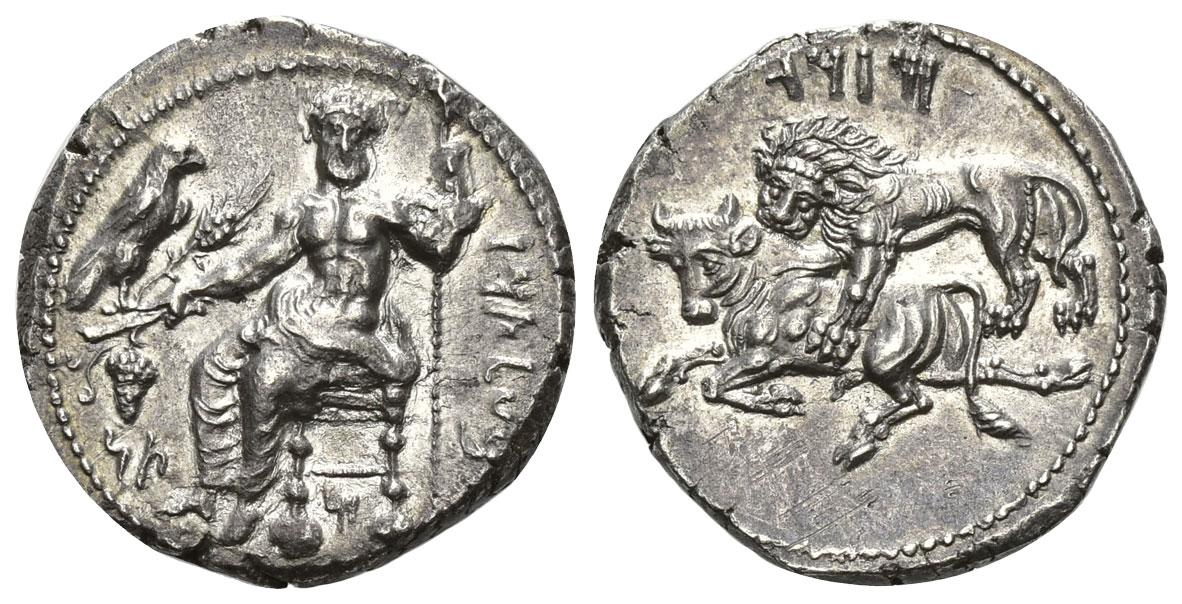
AR Stater (361-334 BC).
Obv. Baal of Tarsos.
Conditon: ef
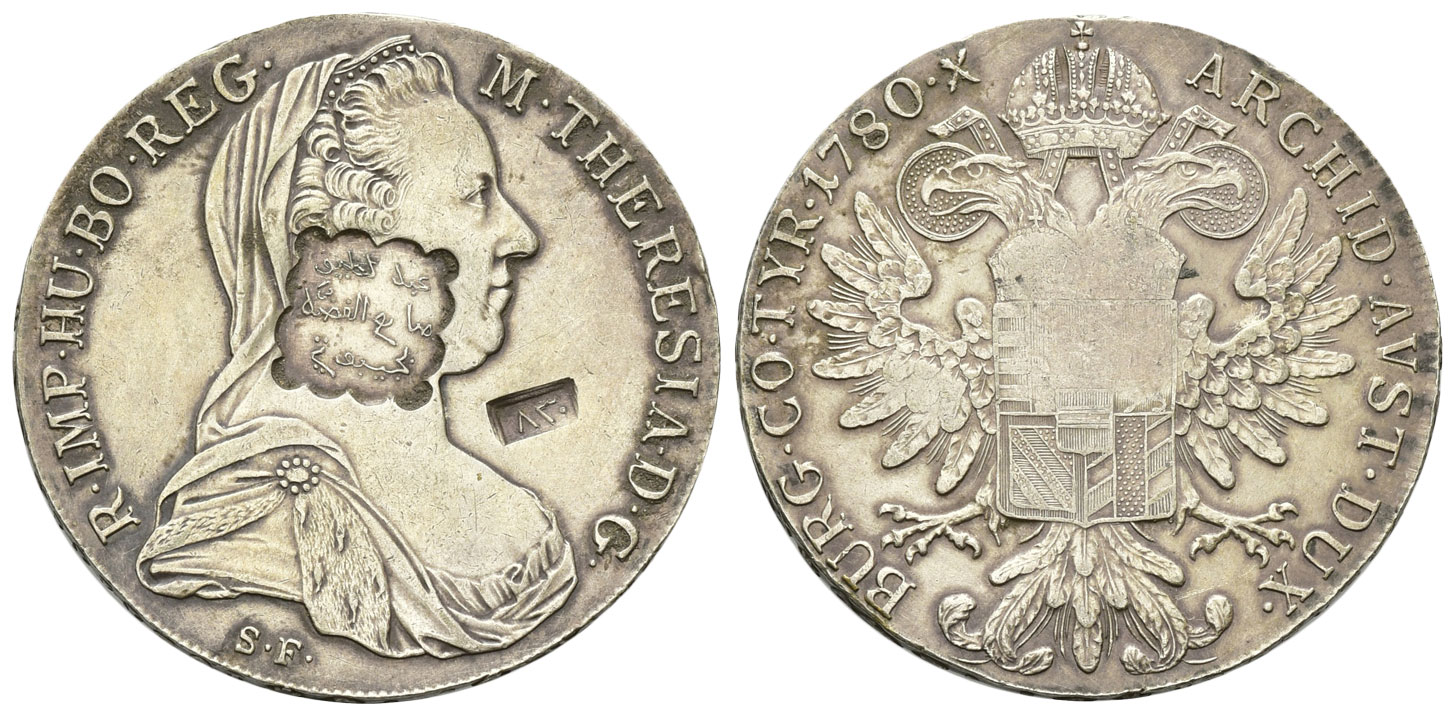
Taler 1780 SF
with counter stamp Djibouti (1870-1900).
Condition: vf
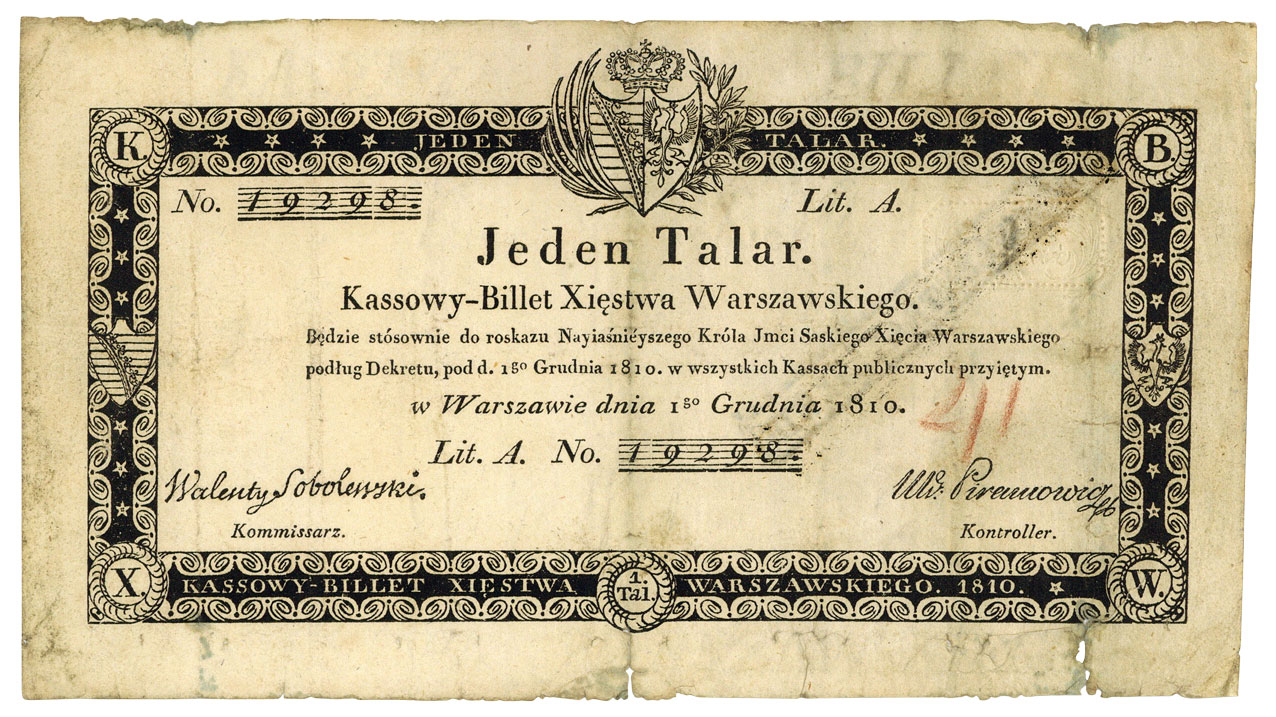
1 Talar 1. December 1810.
Condition: III-IV
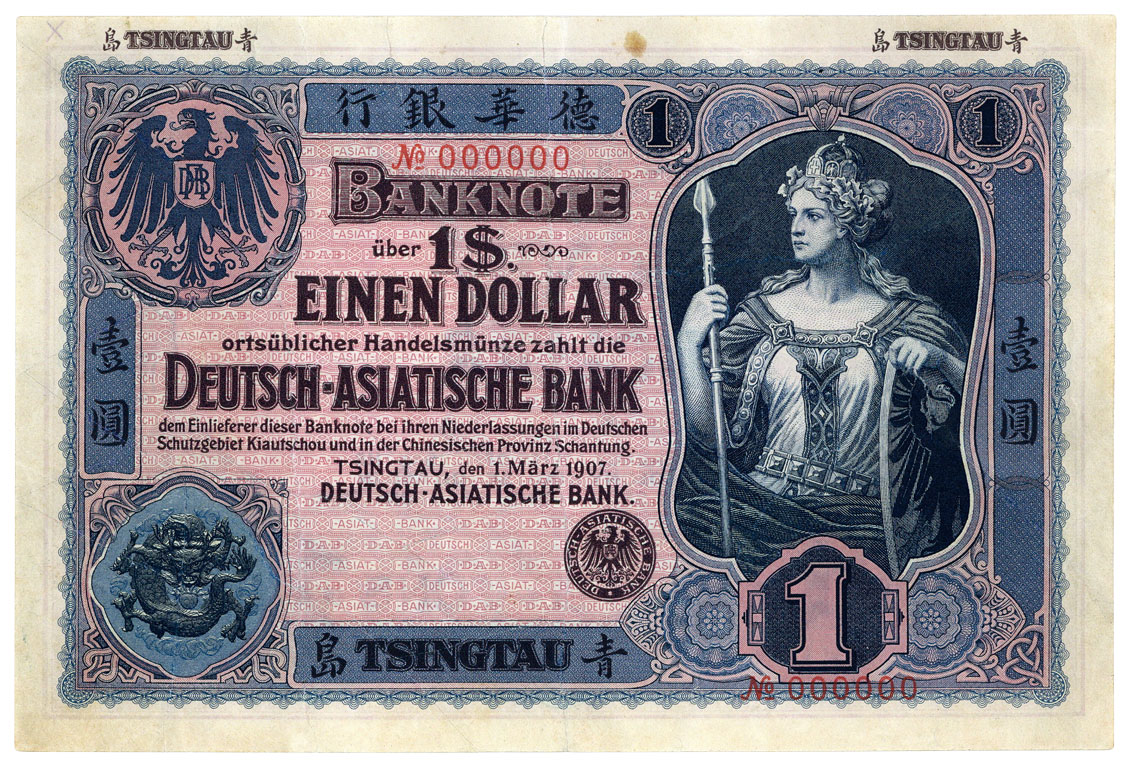
1 Dollar 1.3.1907, Tsingtao.
Condition: very rare, restored
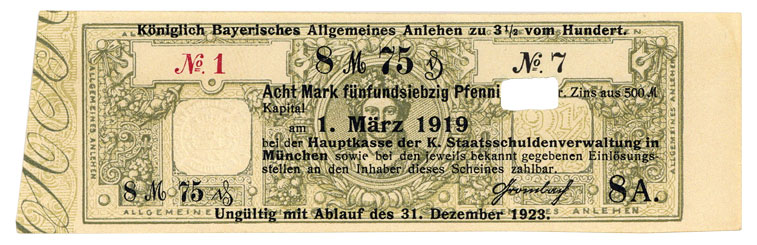
Royal Bavarian General Loan.
8.75 Marks, March 1, 1919.
Condition: rare, I
Archive: People and Markets
Certified Collectibles Group to Acquire James Spence Authentication
Certified Collectibles Group acquires the leading autograph authentication firm James Spence Authentication.
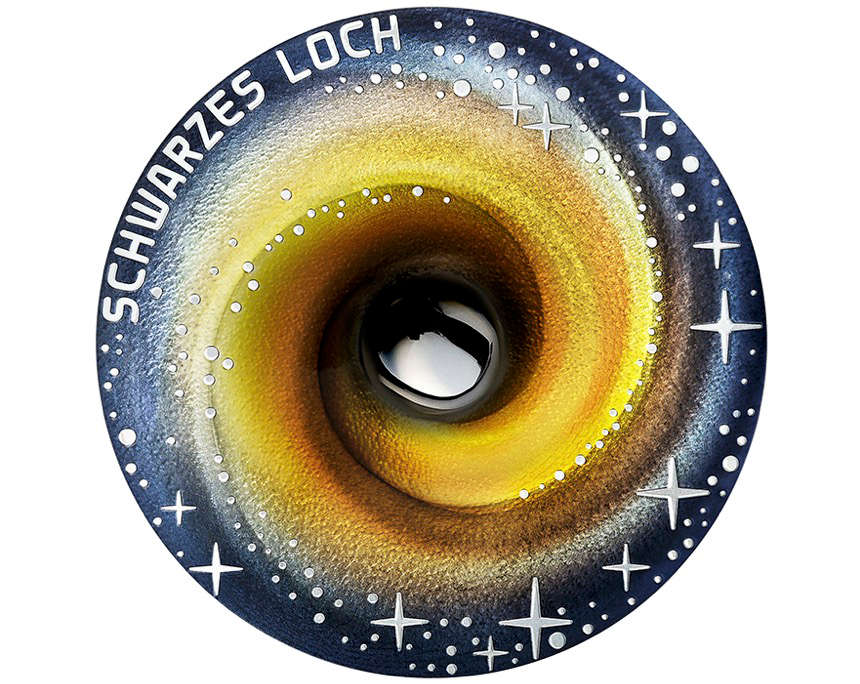
And the Champion of the 40th COTY Is…
At the ANA in Pittsburgh, an Austrian coin has earned top honors in the 40th Coin of the Year (COTY) Awards. See all the winners here.
Archive: Coins, Medals and more
 https://new.coinsweekly.com/wp-content/uploads/2024/09/2024KW37HA_00.jpg
684
860
Ursula Kampmann
https://new.coinsweekly.com/wp-content/uploads/2023/01/logo-coinsweekly_590x204.png
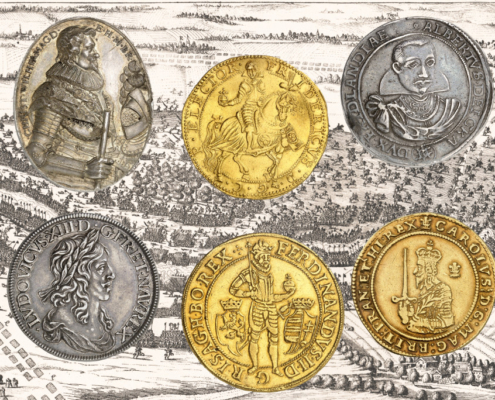
Ursula Kampmann2024-09-12 10:23:452024-09-12 10:23:45The Protagonists of the Thirty Years’ War: A Slightly Different Preview of Künker’s Auction 410
https://new.coinsweekly.com/wp-content/uploads/2024/09/2024KW37HA_00.jpg
684
860
Ursula Kampmann
https://new.coinsweekly.com/wp-content/uploads/2023/01/logo-coinsweekly_590x204.png
Ursula Kampmann2024-09-12 10:23:452024-09-12 10:23:45The Protagonists of the Thirty Years’ War: A Slightly Different Preview of Künker’s Auction 410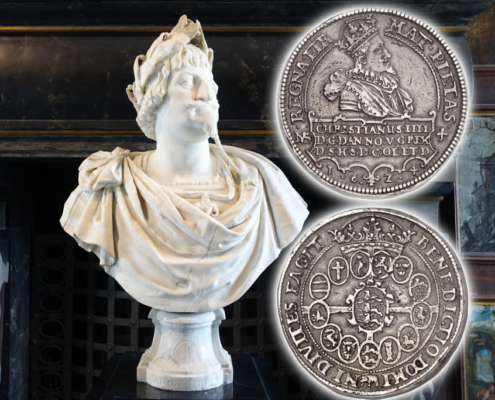 https://new.coinsweekly.com/wp-content/uploads/2024/06/2024KW24HA_00.jpg
684
860
Ursula Kampmann
https://new.coinsweekly.com/wp-content/uploads/2023/01/logo-coinsweekly_590x204.png
Ursula Kampmann2024-06-13 10:48:452024-06-13 11:10:58400 Years Ago – The Founding of Kongsberg
https://new.coinsweekly.com/wp-content/uploads/2024/06/2024KW24HA_00.jpg
684
860
Ursula Kampmann
https://new.coinsweekly.com/wp-content/uploads/2023/01/logo-coinsweekly_590x204.png
Ursula Kampmann2024-06-13 10:48:452024-06-13 11:10:58400 Years Ago – The Founding of Kongsberg
New Permanent Coin Exhibition at the Ducal Palace of Mantua
The most comprehensive collection of Mantua and Gonzaga coins and medals is now on long-term display at the Ducal Palace of Mantua. The exhibition is curated by numismatist Massimo Rossi.
Oslo Myntgalleri Opening Sister Company in Denmark
The auction house Oslo Myntgalleri will open a sister company in Denmark with Michael Märcher as CEO. He and his team will run a traditional coin shop in Aarhus as well as a large online shop.