








Archive: People and Markets

Coiniverse Launches AI Assistant for Coin Collectors
The coin collecting app Coiniverse announced the launch of Coin AI, a cutting-edge generative AI assistant designed to enrich the coin collecting experience. Find out what it can do.
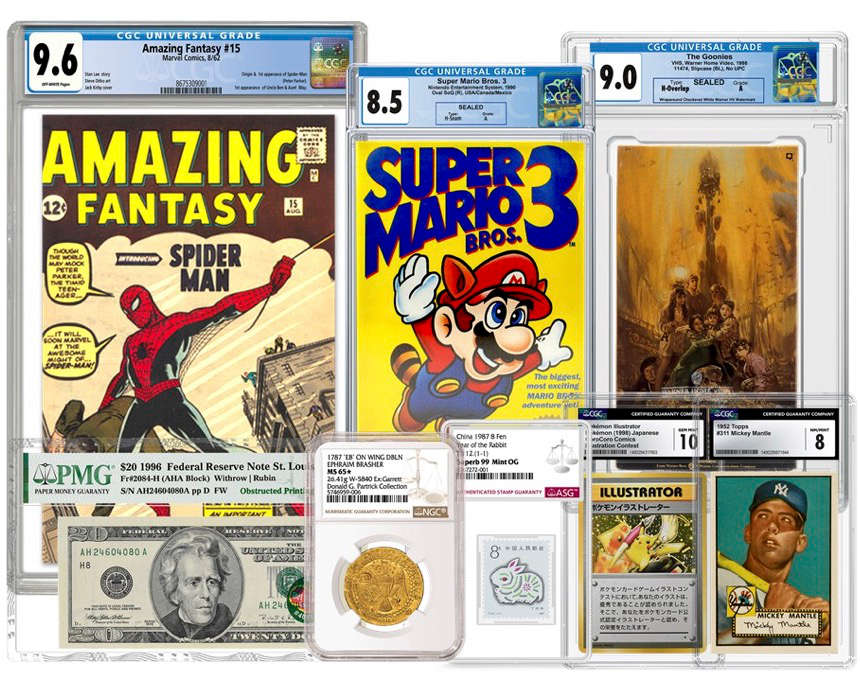
New CCG Office will open in Dubai 2024
The Certified Collectibles Group will open an office in Dubai in 2024. The new office will make it easier for collectors and dealers in the region to submit to NGC, PMG and CGC.
Archive: Coins, Medals and more
 https://new.coinsweekly.com/wp-content/uploads/2023/06/00_shutterstock_235125199.jpg
667
1000
Bruno
https://new.coinsweekly.com/wp-content/uploads/2023/01/logo-coinsweekly_590x204.png
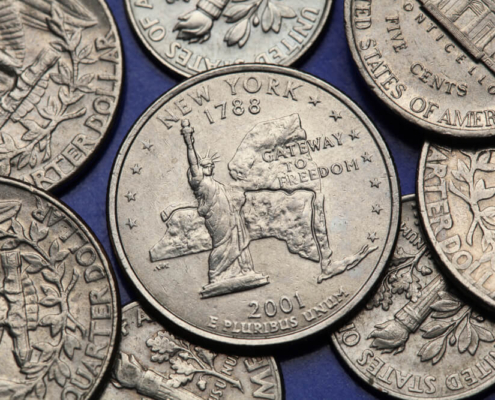
Bruno2022-06-13 12:25:292023-07-03 12:43:47Fascinating Change: The 50 State Quarters of the USA – a Milestone
https://new.coinsweekly.com/wp-content/uploads/2023/06/00_shutterstock_235125199.jpg
667
1000
Bruno
https://new.coinsweekly.com/wp-content/uploads/2023/01/logo-coinsweekly_590x204.png
Bruno2022-06-13 12:25:292023-07-03 12:43:47Fascinating Change: The 50 State Quarters of the USA – a Milestone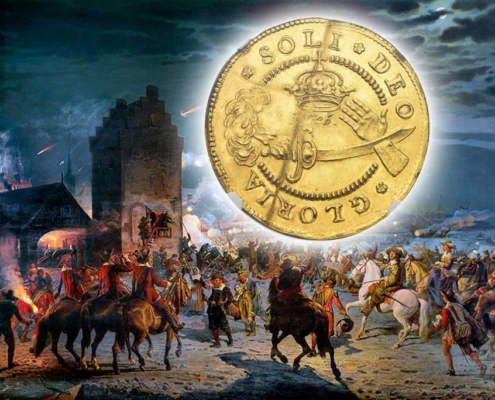 https://new.coinsweekly.com/wp-content/uploads/2024/10/2024KW40HA1_00.jpg
684
860
Bruno
https://new.coinsweekly.com/wp-content/uploads/2023/01/logo-coinsweekly_590x204.png
Bruno2024-10-02 13:27:042024-10-02 15:38:36Frederick III of Denmark and Eben Ezer
https://new.coinsweekly.com/wp-content/uploads/2024/10/2024KW40HA1_00.jpg
684
860
Bruno
https://new.coinsweekly.com/wp-content/uploads/2023/01/logo-coinsweekly_590x204.png
Bruno2024-10-02 13:27:042024-10-02 15:38:36Frederick III of Denmark and Eben Ezer
2024 Huntington Award Presented to William E. Metcalf
At the 167th Annual Meeting of the American Numismatic Society, the Archer M. Huntington Award was presented to Dr. William E. Metcalf, honoring his tremendous contributions to Roman and Byzantine numismatics.
What to Do With a Million Pennies?
Imagine you are cleaning out the house of a late relative and find 1 million cent coins in the process. What would you do with them? This is what happened to a California family. Why had this huge amount of coins been amassed? And what could they be worth?