











Archive: People and Markets
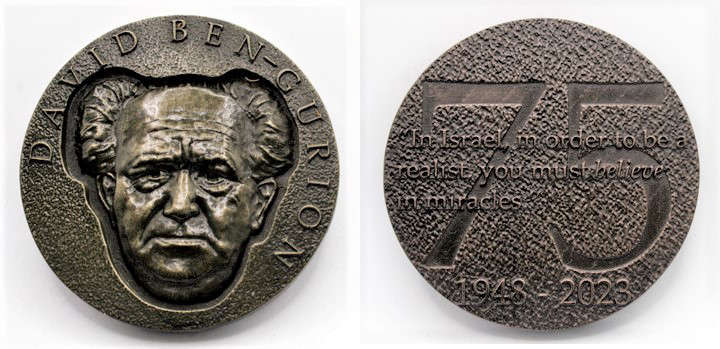
The Jewish-American Hall of Fame Presents a Medal in Honor of David Ben-Gurion
To commemorate Israel’s 75th Anniversary of Independence, the Jewish-American Hall of Fame has issued a medal commemorating featuring a portrait of “The Father of Modern Israel” – David Ben-Gurion.
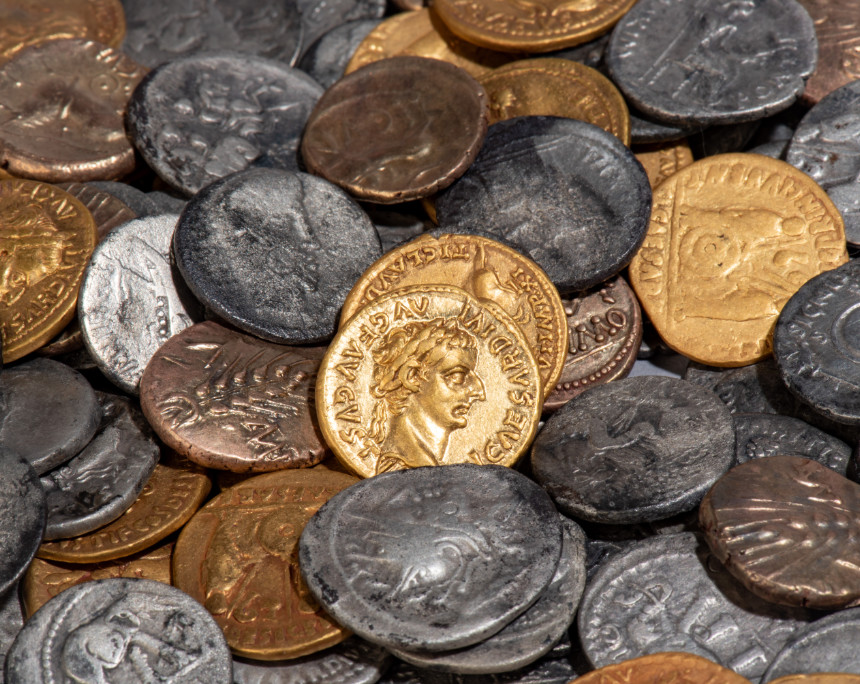
Spectacular Coin Hoard Discovered in the Province of Utrecht
A hoard of 404 coins has been unearthed in the province of Utrecht. It is probably the first find on the European mainland to include both Roman and British Celtic coins. The coin find underlines the importance of the Lower Germanic Limes for the Roman invasions of Britain.
Archive: Coins, Medals and more
 https://new.coinsweekly.com/wp-content/uploads/2024/02/2024KW08HA_00.jpg
684
860
Ursula Kampmann
https://new.coinsweekly.com/wp-content/uploads/2023/01/logo-coinsweekly_590x204.png
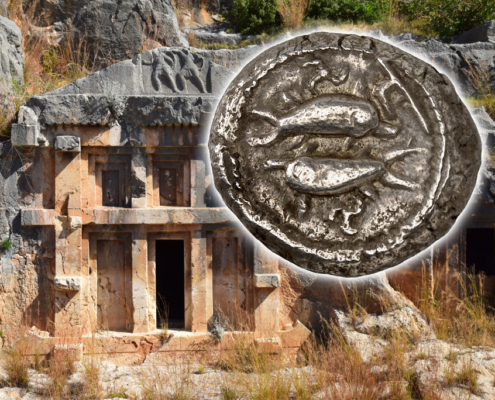
Ursula Kampmann2024-02-22 09:46:292024-02-22 10:15:42The History and Coinage of Lycia
https://new.coinsweekly.com/wp-content/uploads/2024/02/2024KW08HA_00.jpg
684
860
Ursula Kampmann
https://new.coinsweekly.com/wp-content/uploads/2023/01/logo-coinsweekly_590x204.png
Ursula Kampmann2024-02-22 09:46:292024-02-22 10:15:42The History and Coinage of Lycia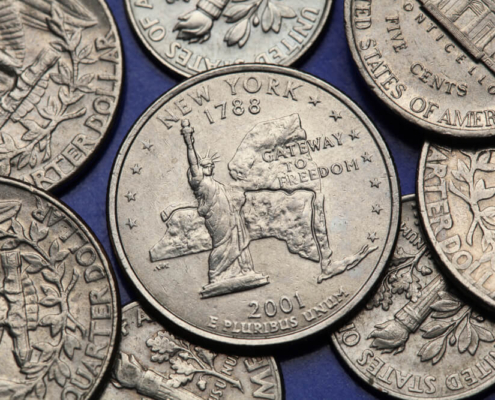 https://new.coinsweekly.com/wp-content/uploads/2023/06/00_shutterstock_235125199.jpg
667
1000
Bruno
https://new.coinsweekly.com/wp-content/uploads/2023/01/logo-coinsweekly_590x204.png
Bruno2022-06-13 12:25:292023-07-03 12:43:47Fascinating Change: The 50 State Quarters of the USA – a Milestone
https://new.coinsweekly.com/wp-content/uploads/2023/06/00_shutterstock_235125199.jpg
667
1000
Bruno
https://new.coinsweekly.com/wp-content/uploads/2023/01/logo-coinsweekly_590x204.png
Bruno2022-06-13 12:25:292023-07-03 12:43:47Fascinating Change: The 50 State Quarters of the USA – a Milestone
CIT’s Legends – Wild West
In 2024, CIT releases the third issue of its Legends series. Following Terracotta Warriors and Legacy of the Pharaohs, the Liechtenstein innovators now showcase one of our favorite legends: the Wild West. The issue incorporates countless details that are reminiscent of classic Hollywood western movies.
George Kolbe Retires from Bookselling
After over 55 years in the numismatic bookseller business, George Kolbe decided to retire from the partnership of Kolbe & Fanning Numismatic Booksellers.