






Archive: People and Markets

Lars O. Lagerqvist (1929-2023)
Lars O. Lagerqvist, former director of the Royal Coin Cabinet in Stockholm and FIDEM Honorary President, passed away. He was one of the most important Swedish numismatists and a renowned expert for medals. Marie-Astrid Voisin Pelsdonk remembers her mentor and friend.
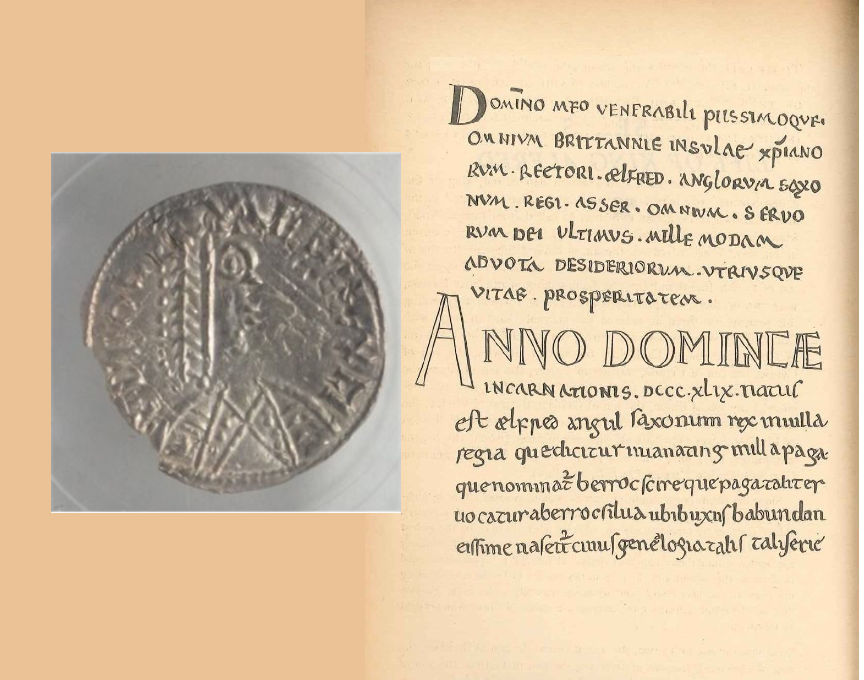
How Two Fraudsters Almost Changed England’s History
Two English metal detectorists attempted to sell off some illegally excavated coins. In a police operation straight out of a movie, the pair were caught and have now been sentenced. The seized coins present England’s King Alfred the Great in a totally different light.
Archive: Coins, Medals and more
 https://new.coinsweekly.com/wp-content/uploads/2025/05/2025KW20HA02_00.jpg
684
860
Lucie Loechel
https://new.coinsweekly.com/wp-content/uploads/2023/01/logo-coinsweekly_590x204.png
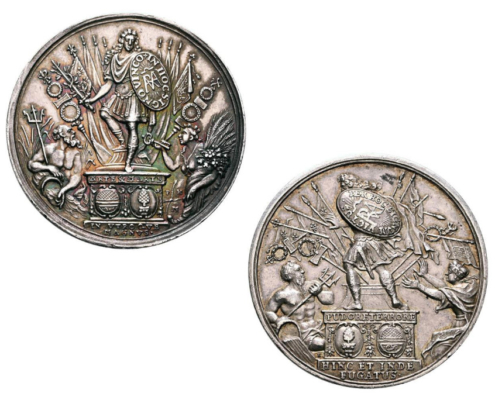
Lucie Loechel2025-05-15 10:14:562025-05-15 10:14:56Between Triumph and Tragedy – Maximilian II Emanuel, “The Prince of Bankrupts”
https://new.coinsweekly.com/wp-content/uploads/2025/05/2025KW20HA02_00.jpg
684
860
Lucie Loechel
https://new.coinsweekly.com/wp-content/uploads/2023/01/logo-coinsweekly_590x204.png
Lucie Loechel2025-05-15 10:14:562025-05-15 10:14:56Between Triumph and Tragedy – Maximilian II Emanuel, “The Prince of Bankrupts”
Certified Collectibles Group to Acquire James Spence Authentication
Certified Collectibles Group acquires the leading autograph authentication firm James Spence Authentication.
Bulgaria and the Euro: the Current Situation
The plan was for Bulgaria to become a member of the eurozone by January 2024. However, this timeline will not be met. Find out more about the state of negotiations and the motifs that will be depicted on future Bulgarian euro coins.