







Archive: People and Markets
Defamatory Attack on IADAA And Its Officers – a Response
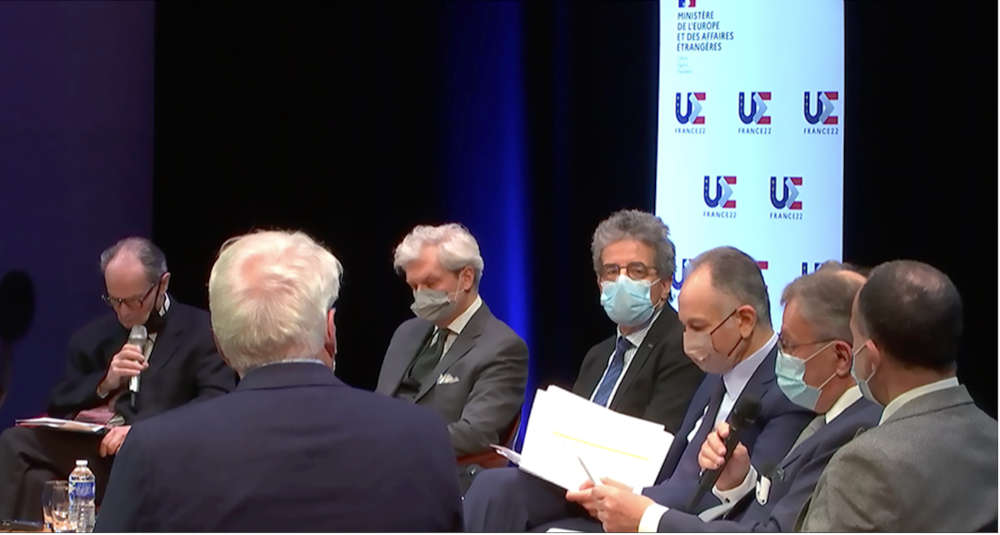
A French newspaper article claims IADAA chairman Vincent Geerling to be involved in trafficking antiquities. A close look reveals a distortion of facts – or how the journalist and the authorities simply ignored them. With consequences not only for the accused.

End of “Cash Only”? Germany Plans Right to Digital Payment
Cash will remain important in Germany – but digital payment options are set to become mandatory. Germany’s federal government is working on new regulations. Are they truly intended to offer consumers more convenience – or are they also about gaining more control over payment flows?
Archive: Coins, Medals and more
 https://new.coinsweekly.com/wp-content/uploads/2024/09/2024KW38HA_00.jpg
684
860
Ursula Kampmann
https://new.coinsweekly.com/wp-content/uploads/2023/01/logo-coinsweekly_590x204.png
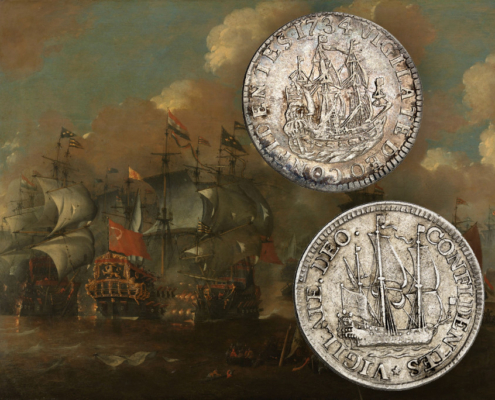
Ursula Kampmann2024-09-19 10:16:302024-09-19 11:07:49Bloody Flag and Scheepjesschelling
https://new.coinsweekly.com/wp-content/uploads/2024/09/2024KW38HA_00.jpg
684
860
Ursula Kampmann
https://new.coinsweekly.com/wp-content/uploads/2023/01/logo-coinsweekly_590x204.png
Ursula Kampmann2024-09-19 10:16:302024-09-19 11:07:49Bloody Flag and Scheepjesschelling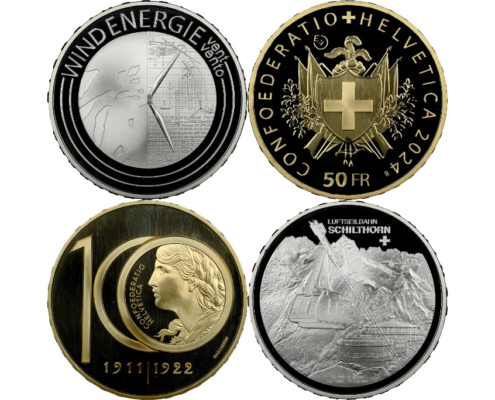 https://new.coinsweekly.com/wp-content/uploads/2024/12/2024KW49HA_00.jpg
684
860
Lucie Loechel
https://new.coinsweekly.com/wp-content/uploads/2023/01/logo-coinsweekly_590x204.png
Lucie Loechel2024-12-05 06:00:382024-12-05 13:32:34Swissmint Patterns at Numismatica Genevensis SA
https://new.coinsweekly.com/wp-content/uploads/2024/12/2024KW49HA_00.jpg
684
860
Lucie Loechel
https://new.coinsweekly.com/wp-content/uploads/2023/01/logo-coinsweekly_590x204.png
Lucie Loechel2024-12-05 06:00:382024-12-05 13:32:34Swissmint Patterns at Numismatica Genevensis SA
Bulgaria and the Euro: the Current Situation
The plan was for Bulgaria to become a member of the eurozone by January 2024. However, this timeline will not be met. Find out more about the state of negotiations and the motifs that will be depicted on future Bulgarian euro coins.
Take a Virtual Tour Through the ANA’s Americana Gallery
The Americana Gallery at the ANA Money Museum guides visitors through the history of money in the United States, with many rarities of American numismatics on display. Now, you can explore this exhibition from the comfort of your home, thanks to a newly launched virtual tour.