







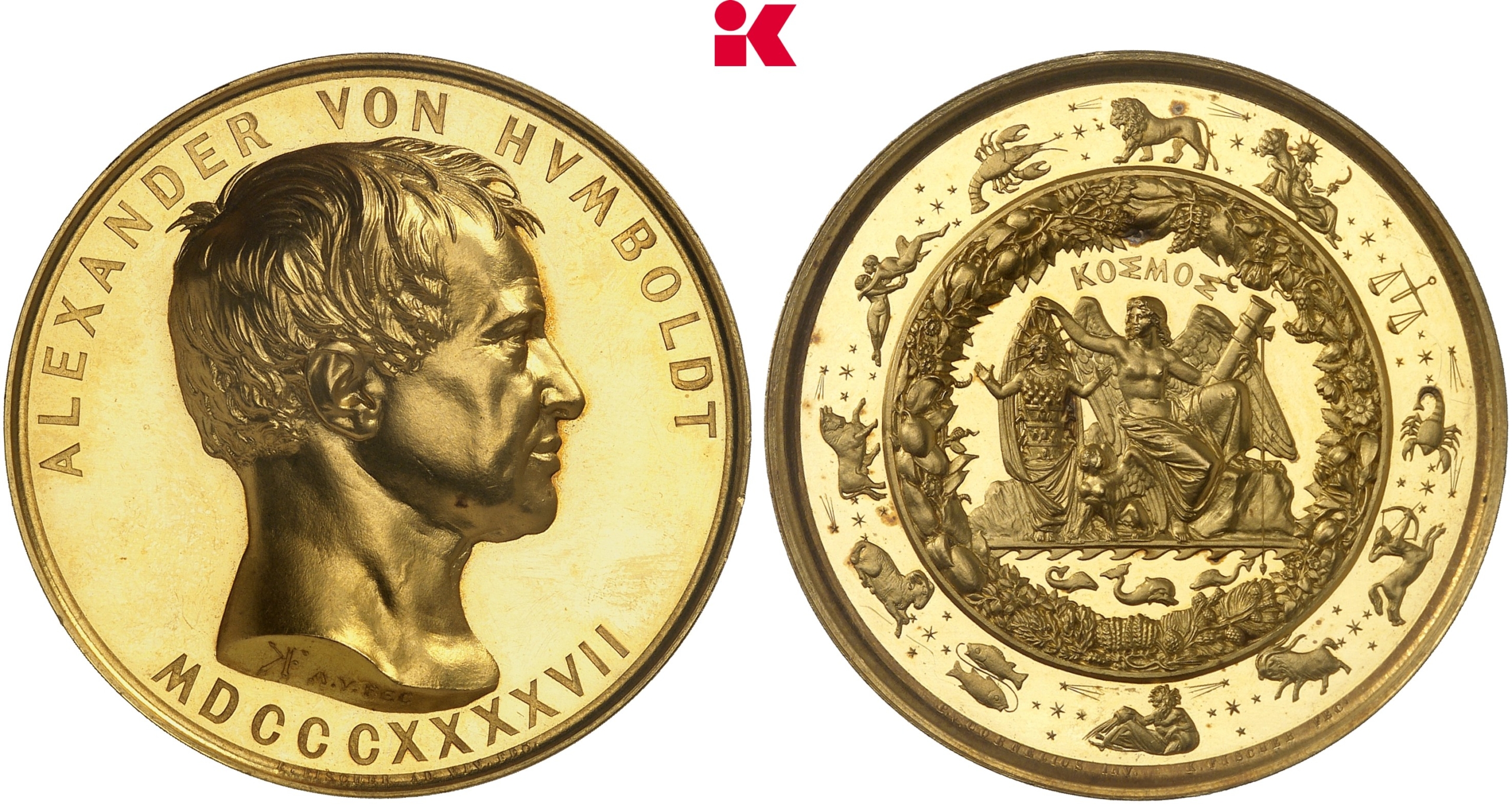
Gold medal in the weight of 50 ducats
commemorating the publication of the second volume
of Alexander von Humboldt’s *Kosmos*.
NGC MS 65 PL.
From the estate of Emperor William I.
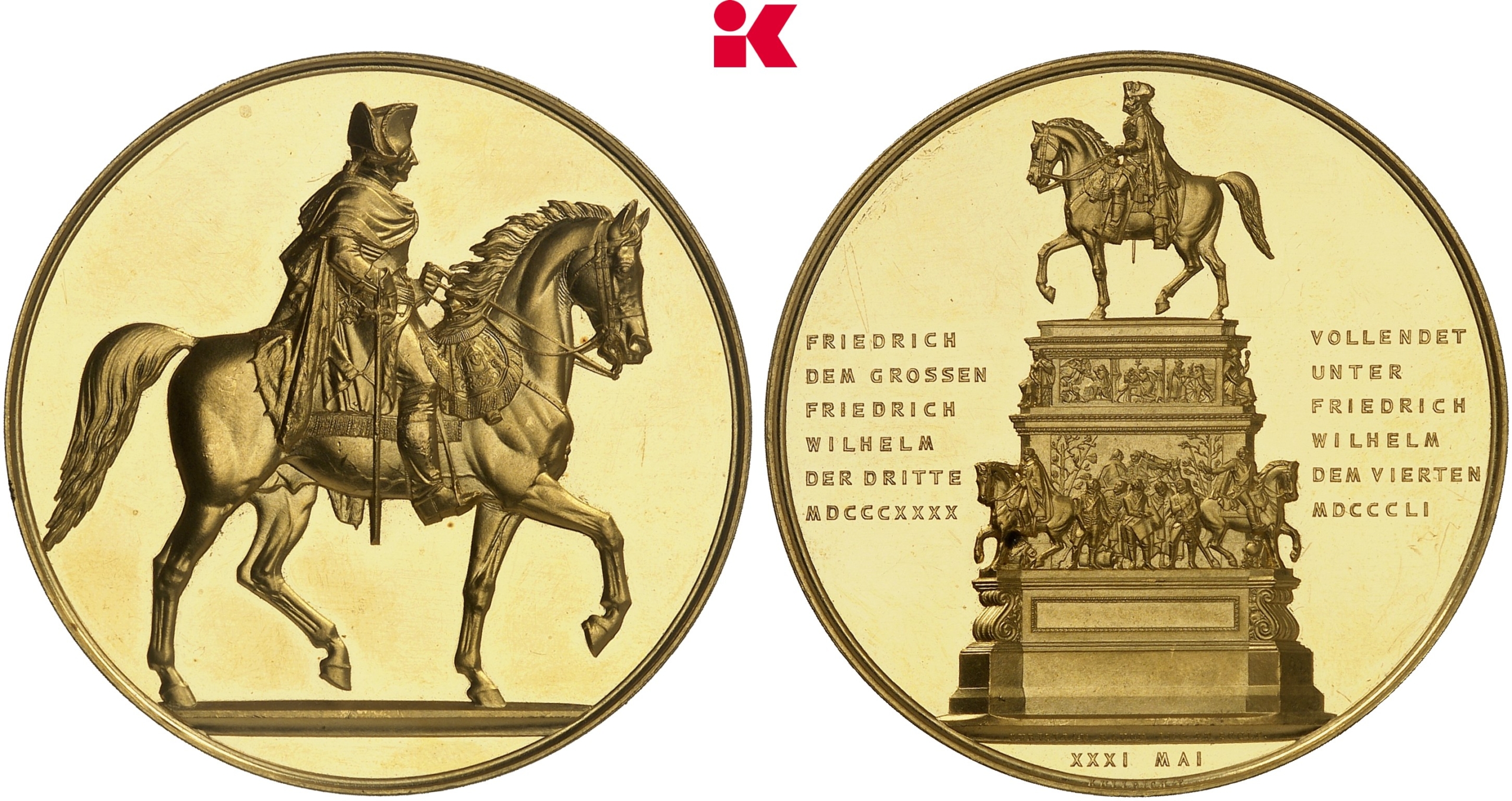
Gold medal in the weight of 50 ducats commemorating
the unveiling of the equestrian statue of
Frederick the Great on Unter den Linden in Berlin in 1851.
NGC MS 63 PL.
From the estate of Emperor William I.
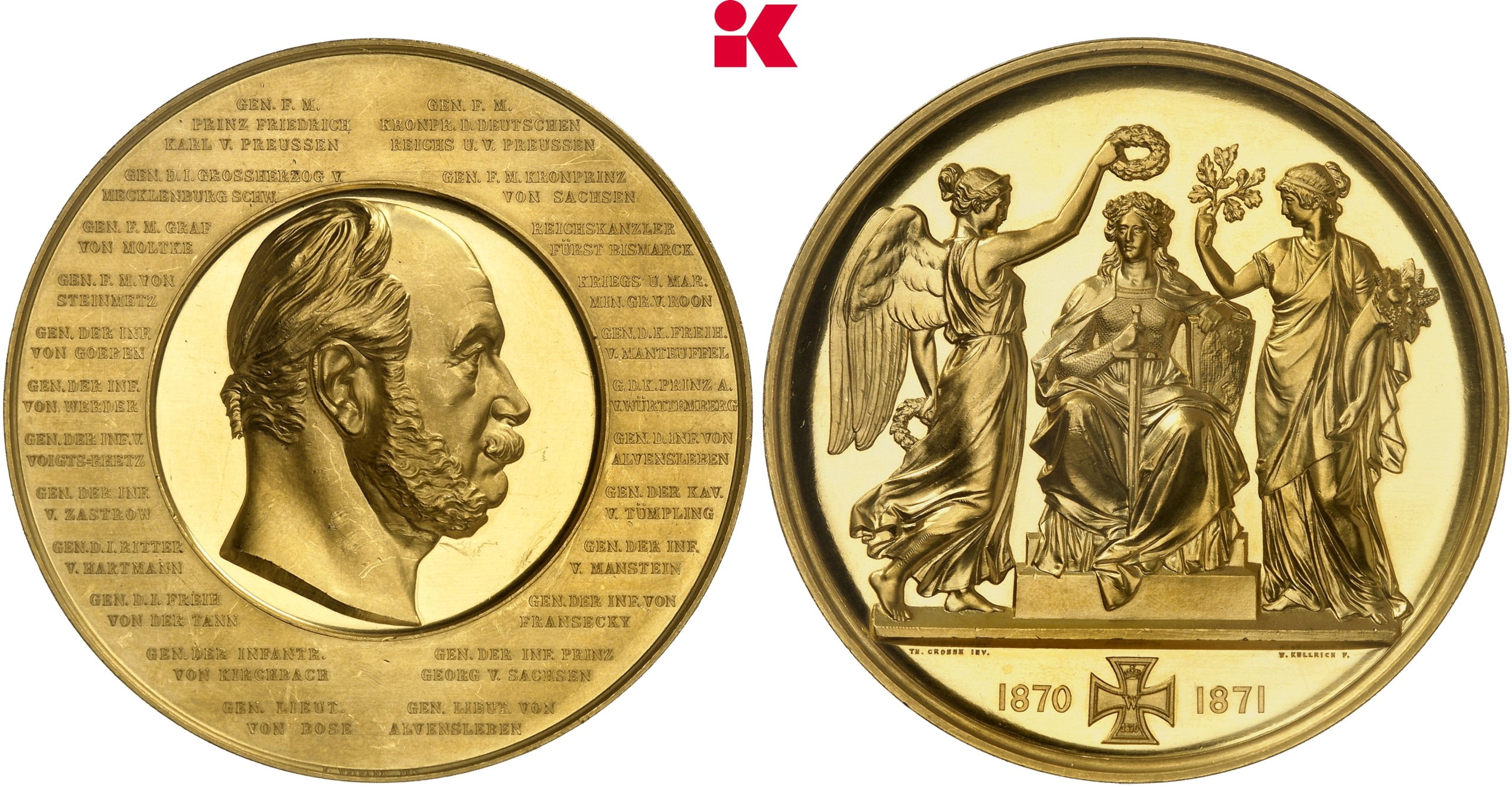
General’s Medal in the weight of 120 ducats, 1871,
commemorating the victory over France.
A magnificent specimen.
From the estate of Emperor William I.
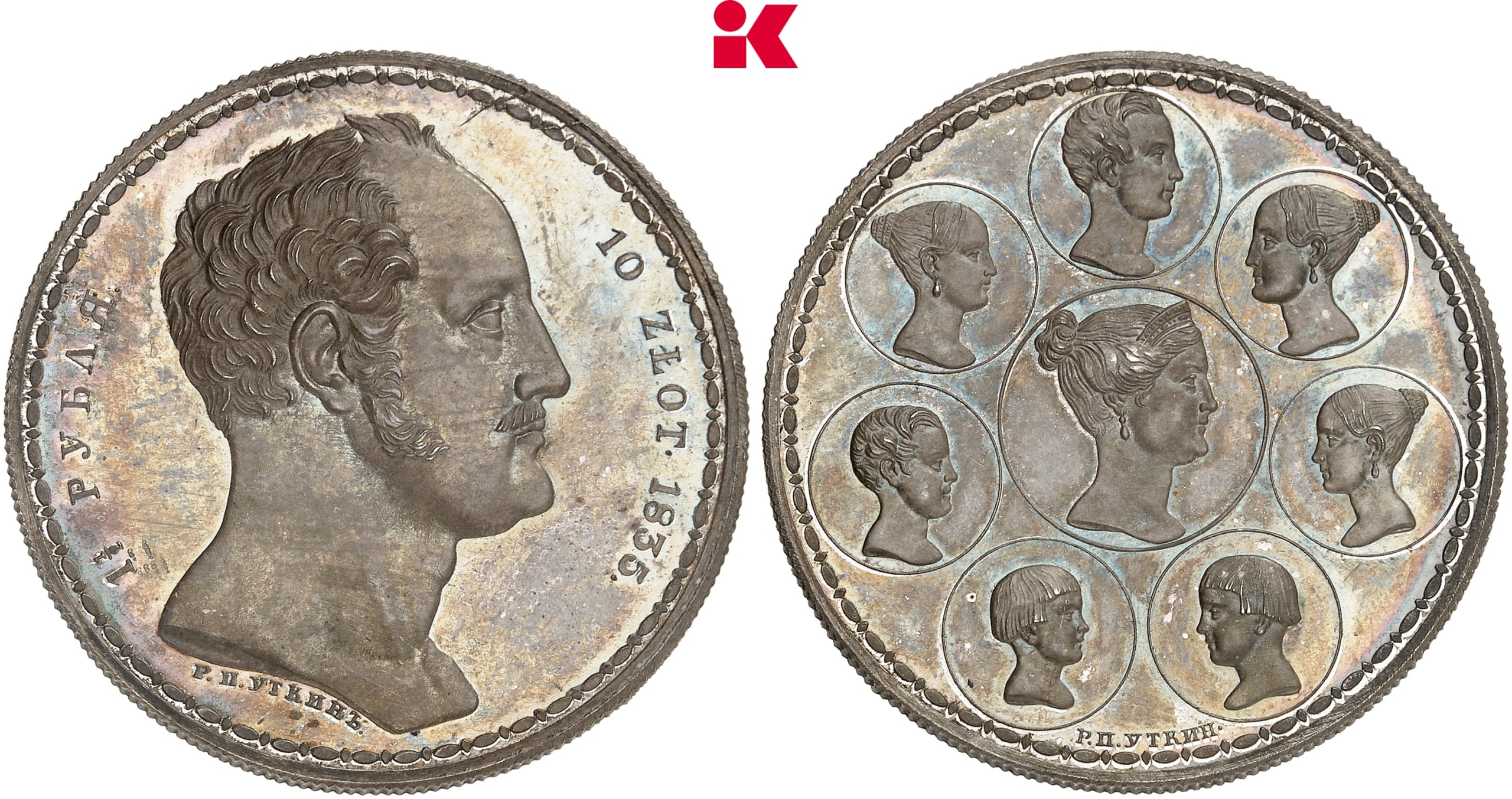
1 1/2 rubles (10 zlotys), 1835, St. Petersburg.
NGC MS 64 (Top Pop).
Only 36 examples struck.
A cabinet piece from polished dies.
From the estate of King Frederick William IV.
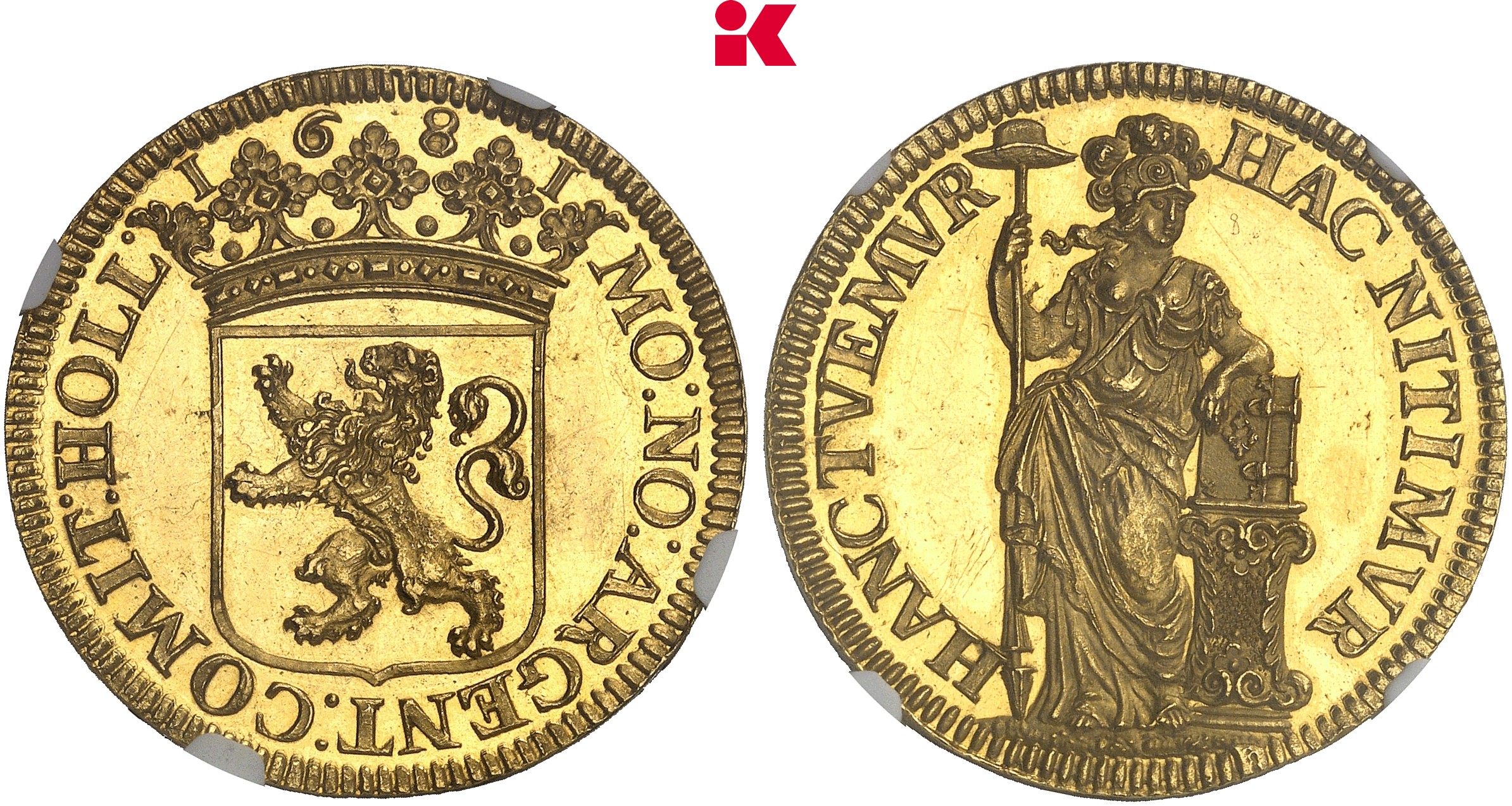
5 ducats, 1681.
Struck with the dies of a guilder.
NGC PF 64 Cameo.
Proof.
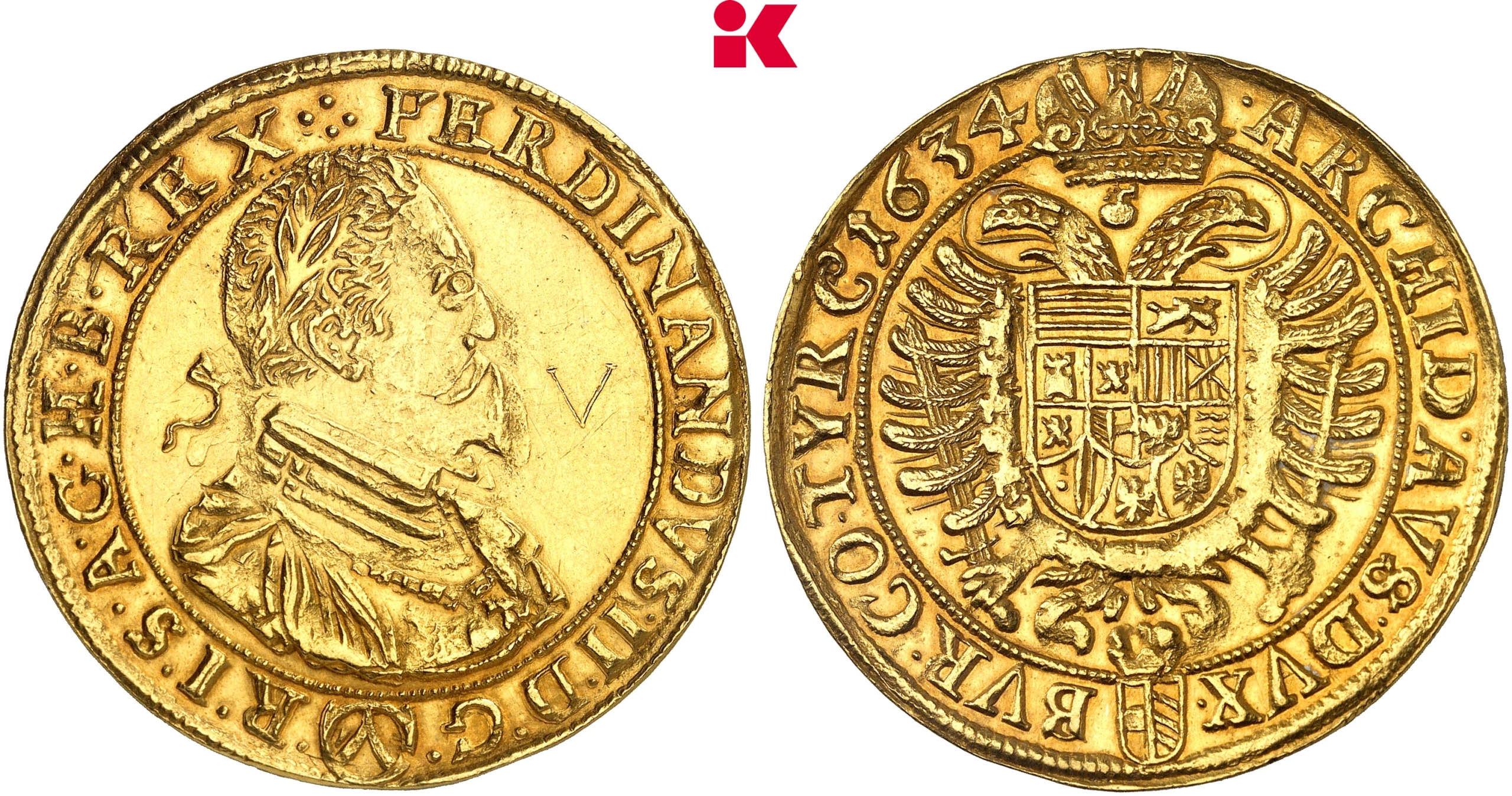
5 ducats, 1634, Vienna.
Extremely rare.
Extremely fine-uncirculated.
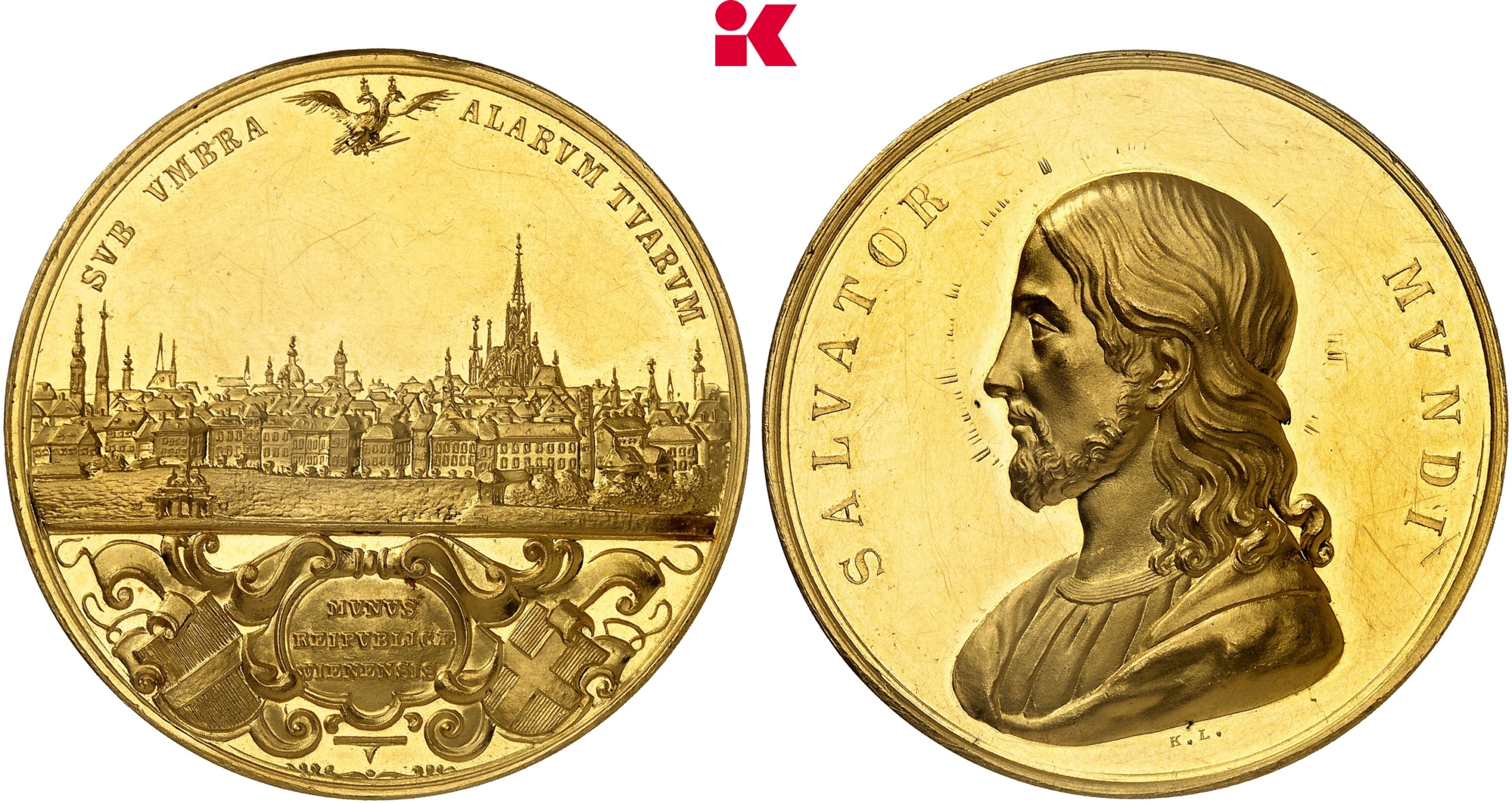
Salvator Medal in the weight of 12 ducats,
n. d.(around 1840).
NGC PF 61 CAMEO.
Proof.
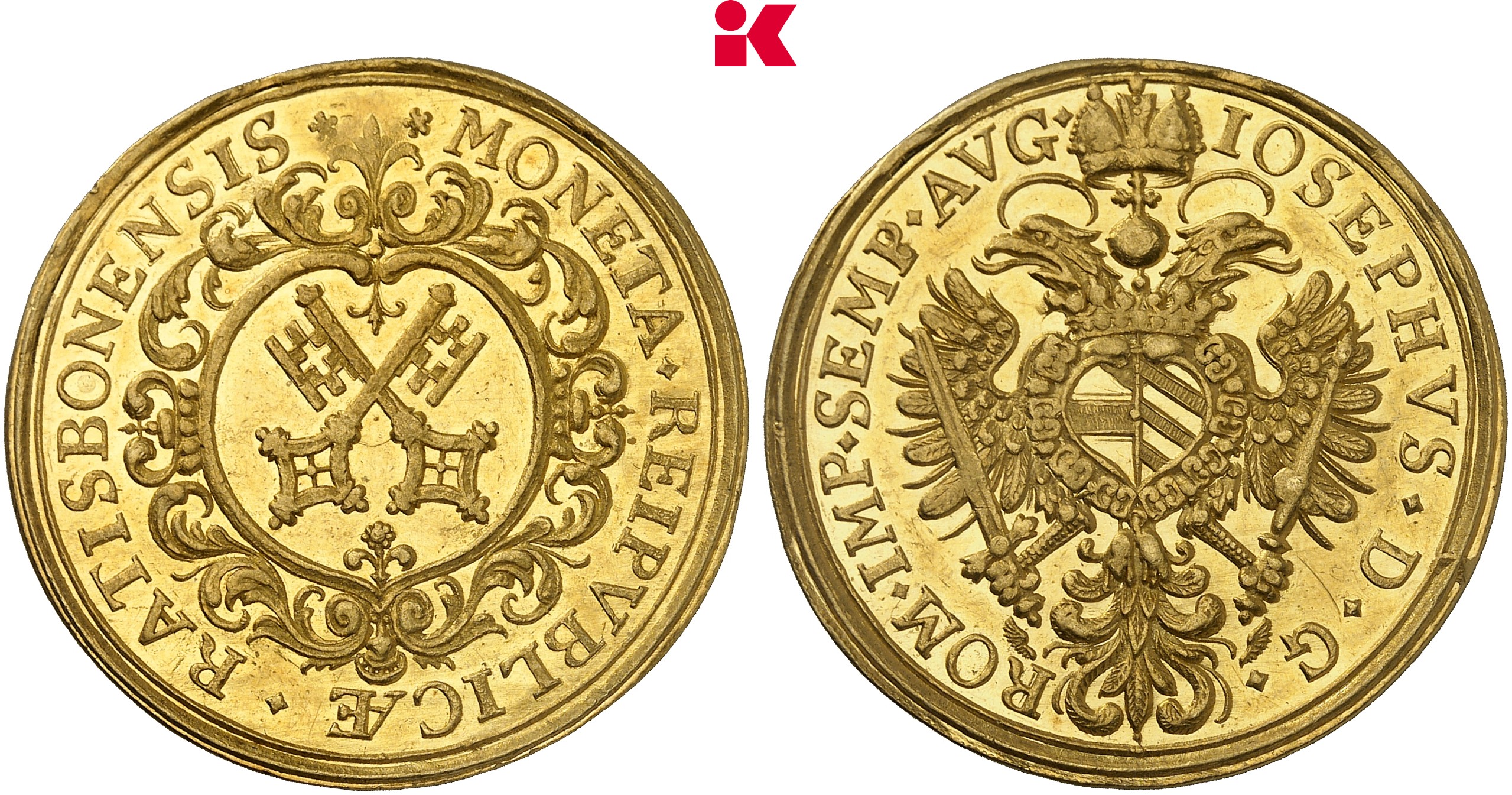
5 ducats, n. d. (1708–1710),
with the title of Joseph I. NGC MS 64.
Extremely rare. According to mint records,
only 7 copies struck.
A magnificent piece.
Archive: People and Markets
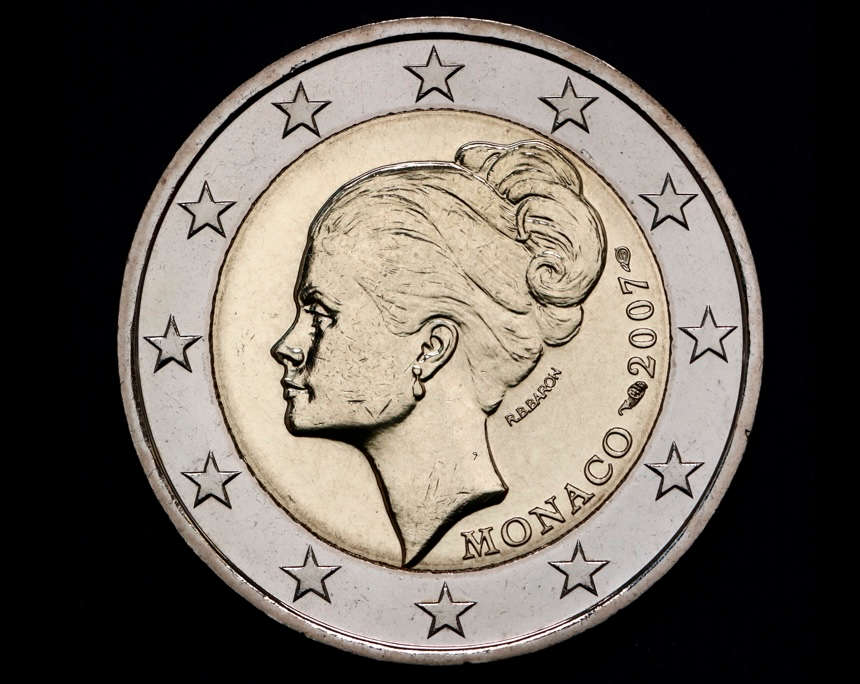
Price Decline for Monaco Euro Coins – Is the Hype Over?
For many years, Euro coins from Monaco were regarded as true treasures among collectors. The exclusive mintings from the small principality were highly sought after, with prices seemingly heading in only one direction: steeply upwards. But now that trend appears to have come to an end—why?
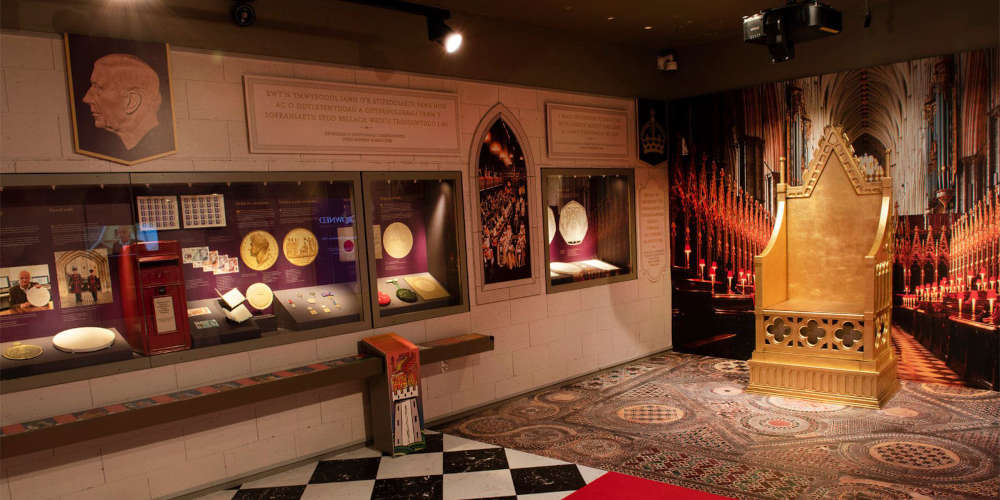
How the Royal Mint Celebrated the Coronation of King Charles III
During the Coronation Day of King Charles III the Royal Mint Experience opened a special exhibition for 24 hours. Special events and activities marked that date and visitors could strike a particular coin.
Archive: Coins, Medals and more
 https://new.coinsweekly.com/wp-content/uploads/2025/05/2025KW19HA01_00.jpg
684
860
Lucie Loechel
https://new.coinsweekly.com/wp-content/uploads/2023/01/logo-coinsweekly_590x204.png
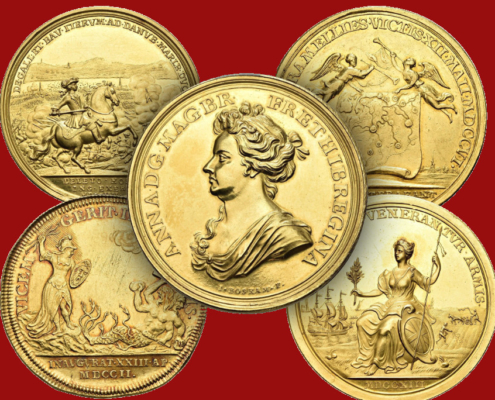
Lucie Loechel2025-05-08 10:15:222025-05-08 10:15:22Queen Anne: Great Britain on Its Way to Becoming a Global Power
https://new.coinsweekly.com/wp-content/uploads/2025/05/2025KW19HA01_00.jpg
684
860
Lucie Loechel
https://new.coinsweekly.com/wp-content/uploads/2023/01/logo-coinsweekly_590x204.png
Lucie Loechel2025-05-08 10:15:222025-05-08 10:15:22Queen Anne: Great Britain on Its Way to Becoming a Global Power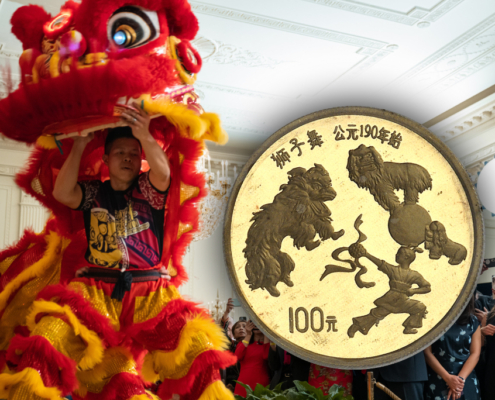 https://new.coinsweekly.com/wp-content/uploads/2024/05/2024KW18HA_00.jpg
684
860
Ursula Kampmann
https://new.coinsweekly.com/wp-content/uploads/2023/01/logo-coinsweekly_590x204.png
Ursula Kampmann2024-05-02 10:35:242024-05-02 10:35:24100 Yuan Lion Dance 1995: One of the Rarest Chinese Coins of Our Age
https://new.coinsweekly.com/wp-content/uploads/2024/05/2024KW18HA_00.jpg
684
860
Ursula Kampmann
https://new.coinsweekly.com/wp-content/uploads/2023/01/logo-coinsweekly_590x204.png
Ursula Kampmann2024-05-02 10:35:242024-05-02 10:35:24100 Yuan Lion Dance 1995: One of the Rarest Chinese Coins of Our Age
The British Museum: When Theft Becomes PR
Once again, the BM made negative headlines: Ilé Sartuzi stole a coin unnoticed during a hands-on tour and declared this an artistic performance. A commentary by Ursula Kampmann.
A Holey Dollar Returns to Toruń – An Update on the Torún Coin Theft
The Australian Federal Police have announced that they have helped return a Holey Dollar from the Toruń theft to the city’s regional museum. Here is the latest news on the theft of at least 194 coins, which is currently being tried in court.