






Archive: People and Markets
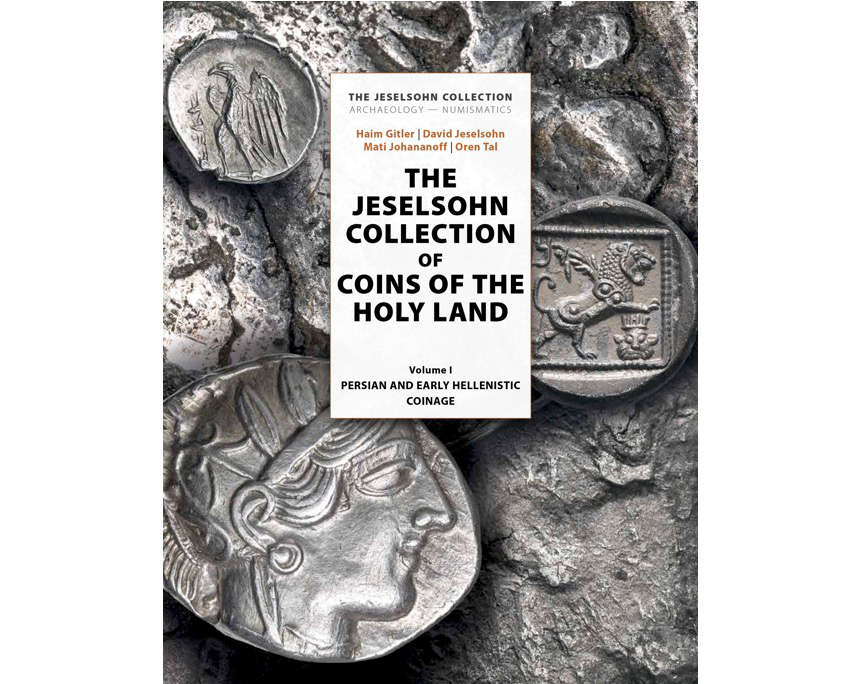
Hacksilber, Persian and Early Hellenistic Coinage from the Jeselsohn Collection
Haim Gitler, David Jeselsohn, Mati Johananoff and Oren Tal present the first volume of a series about the Jeselsohn Collection of Coins of the Holy Land, which is probably the most important collection of coins of the southern Levant. This volume covers Hacksilber, Persian and Early Hellenistic coinage.
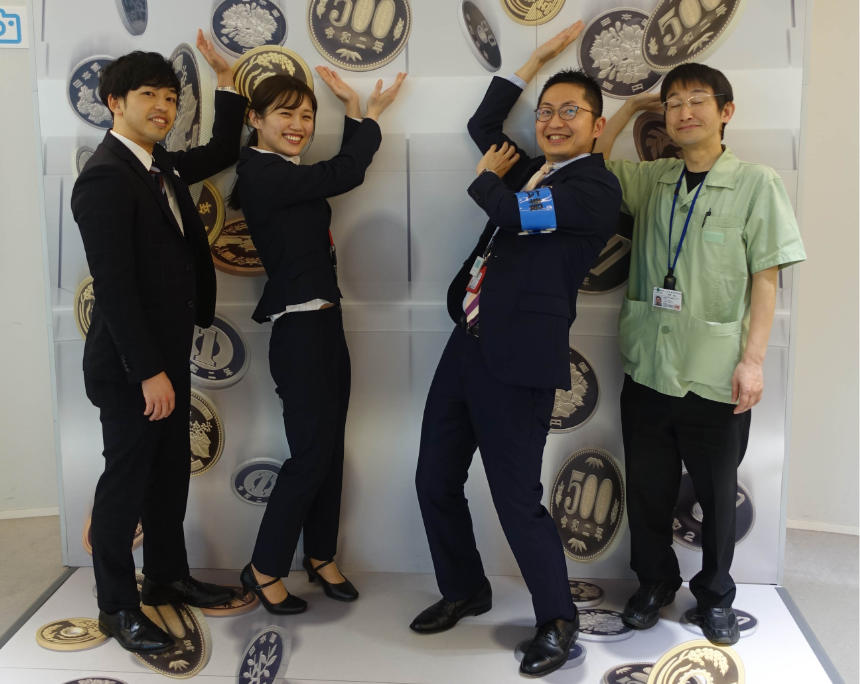
A Visit to the Japan Mint
Japan is a country where cash still plays an important role. Therefore, the Japan Mint is not a single institution but consists of several branches. Ursula Kampmann visited their offices in Saitama. Join her on a tour through the mint!
Archive: Coins, Medals and more
 https://new.coinsweekly.com/wp-content/uploads/2024/04/00-2024KW17aHauptartikel.jpeg
684
860
Sebastian Wieschowski
https://new.coinsweekly.com/wp-content/uploads/2023/01/logo-coinsweekly_590x204.png
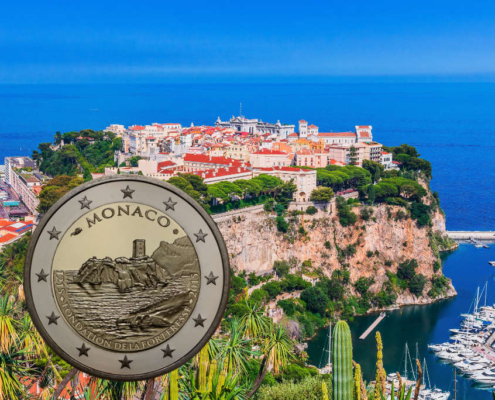
Sebastian Wieschowski2024-04-25 07:00:362024-04-25 07:52:37A Numismatic Journey Through the Principality of Monaco
https://new.coinsweekly.com/wp-content/uploads/2024/04/00-2024KW17aHauptartikel.jpeg
684
860
Sebastian Wieschowski
https://new.coinsweekly.com/wp-content/uploads/2023/01/logo-coinsweekly_590x204.png
Sebastian Wieschowski2024-04-25 07:00:362024-04-25 07:52:37A Numismatic Journey Through the Principality of Monaco https://new.coinsweekly.com/wp-content/uploads/2023/05/2023KW21HA00.jpg
750
1000
Ursula Kampmann
https://new.coinsweekly.com/wp-content/uploads/2023/01/logo-coinsweekly_590x204.png
Ursula Kampmann2023-05-25 09:00:382023-06-27 11:24:32From Taler to Mark: The Long Road to a Common Currency
https://new.coinsweekly.com/wp-content/uploads/2023/05/2023KW21HA00.jpg
750
1000
Ursula Kampmann
https://new.coinsweekly.com/wp-content/uploads/2023/01/logo-coinsweekly_590x204.png
Ursula Kampmann2023-05-25 09:00:382023-06-27 11:24:32From Taler to Mark: The Long Road to a Common Currency
The Economy Museum St. Louis Fed
Learn about the economy and currency in a fun and interactive way. Compete to make the most money in a simulated trading pit game. The Economy Museum at the St. Louis Fed offers over 100 games, exhibits, currency displays and videos. Read what expect you there.
Greysheet Launches Red Book Podcast Series
Greysheet launched The Red Book Podcast, a new online series hosted by John Feigenbaum and Jeff Garrett. The podcast delves into the rich history and fascinating stories surrounding the legendary A Guide Book of United States Coins, affectionately known as the “Red Book”.