






Archive: People and Markets

Coin Dealers Targeted by Organized Crime Groups Following Coin Show Attendances
The Numismatic Crime Information Center warns that coin dealers in the USA are being targeted by organized crime, especially after attending coin shows.

Swissmint Becomes First eCommerce Partner on Coiniverse
The numismatic smartphone application, founded by the mint of Finland and turned into an independent start-up, aims to become a marketplace for mints and coin dealers around the world.
Archive: Coins, Medals and more
 https://new.coinsweekly.com/wp-content/uploads/2025/03/0.jpg
684
860
Sebastian Wieschowski
https://new.coinsweekly.com/wp-content/uploads/2023/01/logo-coinsweekly_590x204.png
Sebastian Wieschowski2025-03-06 06:00:312025-03-06 14:32:55Women on Commemorative Coins: A Long Road to True Equality
https://new.coinsweekly.com/wp-content/uploads/2025/03/0.jpg
684
860
Sebastian Wieschowski
https://new.coinsweekly.com/wp-content/uploads/2023/01/logo-coinsweekly_590x204.png
Sebastian Wieschowski2025-03-06 06:00:312025-03-06 14:32:55Women on Commemorative Coins: A Long Road to True Equality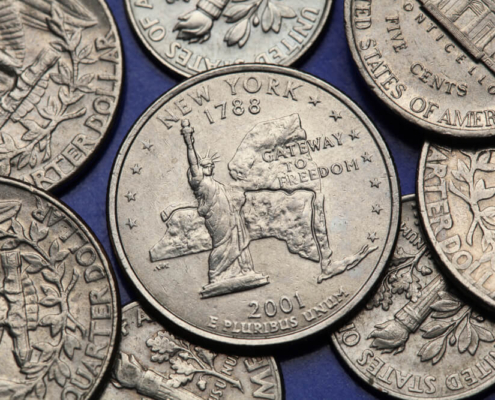 https://new.coinsweekly.com/wp-content/uploads/2023/06/00_shutterstock_235125199.jpg
667
1000
Bruno
https://new.coinsweekly.com/wp-content/uploads/2023/01/logo-coinsweekly_590x204.png
Bruno2022-06-13 12:25:292023-07-03 12:43:47Fascinating Change: The 50 State Quarters of the USA – a Milestone
https://new.coinsweekly.com/wp-content/uploads/2023/06/00_shutterstock_235125199.jpg
667
1000
Bruno
https://new.coinsweekly.com/wp-content/uploads/2023/01/logo-coinsweekly_590x204.png
Bruno2022-06-13 12:25:292023-07-03 12:43:47Fascinating Change: The 50 State Quarters of the USA – a Milestone
Two-Euro Ticker: New 2-Euro Coins in September 2024
The Federal Republic is once again stirring up the collector world with two surprising announcements. Additionally, San Marino, Slovakia, and Latvia are delighting collectors with new designs.
Aquileia: A Centre of the Late Roman Empire
Under the Tetrarchs, Rome lost its position as the main residence of the emperor. Other sites with a more favourable strategic location took over this role. One of them was Aquileia. Those who visit the city today will find traces of Roman civilisation everywhere. Join Ursula Kampmann on her numismatic discovery tour!