






Archive: People and Markets
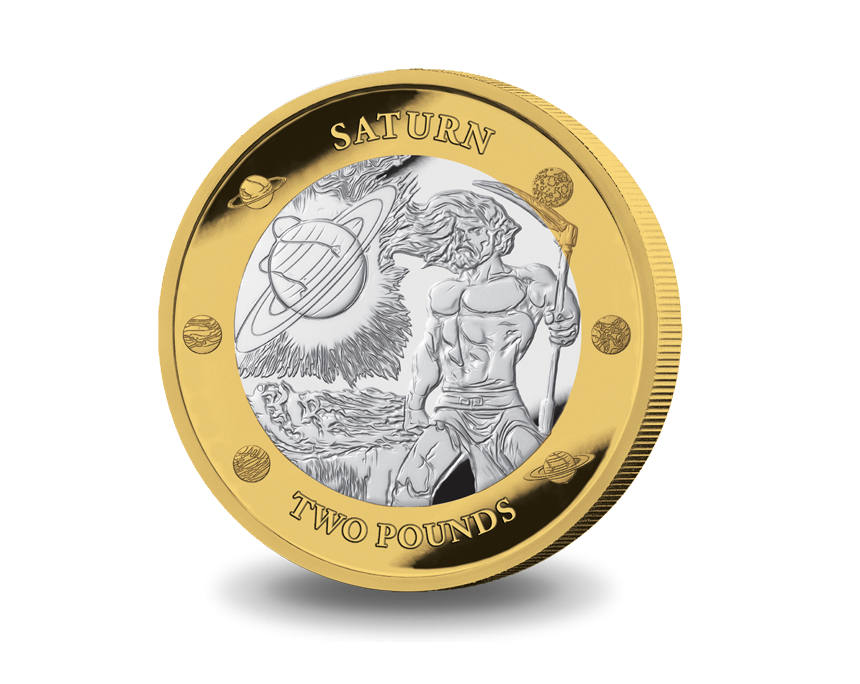
Pobjoy’s Glacier Series: Saturn
In 2023, Pobjoy Mint has started a six-coin series dedicated to the Antarctic glaciers. The fourth issue features the Saturn Glacier.
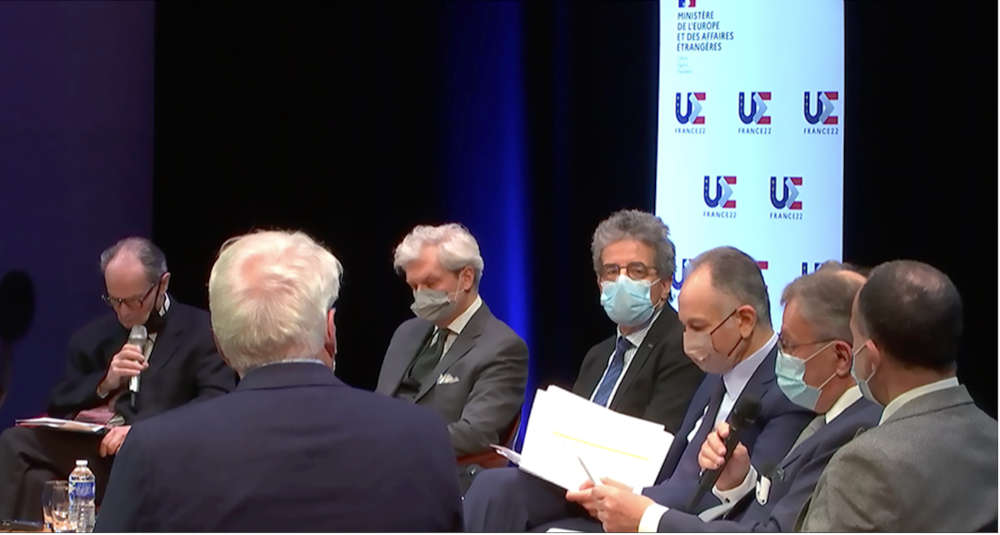
Defamatory Attack on IADAA And Its Officers – a Response
A French newspaper article claims IADAA chairman Vincent Geerling to be involved in trafficking antiquities. A close look reveals a distortion of facts – or how the journalist and the authorities simply ignored them. With consequences not only for the accused.
Archive: Coins, Medals and more
 https://new.coinsweekly.com/wp-content/uploads/2024/06/2024KW23HA_00.jpg
684
860
Ursula Kampmann
https://new.coinsweekly.com/wp-content/uploads/2023/01/logo-coinsweekly_590x204.png
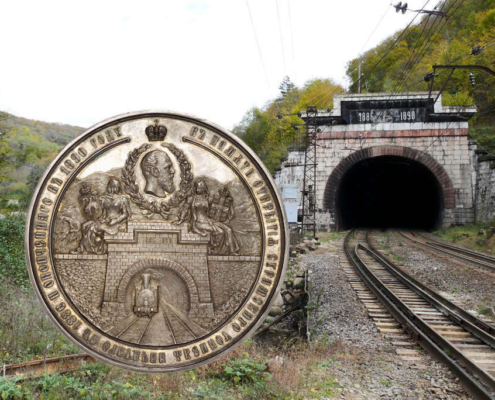
Ursula Kampmann2024-06-06 10:42:582024-06-06 12:38:59For Railroad Fans: The Suram Tunnel
https://new.coinsweekly.com/wp-content/uploads/2024/06/2024KW23HA_00.jpg
684
860
Ursula Kampmann
https://new.coinsweekly.com/wp-content/uploads/2023/01/logo-coinsweekly_590x204.png
Ursula Kampmann2024-06-06 10:42:582024-06-06 12:38:59For Railroad Fans: The Suram Tunnel https://new.coinsweekly.com/wp-content/uploads/2025/06/00-5.jpg
684
860
Lucie Loechel
https://new.coinsweekly.com/wp-content/uploads/2023/01/logo-coinsweekly_590x204.png
Lucie Loechel2025-06-05 08:00:262025-06-05 08:29:19Farewell to the Penny: (No) Impact on Numismatics?
https://new.coinsweekly.com/wp-content/uploads/2025/06/00-5.jpg
684
860
Lucie Loechel
https://new.coinsweekly.com/wp-content/uploads/2023/01/logo-coinsweekly_590x204.png
Lucie Loechel2025-06-05 08:00:262025-06-05 08:29:19Farewell to the Penny: (No) Impact on Numismatics?
These Are The Winners of the International Coin Design Competition 2022
Japan Mint annually awards the best works received for the International Coin Design Competition. This year the war against Ukraine is topic of the most excellent work.
CIT’ Numismatic Icons – Leon
CIT is releasing the sixth issue in its successful Numismatic Icons series. It reinterprets the early tetradrachms of the Sicilian city of Leontinoi. The impressive motif of a lion’s head – ‘leon’ in Greek – has always made these coins unique.