











Archive: People and Markets
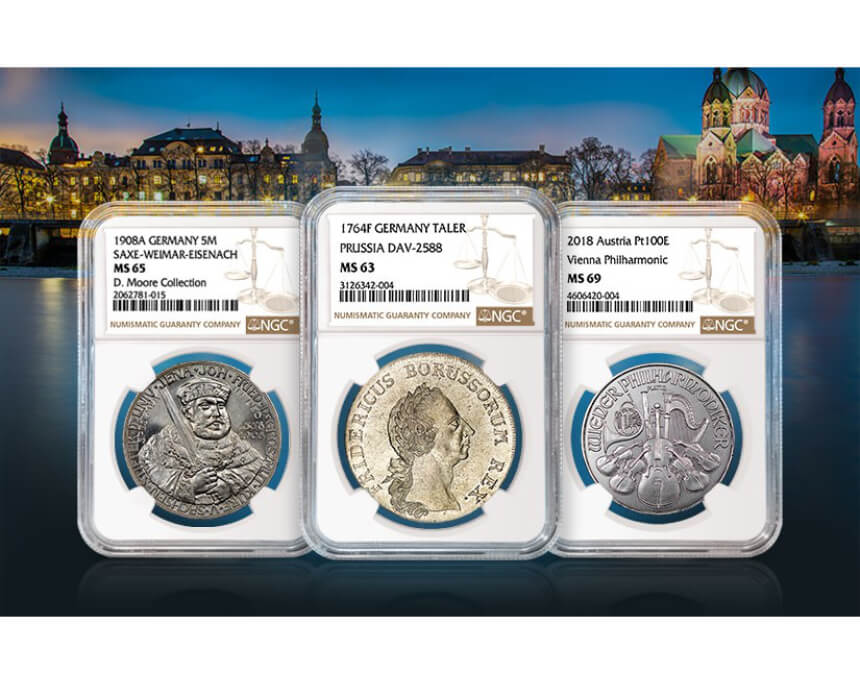
NGC Grading On-site in Munich in February
For the first time since 2019, NGC will be carrying out on-site coin grading at its office in Munich in February. Collectors and dealers have the opportunity to submit their treasures for grading at the World Money Fair in Berlin.

Joe Cribb is the 2023 Derek Allen Prize Winner
Joe Cribb is a well-known specialist in the monetary history of Asia. For his outstanding contribution to the discipline of numismatics, the British numismatist has been awarded the 2023 Derek Allen Prize by the British Academy.
Archive: Coins, Medals and more
 https://new.coinsweekly.com/wp-content/uploads/2024/05/2024KW22HA_00.jpg
684
860
Ursula Kampmann
https://new.coinsweekly.com/wp-content/uploads/2023/01/logo-coinsweekly_590x204.png
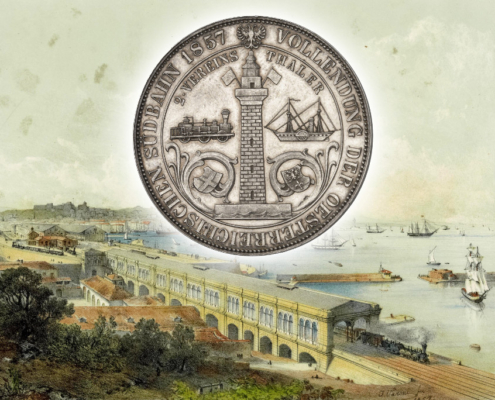
Ursula Kampmann2024-05-29 09:00:582024-05-29 15:18:10A Commemorative Coin Celebrating the Completion of Austria’s Southern Railway
https://new.coinsweekly.com/wp-content/uploads/2024/05/2024KW22HA_00.jpg
684
860
Ursula Kampmann
https://new.coinsweekly.com/wp-content/uploads/2023/01/logo-coinsweekly_590x204.png
Ursula Kampmann2024-05-29 09:00:582024-05-29 15:18:10A Commemorative Coin Celebrating the Completion of Austria’s Southern Railway https://new.coinsweekly.com/wp-content/uploads/2025/01/2025KW05HA01_00.jpg
684
860
Lucie Loechel
https://new.coinsweekly.com/wp-content/uploads/2023/01/logo-coinsweekly_590x204.png
Lucie Loechel2025-01-29 10:30:092025-01-30 07:13:21Record! South African Rarity Leaves All Previous Top Prices Far Behind
https://new.coinsweekly.com/wp-content/uploads/2025/01/2025KW05HA01_00.jpg
684
860
Lucie Loechel
https://new.coinsweekly.com/wp-content/uploads/2023/01/logo-coinsweekly_590x204.png
Lucie Loechel2025-01-29 10:30:092025-01-30 07:13:21Record! South African Rarity Leaves All Previous Top Prices Far Behind
Join the First International Numismatic Alliance Conference!
The first edition of the International Numismatic Alliance Conference (INAC) will be held on May 26th. This free and open for everyone online event wants to offer a new unique opportunity for everyone to delve into the fascinating world of numismatics.
NICAC Raises Concerns Over 2026 World Cup Commemorative Coins
The Numismatic Industry Coinage Advisory Committee (NICAC) released a report expressing concerns with legislation authorizing the minting of coins commemorating the 2026 FIFA World Cup. This gives us a fascinating insight into what happens behind the scenes when a coin is issued for a major sporting event.