











Archive: People and Markets
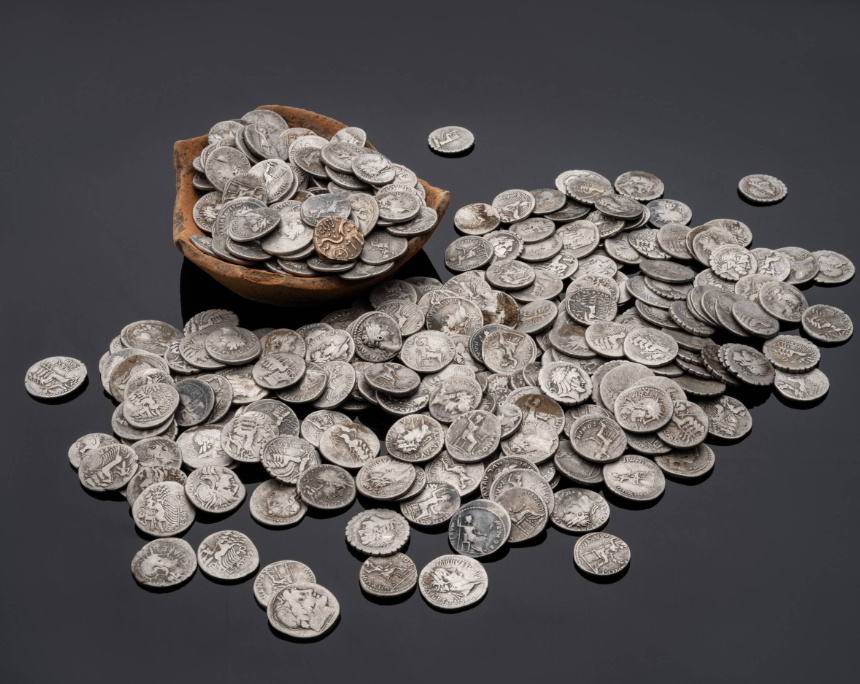
A Coin Hoard from the Time of the Roman Conquest of Britain
The newly discovered Worcestershire Conquest Hoard is the largest hoard from the reign of Nero ever discovered in Britain. Worcestershire Heritage, Art & Museums has launched a fundraising campaign to acquire the 1,368 Iron Age and Roman coins for the county.
ANA Money Museum Offers Free Classes for Children
The ANA offers opportunities for kids to learn about money through free activities at the Money Museum in Colorado Springs.
Archive: Coins, Medals and more
 https://new.coinsweekly.com/wp-content/uploads/2023/10/2023KW41HA_00.jpg
684
860
Ursula Kampmann
https://new.coinsweekly.com/wp-content/uploads/2023/01/logo-coinsweekly_590x204.png
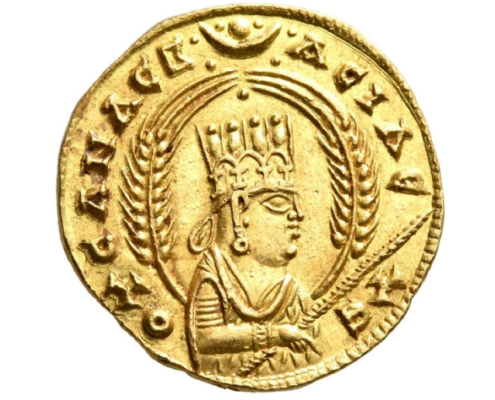
Ursula Kampmann2023-10-12 12:33:032023-10-12 14:04:09An Introduction to Axumite Coinage
https://new.coinsweekly.com/wp-content/uploads/2023/10/2023KW41HA_00.jpg
684
860
Ursula Kampmann
https://new.coinsweekly.com/wp-content/uploads/2023/01/logo-coinsweekly_590x204.png
Ursula Kampmann2023-10-12 12:33:032023-10-12 14:04:09An Introduction to Axumite Coinage https://new.coinsweekly.com/wp-content/uploads/2024/08/2024KW35HA_00.jpg
684
860
Sebastian Wieschowski
https://new.coinsweekly.com/wp-content/uploads/2023/01/logo-coinsweekly_590x204.png
Sebastian Wieschowski2024-08-29 08:00:232024-08-29 09:45:04Marks and Pfennigs in Your Inheritance: What Should Heirs Do with Old DM Coins?
https://new.coinsweekly.com/wp-content/uploads/2024/08/2024KW35HA_00.jpg
684
860
Sebastian Wieschowski
https://new.coinsweekly.com/wp-content/uploads/2023/01/logo-coinsweekly_590x204.png
Sebastian Wieschowski2024-08-29 08:00:232024-08-29 09:45:04Marks and Pfennigs in Your Inheritance: What Should Heirs Do with Old DM Coins?
A Historic Unique Piece Offered for Shared Ownership – A Model for the Future?
A US coin dealer is offering co-ownership shares in a top rarity: shareholders can even choose their desired piece of a rare $100,000 gold certificate.
ICOMON Annual Conference 2024 – Call for Papers
ICOMON is looking for presentations for their annual conference 2024, which will be held in Stockholm. One topic that will be particularly in focus is Cross-Organization Collaborations. Abstracts can be submitted until 31 January 2024.