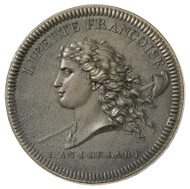
Human faces, part 44: Flight to Varennes
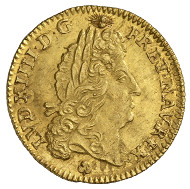
Why was the human head the motif on coins for centuries, no, for millennia? And why did that change in the last 200 years? In this episode, Louis XVI tries to escape his death in vain.
Possessing colonies with vast resources of silver, Spanish king Philip II could have helped his kingdom to enormous economic prosperity. But even the largest treasure of silver could not realise Philip’s power-hungry fantasy of proselytizing half of Europe.
Why was the human head the motif on coins for centuries, no, for millennia? And why did that change in the last 200 years? John the Baptist paid for his convictions with his head. The Florentines honour his courage on their coinage.
“The Virgin Queen” is certainly the most well-known epithet of Elizabeth I. We thought, however, that “Queen of the Pirates” would be equally befitting as English privateers belong to Elizabeth’s story just as much as her virginity.
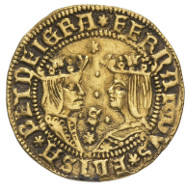
Why was the human head the motif on coins for centuries, no, for millennia? And why did that change in the last 200 years? Find out why the Houses of Anjou and Aragón fought for Sicily and how Ferdinand of Aragón cleverly used coins for propagandistic purposes in this episode.
Why does this coin feature both the Pope and the trademark of an influential merchant family? This coin, portraying Julius II and the Fugger family business, illustrates that economy and religion always have and always will go hand in hand.
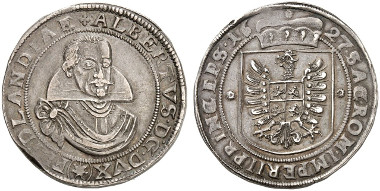
Being a Free Imperial City proved fatal for Augsburg during the Thirty Years’ War. This episode discusses the disastrous effects of the war on the city’s economic situation.
That reality and depictions of reality are two different things is a lesson we already learnt in the episode on Constantine the Great. On this coin, the image of the Doge in his pompous attire belies a reality in which he hardly holds any power anymore.
On April 14, 2016, the 5 euro coins “Planet Earth” will be released. The number of orders exceeds the mintage. For all those who came away empty-handed we have a view inside the Karlsruhe Mint where a portion of the mintage was produced.
Why was the human head the motif on coins for centuries, no, for millennia? And why did that change in the last 200 years? In today’s episode, we’ll tell you the story of an Italian prince who admired Hercules so much that he named his son after him.
We are the bridge connecting the international numismatic world. Our readers include collectors, professional coin dealers and researchers, as well as all those involved in coin production. We are read in 170 countries! We provide you with information on everything you want to know about the subject of money – from antiquity to the present day. And much more...
Follow us
You need to load content from reCAPTCHA to submit the form. Please note that doing so will share data with third-party providers.
More InformationYou are currently viewing a placeholder content from Facebook. To access the actual content, click the button below. Please note that doing so will share data with third-party providers.
More InformationYou are currently viewing a placeholder content from Instagram. To access the actual content, click the button below. Please note that doing so will share data with third-party providers.
More InformationYou are currently viewing a placeholder content from X. To access the actual content, click the button below. Please note that doing so will share data with third-party providers.
More Information