




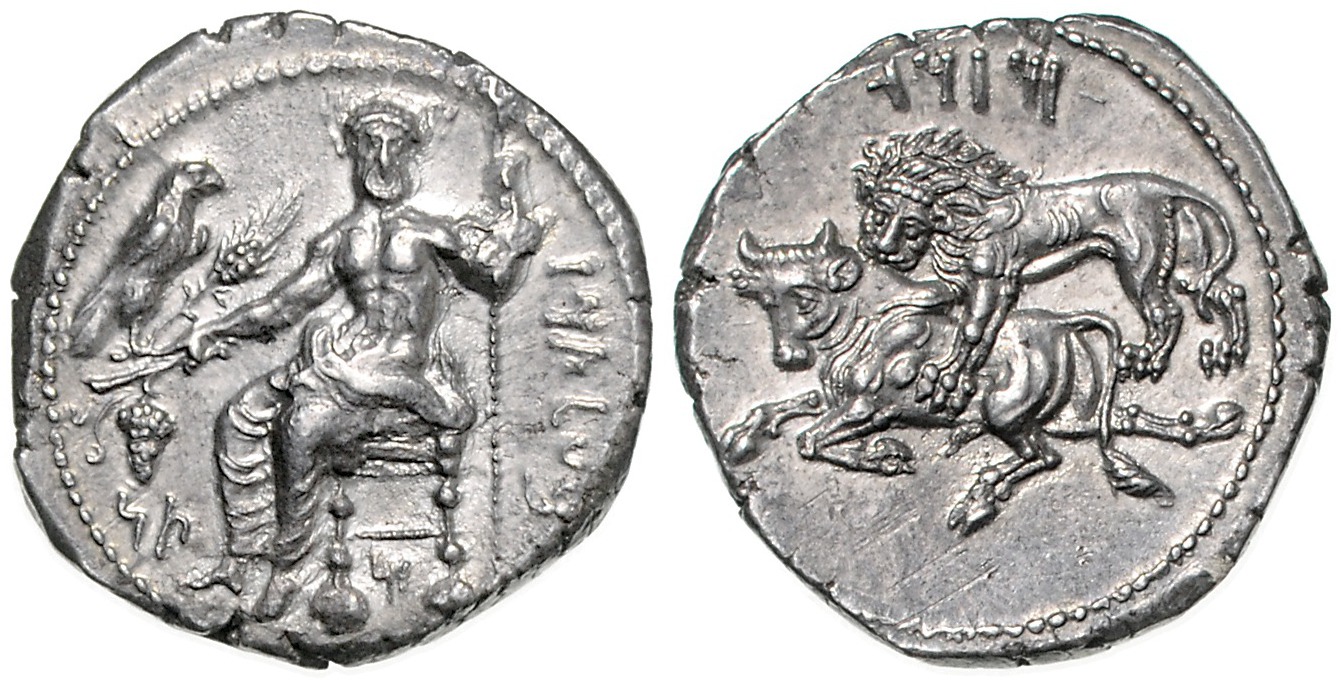
Persian satrap Mazzaios.
AR Stater (361-334 BC)
with Baal of Tarsus.
Condition: ef.
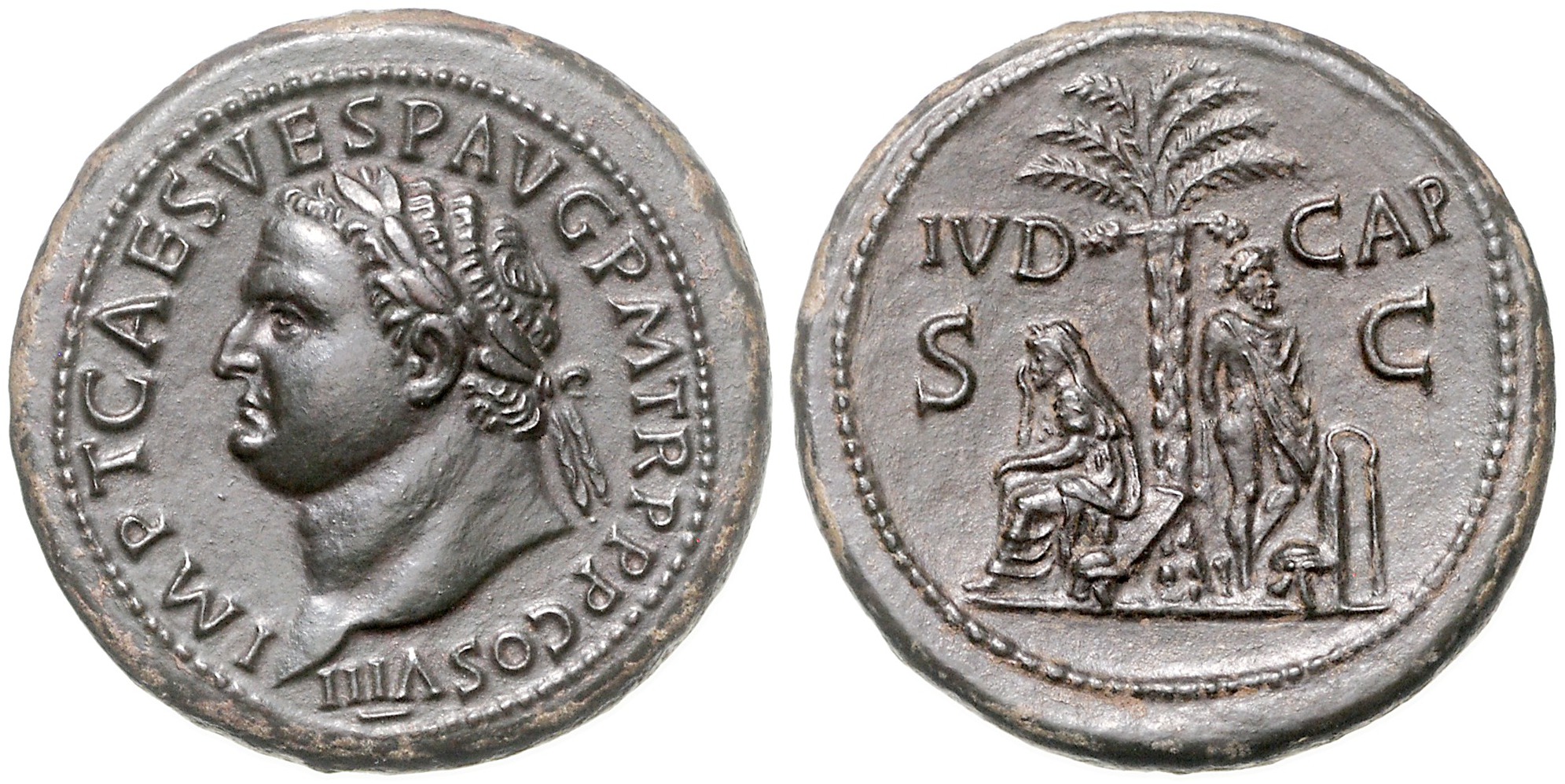
AE Sestertius (AD 80–81), Rome.
"Judaea Capta" type.
Condition: rare, ef.
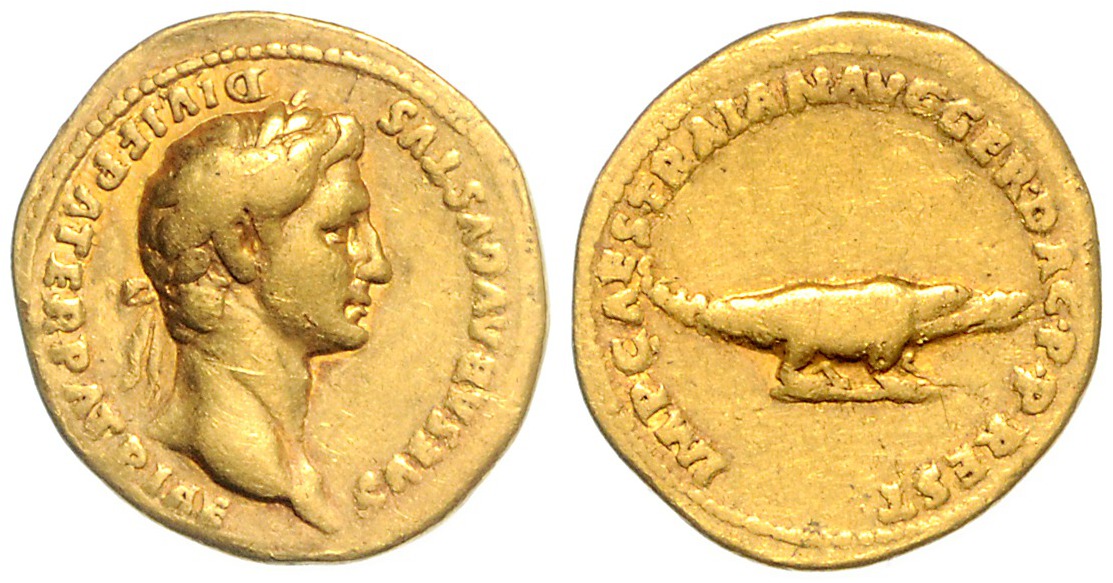
AV Aureus (AD 107–113), Rome.
Restitution issue honoring Augustus.
Condition: extremely rare, near vf.
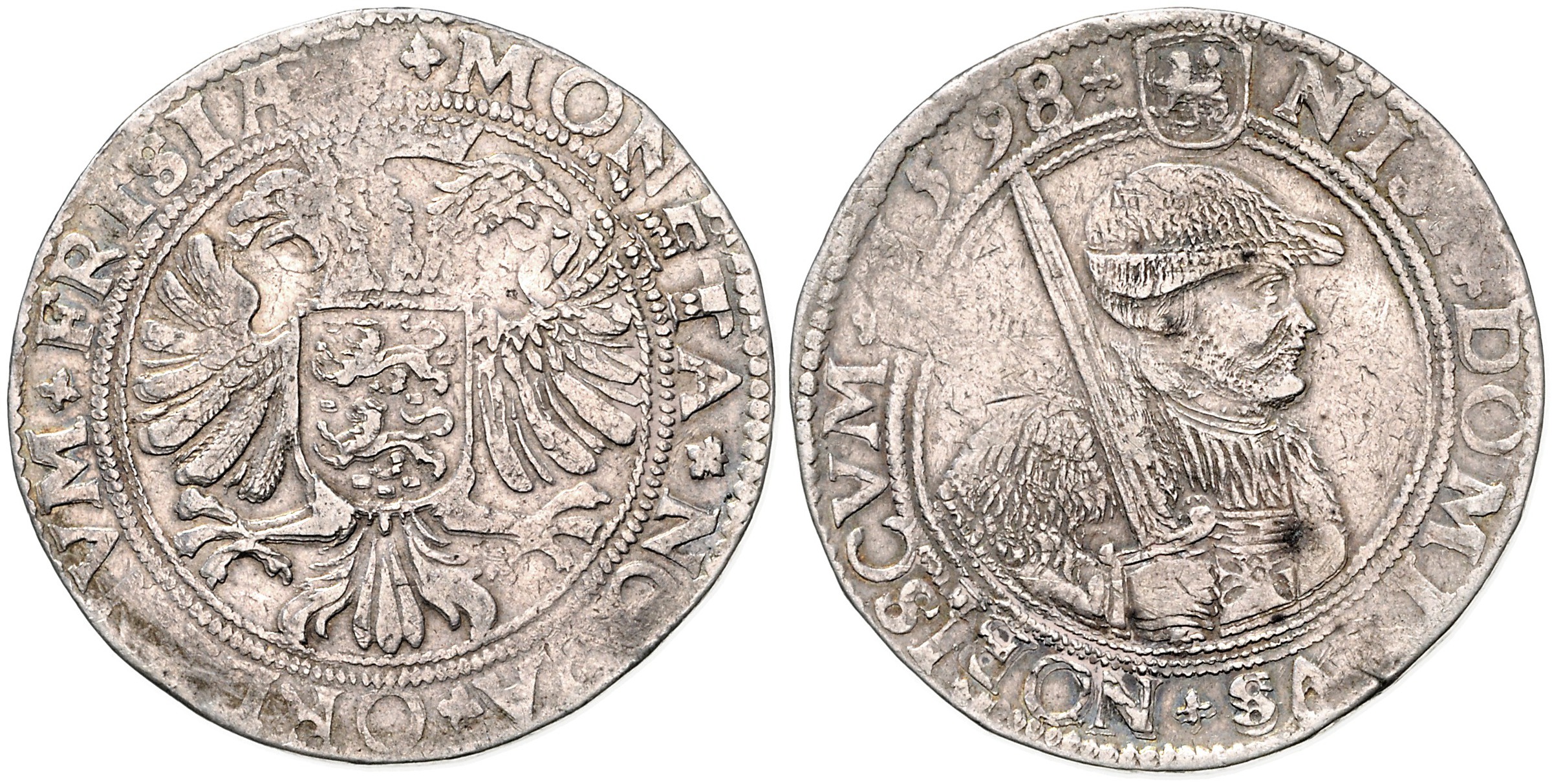
Arendsrijksdaalder (Eagle Rixdollar), 1598.
Condition: very rare, vf.
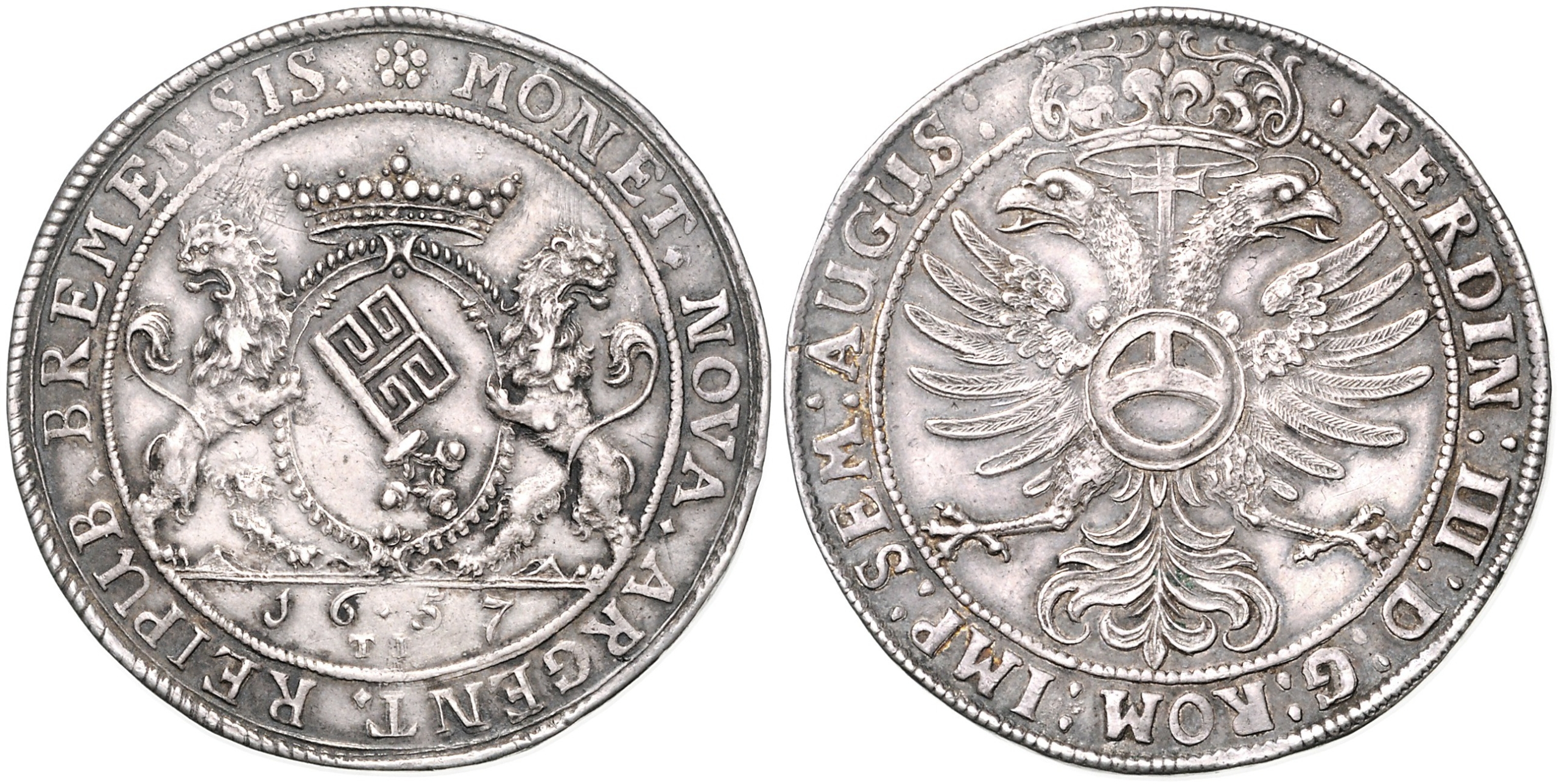
Thaler, 1657.
Bearing the title of Ferdinand III.
Condition: near ef/ef.
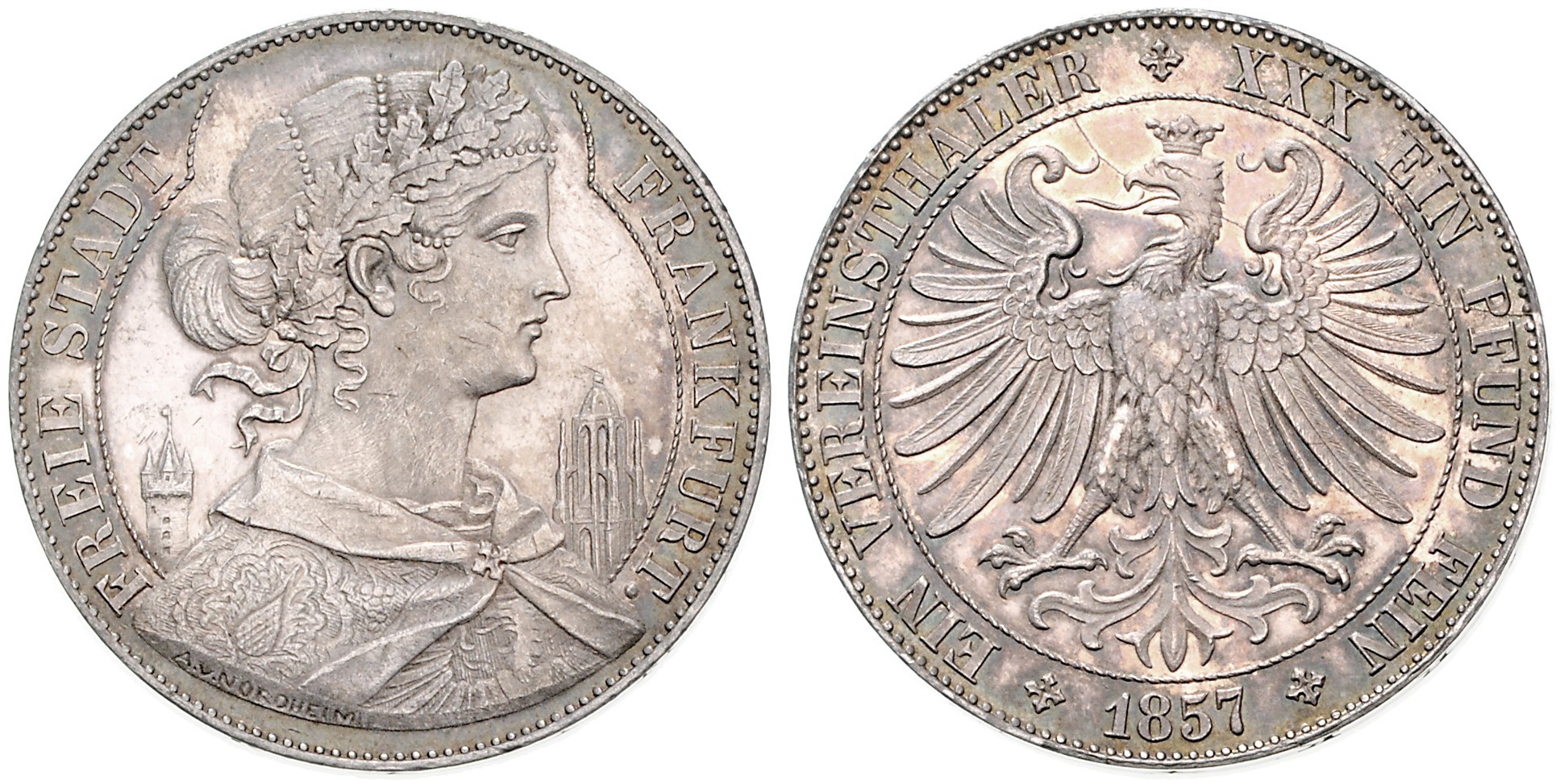
Vereinstaler 1857.
Condition: attr. piece, first strike.
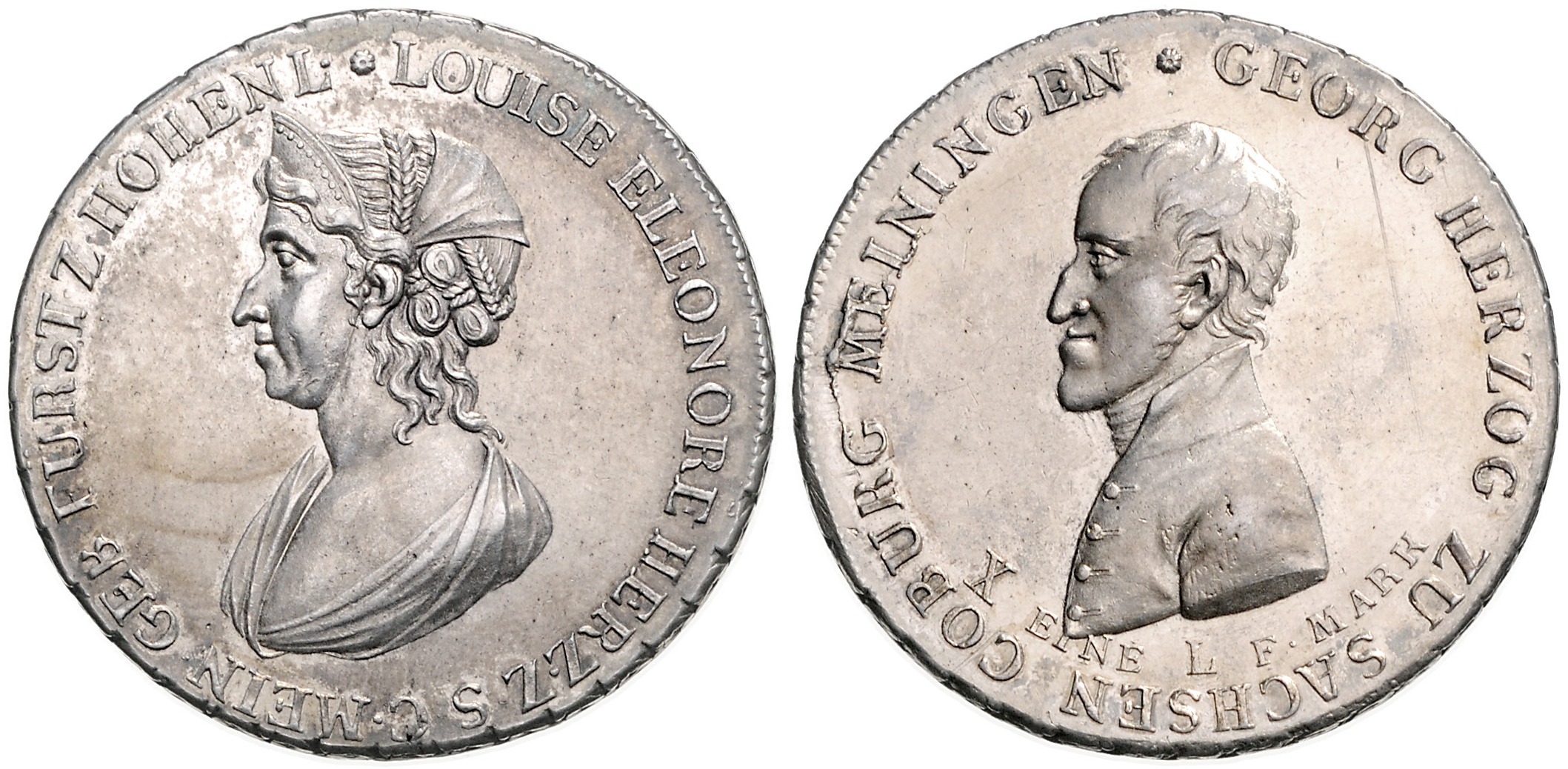
Convention thaler, n.d. (after 1803),
issued on the death of Duke Georg.
Condition: extremely rare, unc.
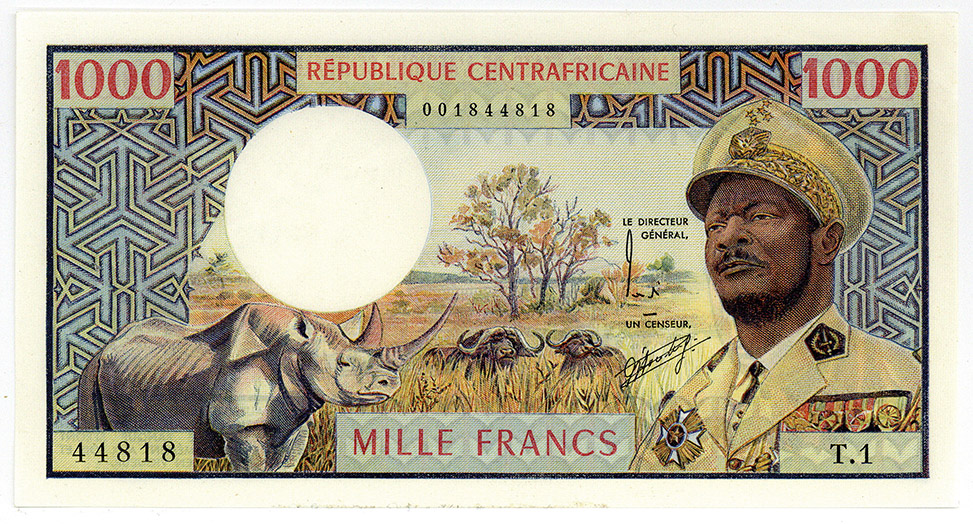
Banque des États de l'Afrique Centrale,
1000 francs 1974.
Condition: I-.
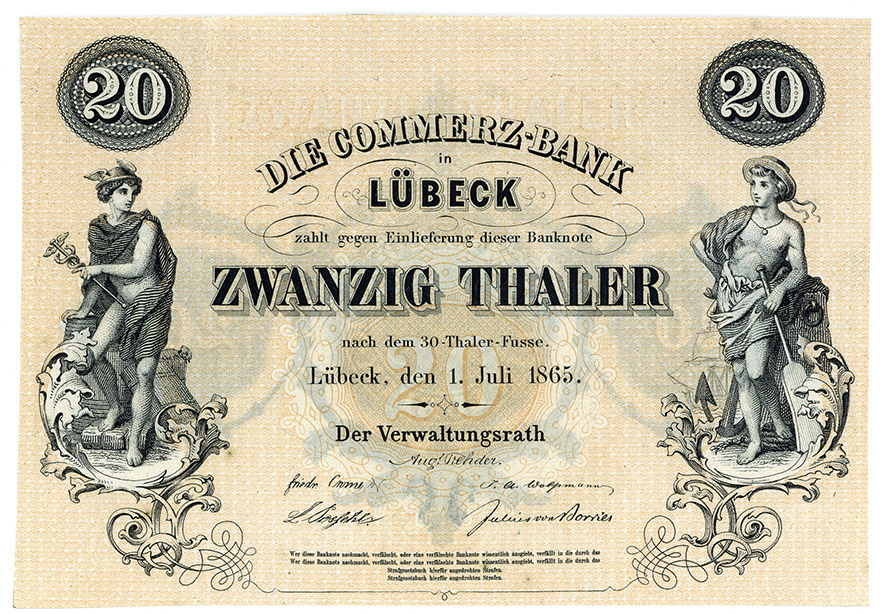
French History in Coins – Part 3: A New Napoleon
written by Aila de la Rive, by courtesy of the MoneyMuseum, translated by Maike Meßmann
With a turnout of more than 80 per cent, Louis Bonaparte – the nephew of Napoleon Bonaparte – was elected President of the Republic in December 1848. But after having staged a coup d’état, Louis first had himself made president for life, and a year later he had himself proclaimed Emperor of the French as Napoleon III.
Content
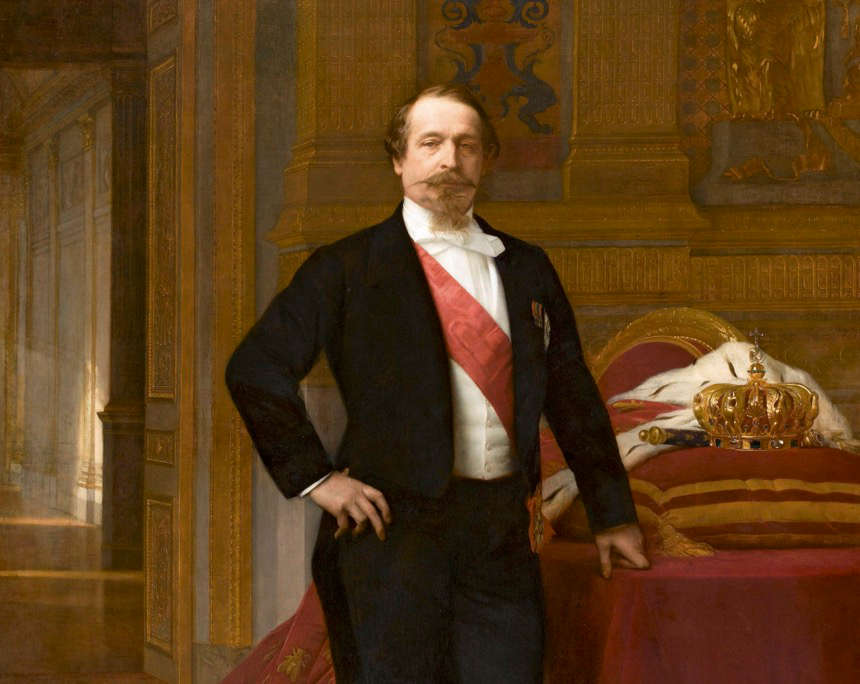
Napoleon III, painting by Alexandre Cabanel, around 1865. It was the favourite portrait of Empress Eugénie because it was the most accurate depiction of him.
The New Napoleon
The new Emperor of the French had high ambitions: France was finally to become a leading power in Europe again. At first, Napoleon III set about renewing his capital – the picturesque but hygienically inadequate old town of Paris was almost completely demolished and rebuilt. And Napoleon began to rebuild France as a whole. The Second Empire brought economic prosperity to the country at home and an enormous gain in power and prestige abroad.
By a stroke of luck, Napoleon III’s rise to power coincided with a major turnaround of the economic situation. Gold discoveries in California and Australia spurred the world market and stable price levels provided entrepreneurs with new incentives to invest. By the end of the Second Empire, the total value of industrial production in France had doubled: it was thus higher than the output of all countries on the European continent combined. The French cotton production was the second-largest in Europe after England’s.
Economic prosperity was closely connected to the development of banks, which granted loans on an unprecedented scale – for example, Crédit Lyonnais was founded in 1863, an institution that quickly became one of France’s largest and most profitable banks. Savers started to bring their money to financial institutions instead of hoarding it under their mattresses; this enabled banks to contribute significantly to France’s national growth.
The Second Empire was an era of impressive riches: banks, steamships, railways and factories represented a stock and bond capital of 20 billion francs – money in the hands of 183 financiers.
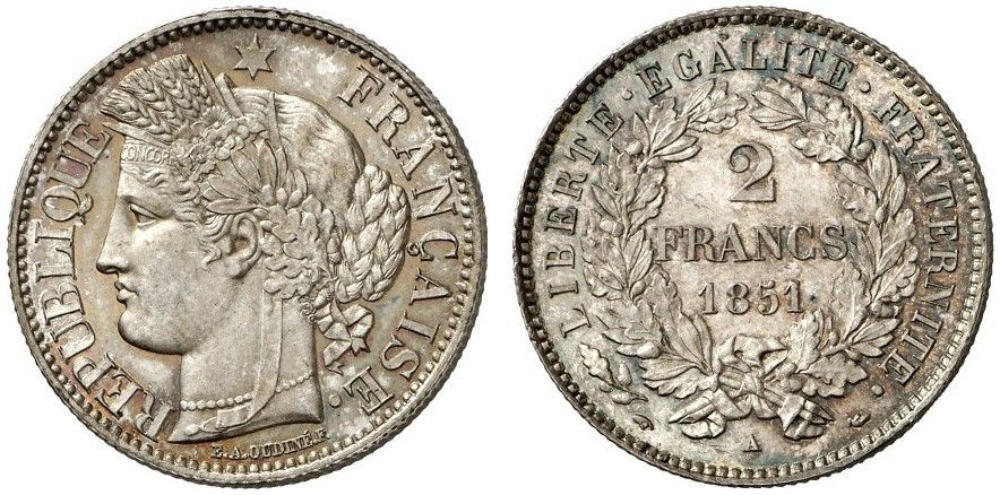
Second French Republic. Louis Napoléon Bonaparte (1848–1852). 2 francs, 1851, Paris. From Künker auction 255 (2014), lot No. 4529.
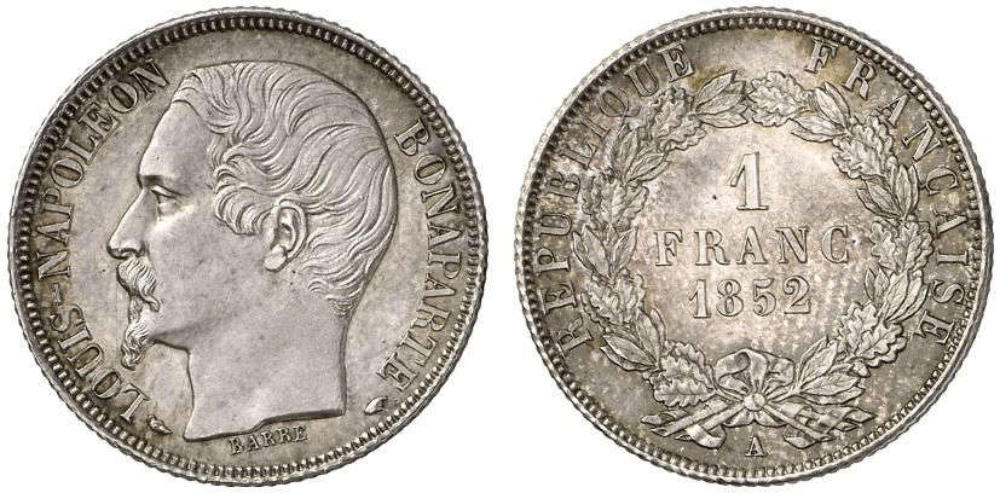
Second French Republic. Louis Napoléon Bonaparte (1848–1852). 1 franc, 1852, Paris. From Künker auction 190 (2011), lot No. 3735.
A Republican Interlude
According to the 1848 constitution, Louis Napoléon was elected for a single term of four years. But the president had no intentions of giving up his office that quickly. In December 1851, he dissolved parliament in a coup d’état and adopted a new French constitution: the president was now elected for ten years. Coin designs were immediately adapted. From then on, the obverse no longer depicted fertility-giving Ceres but the head of the president and his name. The legend “REPUBLIQUE FRANÇAISE” was transferred to the reverse.
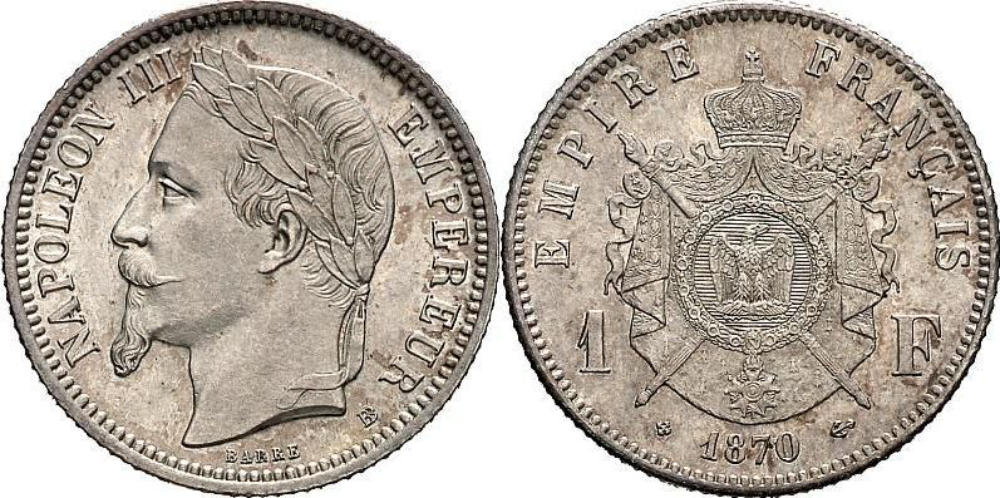
Kingdom of France. Napoleon III. 1 franc, 1870, Strasbourg. From Künker auction 110 (2006), lot No. 3100.
The Founding of the Latin Monetary Union
Due to the discovery of large gold deposits in California as of 1848 and in Australia starting in 1851 – the time of the Gold Rush –, gold became much more affordable and drove silver money out: all of a sudden, it made sense to melt down silver coins and to sell the silver at the current rate. This trade in silver caused exchange rates to fluctuate and encouraged currency speculation among the countries that minted their coins based on the value of the franc – France, Belgium, Italy and Switzerland. All silver coins, from the ¼-franc to the 2-franc piece, disappeared from circulation – which resulted in a severe shortage of small change.
Under these circumstances, the Latin Monetary Union was founded in Paris in December 1865. Its members were all those countries that had adopted the franc as their currency; in 1868, Greece also joined the Union. The silver and gold coins of all member states had the same size and precious metal content, and they could circulate throughout the Union as legal tender. The silver content of all coins with lower denominations than 5 francs was reduced, making it no longer profitable to melt them down.
The idea of a monetary union was welcomed with open arms: Spain, Romania, Serbia, Bulgaria and Finland introduced currencies based on the franc system in the following years; many nations in Central and South America also minted coins according to the standards of the Monetary Union, at least for some time – and of course the colonies of the member countries did so as well. However, the number of members of the Latin Monetary Union remained limited to the five European countries. The Union operated until the First World War; but it was not until 1927 that the first modern attempt at harmonising the European coinage system was officially abandoned.
In the next part, you will find out how France became the second-largest colonial power in the world.

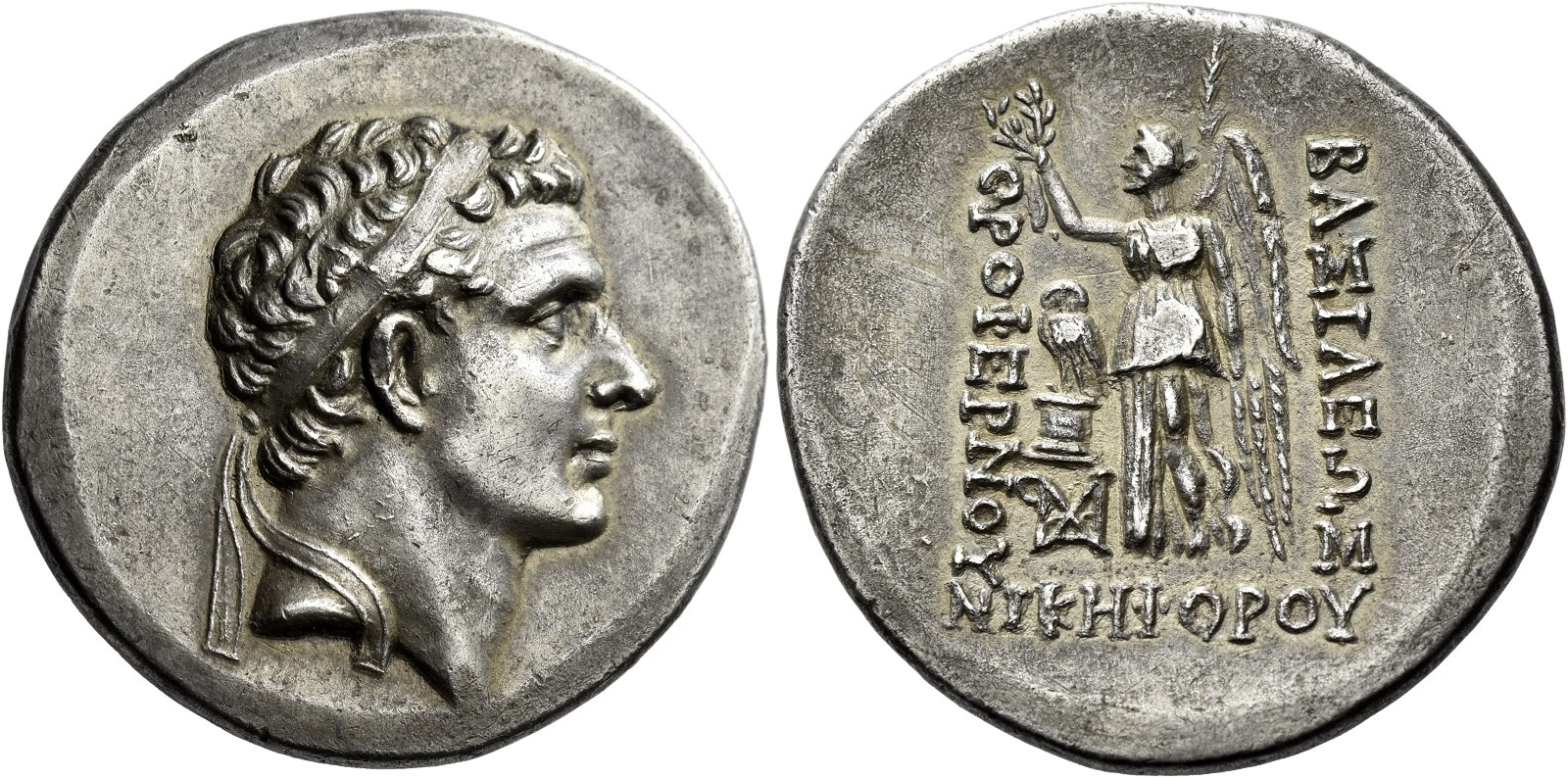
Orophernes usurper circa 160-156.
Tetradrachm, Priene circa 160-156,
AR 32 mm, 16.53 g.
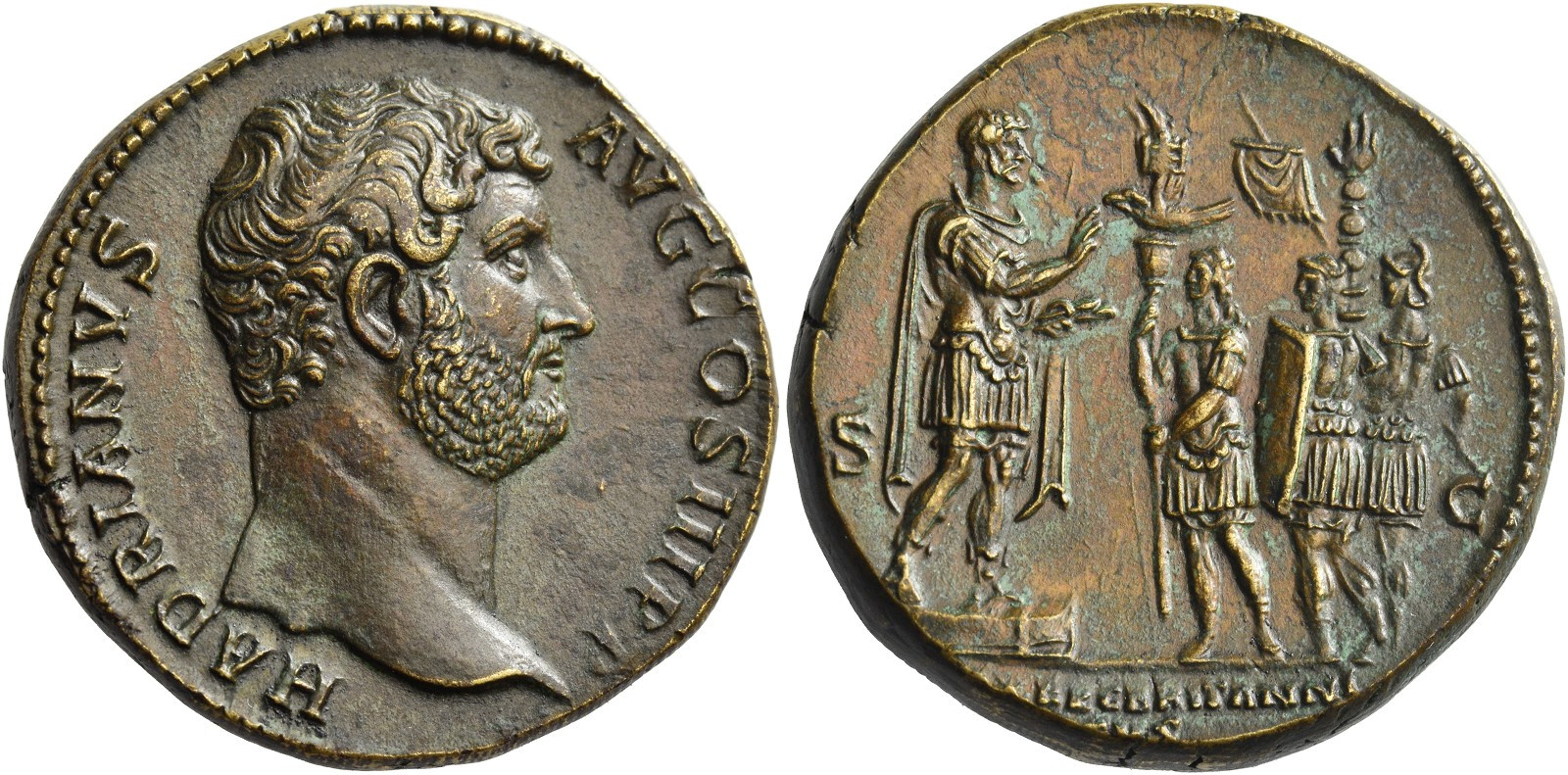
Sestertius,
Roma 130-133,
Æ 32 mm, 26.50 g.
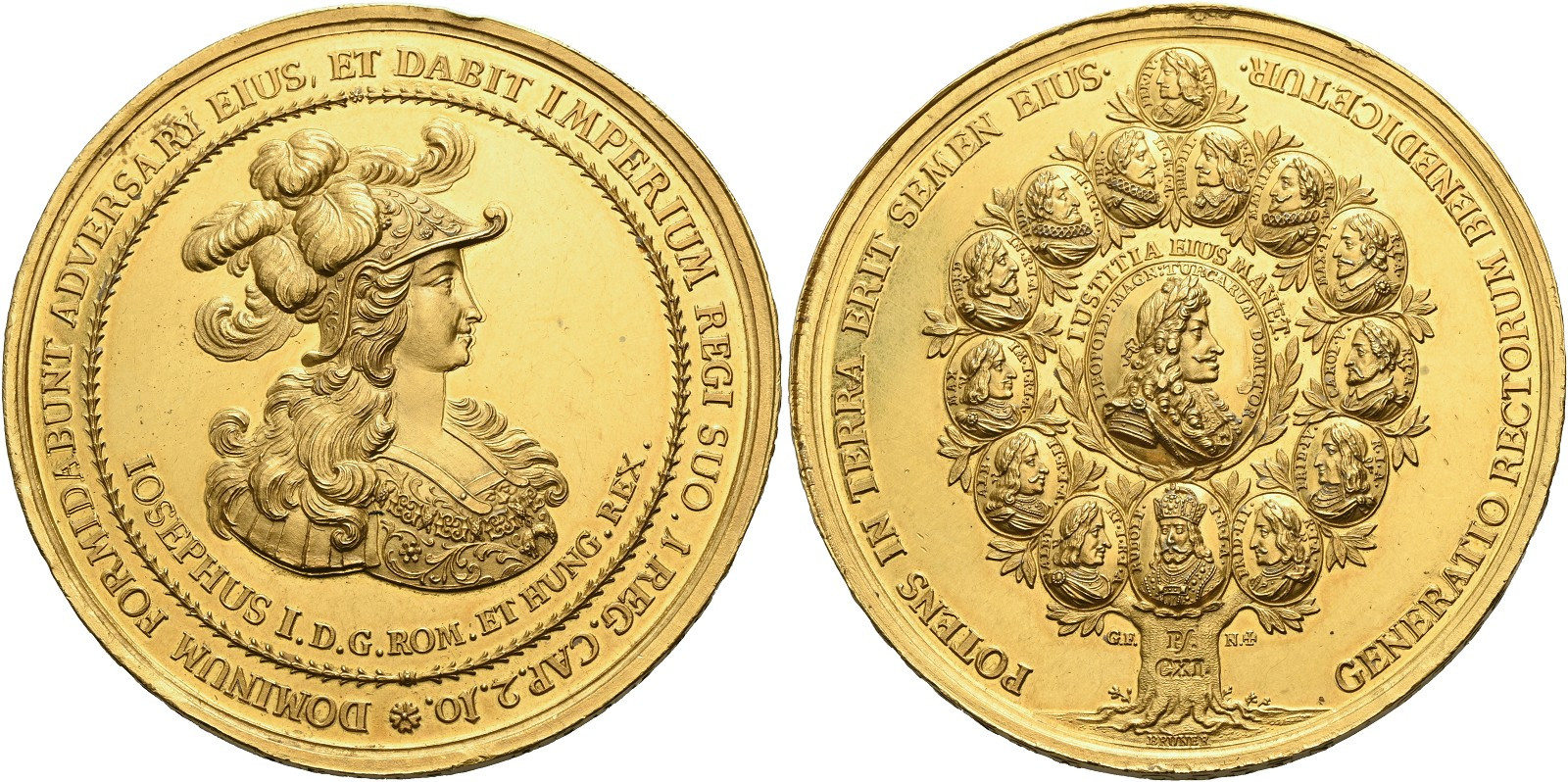
1687 King of Hungary and Bohemia,
1690 Roman-German King,
1705-1711 Emperor.
Medal (100 Ducats) undated (1690),
AV 81 mm, 348.18 g.
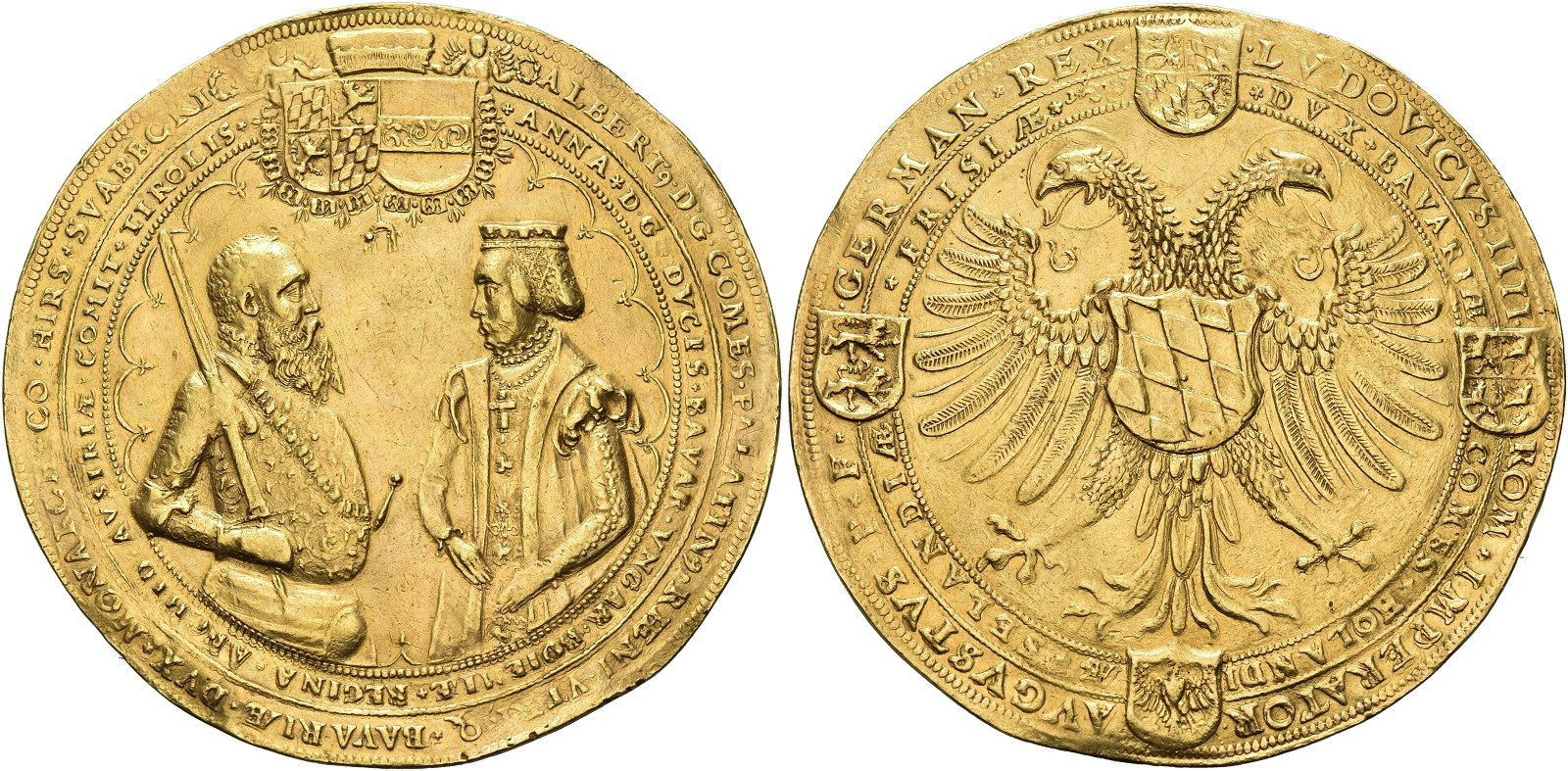
Albrecht V, 1550-1579.
Medal (25 Ducats) undated (c. 1575),
AV 73 mm, 86.67 g.
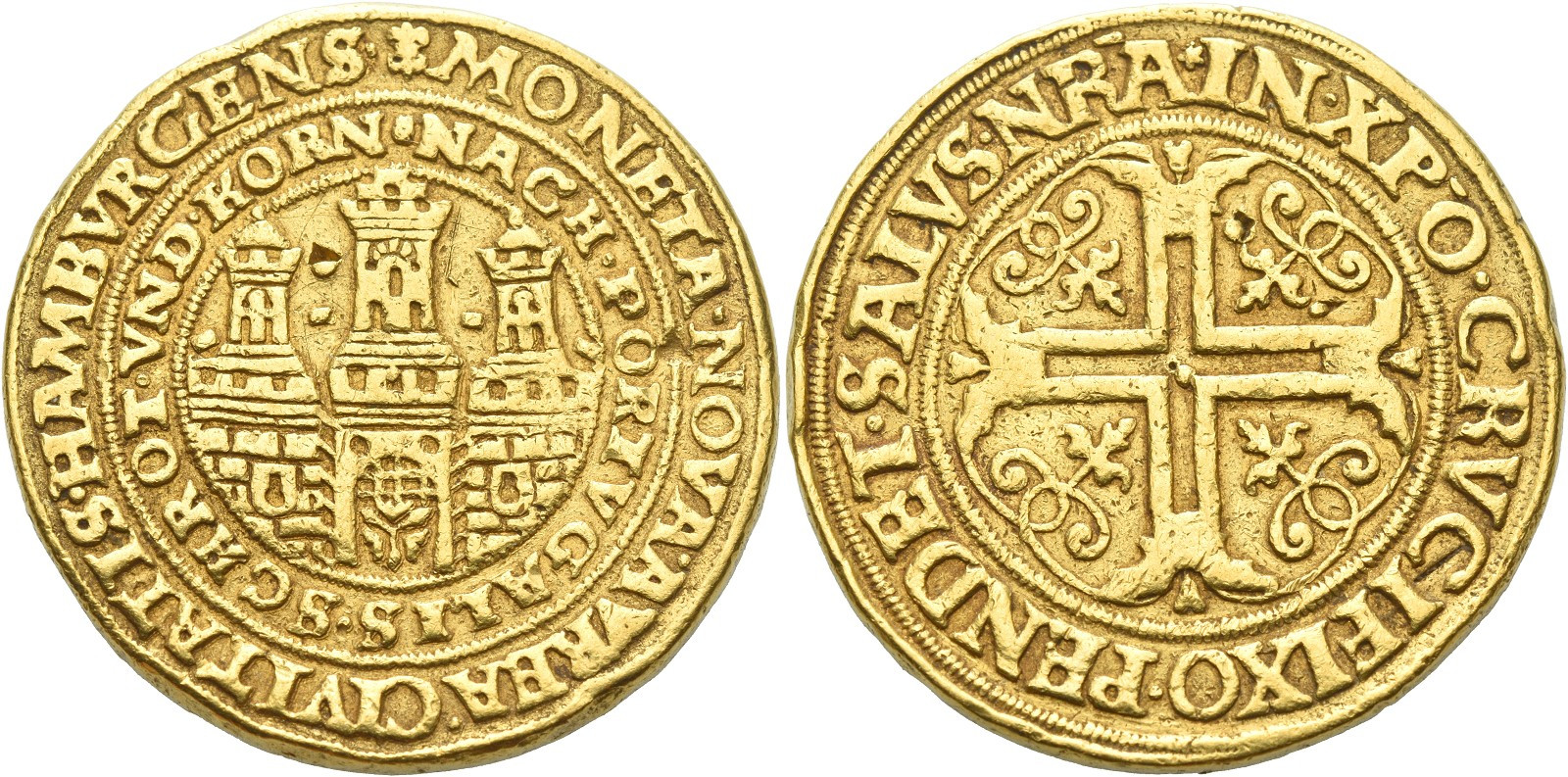
2 Portugalöser (20 Ducats) undated (1574/1577),
mint master Andreas Metzner,
AV 41 mm, 70.05 g.
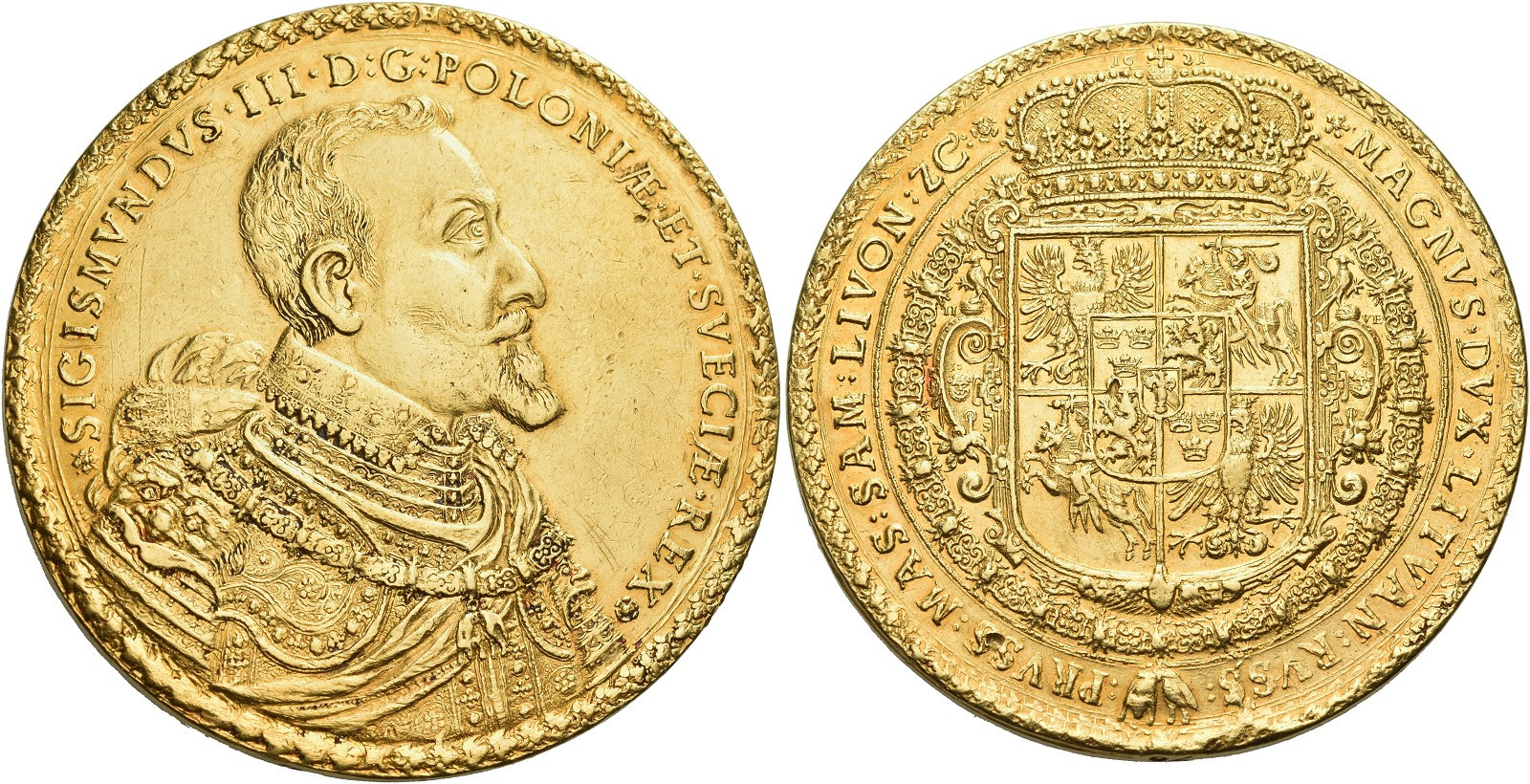
Zygmunt III Waza, 1587-1632,
1592/1599 King of Sweden.
70 Ducats 1621, Bydgoszcz (Bromberg) mint,
mint master Jacob Jacobson van Emden,
AV 69 mm, 243 g.
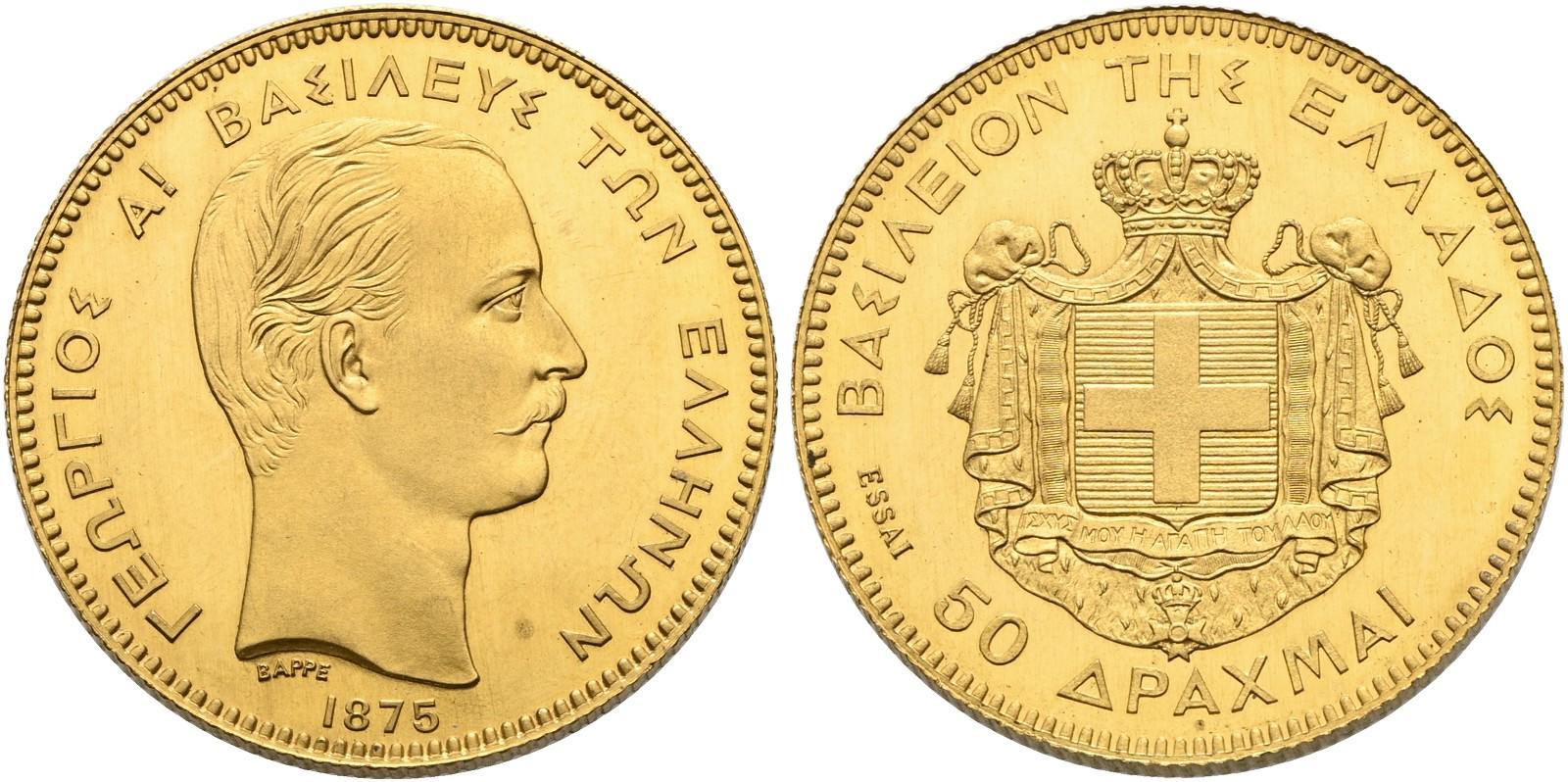
50 Drachmai 1875,
Paris mint,
AV 28 mm, 16.09 g.
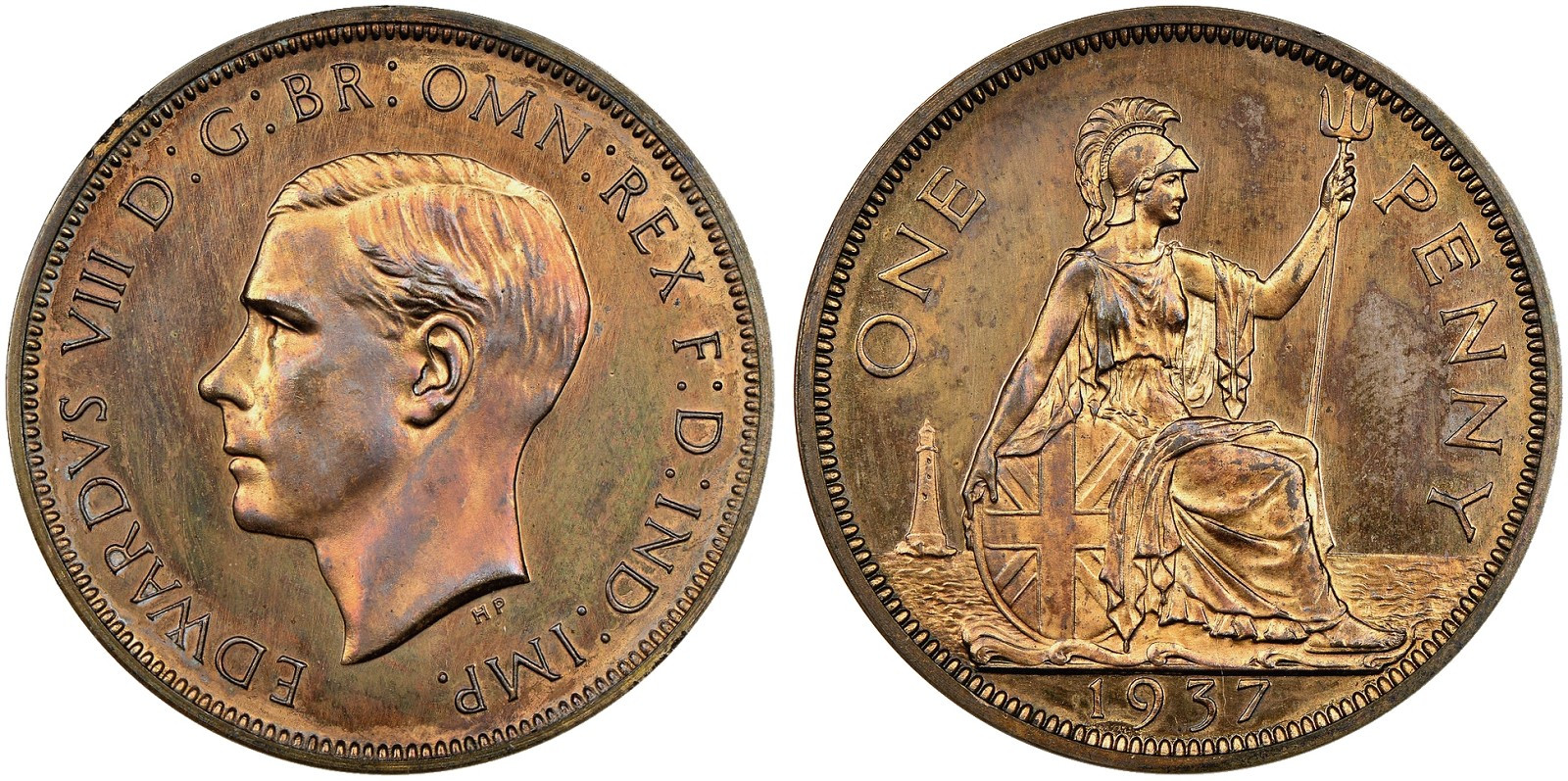
AE Pattern Penny, 1937,
by T. H. Paget & C. W. Coombes.
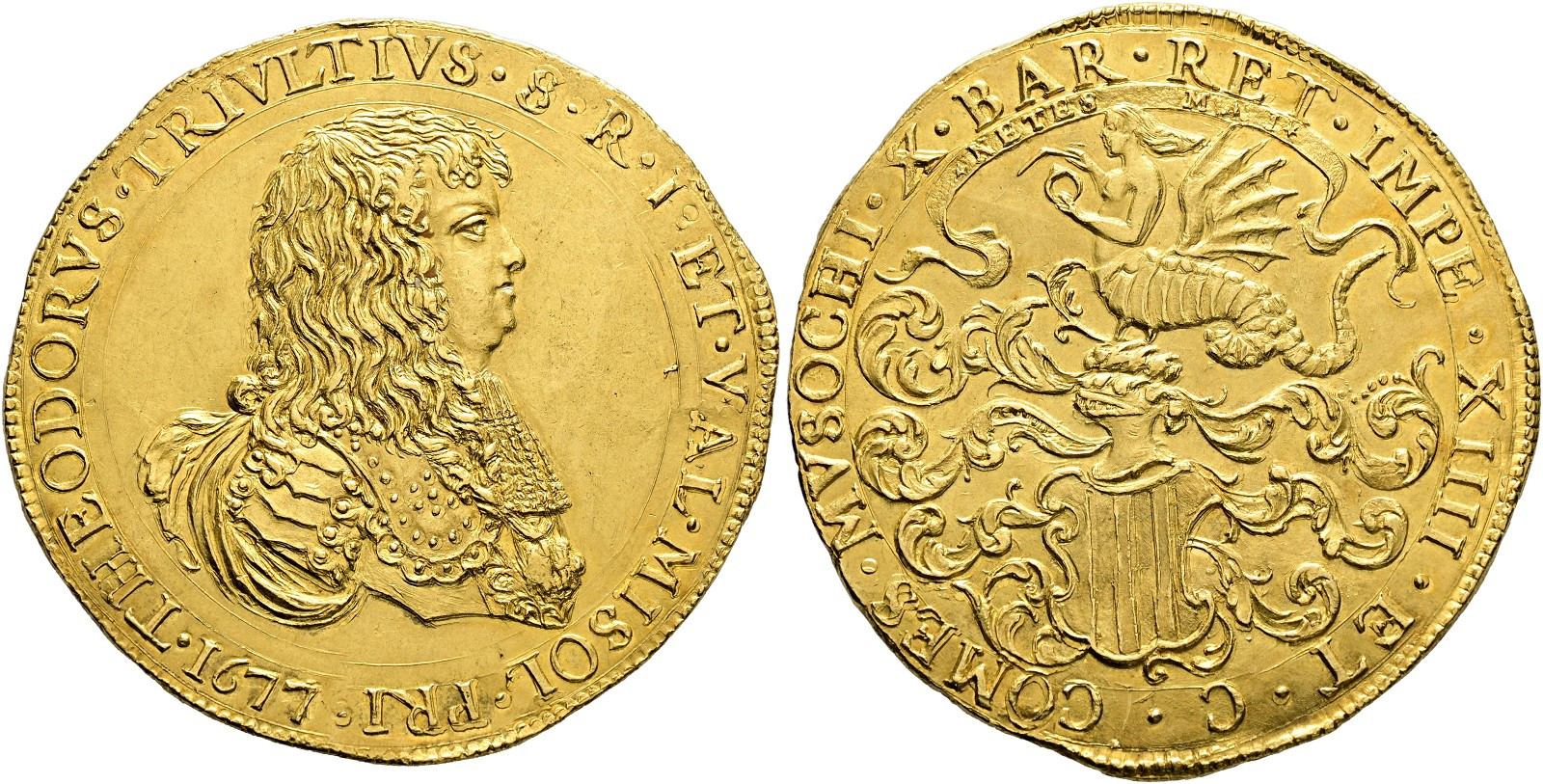
10 zecchini 1677,
AV 34.57 g. ø 50 mm.
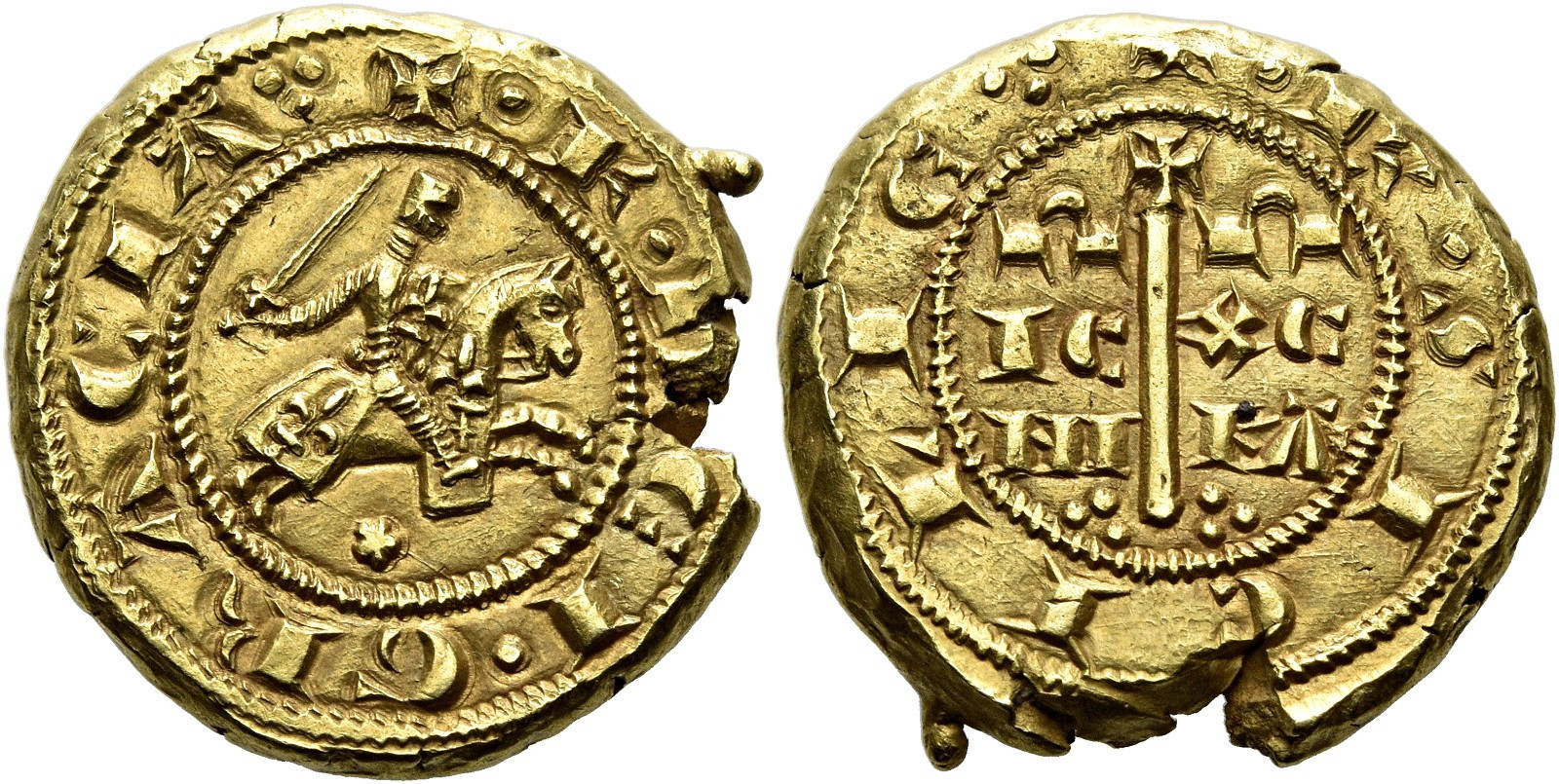
before the Vespri Siciliani (30th March 1282).
Tarì or cavallino,
Messina 1266-1278,
AV 8.65 g.