







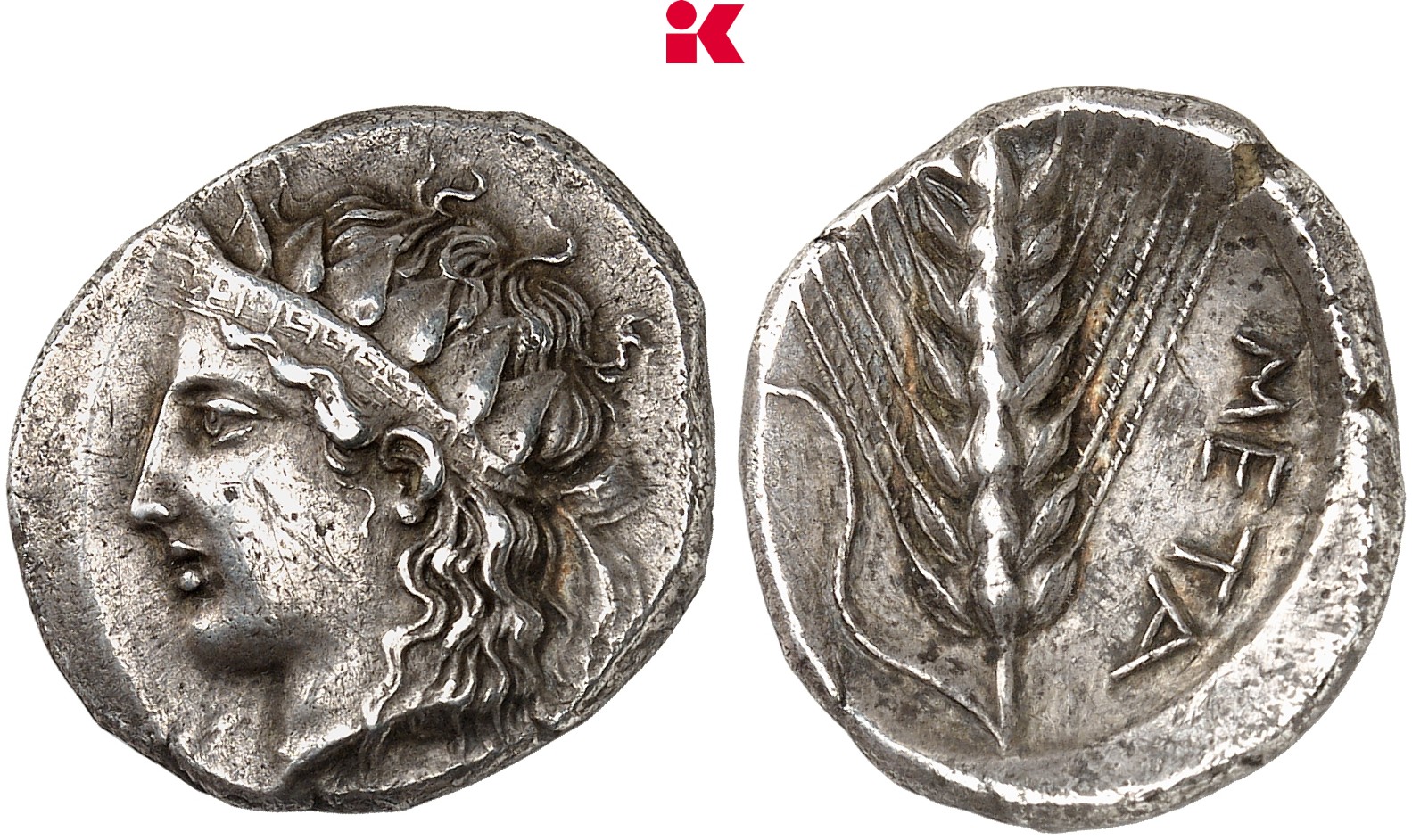
Didrachm, 400/340 BC. Attractive piece.
Very rare, particularly in this condition.
Dionysus head of the finest style.
Ex Hirsch VIII, München 1903, no. 792.
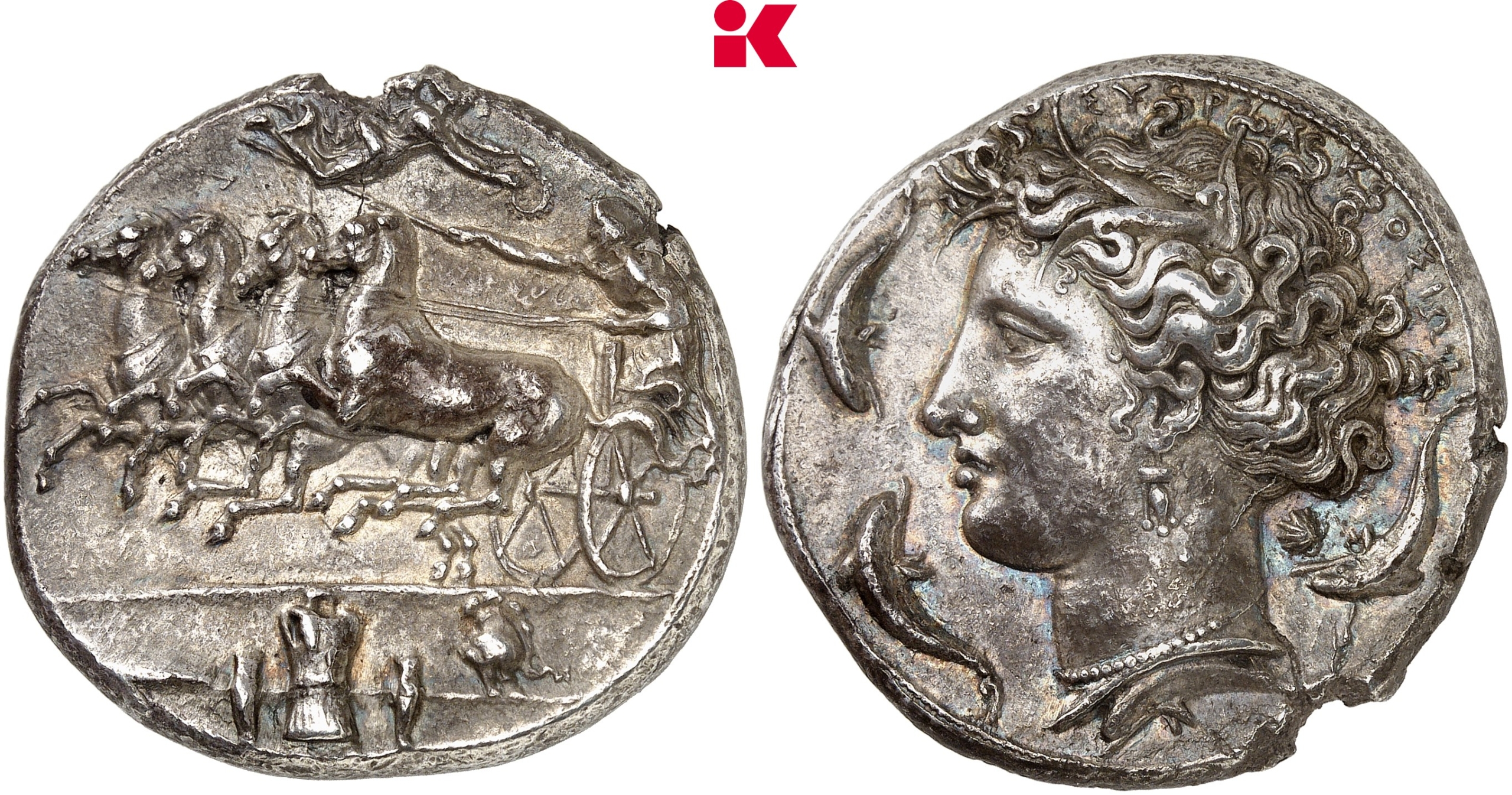
Decadrachm around 400/390 BC, unsigned.
Splendid patina, extremely fine.
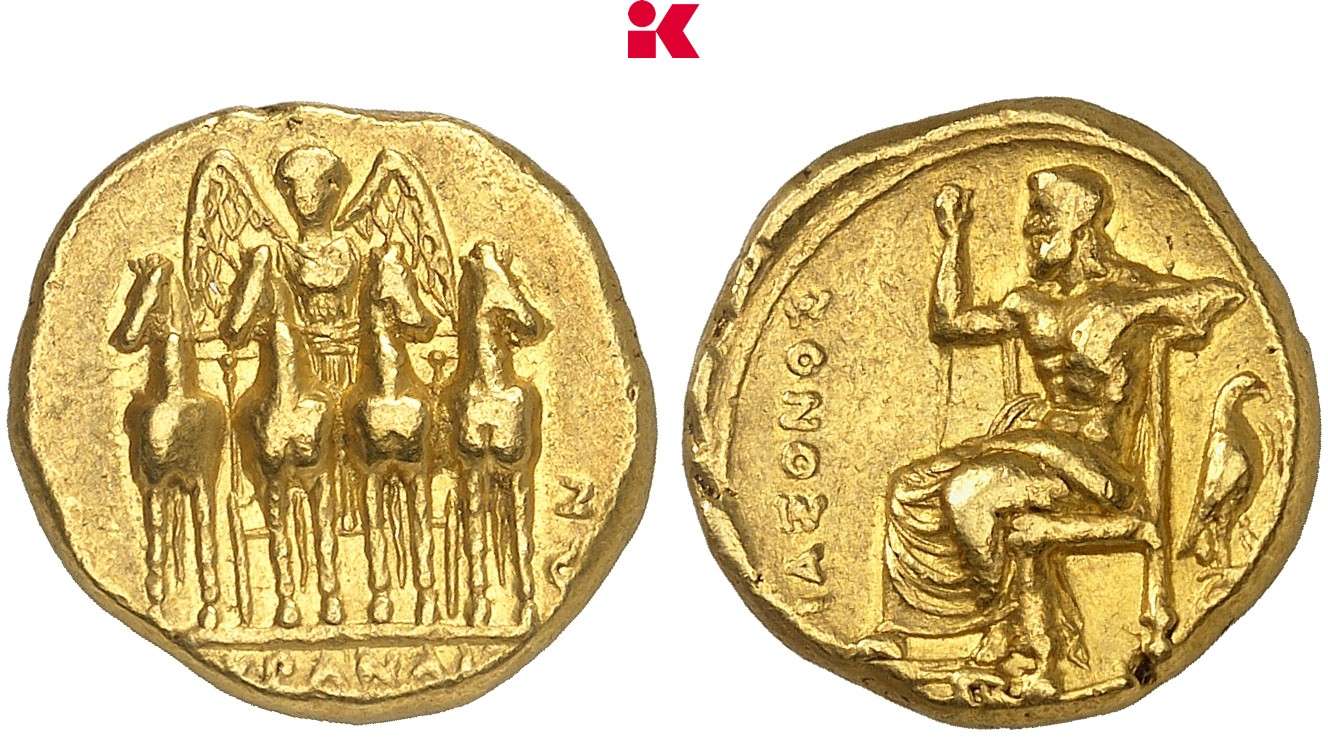
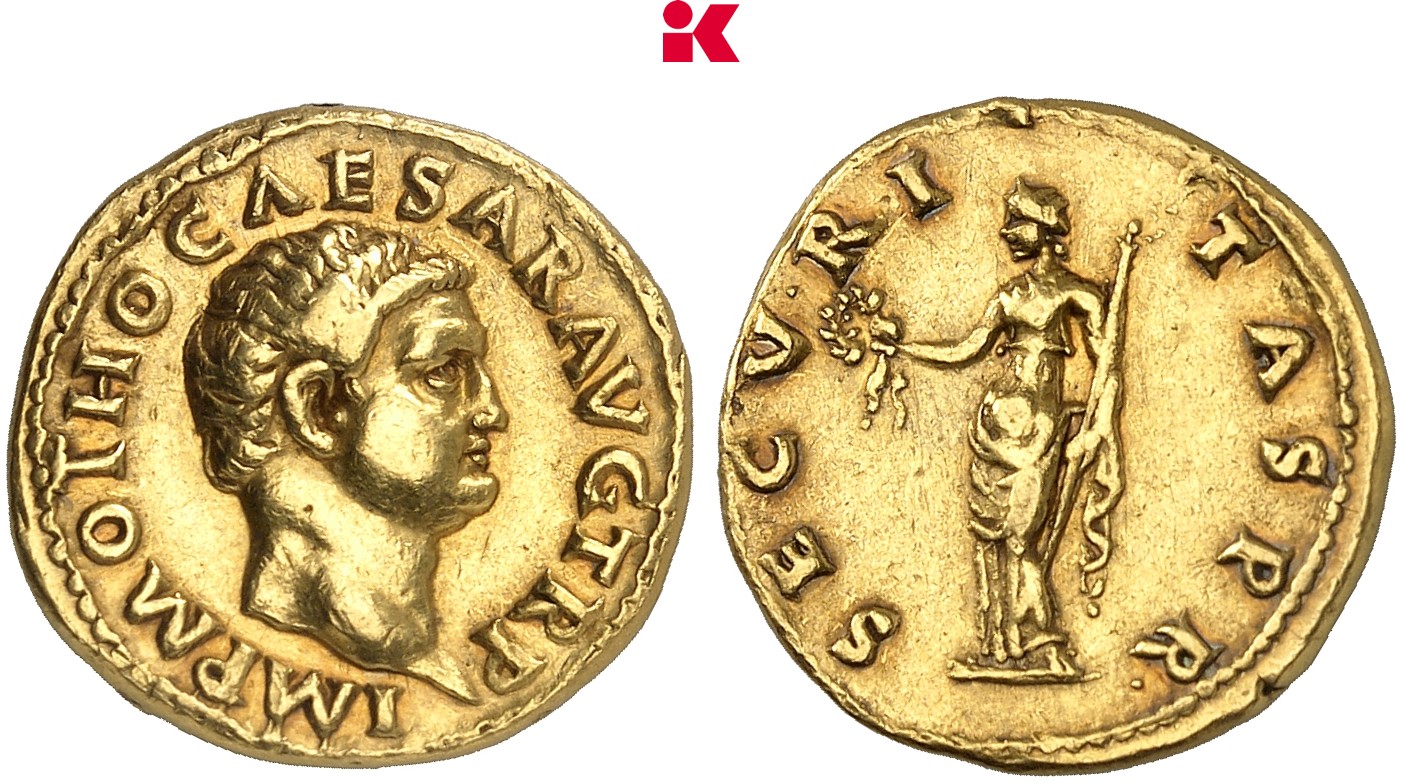
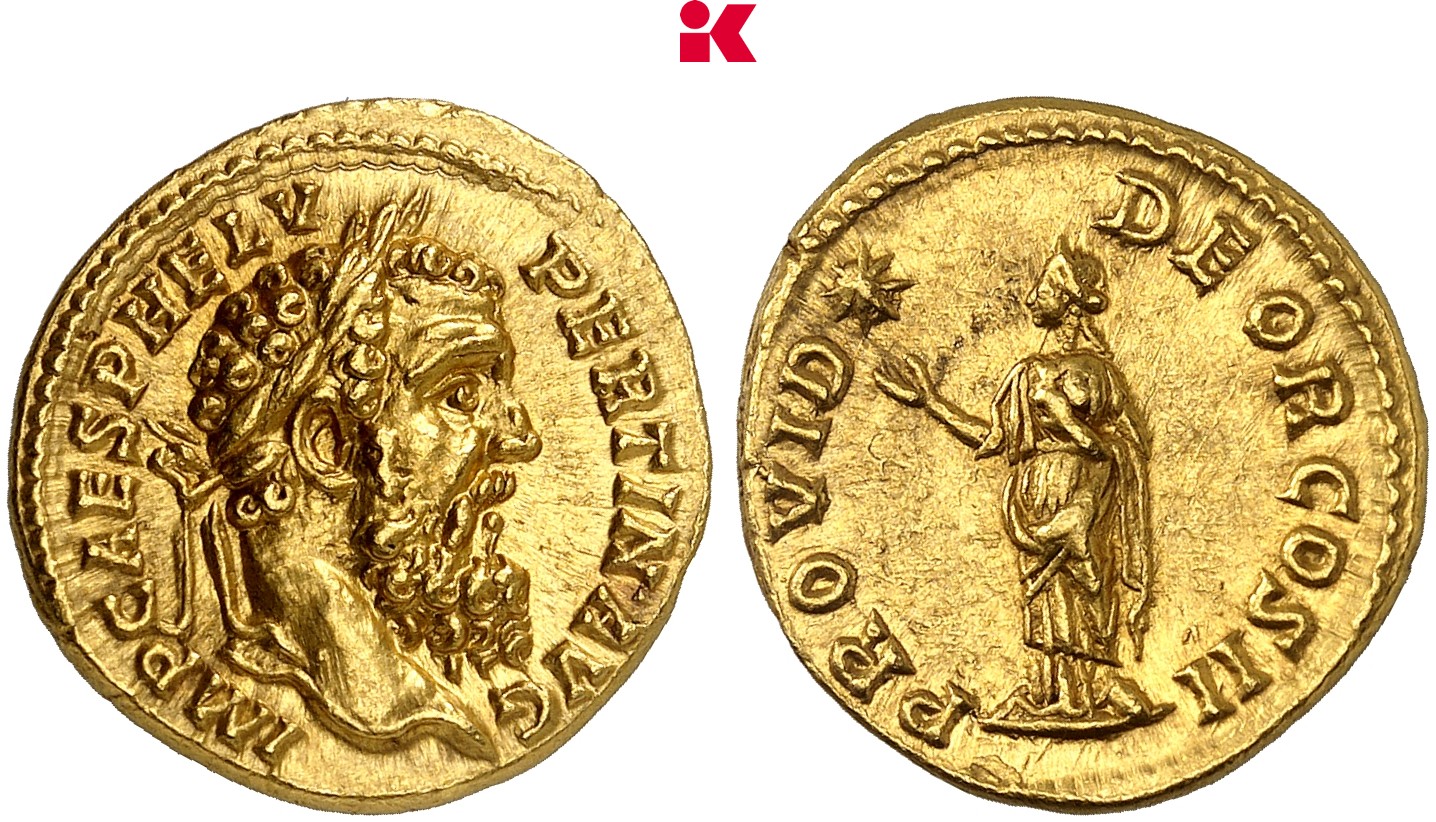
Aureus, Rome.
Very rare.
Attractive piece.
Ex Huntington (Inventar-no. ANS 1001.1.30032).
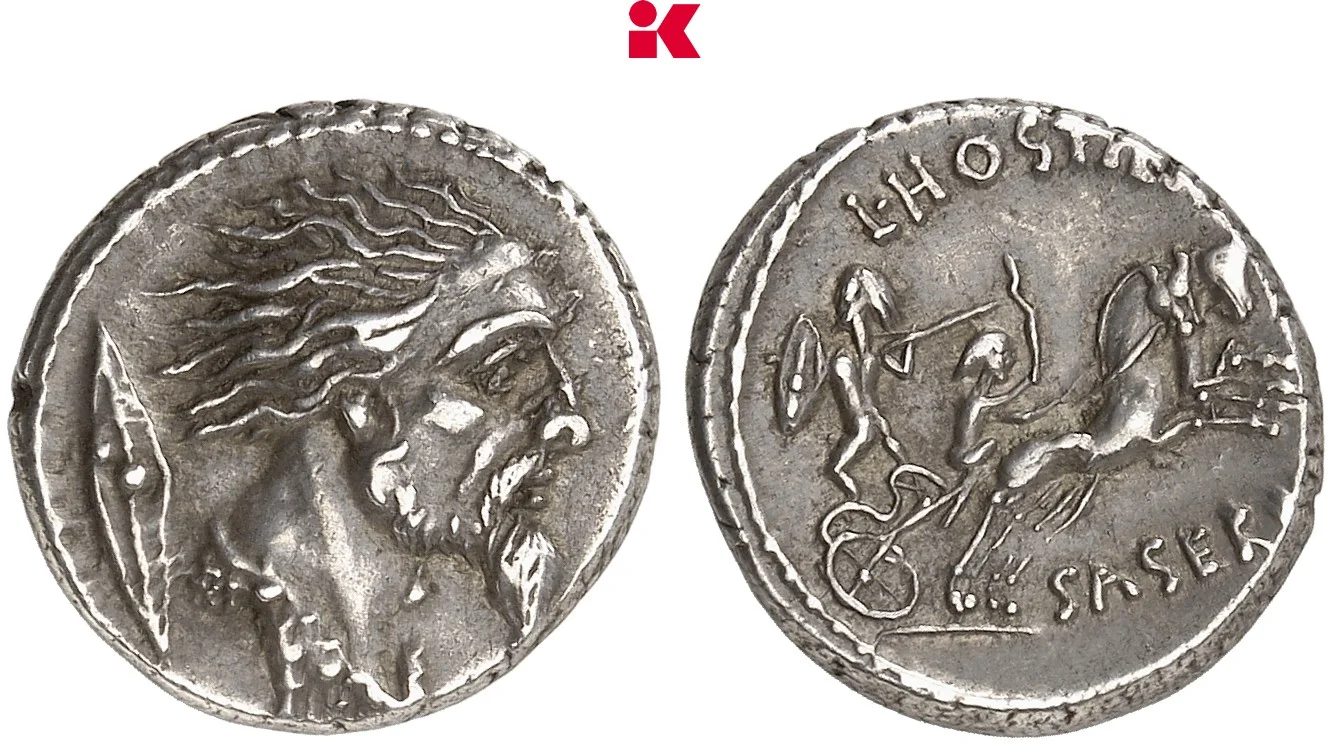
Denarius, 48 B.C., Rome.
L. Hostilius Saserna.
Very rare.
Attractive toning, extremely fine.
Ex Sternberg VI, Zürich 1976, no. 758.
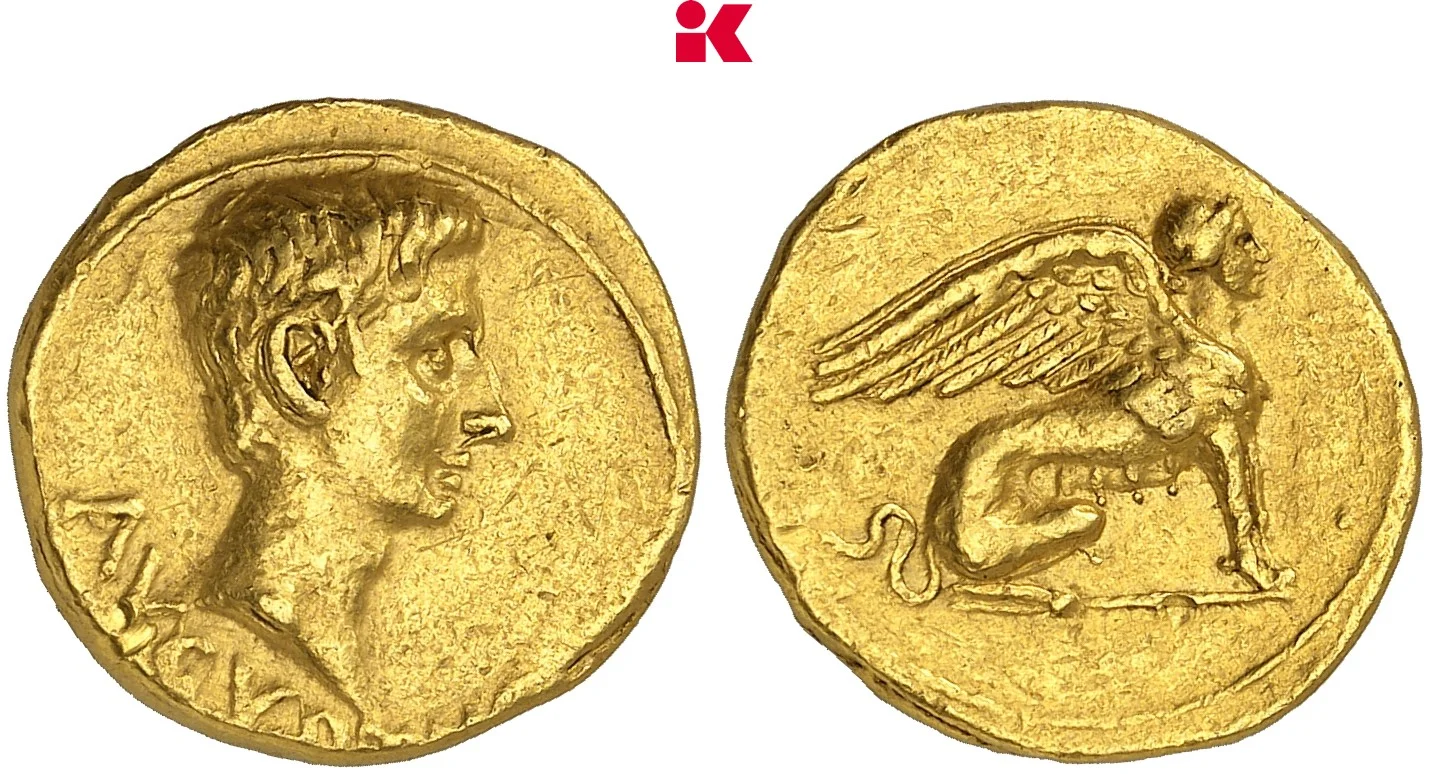
Augustus, 30 BCE–14 CE.
Aureus, 19/18 BCE, Ephesus (Ionia).
Very rare.
Min. Very fine.
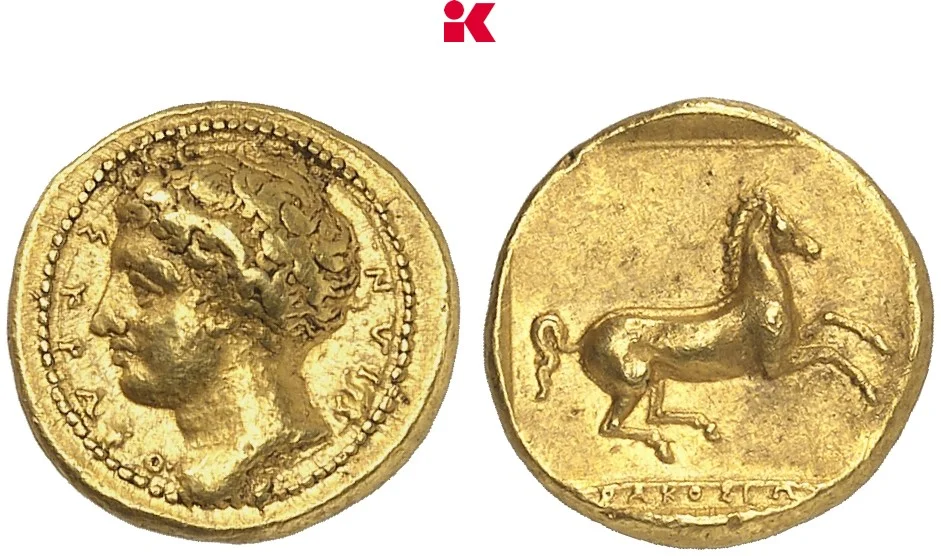
50 litren, 405/400 B.C.
Struck with a slightly rusty obverse die,
very fine-extremely fine/extremely fine.
2022 Biggest Year for Treasure Finds in the UK
Earlier this year, the British Museum launched the latest Portable Antiquities Scheme (PAS) Annual Report. This showed that in 2022, 53,490 archaeological finds were recorded, including 1,378 Treasure cases, the highest ever reported in a single year.
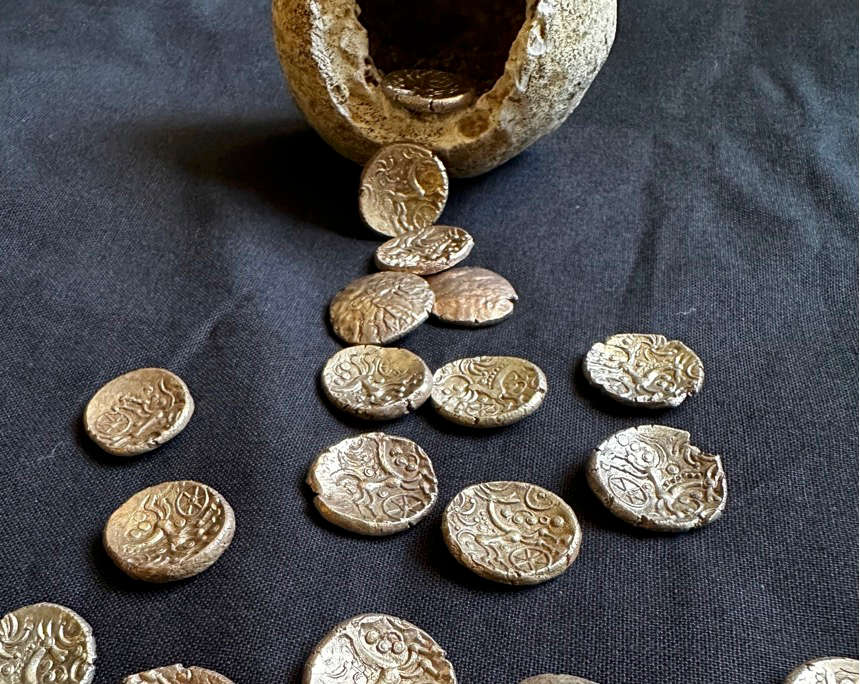
Berkshire Coin Hoard. © The Trustees of the British Museum.
The record-breaking figures highlight the huge contribution that members of the public are making to increasing archaeological knowledge in the UK today. Most objects have been found by people metal-detecting, and most of the finds were made on cultivated land where they otherwise could be lost to ploughing. A small proportion were found through mud-larking, which involves scouring muddy riverbanks for finds.
The counties recording the most PAS finds in 2022 were Lincolnshire (5,101), Norfolk (4,265) and Suffolk (2,727) – all agricultural counties where detecting is popular. In the same period, Norfolk (95), Hampshire (83) and Kent (81) had the highest number of Treasure finds.

Carved bone rosary bead. © The Trustees of the British Museum.
The cover star of the PAS annual report is a tiny, intricately carved bone rosary bead of memento mori (remember that you die) type, showing the face of a young woman (possibly intended to represent the Virgin Mary) on one side and a skull (representing mortality) on the other. It was found by Caroline Nunnely, while mudlarking on the River Thames foreshore at Queenhithe, City of London (LON-78B66F). As required under the conditions of her Port of London foreshore permit, Caroline recorded the find with Stuart Wyatt, Finds Liaison Officer for London.

Gold Staffordshire bracelet. © The Trustees of the British Museum.
Also featured at the launch was a 3,000-year-old gold “dress fastener” from Staffordshire (DENO-A4D394). This remarkable gold object illustrates cultural links between Ireland and Britain during the Bronze Age. At this time Irish smiths were producing some of the most exquisite goldwork in Europe. As confirmed by detailed examination by British Museum scientist Laura Perucchetti and curator Neil Wilkin, the large, enigmatic fastener is formed of a solid, cast, bow-shaped body connecting two skillfully raised cone-shaped terminals. It may have been worn on the body to hold together the cloak, skirt or dress of an important person. One of only seven discovered in England or Wales, the Staffordshire find is one of the best- preserved examples from Britain. The dress fastener was found by Jonathan Needham while metal detecting and is likely to be acquired by a museum.

Details from the Berkshire Coin Hoard. © The Trustees of the British Museum.
Also on display was a hoard of 26 Iron Age gold coins found at East Garston, West Berkshire (BERK-EE5FDB) hidden inside a flint container. The naturally occurring flint nodule is roughly spherical and the coins were tightly packed inside its hollow interior. Several other hoards using this method of concealment are known from the Iron Age, including a hoard from Westerham, Kent in the British Museum collection. The gold coins are all staters, of a type locally produced in the East Wiltshire area in the late Iron Age (c. 50-20 BC). One side feature traces of an abstract design of crossed wreaths and the other features a horse running to the right with a spiral motif above and a wheel below.

Details from the Berkshire Coin Hoard. © The Trustees of the British Museum.
Mark Jones, Interim Director of the British Museum, said: “The British Museum is proud of its role managing the Portable Antiquities Scheme and overseeing the administration of the Treasure Act 1996 in England. The information about finds is being recorded by the PAS to advance knowledge of past peoples, where and how they lived. As such, it reflects every part of human history, from the Paleolithic to more modern times, across the whole of England and Wales. Most of the finds recorded have been found by members of the metal-detecting community and I wanted to especially thank them for recording these items with the PAS.”
Michael Lewis, Head of PAS and Treasure at the British Museum, said: “2022 was another successful year for the Portable Antiquities Scheme with a further 53,490 archaeological items recorded onto its database, bringing the total to almost 1.7 million finds. Although finders are required to report Treasure most finds are reported on a voluntary basis, which makes this a truly remarkable contribution.”
Pippa Pearce MBE, Senior Conservator at the British Museum said: “Every coin is a miniature document. To be understood, it has to be read and the role of conservation is to make this possible, revealing the hidden detail from beneath the concretions and corrosion built up during burial.”
