







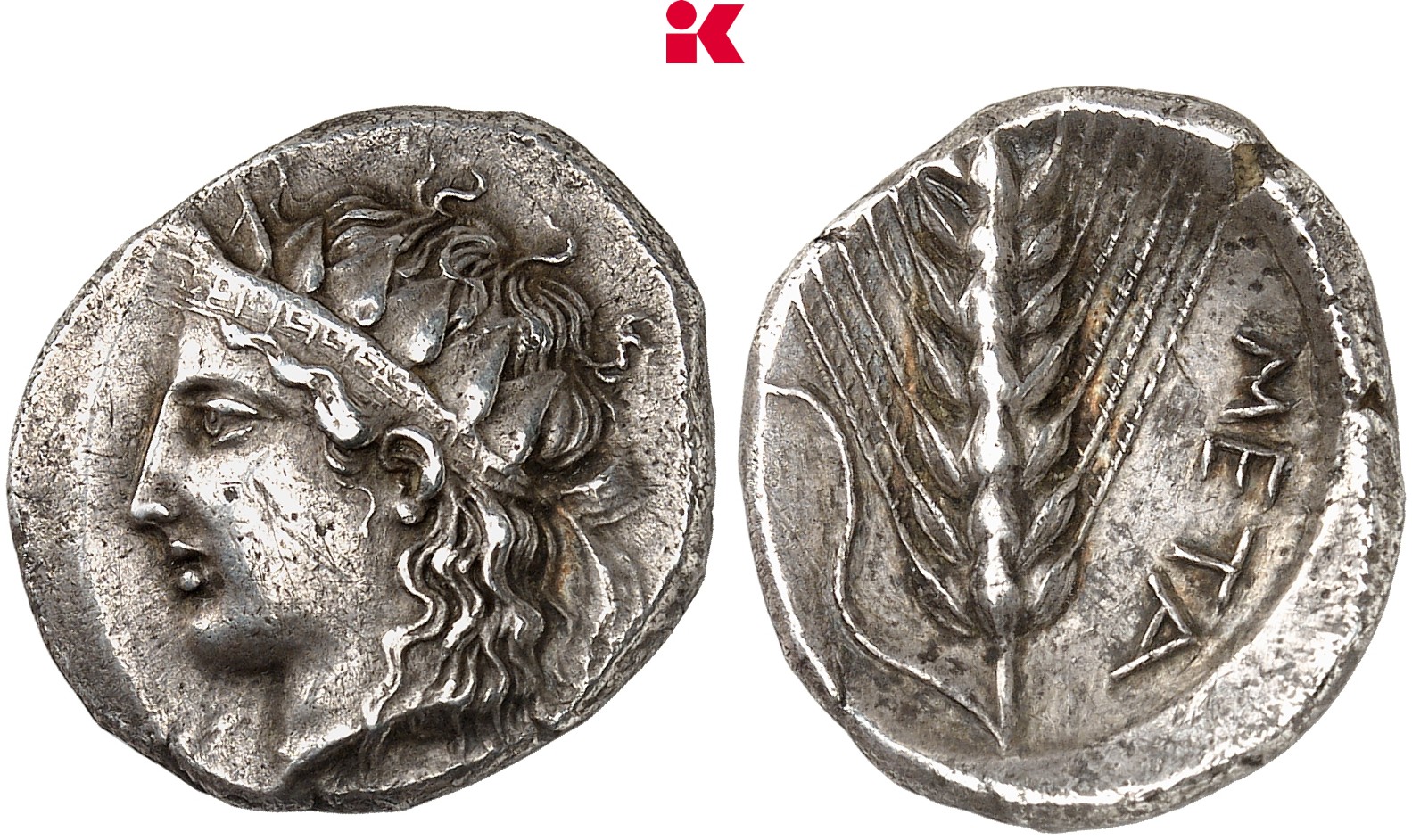
Didrachm, 400/340 BC. Attractive piece.
Very rare, particularly in this condition.
Dionysus head of the finest style.
Ex Hirsch VIII, München 1903, no. 792.
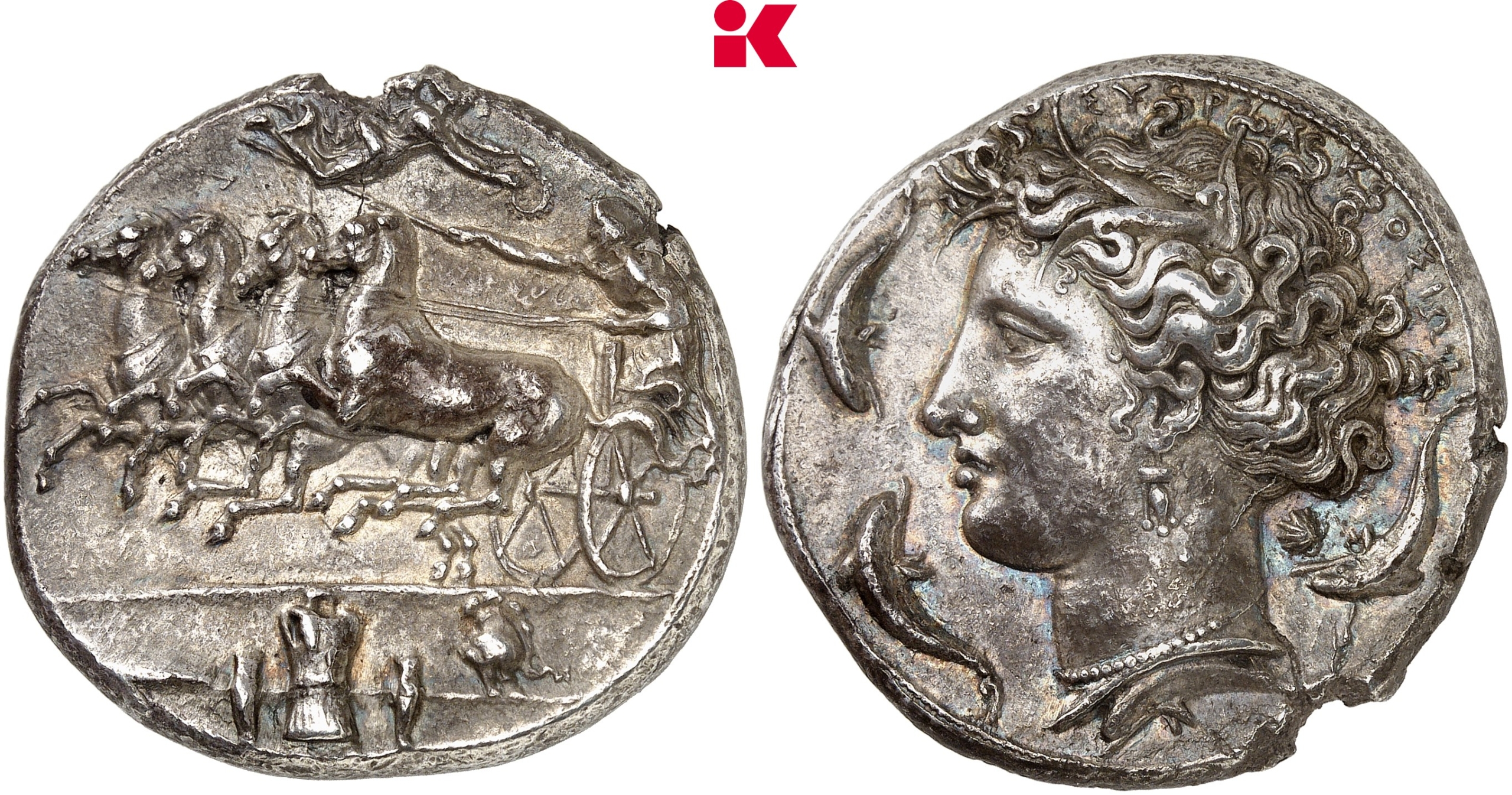
Decadrachm around 400/390 BC, unsigned.
Splendid patina, extremely fine.
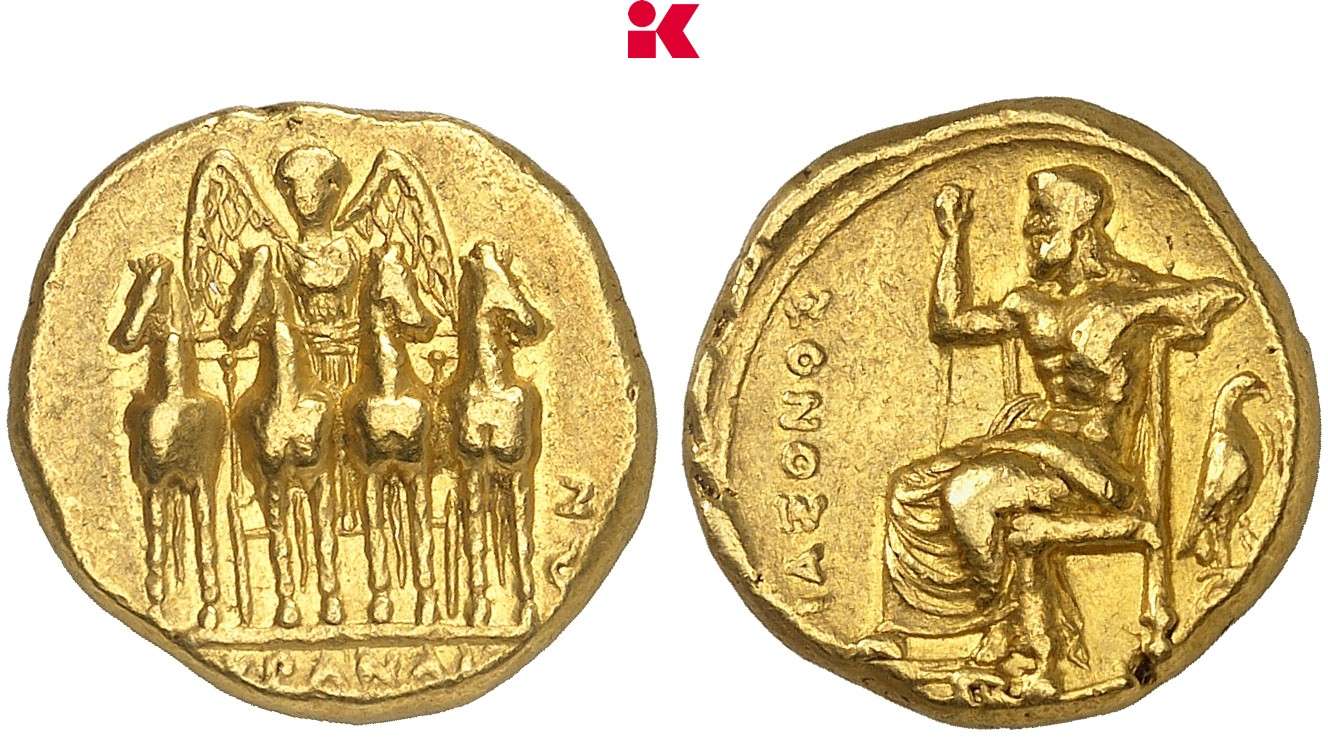
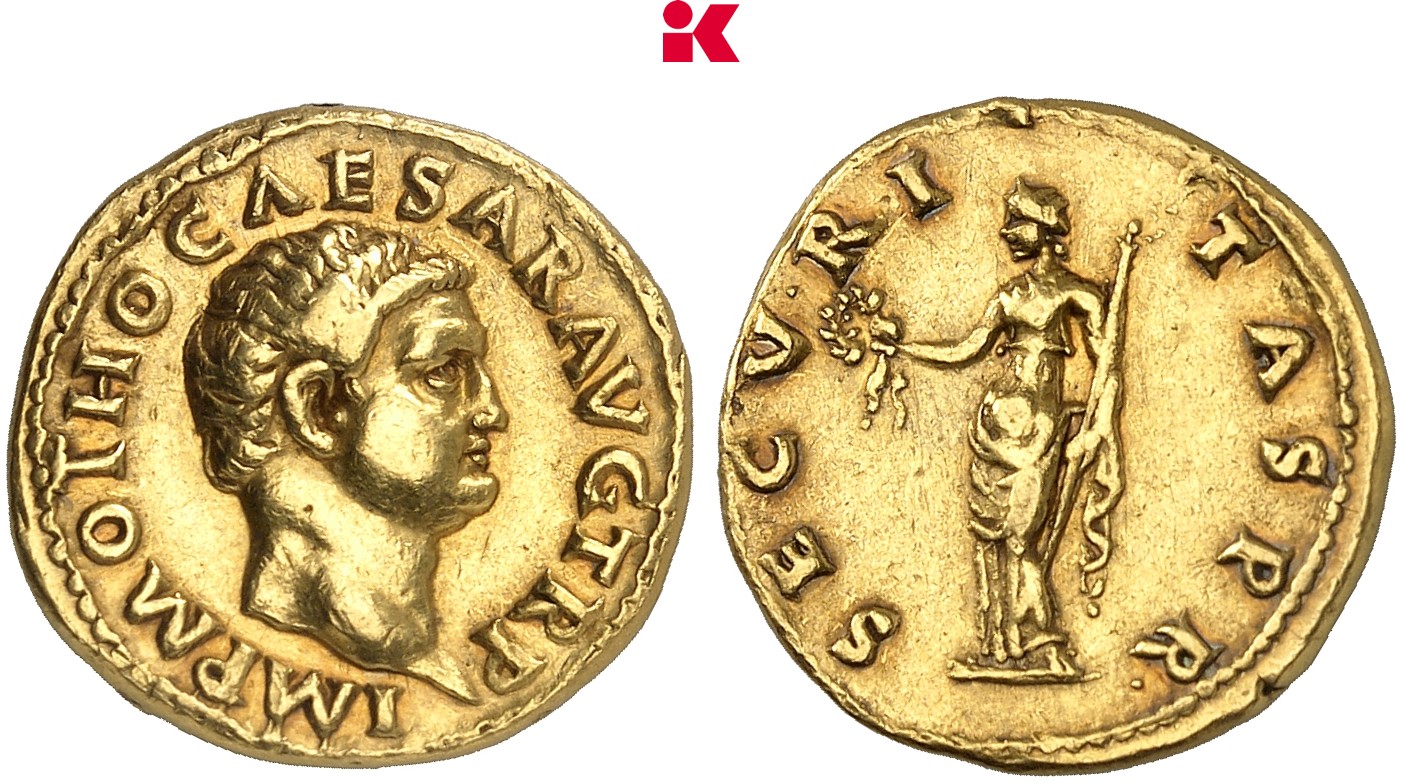
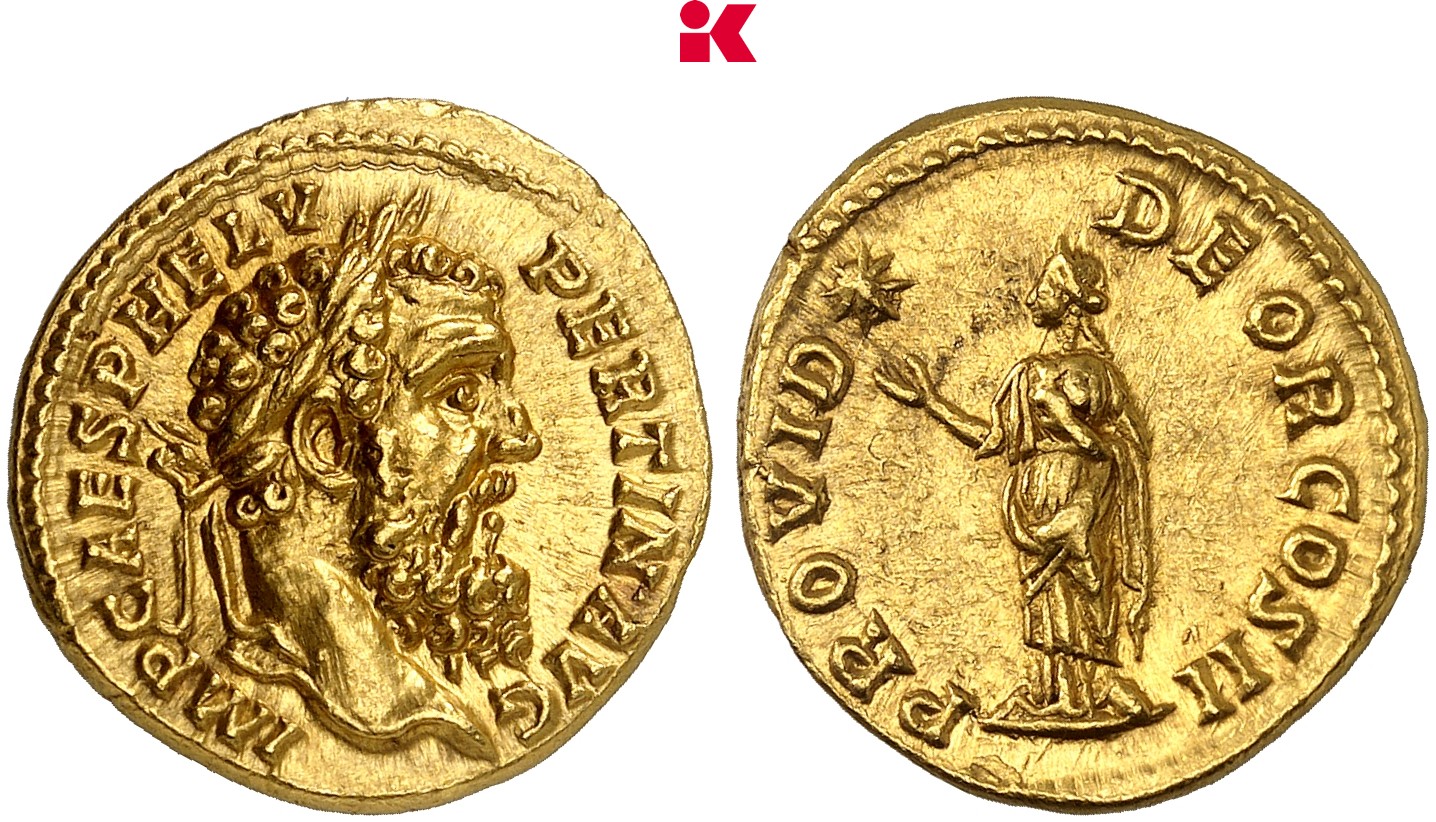
Aureus, Rome.
Very rare.
Attractive piece.
Ex Huntington (Inventar-no. ANS 1001.1.30032).
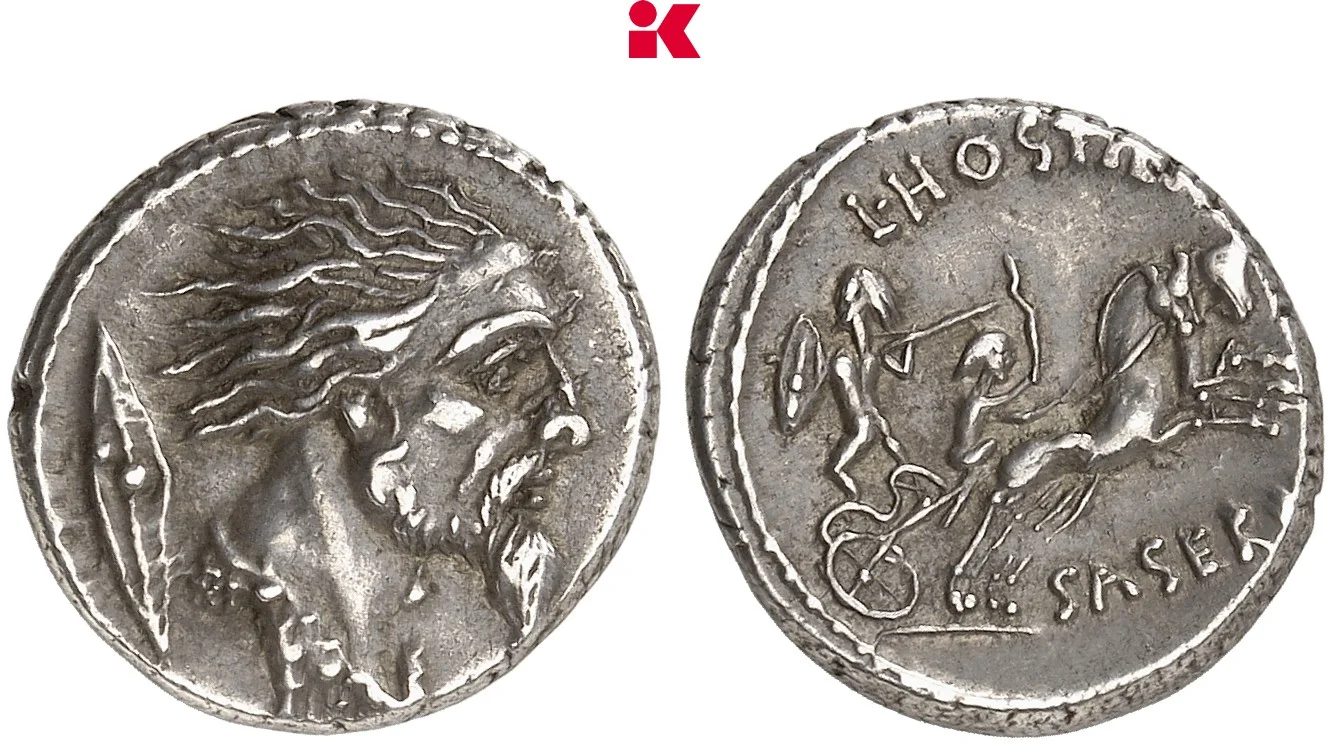
Denarius, 48 B.C., Rome.
L. Hostilius Saserna.
Very rare.
Attractive toning, extremely fine.
Ex Sternberg VI, Zürich 1976, no. 758.
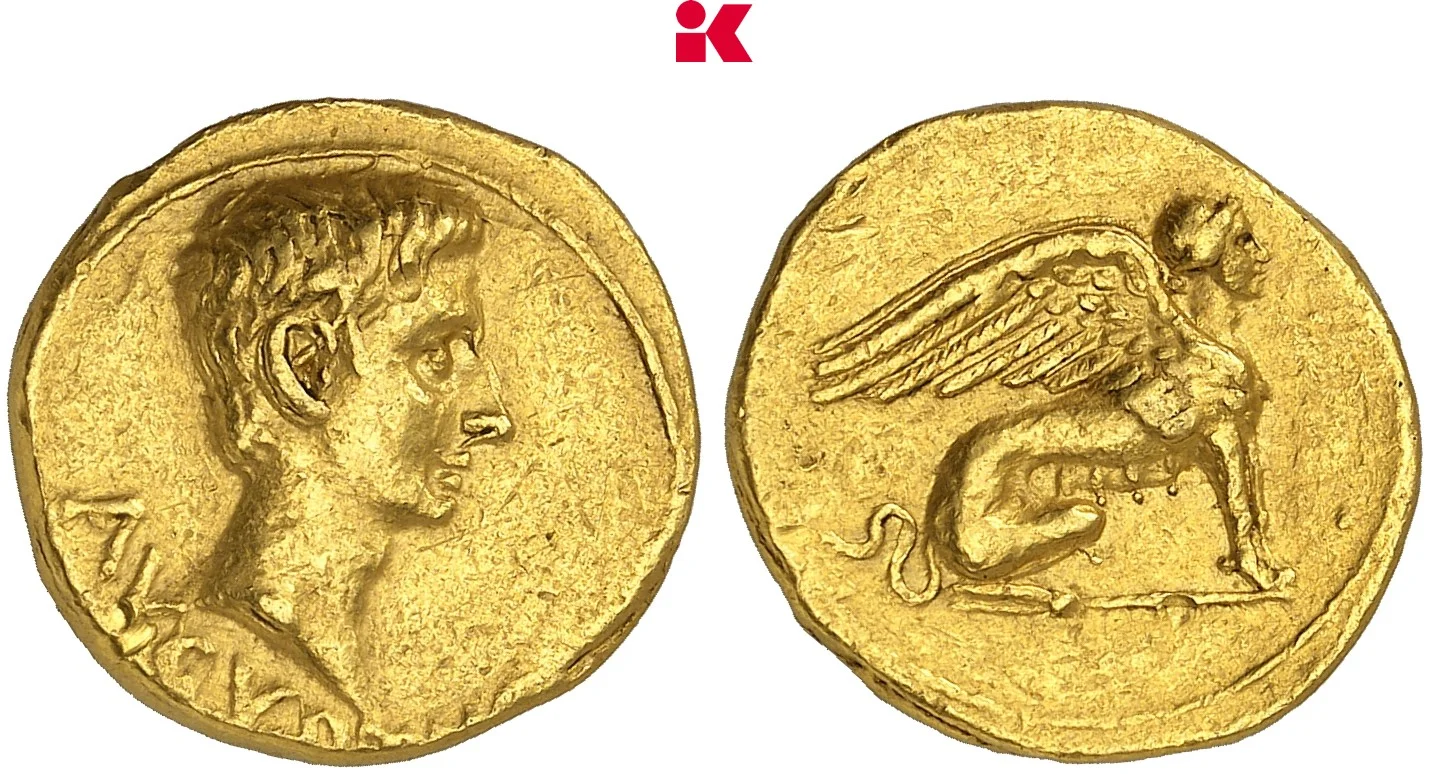
Augustus, 30 BCE–14 CE.
Aureus, 19/18 BCE, Ephesus (Ionia).
Very rare.
Min. Very fine.
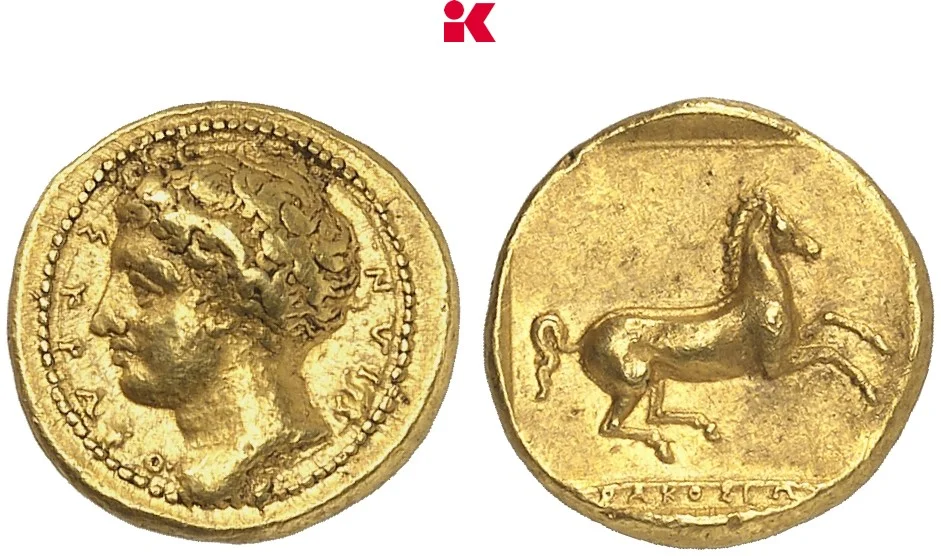
50 litren, 405/400 B.C.
Struck with a slightly rusty obverse die,
very fine-extremely fine/extremely fine.
Archaeologists in Awe at the Sight of Sardinia’s Folles Hoard
by Lisa Scheffert, translated by Maike Meßmann
Last year, an impressive hoard was found off the north-eastern coast of Sardinia near Arzachena. A recreational diver spotted metal objects at a shallow depth not far from the beach. He informed the authorities, which acted quickly – the very next day, undersea archaeologists, supported by an underwater squad of the Italian Carabinieri, were investigating the area.
Content
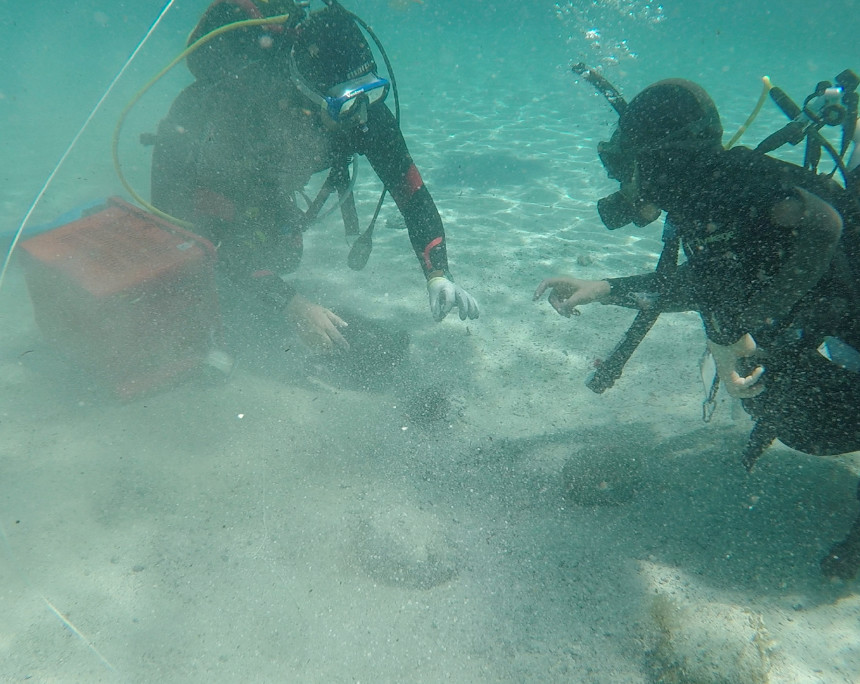
Underwater archaeologists at work. Photo: Ufficio Stampa e Communicazione MiC
The diver had discovered an unusually large amount of Roman bronze coins from the first half of the 4th century AD, so-called folles. An initial estimate based on the total weight of the hoard suggests that the find contains between 30,000 and 50,000 specimens.
The Hoard Overshadows the Seaton Find
According to the ABAP (Direzione generale Archeologia, belle arti e paesaggio), the extensive hoard is one of the most important numismatic discoveries of recent years. The archaeologists compared it to the folles hoard found in 2013 in Seaton, UK – one of the largest hoards in British history. The latter contained “only” 22,888 coins and thus fewer than the hoard now found off Sardinia.
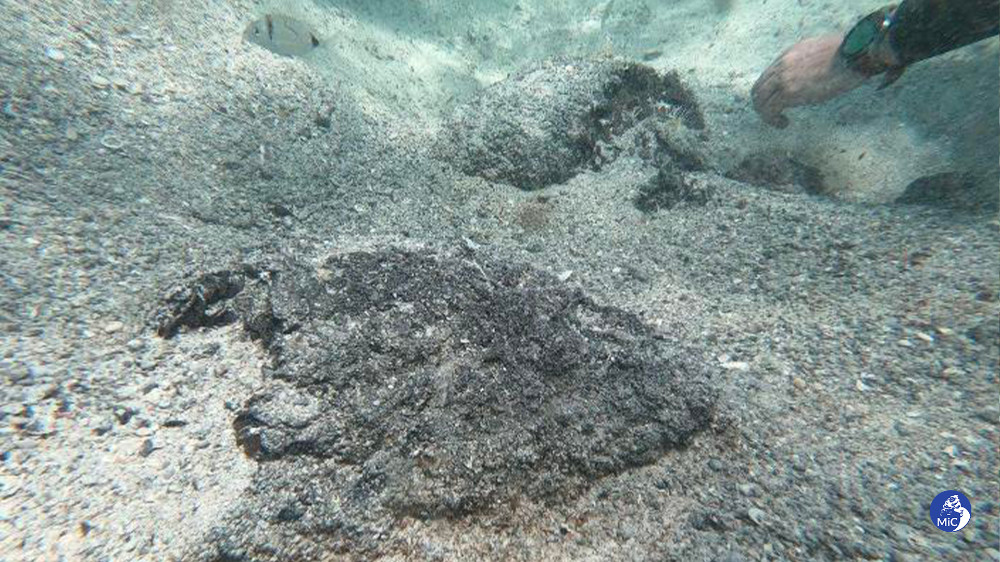
Underwater pictures of the spot where the hoard was found. Photo: Ufficio Stampa e Communicazione MiC.
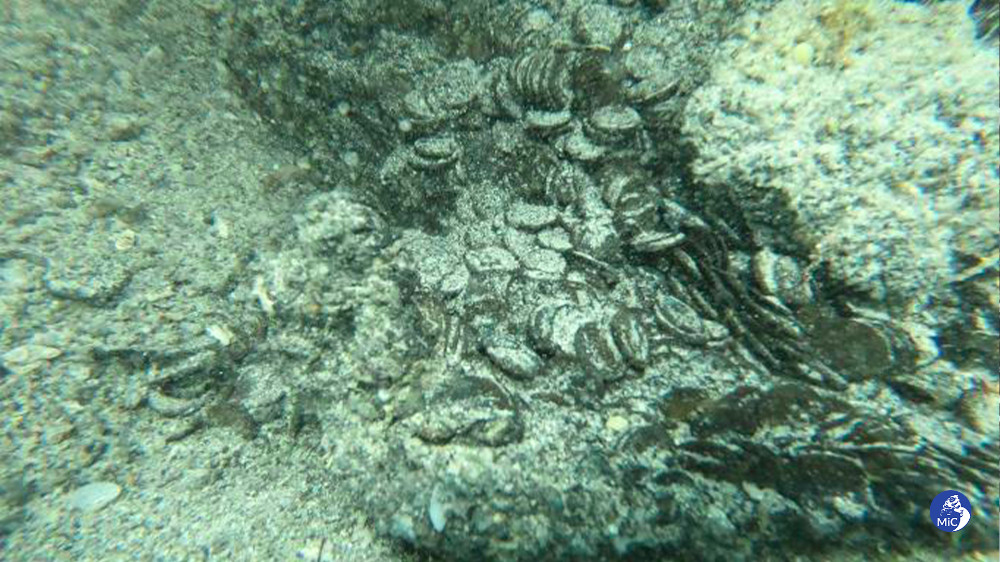
Underwater pictures of the spot where the hoard was found. Photo: Ufficio Stampa e Communicazione MiC.
Dating and Origin
The coins are still being examined. They are believed to have been produced between 324 and 340 AD, which would mean that they are from the era of Constantine I (306-337) and his sons. According to the General Directorate of Archaeology, they come from almost all mints that operated in the Roman Empire at the time, with the exception of Antioch, Alexandria and Carthage. Of all the coins, only four are damaged, the others are even said to be in an exceptionally good condition.
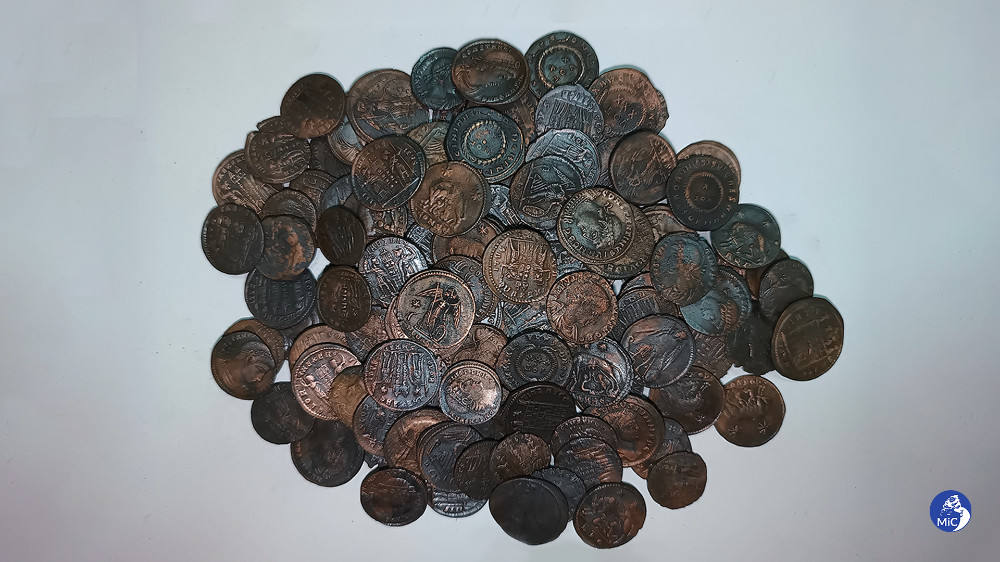
This picture shows some of the found folles. Photo: Ufficio Stampa e Communicazione MiC.
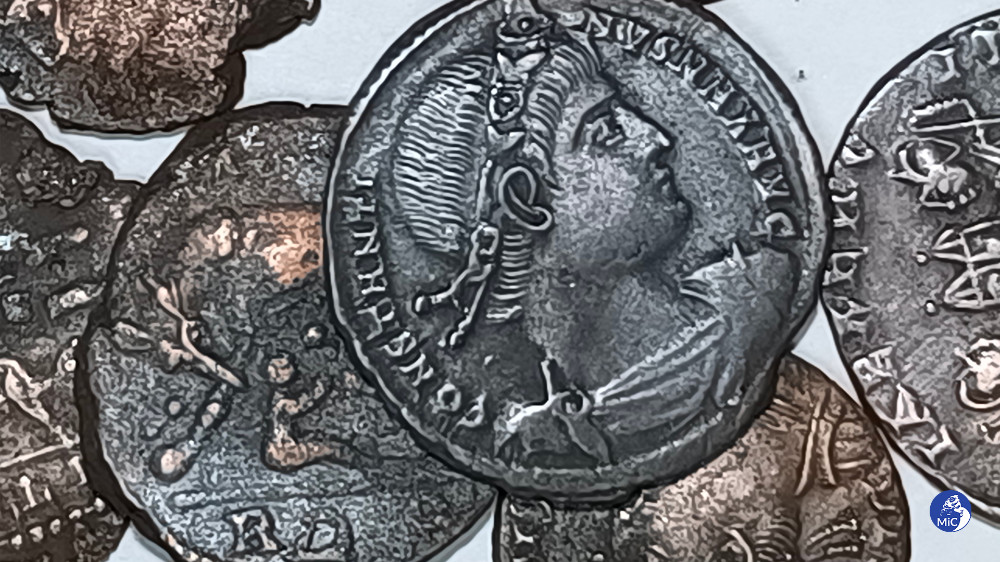
These zoomed-in pictures are to reveal more details of the folles. Photo: Ufficio Stampa e Communicazione MiC.
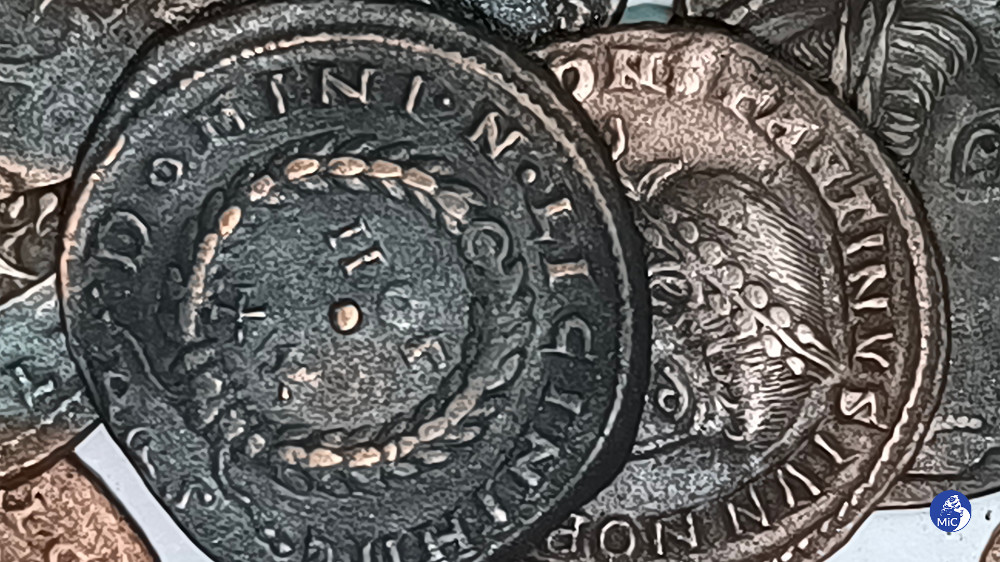
These zoomed-in pictures are to reveal more details of the folles. Photo: Ufficio Stampa e Communicazione MiC.
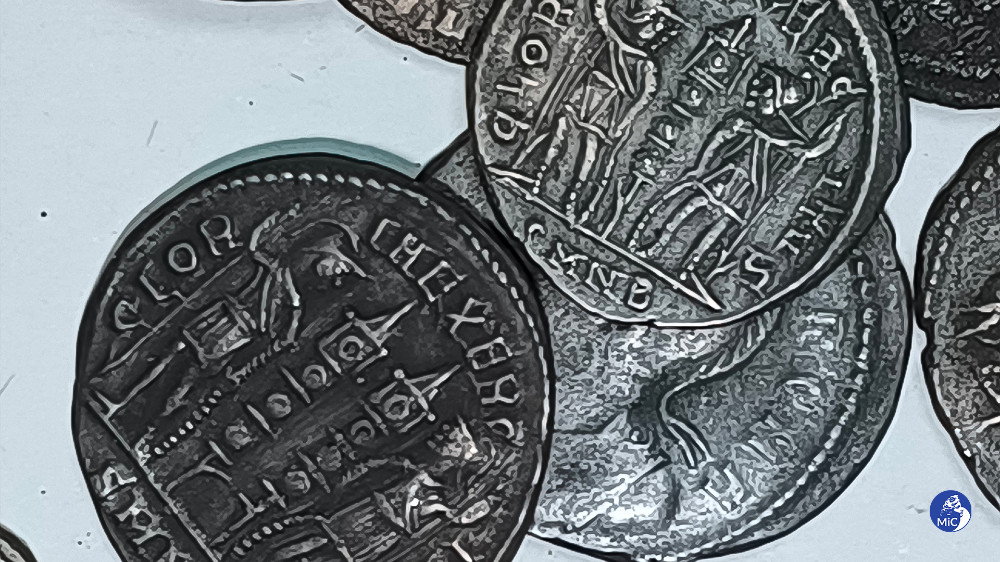
These zoomed-in pictures are to reveal more details of the folles. Photo: Ufficio Stampa e Communicazione MiC.
An Extraordinary Heritage at Risk
The archaeologists hope that the analysis of the hoard will provide further insights, for example into the Mediterranean trade. ABAP Director General Luigi La Rocca is quoted in a press release of the Ministerio della Cultura as follows:
“The treasure found in the sea near Arzachena is one of the most important discoveries of numismatic objects in recent years. It highlights once again the wealth and significance of the archaeological heritage preserved and protected by the bottom of our seas, which have been traversed by people and goods since ancient times. It is an extraordinary but also very fragile heritage, constantly threatened by natural phenomena and human activity. In order to protect and preserve it, the Ministry has developed extremely effective methods and techniques that are carried out by its central and subordinate structures.”
Is There a Wreck?
In addition to coins, archaeologists in Sardinia have also found parts of amphorae from Africa and the Near East. The objects were spread over two large sandy areas. Due to the nature of the seabed at this location, experts assume that there may still be parts of a shipwreck underneath. So perhaps we can expect more sensational news in the coming months.
You can find underwater videos of the recovery on YouTube:
You are currently viewing a placeholder content from YouTube. To access the actual content, click the button below. Please note that doing so will share data with third-party providers.
