



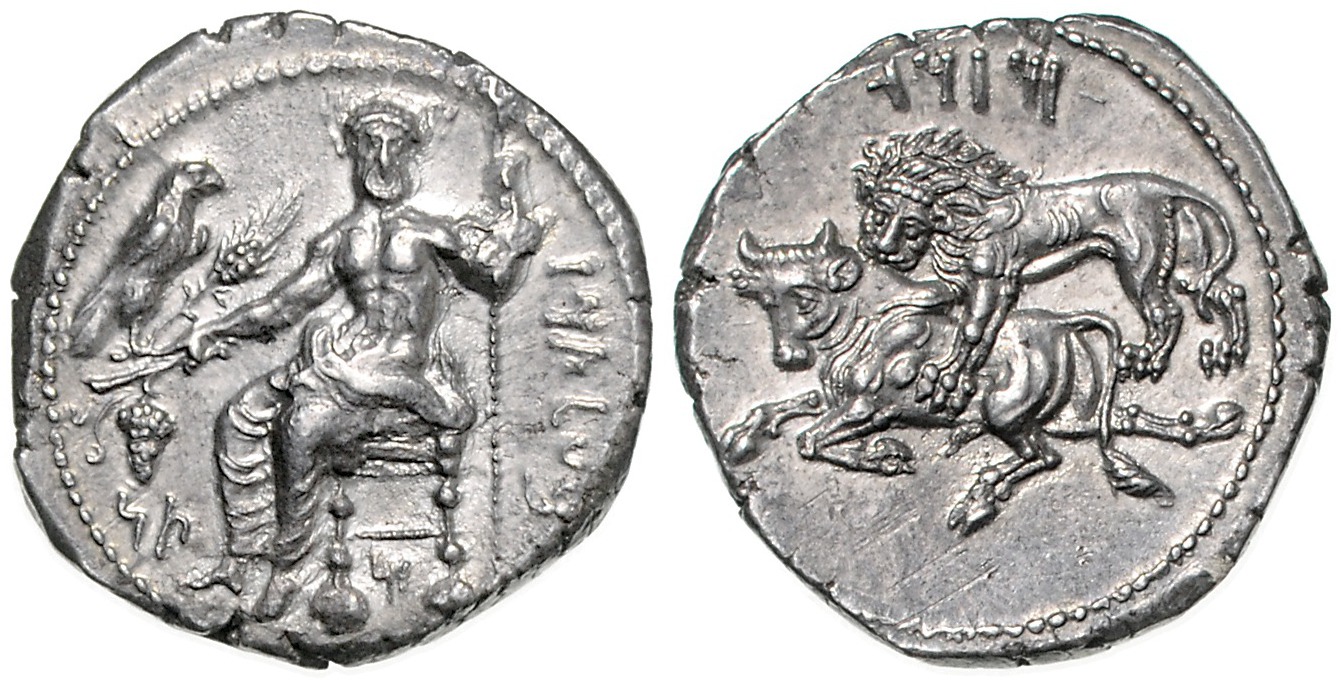
Persian satrap Mazzaios.
AR Stater (361-334 BC)
with Baal of Tarsus.
Condition: ef.
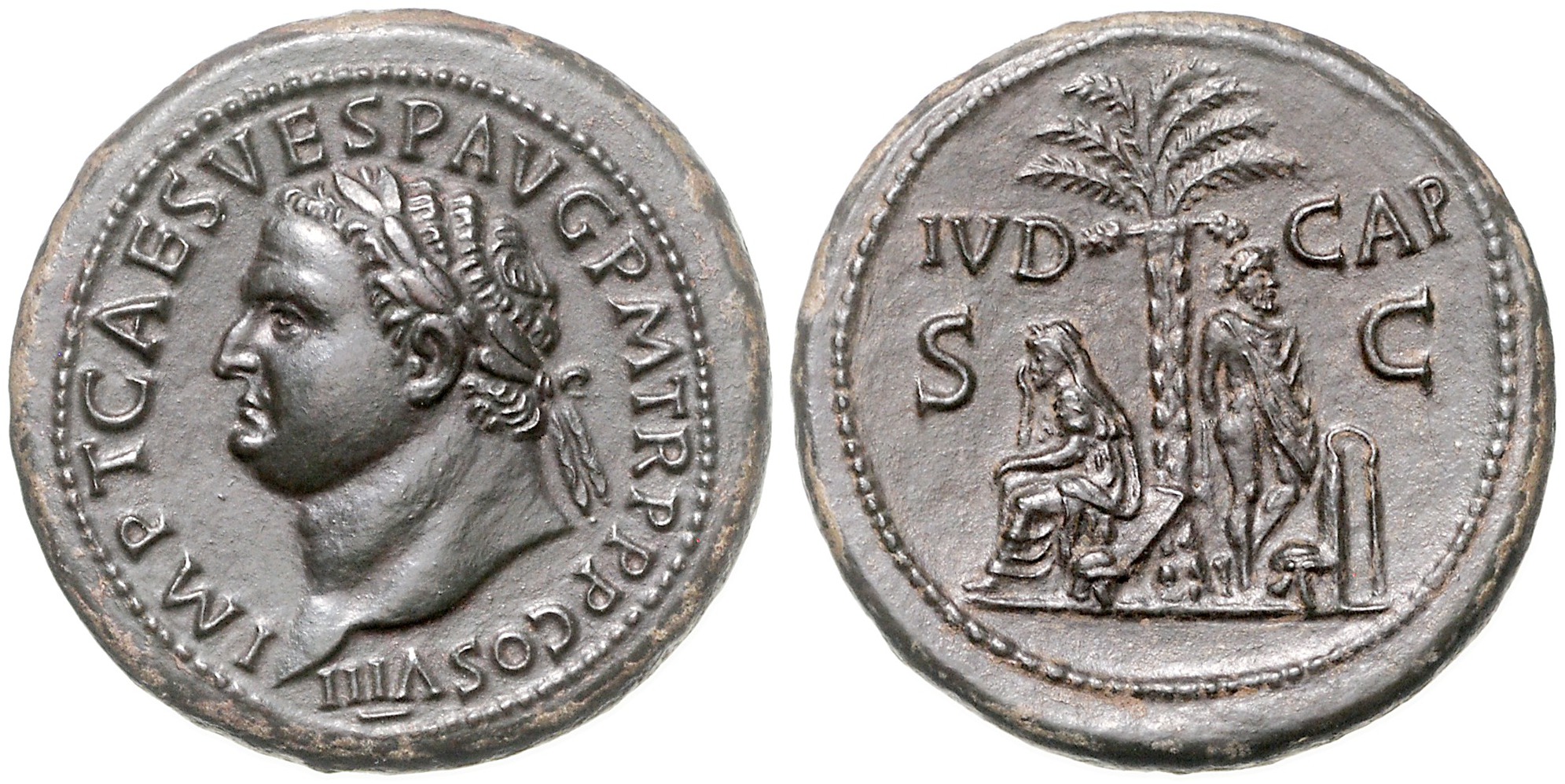
AE Sestertius (AD 80–81), Rome.
"Judaea Capta" type.
Condition: rare, ef.
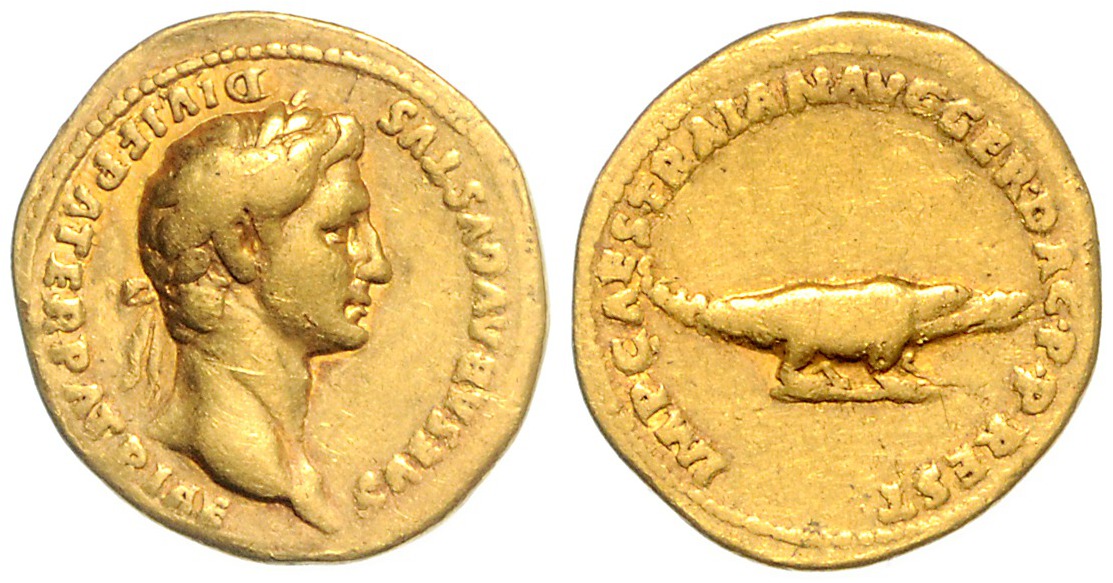
AV Aureus (AD 107–113), Rome.
Restitution issue honoring Augustus.
Condition: extremely rare, near vf.
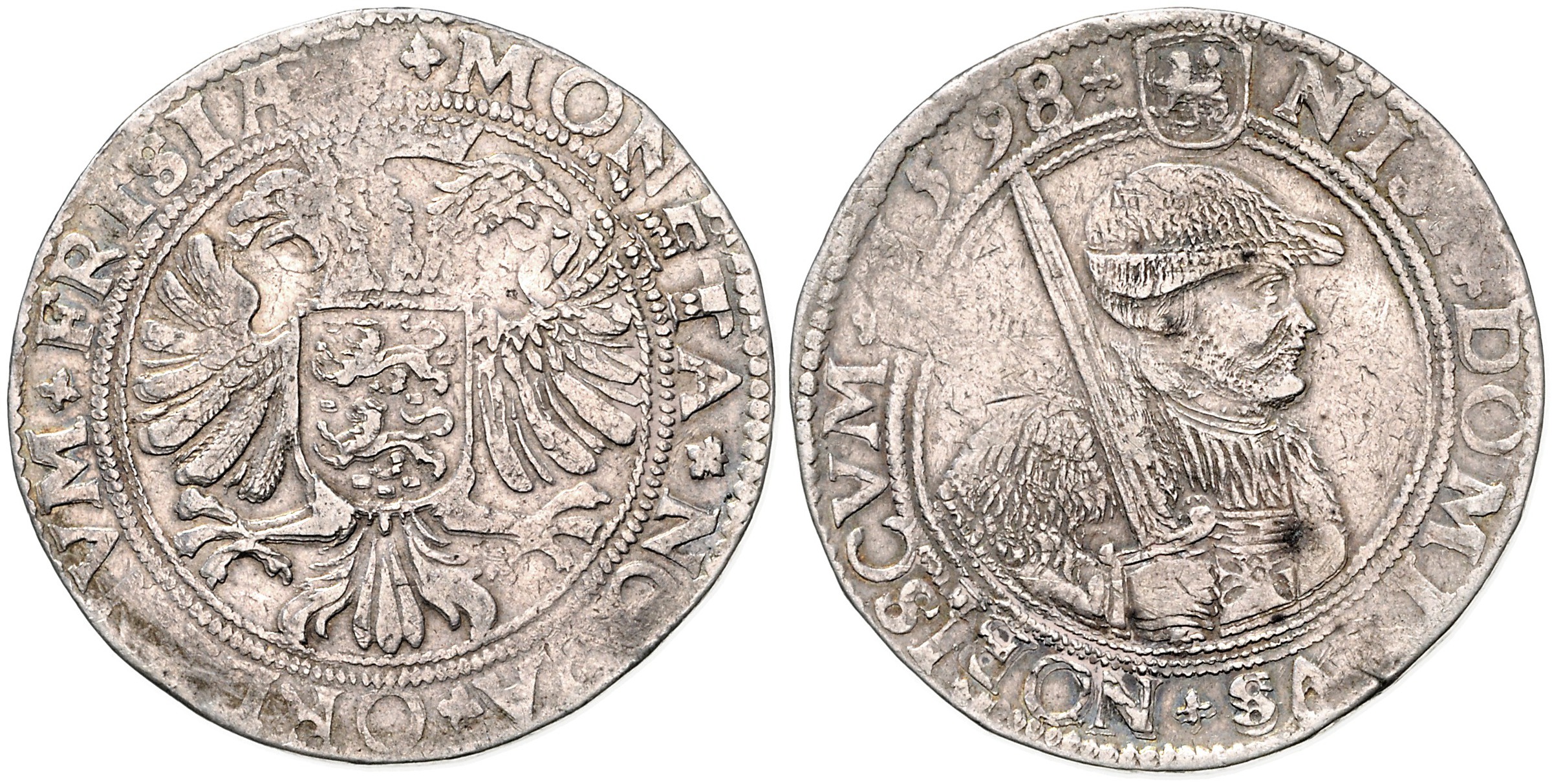
Arendsrijksdaalder (Eagle Rixdollar), 1598.
Condition: very rare, vf.
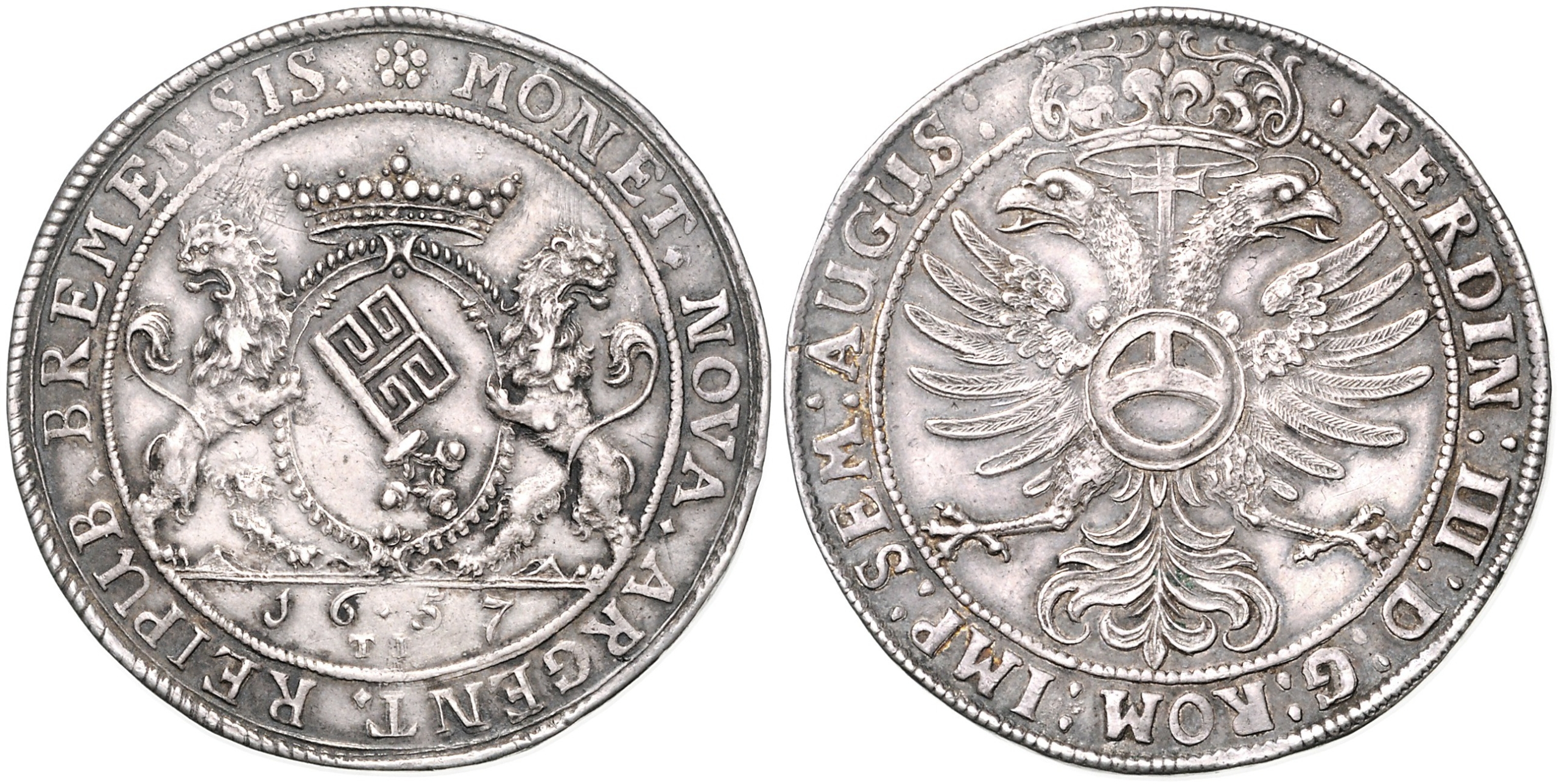
Thaler, 1657.
Bearing the title of Ferdinand III.
Condition: near ef/ef.
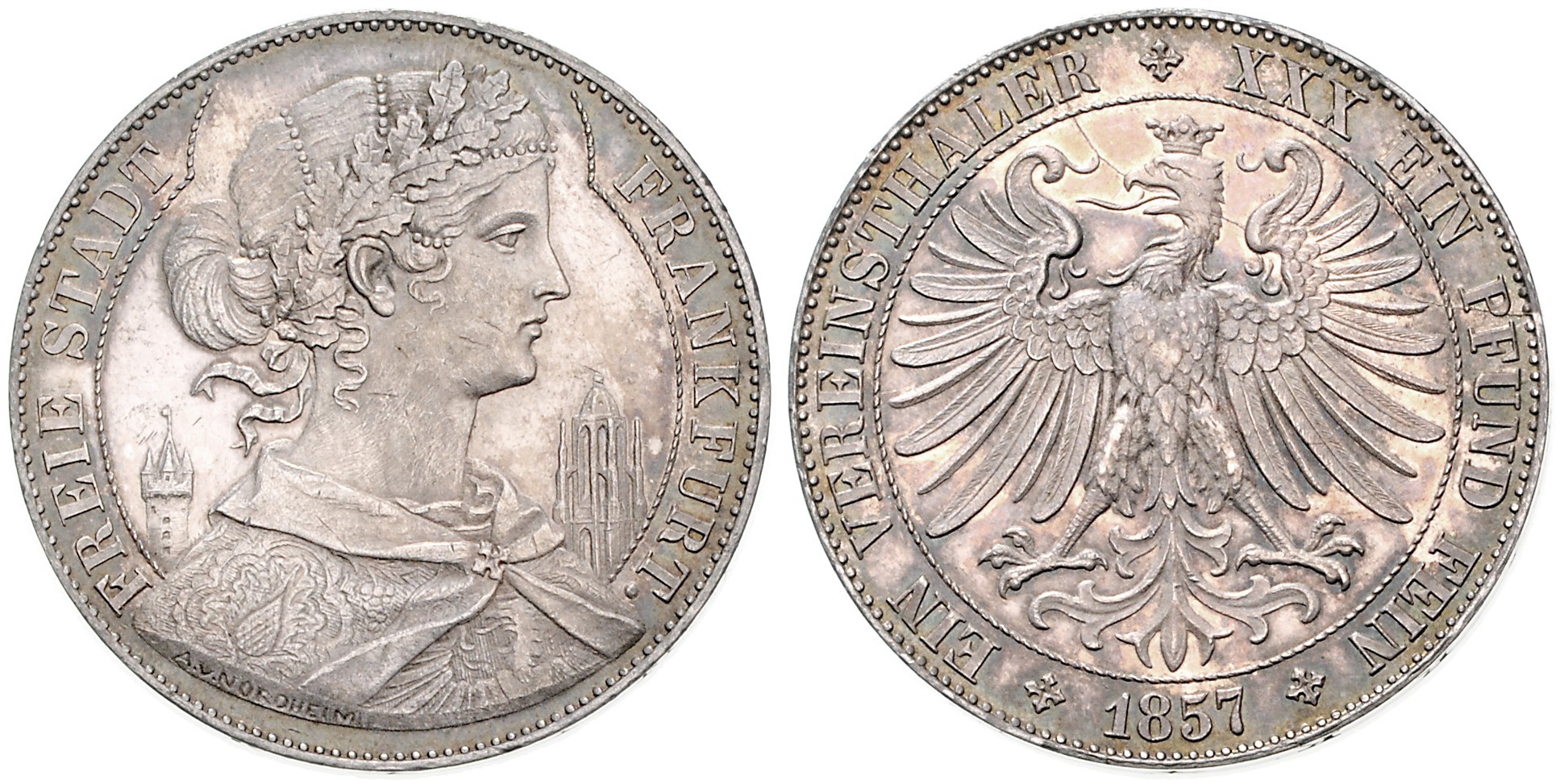
Vereinstaler 1857.
Condition: attr. piece, first strike.
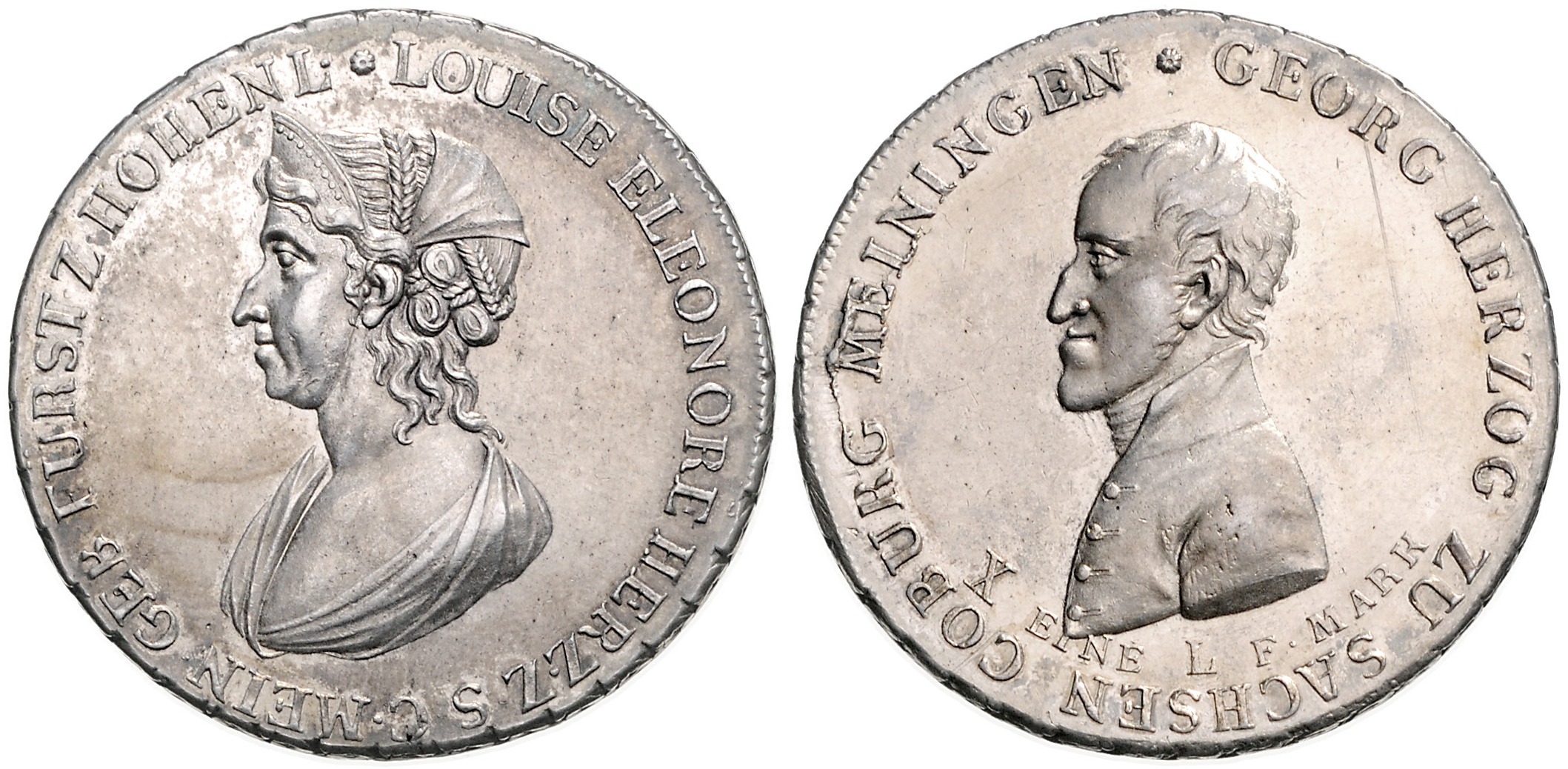
Convention thaler, n.d. (after 1803),
issued on the death of Duke Georg.
Condition: extremely rare, unc.
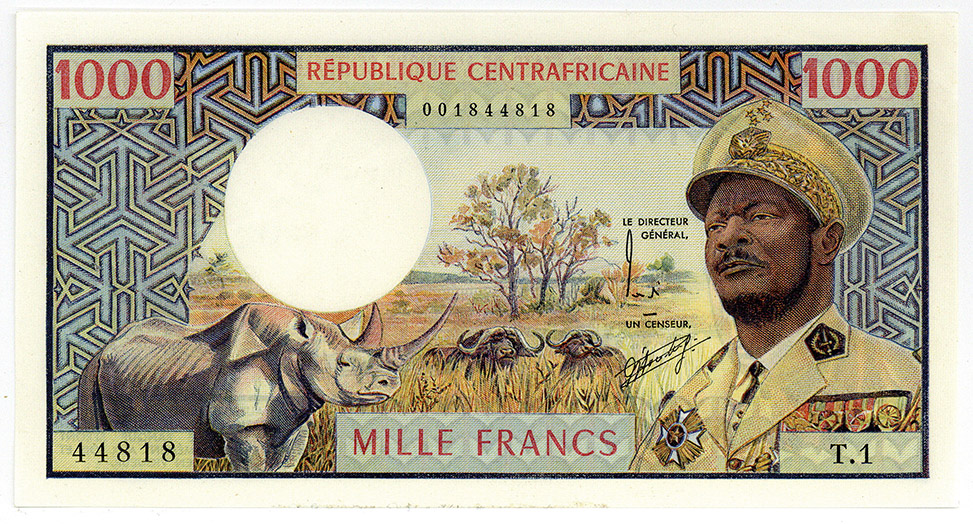
Banque des États de l'Afrique Centrale,
1000 francs 1974.
Condition: I-.
Collection of British Celtic Coins Accessible Online
A collection of over 200 coins from over 200 years of Celtic British history is now available to a worldwide audience. The last time the coins held in The Hunterian, the University of Glasgow’s museum, were catalogued in any form was nearly 120 years ago. Now thanks to the efforts of a group of student volunteers studying at the University’s College of Art & Humanities, coins from different British tribes and featuring a range of designs have been digitally catalogued.
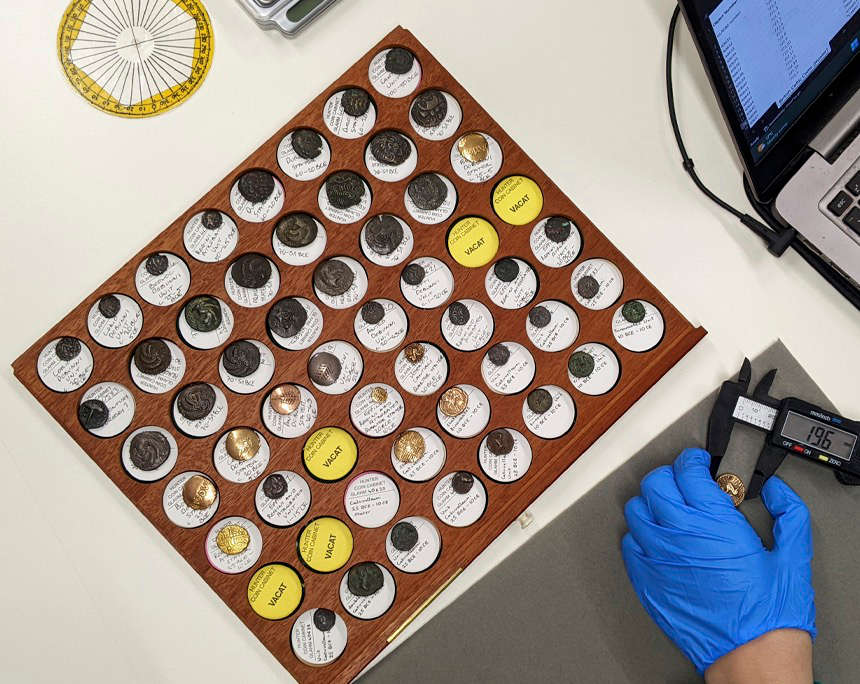
The last time the coins were catalogued in a paper format in 1905. Image: University of Glasgow.
The project arose as a way of giving students on the MSc in Ancient Cultures an opportunity to work further with the material traces of the cultures they study. The newly digitized records for the Celtic British coinage are now available on the University of Glasgow’s Collections database.

Each coin was closely examined. Image: University of Glasgow.
Jesper Ericsson, Curator of Numismatics, The Hunterian, University of Glasgow, said: “These coins haven’t been properly catalogued in a modern sense, and now we’ve got over 200 coins from over 200 years of Celtic British history available on our database worldwide to anyone who wants to look at them. The last time they were catalogued in any form was in a paper format in 1905, so over a century later, we’ve finally got them online. They’re going to be really useful for researchers, for students, for teaching sessions from now on. And that’s all down to the volunteers.”

The student worked with the newest literature. Image: University of Glasgow.
Mr Ericsson added: “Each of the three student volunteers were all given a different British Celtic tribe to look at and to work out what the coinage was and catalogue it. They all did a brilliant job. What I found most interesting, going through their work and being with them and talking to them, is the range of designs on the coins, because Celtic coins themselves can be absolutely mad. We’re looking at a coin and we have no idea what we’re looking at then you look at the description but you still have no idea what you’re looking at. But the more you handle them and the more you look at them, you see just how clever and imaginative the designs are. For me my favourite part of the project was getting to know the coins better.”

An example of the stylized images of the celtic coins. Image: University of Glasgow.
The coins show a range of images, like horses, boars, bulls, and eagles. Others feature depictions of warriors, mythological creatures, or intricate geometric patterns.
Maksymilian Wojcik, MSc in Ancient Cultures and one of the student volunteers, said: “When it comes to working with the coins, I feel like it’s almost like detective work. We start with a tray of coins and we need to find them in the published catalogues and books. Then we weigh them and measure them, describing what is on both sides of the coins. We had to write down their dates, where they originate and what kind of tribe they came from. And once that’s done, we then took photos of them and then we uploaded them online into the website.”

An example of the stylized images of the celtic coins. Image: University of Glasgow.
Ailsa McNicol, MSc in Ancient Cultures, said: “I hadn’t looked at Celtic coins specifically before, so it was quite interesting to see how similar they were to Roman ones. I was able to get a better sense of what I’ve studied and how people have discovered that by looking at the material record.”

Image: University of Glasgow.
Dr Angela McDonald, who convenes the MSc in Ancient Cultures, said: “It was a transformative experience for the students in the end. They built up specialist knowledge and learned so much from Jesper. They’ve been able also to share this knowledge through their contribution to the online catalogue. They’re still full of enthusiasm for the coins they worked with. I’m a firm believer that one of our unique selling points for the Ancient Cultures program is our access to the world-class collections in The Hunterian. Our students don’t just study the ancient world; they hold it in their hands through our handling sessions. They experience the past through the objects that have come down to us and it deepens their appreciation. It’s a lovely symbiosis because the teaching encourages research into the objects; and we have several research projects currently under way.”