







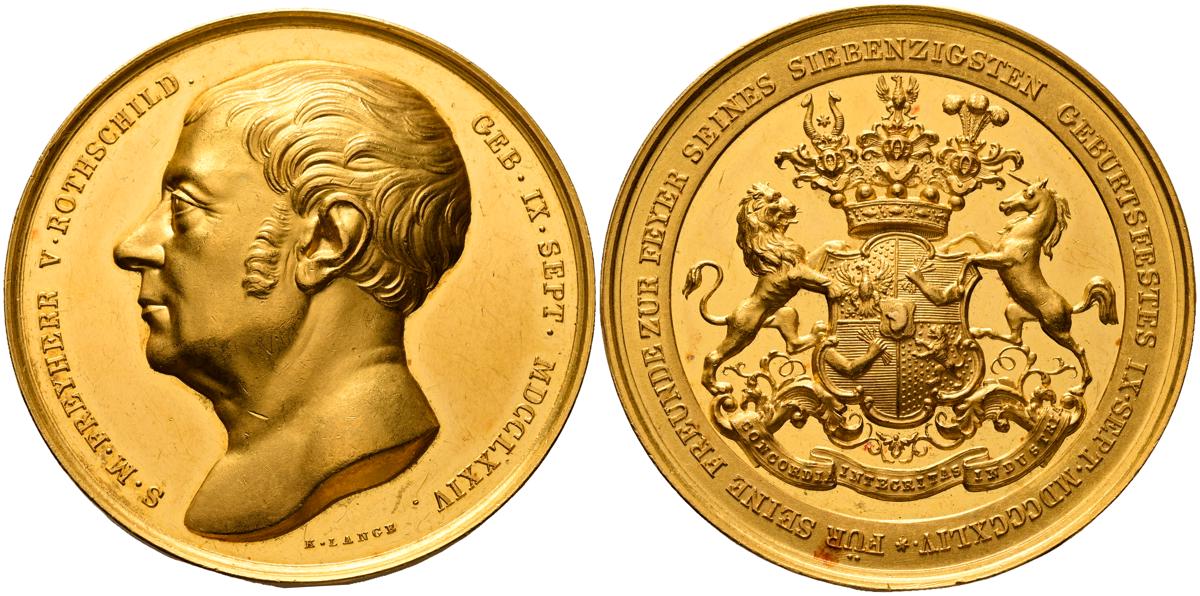
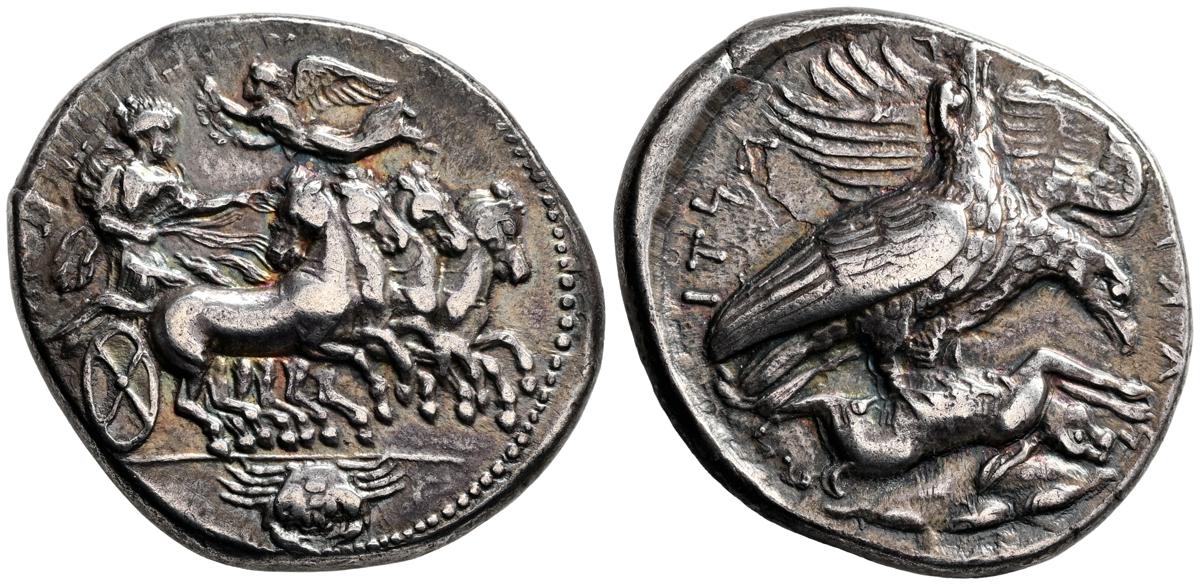
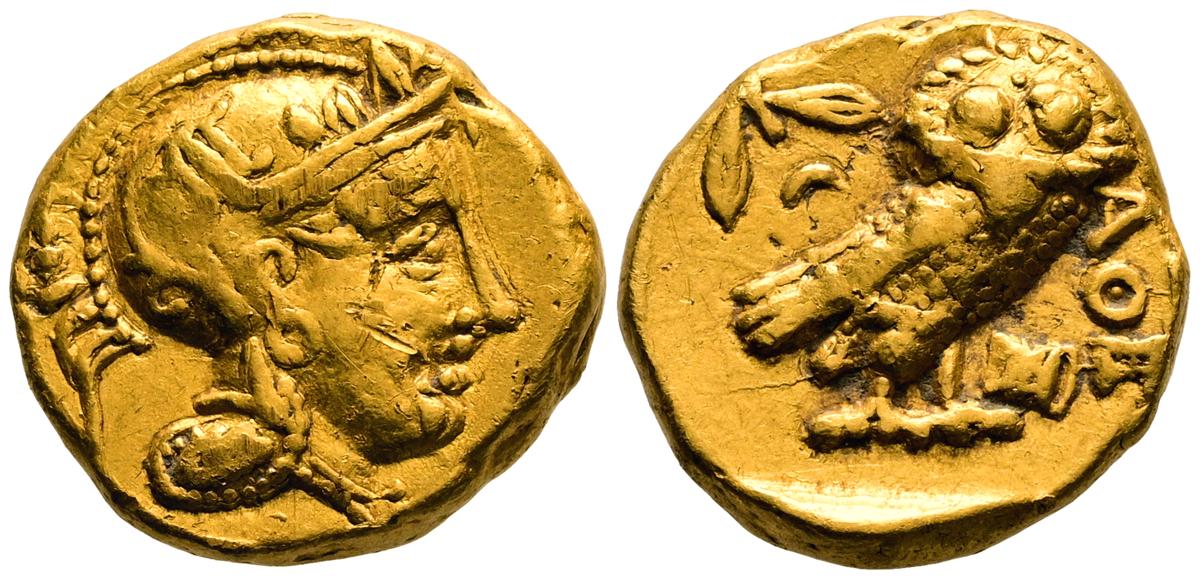
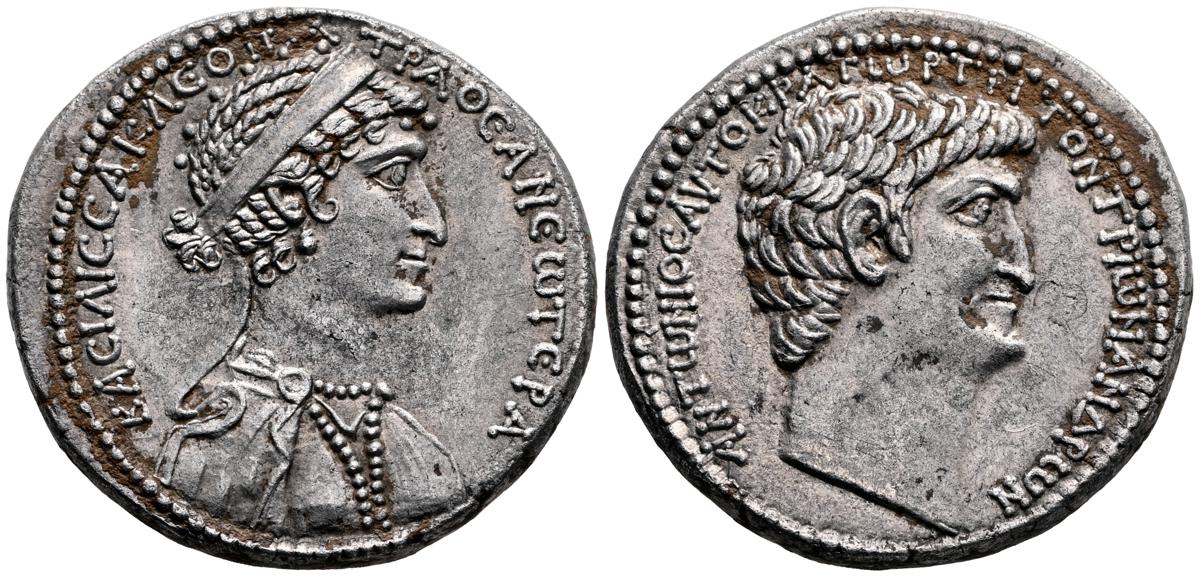
Fakes, Counterfeits, Imitations – CoinsWeekly NYINC Special Issue
by Ursula Kampmann
It’s every coin collector’s worst nightmare. We’re all familiar with the dread of falling victim to a counterfeit. And yes, there’s always a risk of purchasing one.
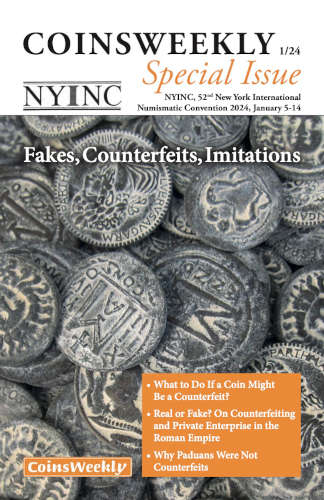
After the invention of the coin, it probably took only a few months for the first counterfeit to be created. Learn more about this fascinating topic in our CoinsWeekly Special Issue!
There are a few wonderful quotes about this. My former boss Dr. Hans Voegtli, for example, always used to say that every good old collection contained a “Becker”. And Pierre Strauss told me about an infallible way to check whether a coin dealer was being honest with you. “Ask them whether they’ve ever bought a counterfeit,” he said. “If they are honest, they’ll say yes. If they say no, that’s a lie. Or they’re so stupid that they still haven’t figured out that it’s a counterfeit.”
However, when concerned collectors post pictures on forums or ask others what they think of a particular piece at coin shows, we’re usually not dealing with highly sophisticated counterfeits. In most of these cases, we can tell that something’s off even without using a magnifying glass. And as soon as the devastating judgement is pronounced, you can usually hear them say: “Well, that’s what I thought, too. Something felt wrong about it.”
If you find yourself in such a situation, have some fun and ask further questions. Like where they bought the piece. You will hear stories about an irresistible online offer. Or perhaps they brought the coin home from a vacation as a souvenir, and the dealer at the antiquities store swore by all that’s holy that the piece was authentic. You will also come across coins from flea markets and pieces purchased from generic auction houses. Briefly said, in 90% of such cases, the buyer was tempted to purchase the coin due to an unreasonably low price.
And this brings us to the most effective method of protecting yourself against counterfeits. Don’t believe in Santa Claus! Buy your coins from specialized dealers who vouch for the authenticity of their pieces as members of dealers’ associations.
After all, most supposedly cheap coins still turn out to be far too expensive because they are fake!
