








Florida Recognises Gold and Silver as Legal Tender
By Sebastian Wieschowski
At the end of May 2025, Florida Governor Ron DeSantis, a Republican, signed into law HB 999, which will allow certain gold and silver coins to be used as legal tender within the state. According to regional broadcaster NBC6, these precious metal coins will also be fully exempt from sales tax – a move that could position Florida as a pioneer among US states.
Content
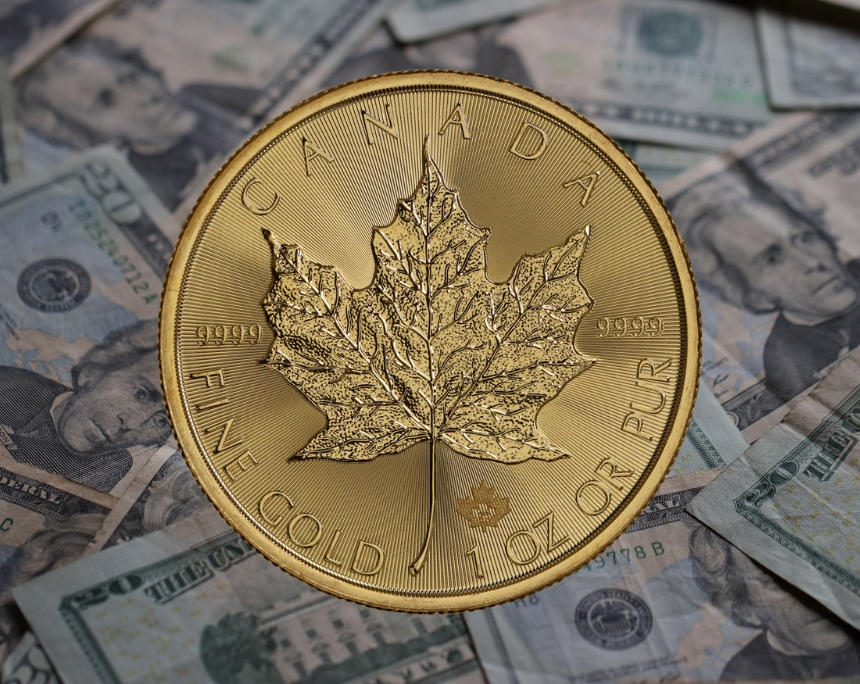
Canadian gold instead of the US dollar: Florida turns away from its own currency and enables cash payments using precious metal coins. Photo: Wieschowski.
The new regulation applies exclusively to gold and silver coins that meet clearly defined purity standards. Only if these specifications are met can the coins be used as a means of payment between consenting parties. This means that while the use of precious metals in everyday transactions is not mandatory, it is now legally permitted—provided both sides agree on the exchange value and terms of the transaction.
Tax exemption as a key element
A central component of the law is not so much the practical introduction of a gold-based currency, but rather the planned exemption from sales tax: sales of gold and silver coins will no longer be subject to Florida’s sales tax. This tax relief is seen as a crucial precondition for establishing precious metals as a viable medium of exchange. According to NBC6, Republican Representative Bill Bankson, who introduced the bill, stated that the aim was “to remove the tax burden and create a functional alternative in the payments system.”
Political and economic dimensions
For Governor DeSantis, the law represents a symbolic gesture in support of economic self-determination. On the platform X, he emphasised that Florida stands for economic freedom and against excessive government interference. The recognition of precious metals as legal tender is intended as a message to citizens who have lost confidence in current monetary policy. In fact, gold and silver have been gaining popularity in times of crisis—not only as stores of value, but increasingly as inflation-resistant means of exchange.
Impact on the precious metals market?
For coin collectors and precious metal investors in Germany, the development in Florida is certainly worth noting. While the regulation is not nationwide, it could serve as a signal—particularly for other states with similar fiscal policy orientations. The full exemption from sales tax, combined with legal recognition as a means of payment, strengthens the position of investment and collector coins with high purity. If the law comes into effect as planned on 1 July 2026, it could also trigger increased demand in the US precious metals market.
