




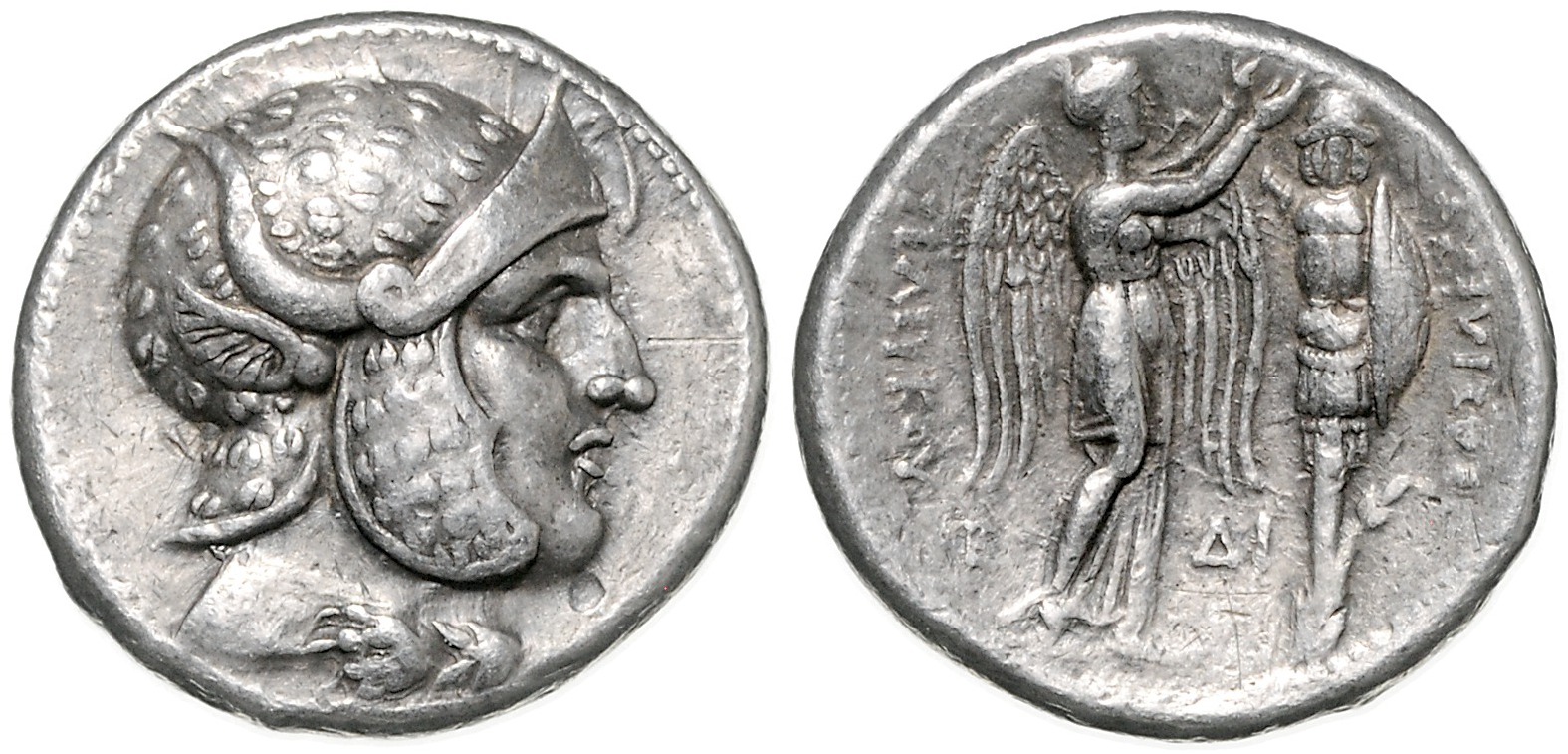
Seleucus I Nicator (312–280 BC),
AR tetradrachm, Susa.
Condition: beautiful patina, near ef.
Video highlight: Watch now!
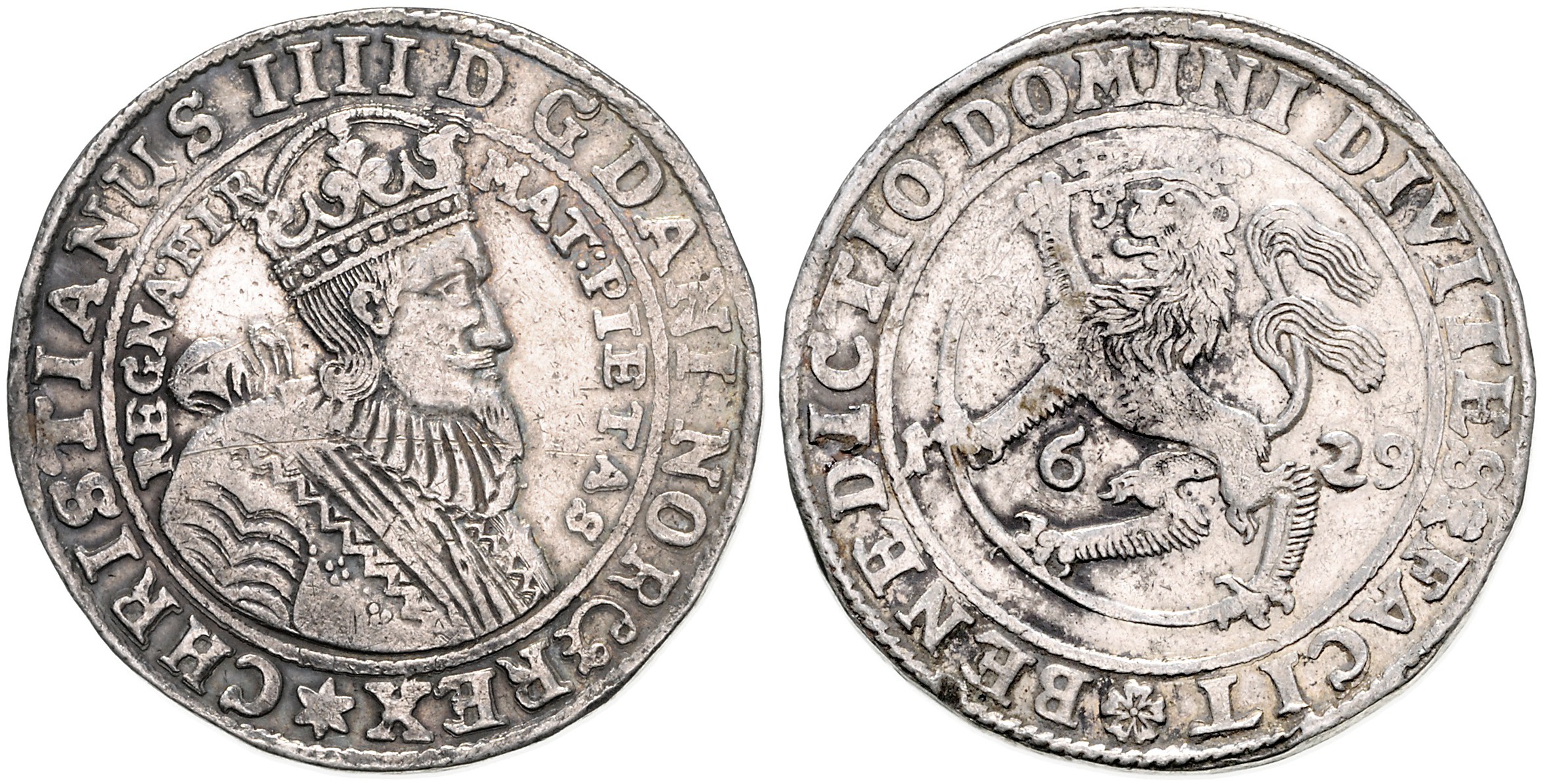
Christian IV (1588–1648),
Speciedaler 1635, Christiana (Oslo).
Condition: rare, vf+ .
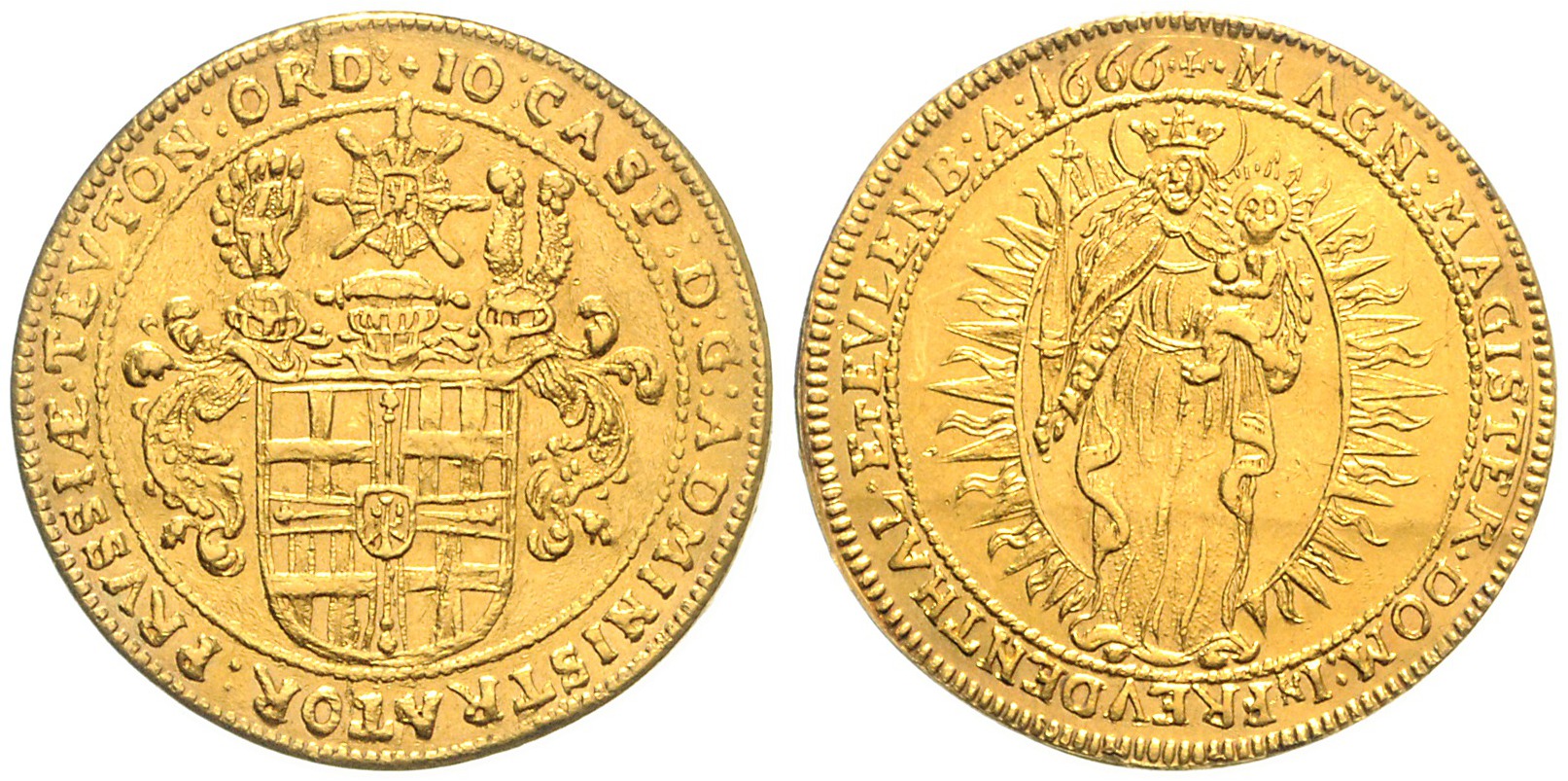
Johann Kaspar (1664–1684),
double ducat 1666.
Condition: rare, ef.
Video highlight: Watch now!
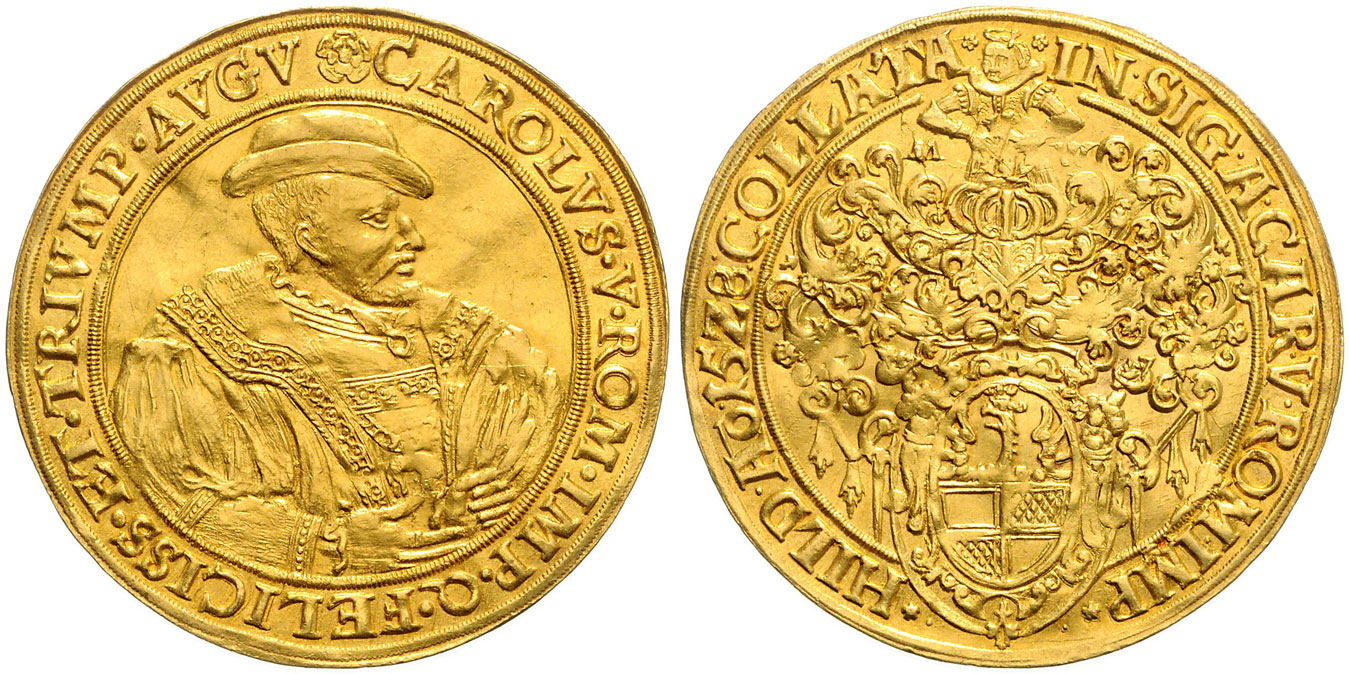
5 gold guilders, 1528 (minted 1614–1620),
bearing the title of Charles V.
Condition: slightly worked, ef.
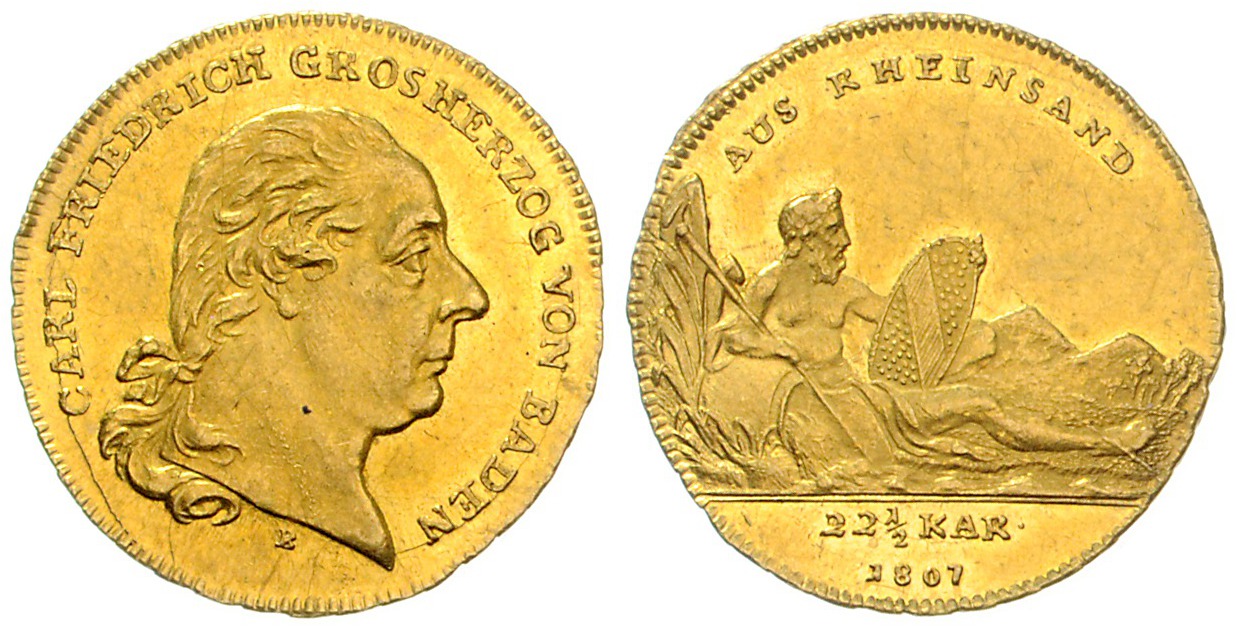
Carl Friedrich (1806–1811),
Rhine gold ducat 1807.
Condition: rare, near ef/ef.
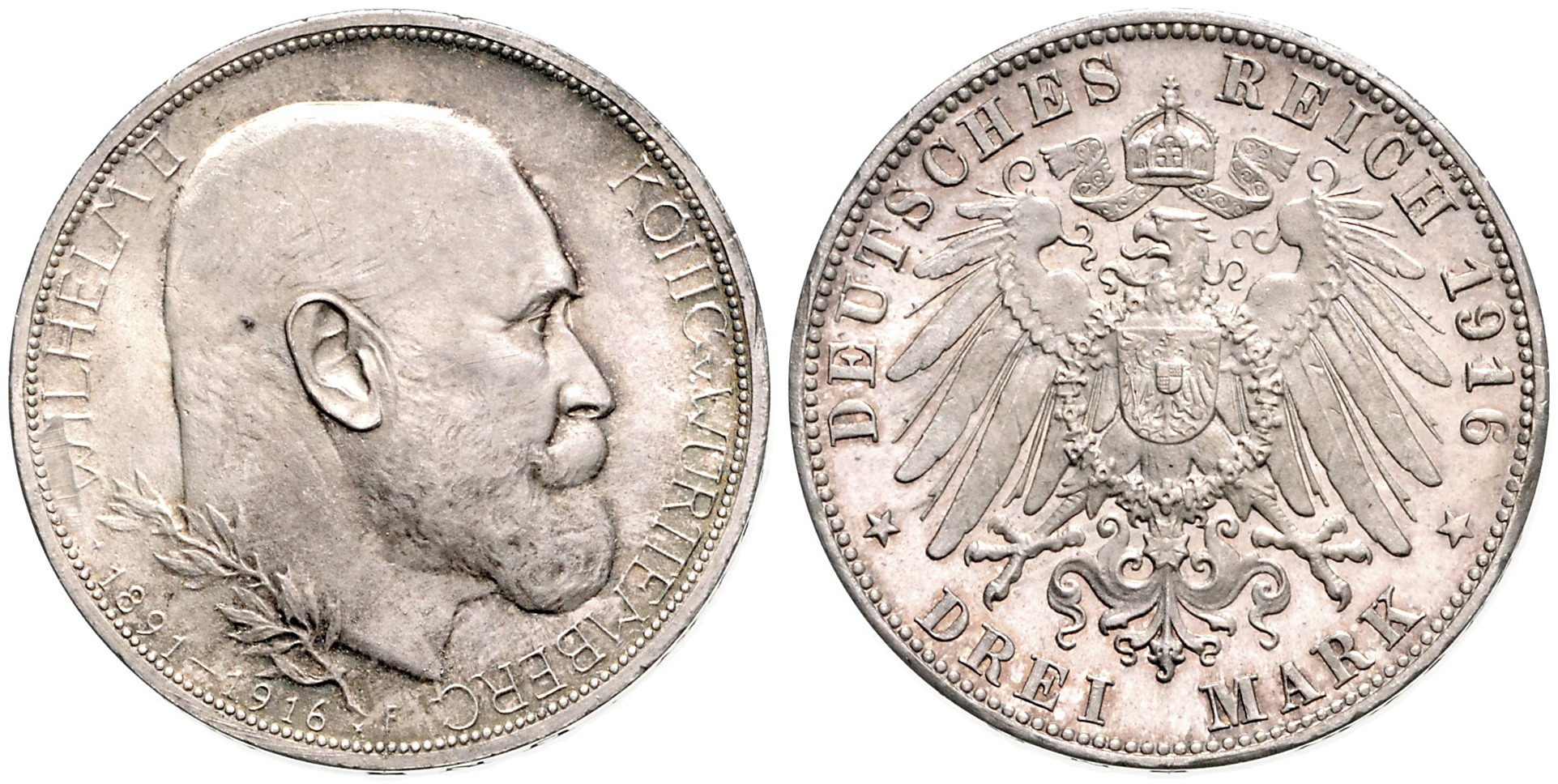
Wilhelm II. (1891-1918),
3 Mark 1916 F.
Condition: first strike
Video highlight: Watch now!
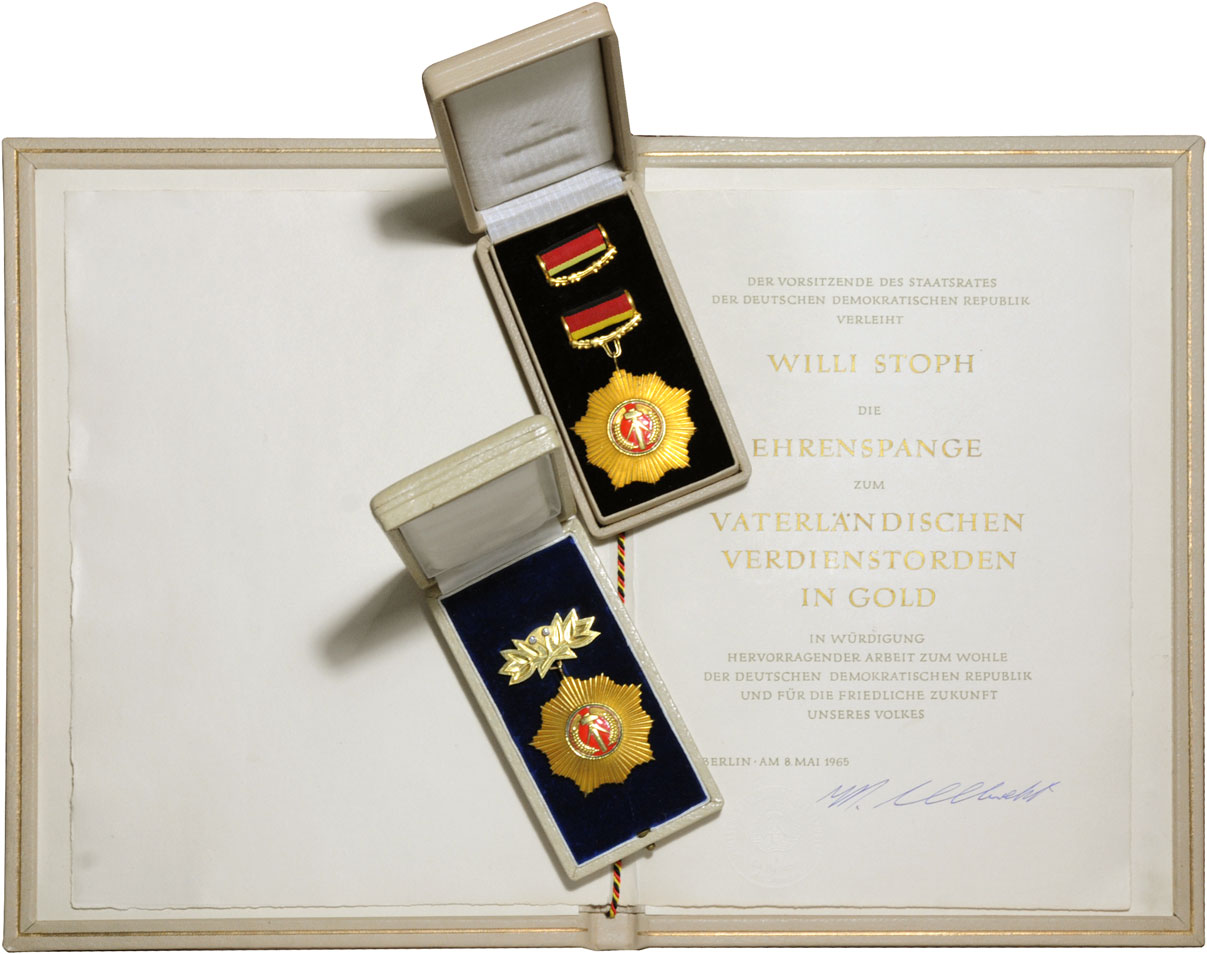
Collection from the estate of
Willi Stoph (SED official).
Set of decorations, including a certificate and
a charcoal drawing.
Condition: very rare, ef.
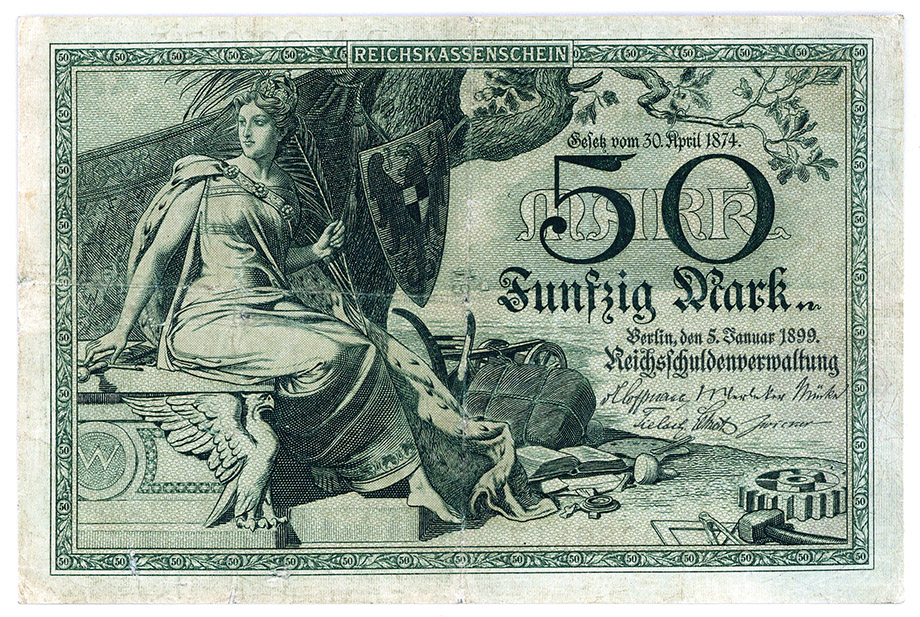
50 Marks,
January 5, 1899.
Condition: very rare, III-/IV+.
Hoard of Viking Coins Unearthed on the Isle of Man
The Isle of Man’s rich Viking legacy has been further enhanced by the discovery of the Island’s latest treasure hoard, which was declared Treasure by the Isle of Man Deputy Coroner of Inquests, Rebecca Cubbon, on 30th September 2024.
The latest hoard consists of around 36 silver coins (whole and fragments) and was discovered in May by John Crowe and David O’Hare whilst metal detecting, with permission, on private land. The discovery marks the second treasure inquest on the Island in 2024.

Finders David O’Hare (left) and John Crowe (right), pictured with Allison Fox, Manx National Heritage Curator for Archaeology. Image: Manx National Heritage.
Allison Fox, Curator for Archaeology for Manx National Heritage said: “This is a wonderful find which helps further our understanding of the complex Viking Age economy in the Isle of Man, where more Viking Age silver has been discovered per square kilometre than in England, Ireland, Scotland and Wales”.
During the summer, the hoard was studied by the world’s leading expert in Viking Age coins from the Isle of Man, Dr Kristin Bornholdt Collins, an independent researcher and numismatist based in New Hampshire, USA. Dr Bornholdt Collins confirmed that the hoard includes pennies minted in England and Ireland, dating from between around AD 1000 to 1065.

Penny of King Sihtric Silkbeard, Norse King of Dublin from AD 989 to 1036.. Image: Manx National Heritage
The majority were minted during the reign of Edward the Confessor (AD 1042 to 1066) with the English kings Aethelred II (AD 978 – 1016) and Canute (AD 1016 to 1035) also represented. There are various English mints represented, including York, London, Lincoln, Cambridge, Hastings, Ipswich and Exeter. The Irish coins date from the middle of decades of AD 1000 and were all minted in Dublin. They feature the profile of King Sihtric Silkbeard who served as Norse King of Dublin from AD 989 to 1036. Based on the latest English coins in the find, the hoard was abandoned shortly before AD 1070.
The geographical range of mints represented in this hoard illustrates a vibrant and mobile economy, with traders and cash moving through Ireland and England, via the Isle of Man, for an extended period throughout the Viking era.

Penny of Canute the Great, (King of England AD 1016-1035). Manx National Heritage.
Dr Bornholdt Collins said: “This important hoard was likely assembled in two or more stages, with the earlier English and Irish coins deposited together in the first instance, and the later coins dating to Edward the Confessor added later.
Like the slightly earlier and larger, Northern and Glenfaba hoards, and the similarly dated Kirk Michael hoards, this new hoard might be compared to a wallet containing all kinds of credit cards, notes and coins, perhaps of different nationalities, such as when you prepare to travel overseas, and shows the variety of currencies available to an Irish Sea trader or inhabitants of Man in this period.
Combined, the hoards provide a rare chance to study the contents side by side, right down to the detail of the dies used to strike the coins. Having this much closely dated comparative material from separate finds is highly unusual”.

Penny of Edward the Confessor, (King of England AD 1042-1066). Manx National Heritage.
Manx National Heritage extends thanks both to the finders and the landowner for their assistance with this latest discovery. Sincere thanks also go to Dr Kristin Bornholdt Collins for sharing her expertise and providing the detailed identification of the coins, which will go on display at the Manx Museum from Wednesday 2 October until 13th October 2024.