







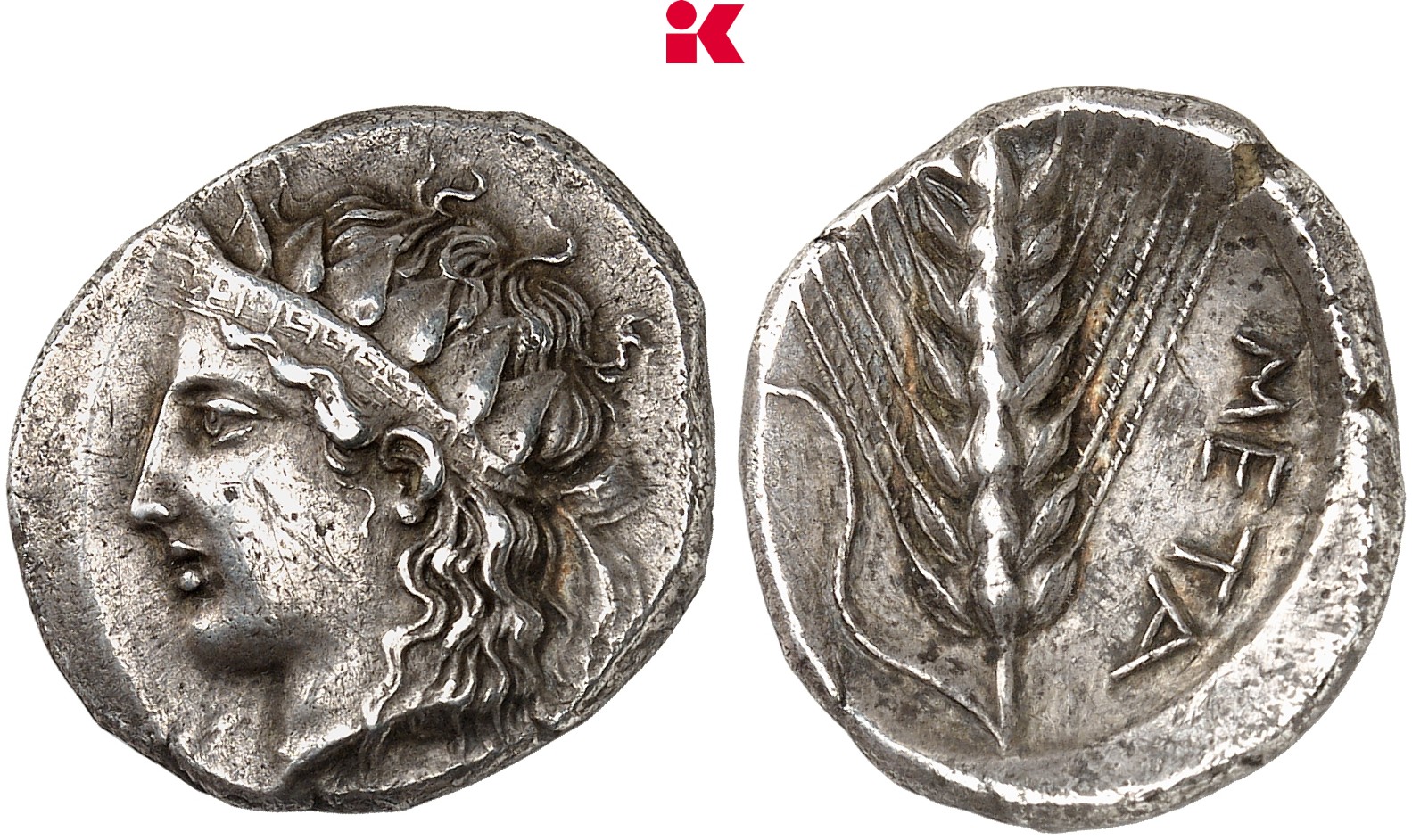
Didrachm, 400/340 BC. Attractive piece.
Very rare, particularly in this condition.
Dionysus head of the finest style.
Ex Hirsch VIII, München 1903, no. 792.
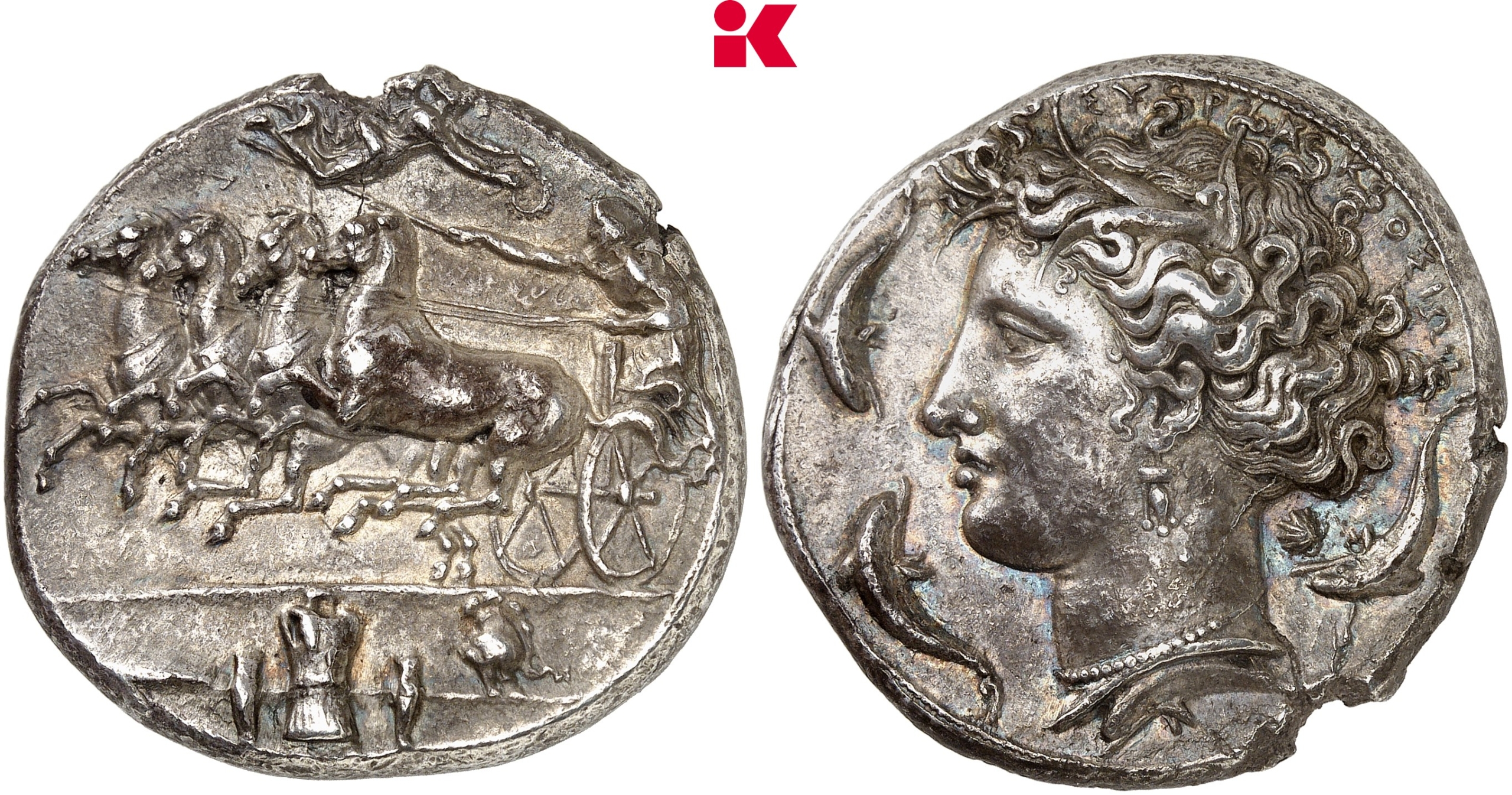
Decadrachm around 400/390 BC, unsigned.
Splendid patina, extremely fine.
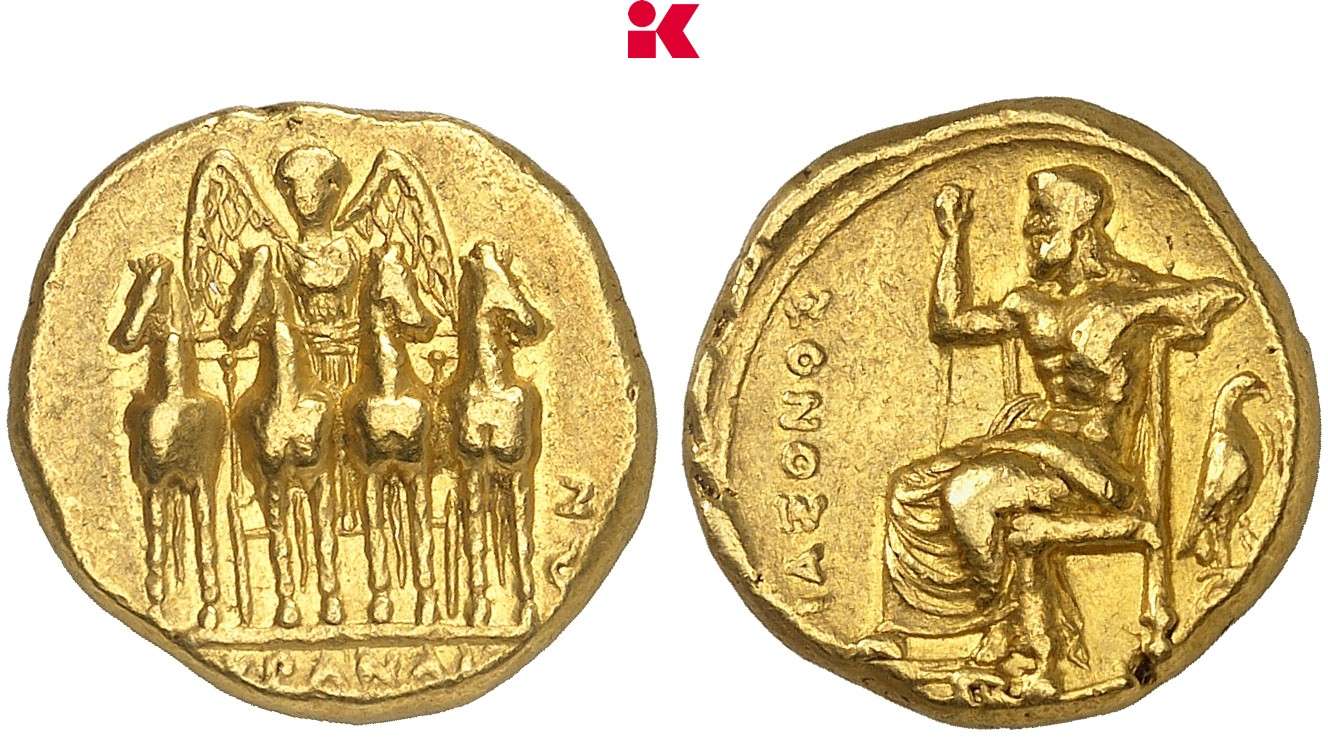
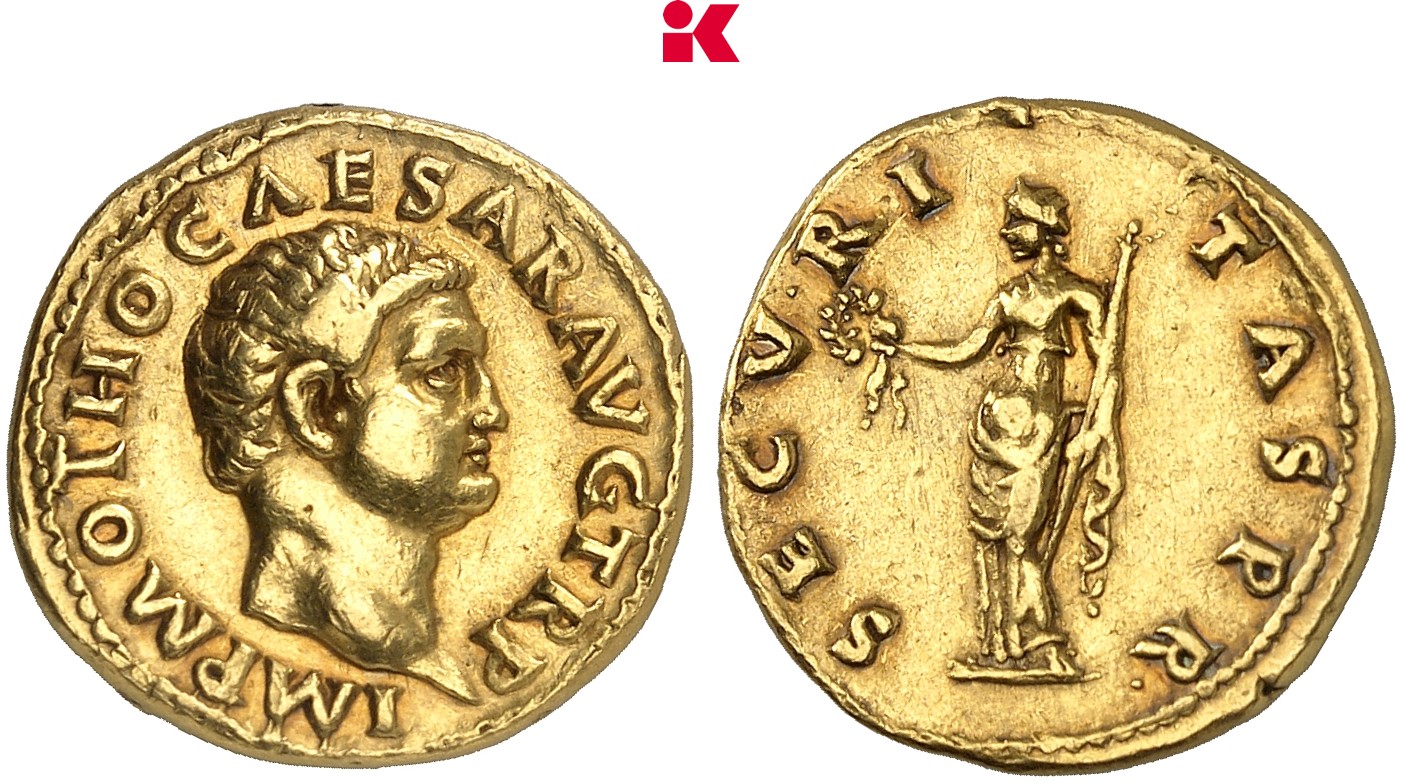
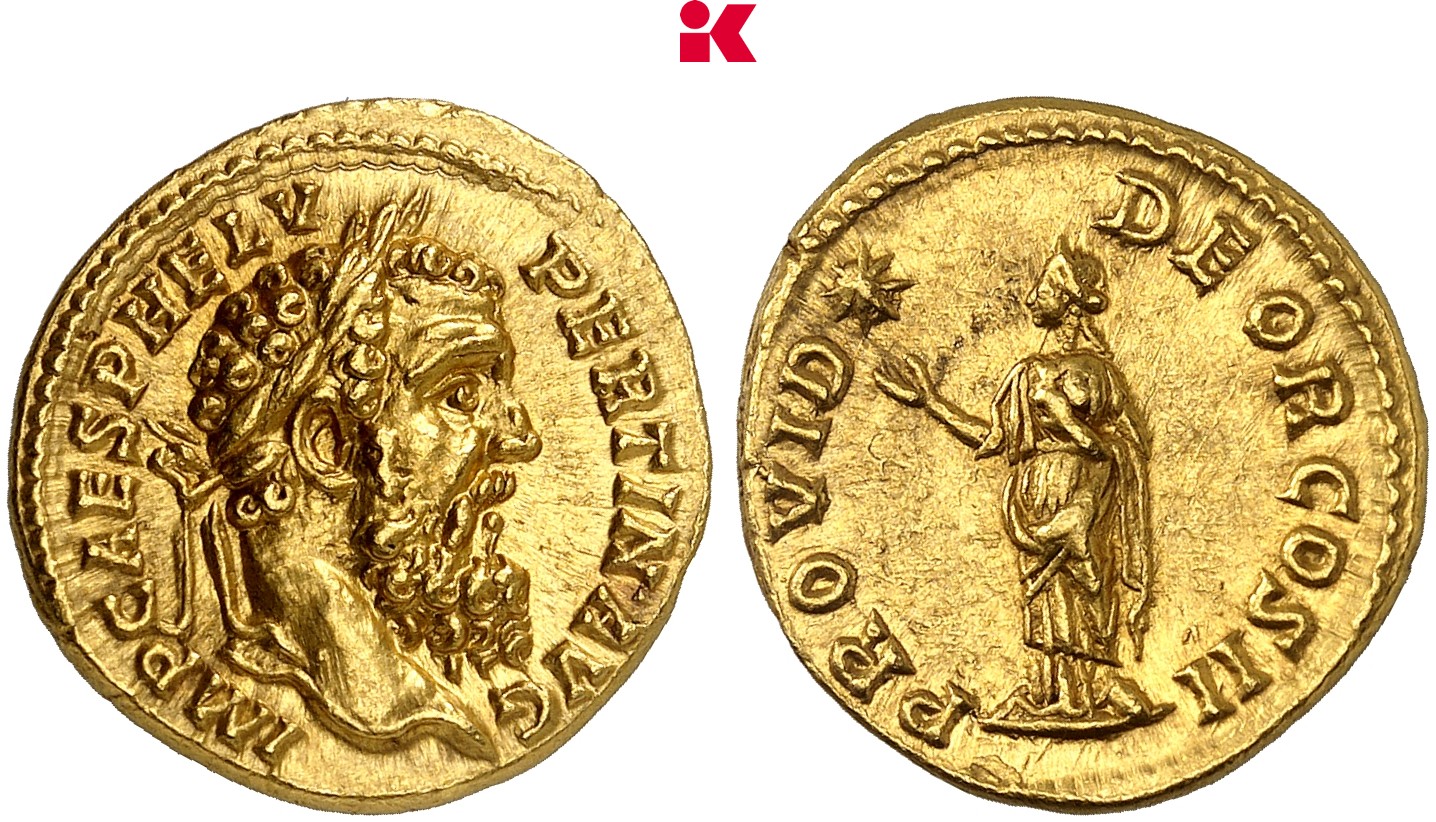
Aureus, Rome.
Very rare.
Attractive piece.
Ex Huntington (Inventar-no. ANS 1001.1.30032).
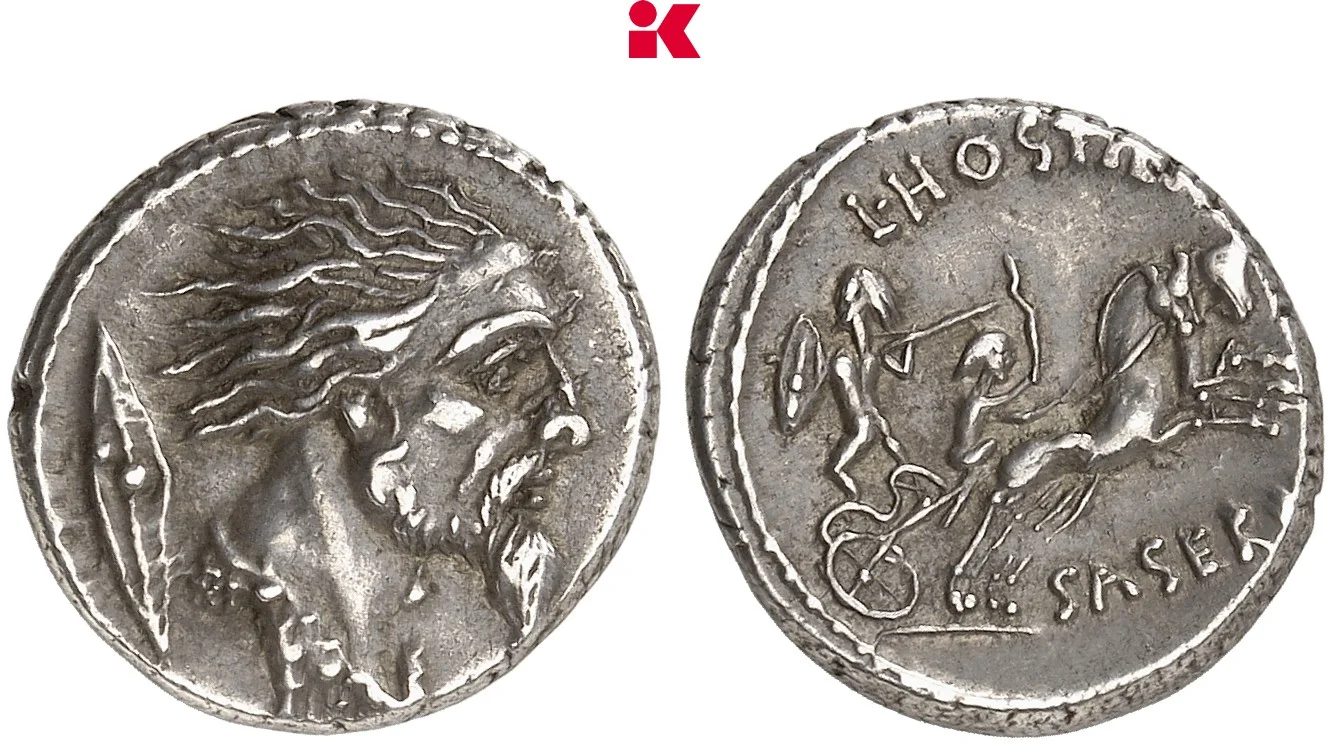
Denarius, 48 B.C., Rome.
L. Hostilius Saserna.
Very rare.
Attractive toning, extremely fine.
Ex Sternberg VI, Zürich 1976, no. 758.
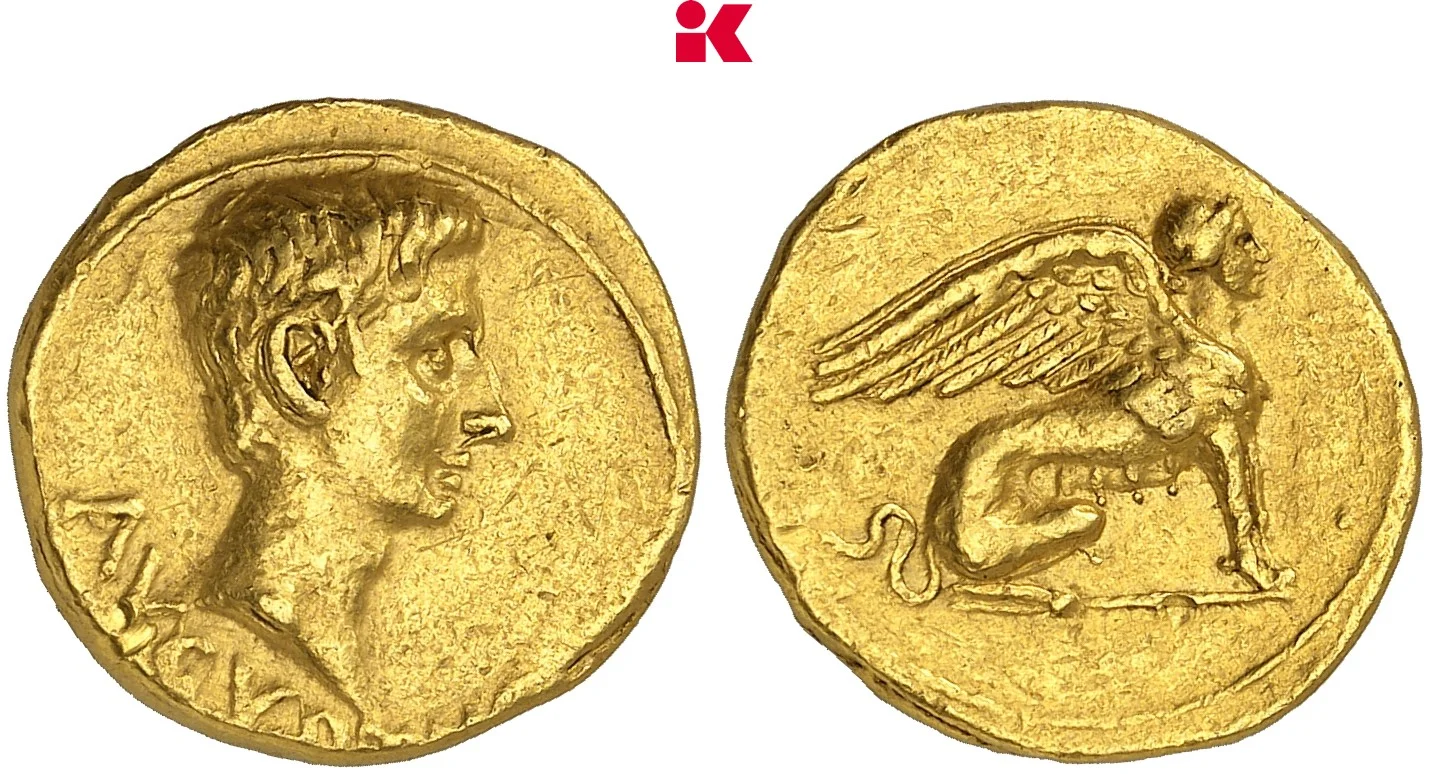
Augustus, 30 BCE–14 CE.
Aureus, 19/18 BCE, Ephesus (Ionia).
Very rare.
Min. Very fine.
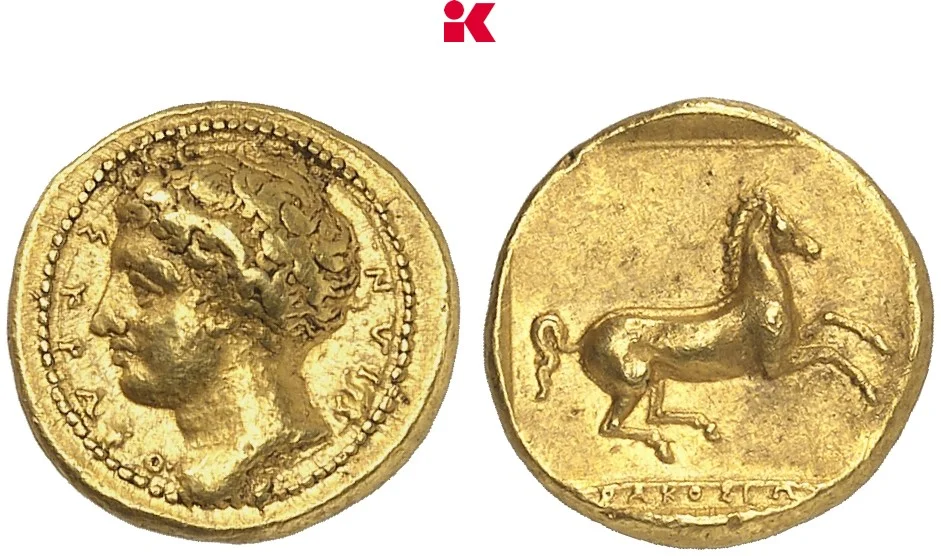
50 litren, 405/400 B.C.
Struck with a slightly rusty obverse die,
very fine-extremely fine/extremely fine.
NICAC Raises Concerns Over 2026 World Cup Commemorative Coins
The Numismatic Industry Coinage Advisory Committee (NICAC), a special committee of the National Coin & Bullion Association, released a report, “NICAC’s Concerns Regarding Pending Legislation for a 2026 World Cup Commemorative Coin,” expressing concerns with legislation authorizing the minting of coins commemorating the 2026 FIFA World Cup.
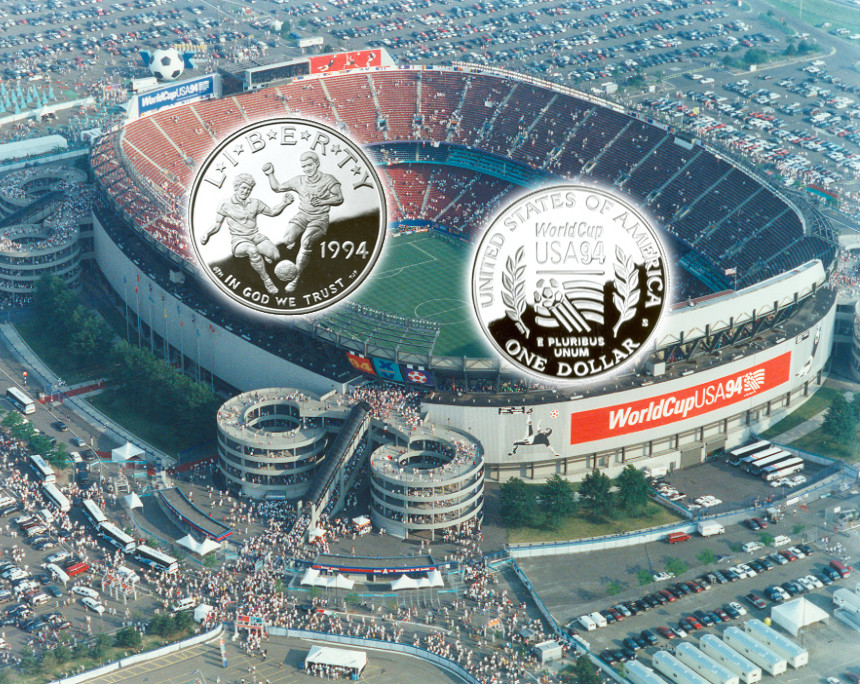
2026, the next FIFA World Cup is to be held jointly by the USA, Canada and Mexico. Here is one of the dollar coins issued for the 1994 World Cup in the USA. Image: US Mint. In the background is the Giants Stadium in New Jersey, one of the venues at the time. Photo: JazzyJoeyD / CC BY-SA 4.0.
“Eighteen months ago, NICAC urged Congress to adopt a coin program observing our nation’s role as one of three host nations for the 2026 World Cup,” said Philip Diehl, NICAC’s chairman. “Unfortunately, FIFA has chosen to proceed with its own ideas, and the result is deeply flawed.”
Profits from sales of the coins would be paid to FWC2026 US, Inc., a wholly owned subsidiary of FIFA, the Zurich-based organizer of the World Cup. FWC2026 US, Inc., could receive well in excess of $12 million from the program, 10 times its revenue from 2022 (the latest year available), which totaled $1.1 million.
NICAC’s report identifies several concerns with the proposed legislation:
- While the bills suggest profits from coin sales would go to programs for “inner-city youth,” in fact the money could be used for any U.S.–based soccer program, including the construction of a new headquarters and/or national training center for the U.S. Soccer Federation, developing elite national teams, and increasing the pool of referees.
- The bills are unclear whether profits would be shared with Canada Soccer and the Mexican Football Federation. Regardless, the bills do not require reciprocity in profit-sharing from commemorative coin programs of the other two host nations.
- FIFA has a longstanding, revenue-sharing partnership with an international numismatic business. The bills would enable this European firm to make discounted bulk purchases of coins and sell them to World Cup fans and coin collectors abroad, leaving the U.S. market shortchanged.
- According to the bill, mintages set by law could be raised by the Treasury secretary at any time based on market research FIFA would conduct. Collectors value scarcity and consider changes in mintages set by law a form of bait-and-switch marketing.
NICAC urges Congress to work with FIFA and this committee to address these concerns.
