







Pop-Up Expo at the Royal Library of Belgium: The Past in Metal
The Department of Coins & Medals of the Royal Library of Belgium (KBR) invites you on a journey through the history of Belgium guided by coins. It may seem surprising: what can these small, everyday objects reveal about the past?
Content
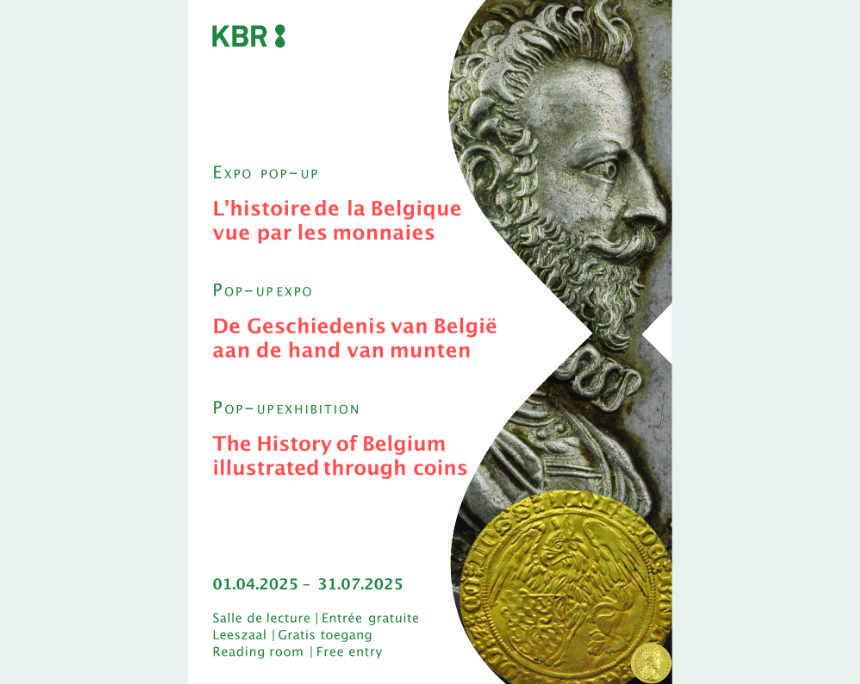
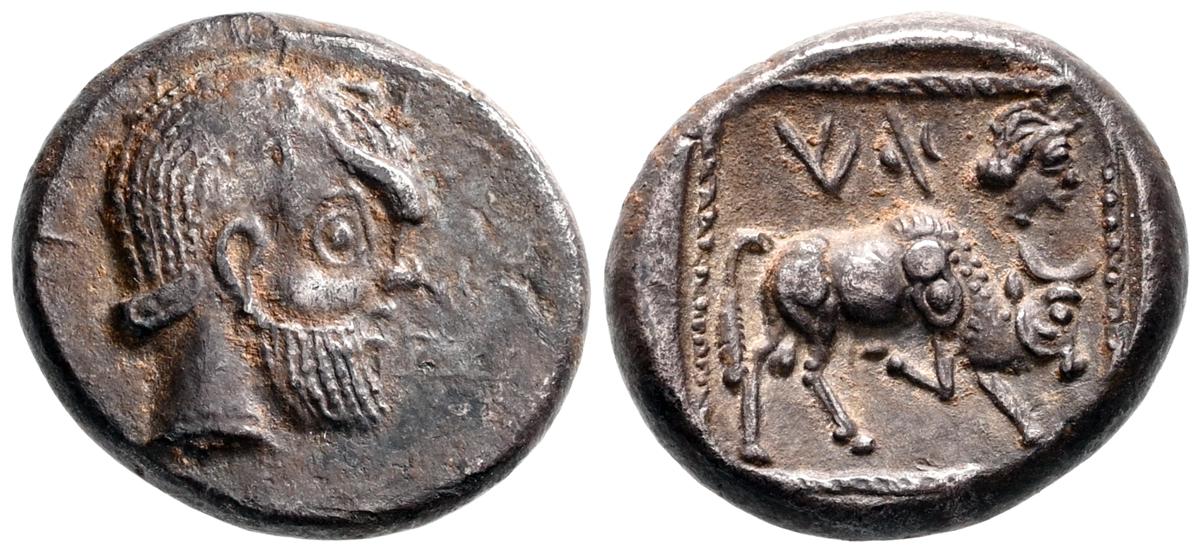
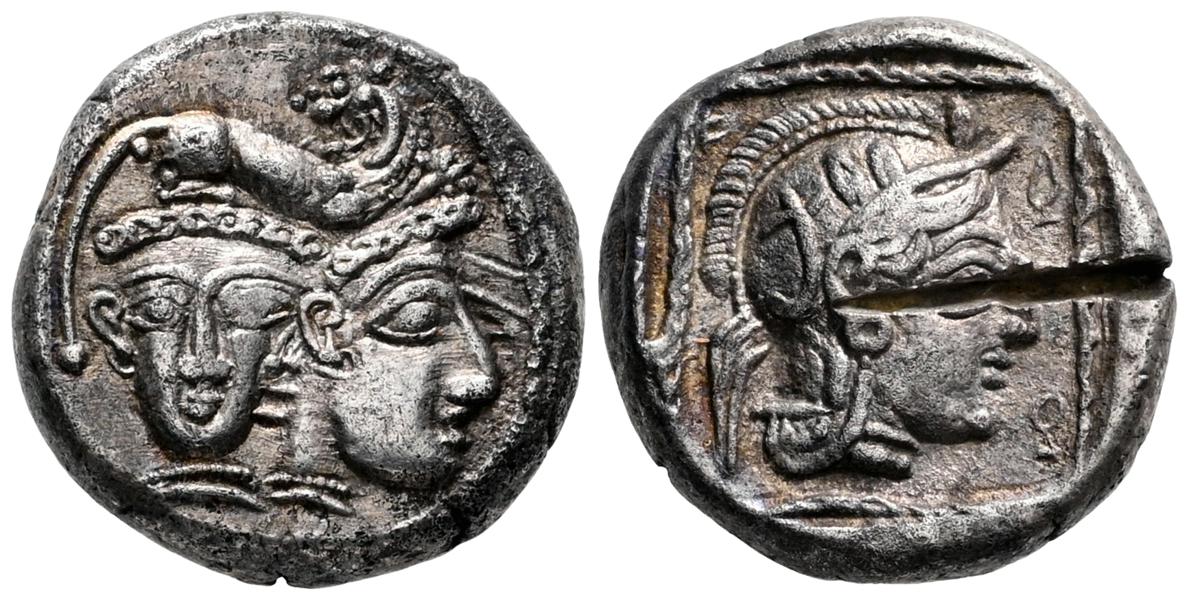
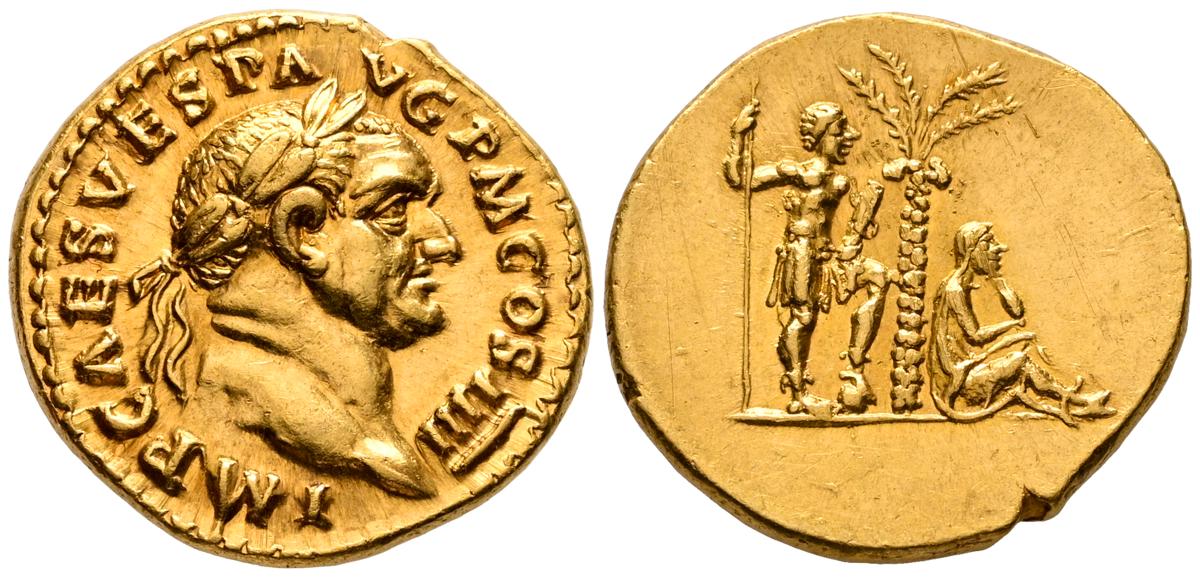
Quite a lot, as it turns out. Coins are more than just currency. The images and inscriptions they carry offer countless insights into the societies that produced them – from the ancient coins of the Gaulish-Germanic Eburones, to emergency money struck in Brussels during the Eighty Years’ War, to objects used as currency in colonial Congo. Sitting at the intersection of economy, politics, culture, and religion, coins bring history vividly to life. That is why they are such valuable objects of study for (art) historians and archaeologists, and why they continue to fascinate collectors around the world.
The Expo
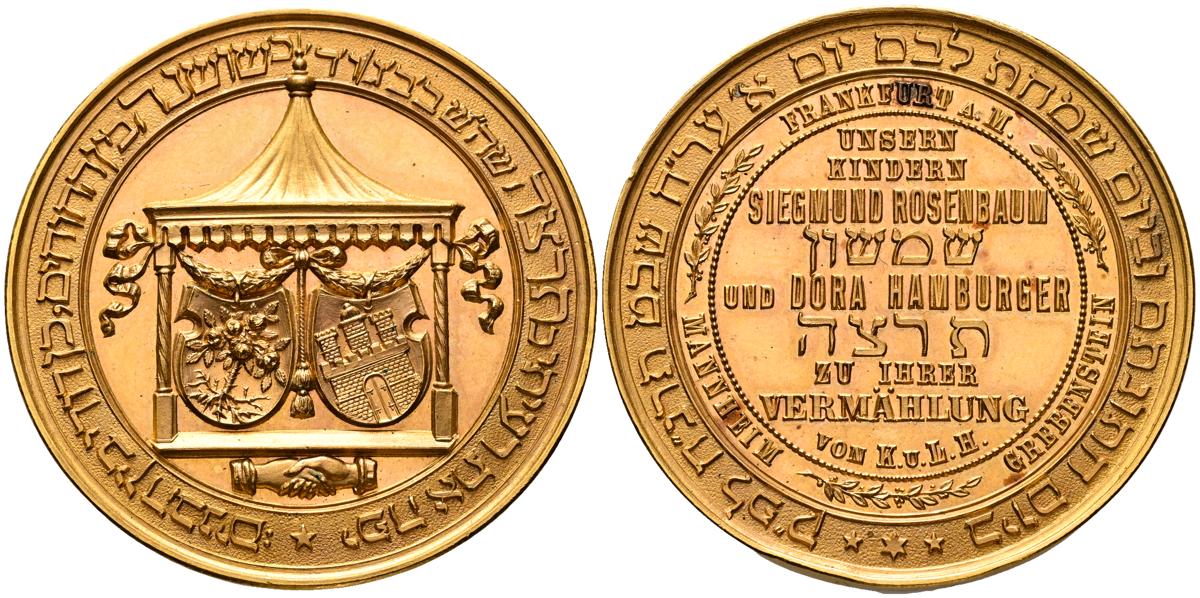
This pop-up expo follows, in chronological order, the peoples and ruling dynasties that once inhabited or controlled the territory that is now Belgium. Beginning with the Gauls, it moves through Roman times, the early and later Middle Ages (with special attention to the Burgundian Dukes), the Habsburg Netherlands, and the Kingdom of Belgium. Belgium’s colonial history and the art of medal-making also feature prominently. Along the way, you’ll discover who the first woman was to appear on coins in the Southern Low Countries, how coins played a role in the imprisonment of Maximilian I of Austria by the citizens of Bruges in 1488, and even why the Coins & Medals department includes a machete in its collection.
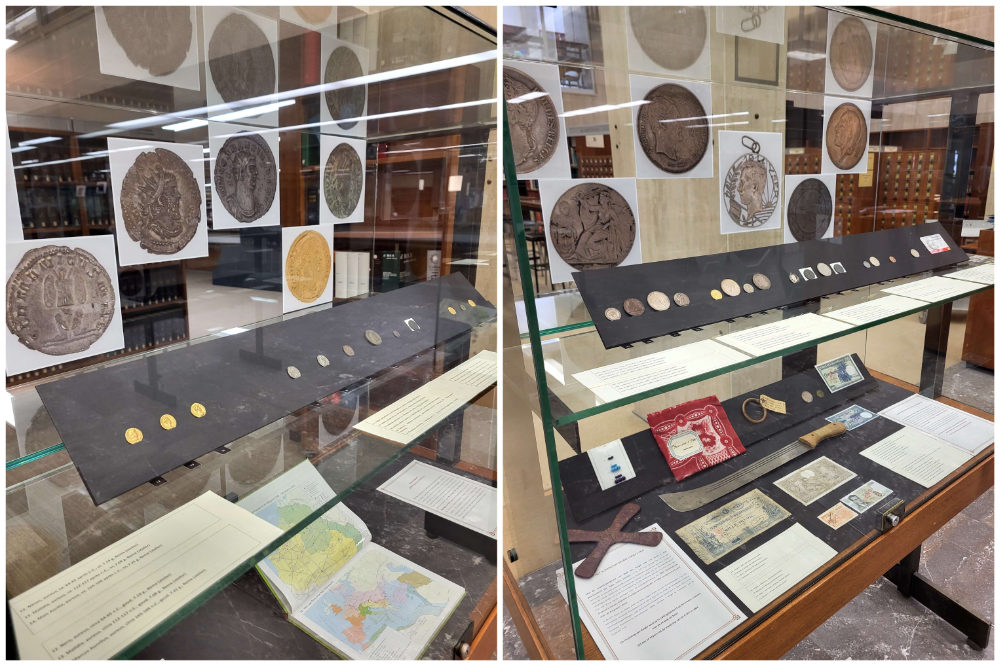
Two impressions from the ehibition displays. Photo: Nick Vaneerdewegh
Practical Information
Dates: April 1, 2025 – July 31, 2025
Opening Hours: Monday to Saturday, 9 AM to 5 PM
Location: General Reading Room, KBR (Royal Library of Belgium)
Access: This pop-up expo is open to all – no reader’s card required.
