







Putting Survival Ratios of Ancient Coinages Into Perspective – Call for Papers
On 5 October 2024, the 7th International Numismatic Conference of the Coin Cabinet of the Royal Library of Belgium will be organized at the Royal Library of Belgium (KBR) in Brussels. The theme of each of these conferences aims to meet two criteria: 1) to be diachronic, from the beginning of coinage in ancient Greece to the High Middle Ages, 2) to address questions of a truly historical nature, beyond numismatics.
Content
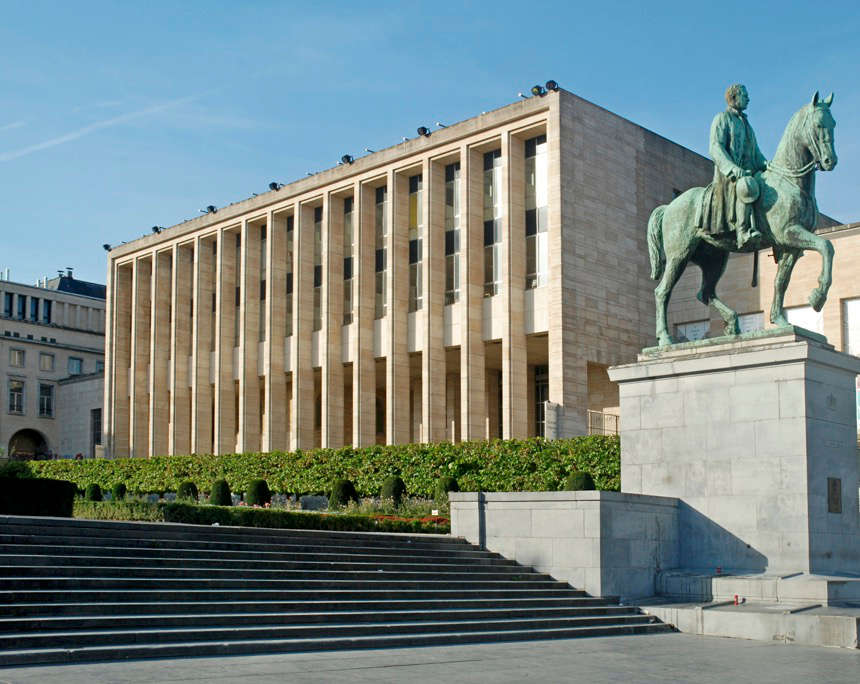
The Royal Library of Belgium (KBR). Image: EmDee via Wikimedia Commons / CC BY-SA 4.0.
Survival Ratios of Ancient Coinages
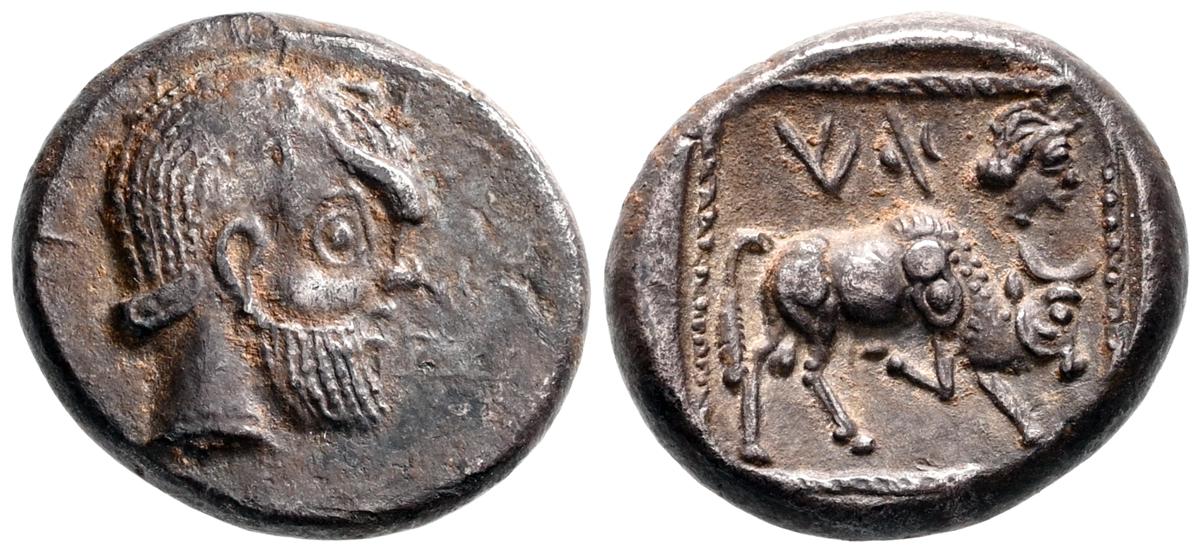
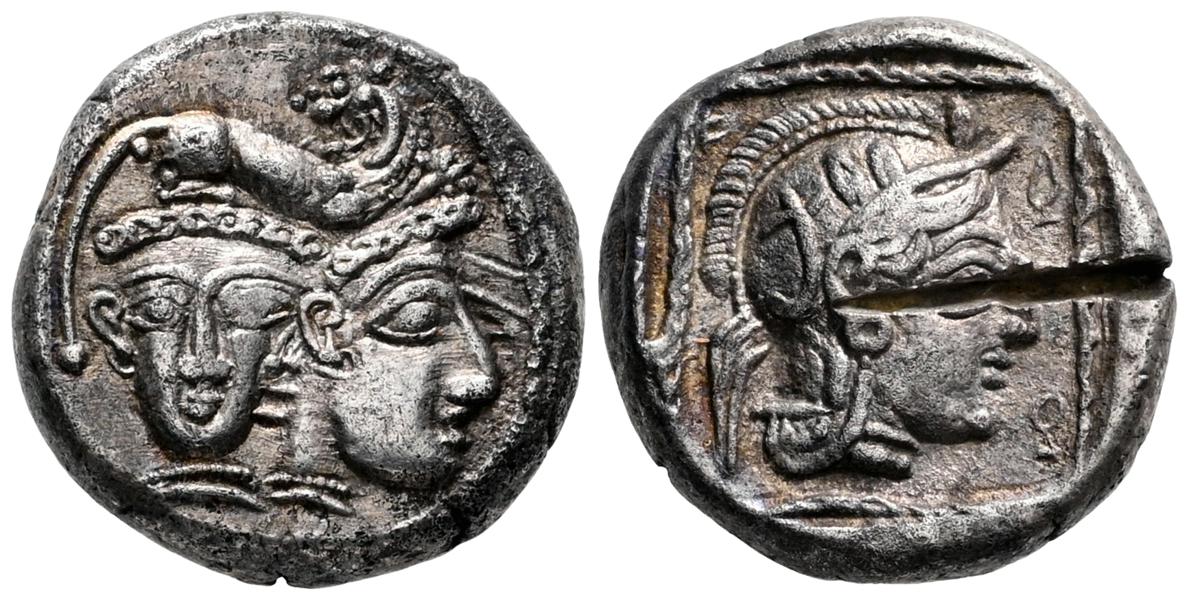
For this 7th edition (see the list of previous editions below), the focus will be on survival ratios of ancient coinages. Why are some coinages very well documented (with a lot of coins per obverse die) and others very poorly? How are theses survival ratios changing as a result of modern factors, such as the discovery of major treasures, the activity of detectorists, the ever-increasing power of websites such as CoinArchives and ACSearch, etc.? Do these survival ratios organize into geographical or chronological landscapes? Are high survival ratios indicative of a long circulation time? What does this mean from an economic point of view? Are there other aspects that influence this monetary survival rate? These are just some of the questions we would like to see addressed, especially putting them into broad perspective.
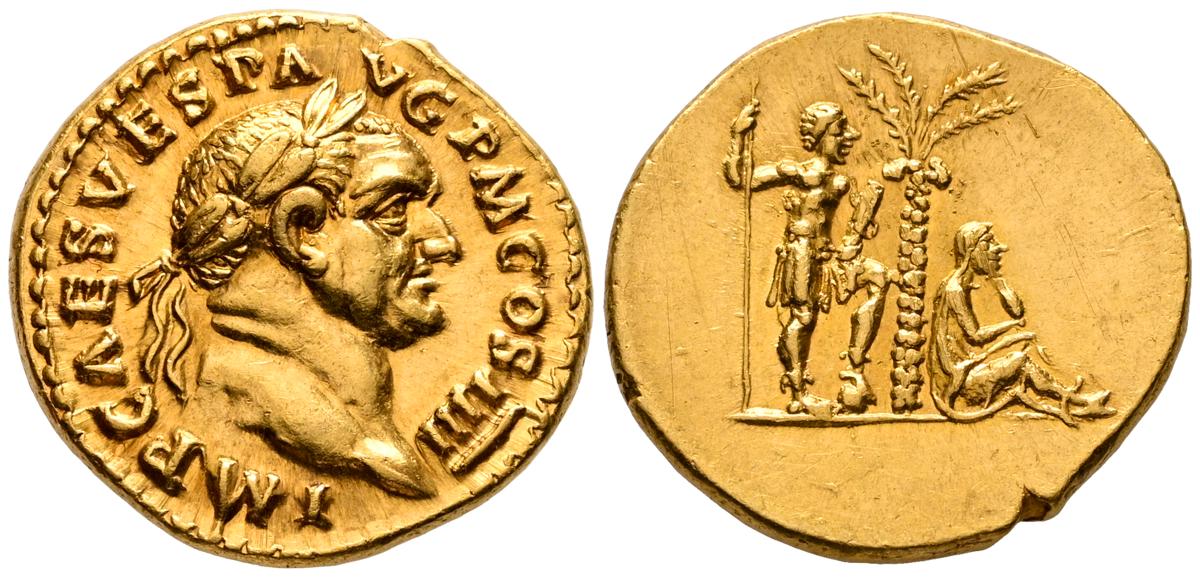
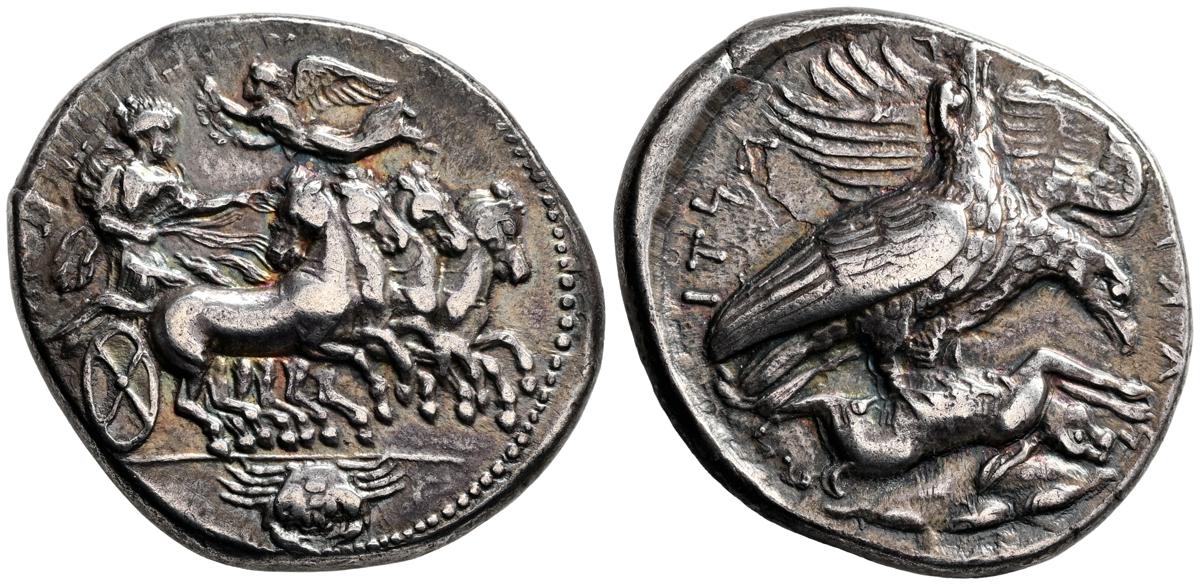
It should here be noted that the new Die Studies Database already lists nearly 2,750 die-studies. It offers several functions relating to survival rates: automatic calculation for each coinage assuming an average productivity per coin of 20,000, as well as – conversely – productivity per coin if the survival rate is set at 1 per 2,000 or 1 per 5,000. A glance at the most well-documented coins, for example, reveals that Judea and Sicily are home to an astonishing concentration of very high survival ratios.
Proposals for Submissions
As was the case in the past, this will be a one-day conference limited to 9 speakers and includes a competitive open call. Proposals for submissions, including a provisional title and an abstract of 5 lines, are expected by 1 December 2023. The maximum duration of each presentation is set at 30 minutes. The organizing committee will announce a list of the selected papers shortly after the submission deadline. The conference proceedings will be published in the Revue belge de Numismatique et de Sigillographie (2025). Final texts for the publication are expected by 1 March 2025.
The organizing committee: Fran Stroobants (KBR), François de Callataÿ (KBR & ULB), Johan van Heesch (KU Leuven), Koen Verboven (UGent)
Previous Conferences
- 17th of May, 2005: The Transport of Coins through the Ages.
Speakers: Marc Bompaire, François de Callataÿ, Eurydice Georganteli, Jörg W. Müller, Arent Pol, Jacques Schoonheyt, Johan van Heesch, Helen Wang, Reinhard Wolters - 13th of June, 2008: From Mints to Markets: the Mechanisms of Coin transformation in Ancient Times.
Speakers : Alain Bresson, François de Callataÿ, Fleur Kemmers, Luuk de Ligt, Patrick Marchetti, Selene Psoma, Johan van Heesch, Koen Verboven - 13th of May, 2011: Marking Coin Issues: Mint Administration and Mint Archives in Antiquity
Speakers: Kevin Butcher, François de Callataÿ, Jean-Marc Doyen, Christophe Flament, Albana Meta, Johan van Heesch, Richard Witschonke, Bernhard E. Woytek - 23rd of May 2014: Urban versus rural contexts: differences of monetization from ancient Greece to the early Middle Ages (coin finds, taxes and trade).
Speakers: Catherine Grandjean, François de Callataÿ, Christian Lauwers, Fran Stroobants, Philippa Walton, Jean-Marc Doyen, Alessia Rovelli, Jean-Pierre Devroey - 19th May of 2017: How they died. Overstriking and reminting in the Greco-Roman world
Speakers: Martin Allen, Olivier Picard, François de Callataÿ, Christophe Flament, Andrew McCabe, Clive Stannard, Bernhard Woytek, Johan van Heesch, Jean-Marc Doyen - 3rd and 4th June of 2021: No need to coin? Long interruptions in coin production during Antiquity
Speakers: Jonathan Kagan, Rudolf Puelinckx, Marta Barbato, Maria Cristina Molinari, George Watson, Fran Stroobants, Jack Nurpetlian, Peter Guest, Gilles Bransbourg, François de Callataÿ
