







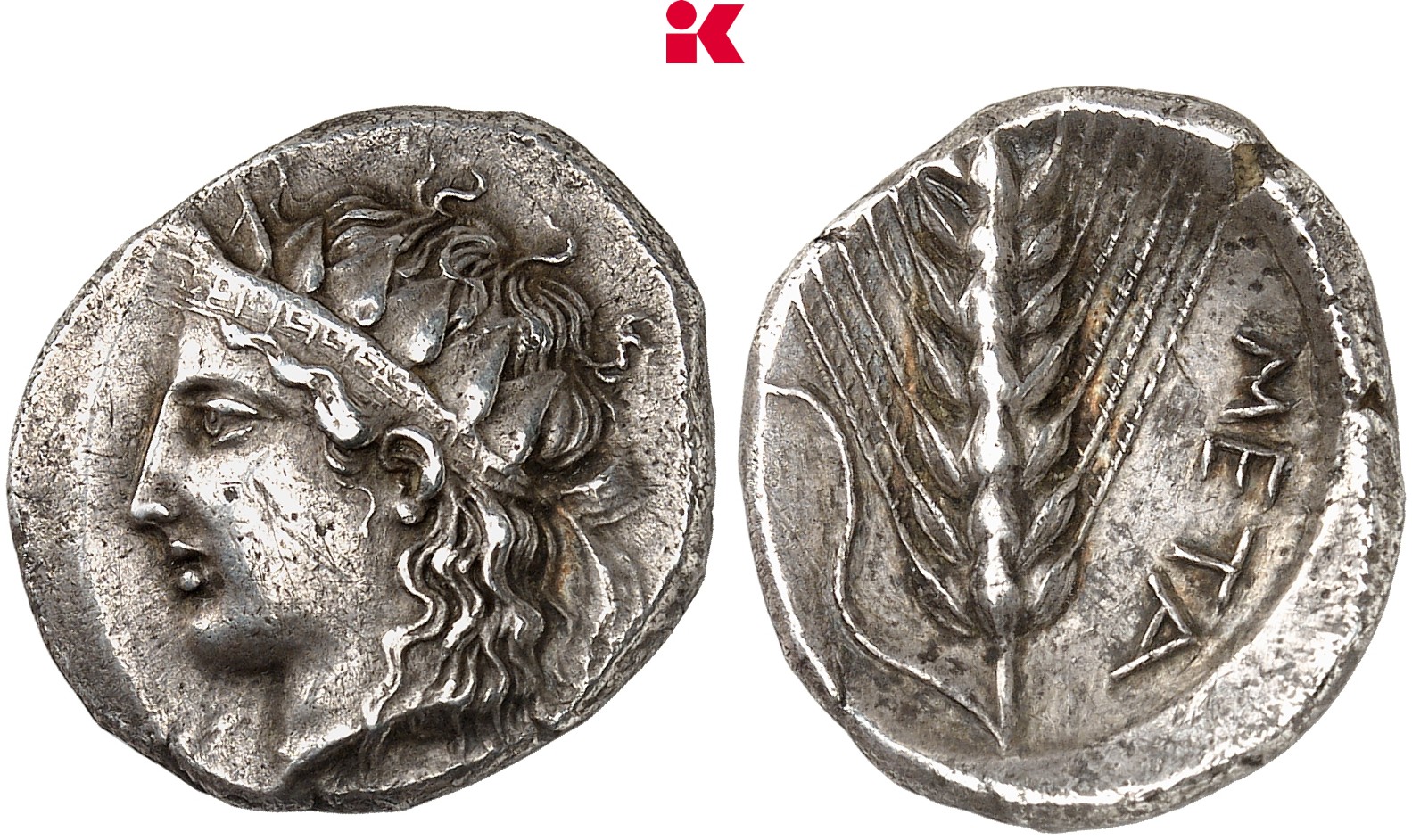
Didrachm, 400/340 BC. Attractive piece.
Very rare, particularly in this condition.
Dionysus head of the finest style.
Ex Hirsch VIII, München 1903, no. 792.
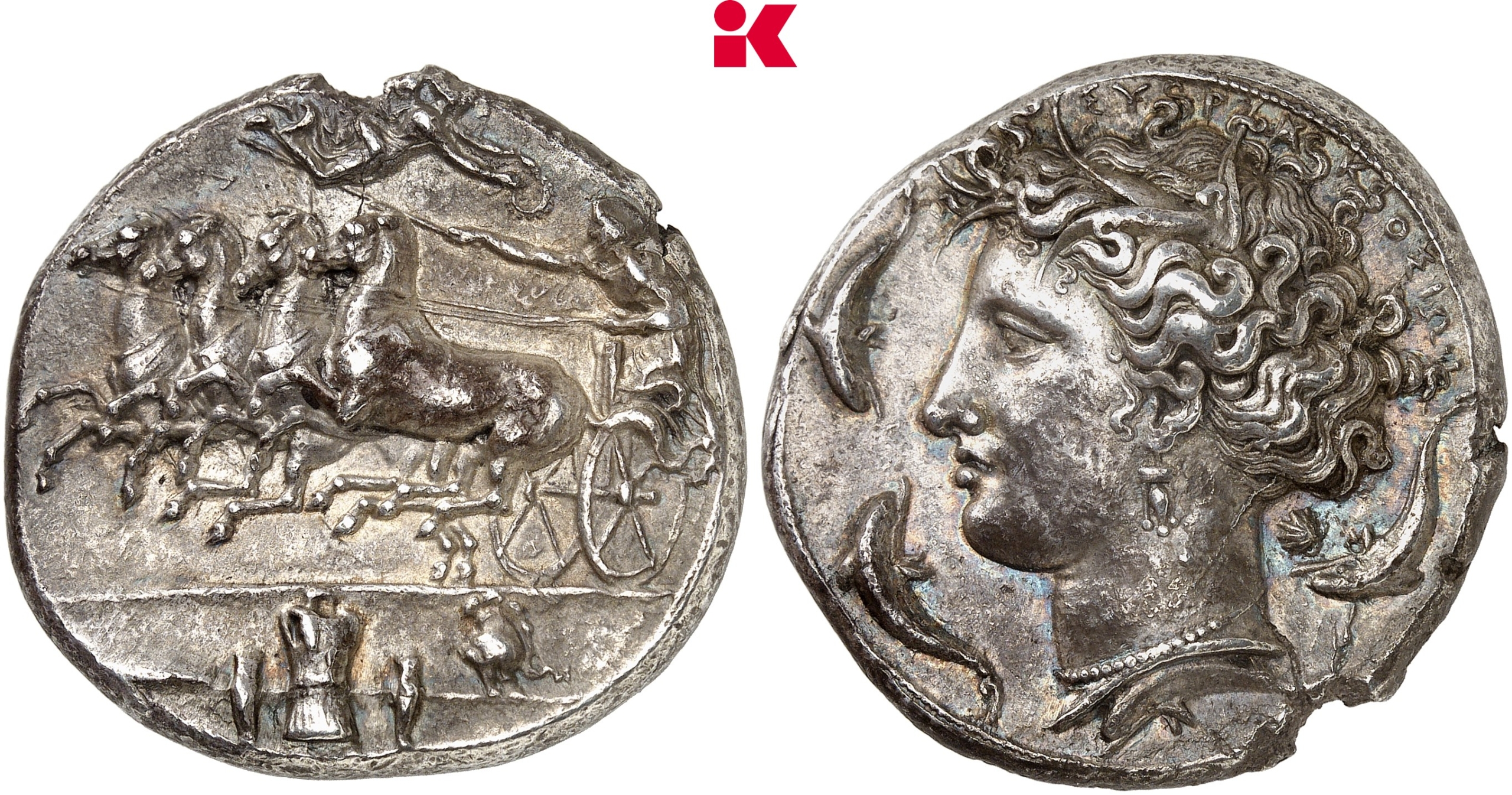
Decadrachm around 400/390 BC, unsigned.
Splendid patina, extremely fine.
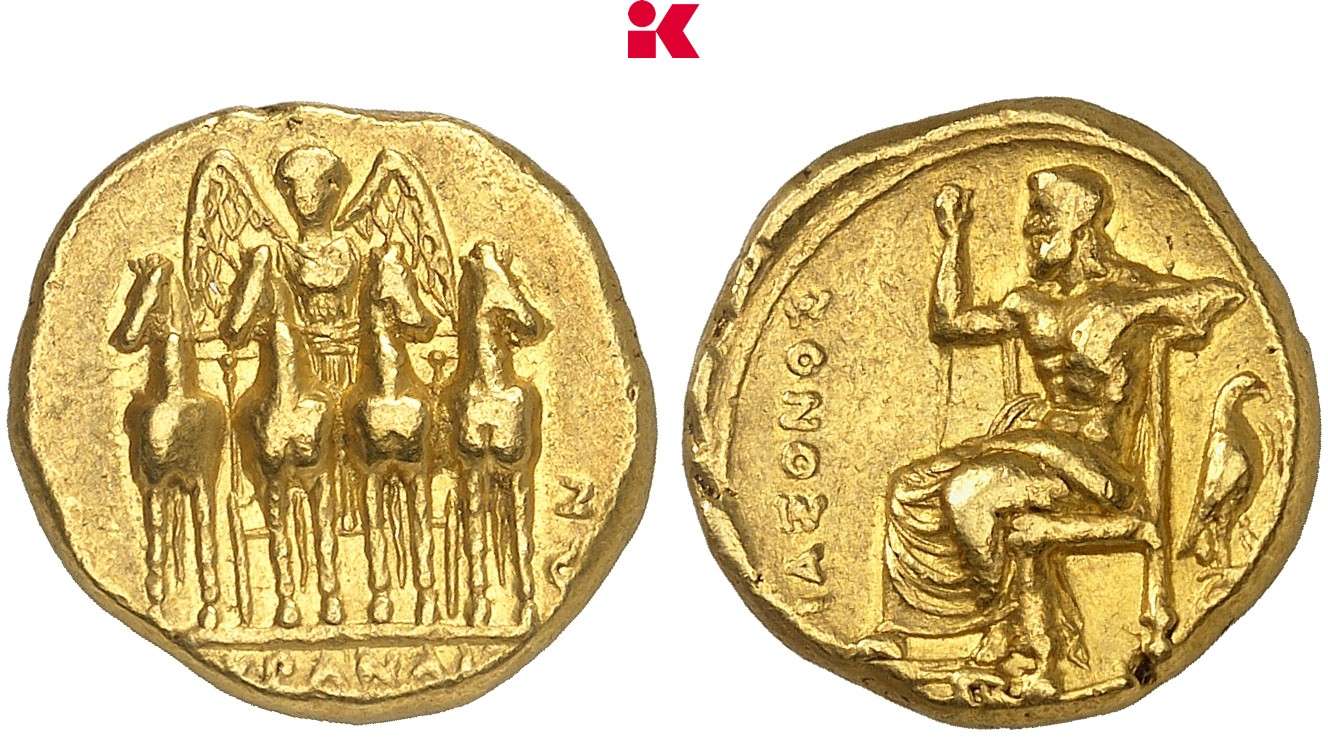
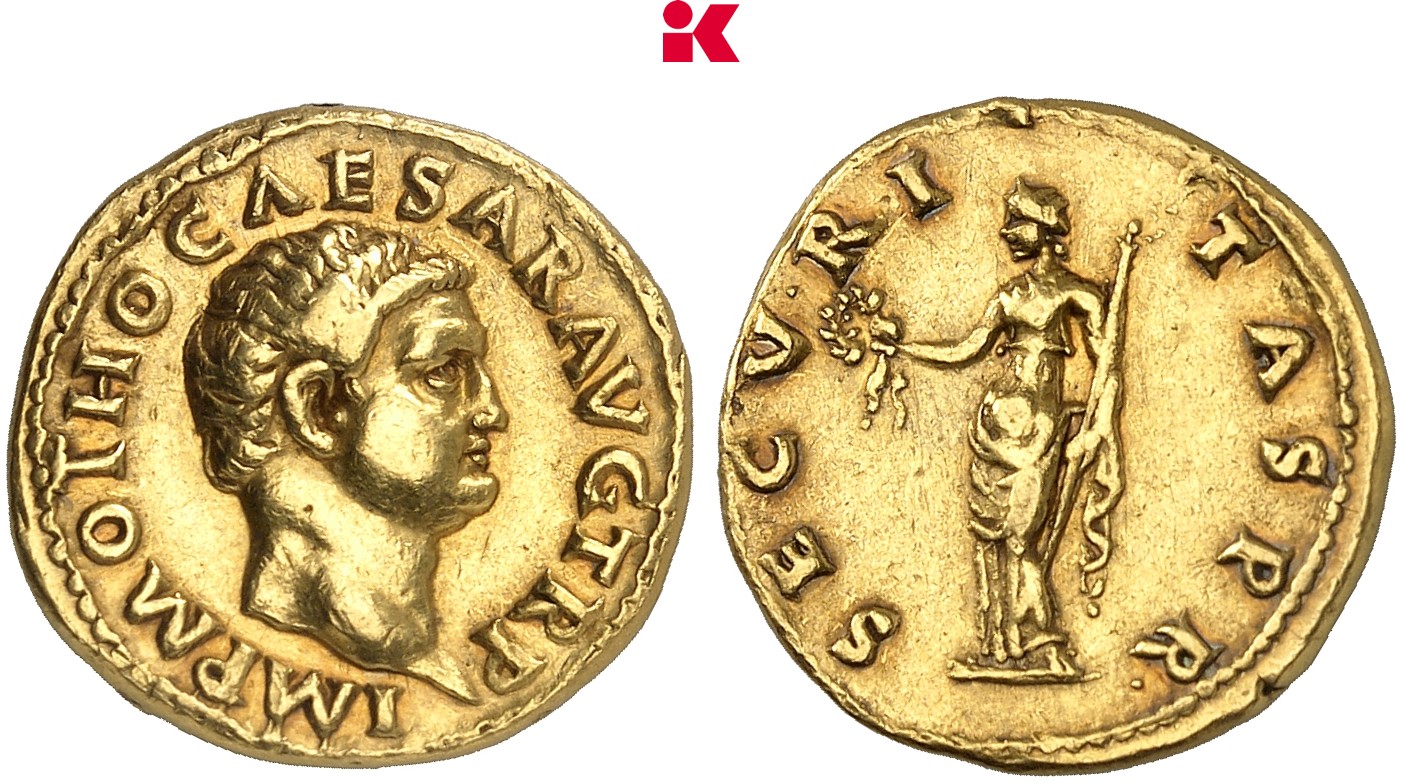
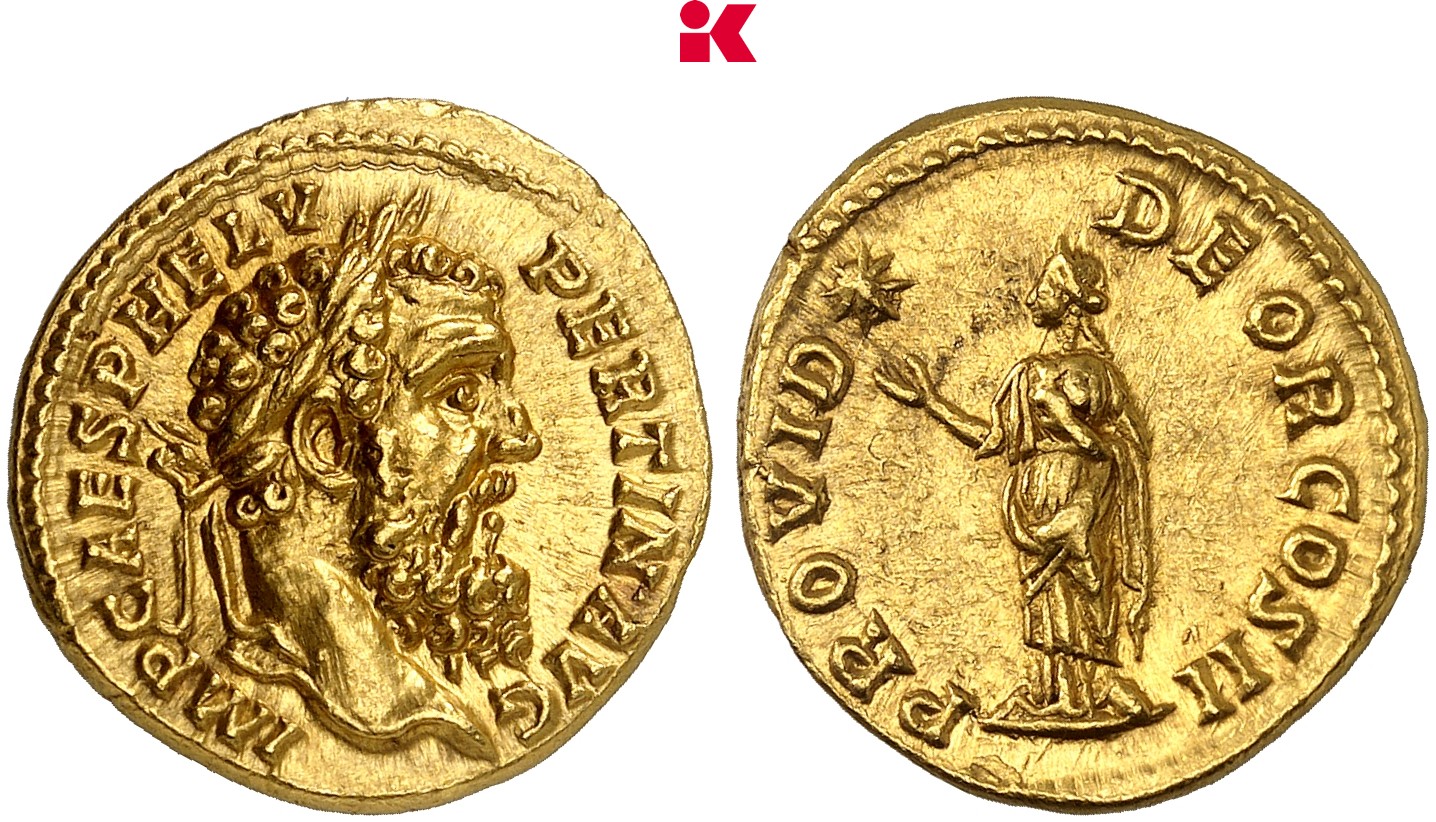
Aureus, Rome.
Very rare.
Attractive piece.
Ex Huntington (Inventar-no. ANS 1001.1.30032).
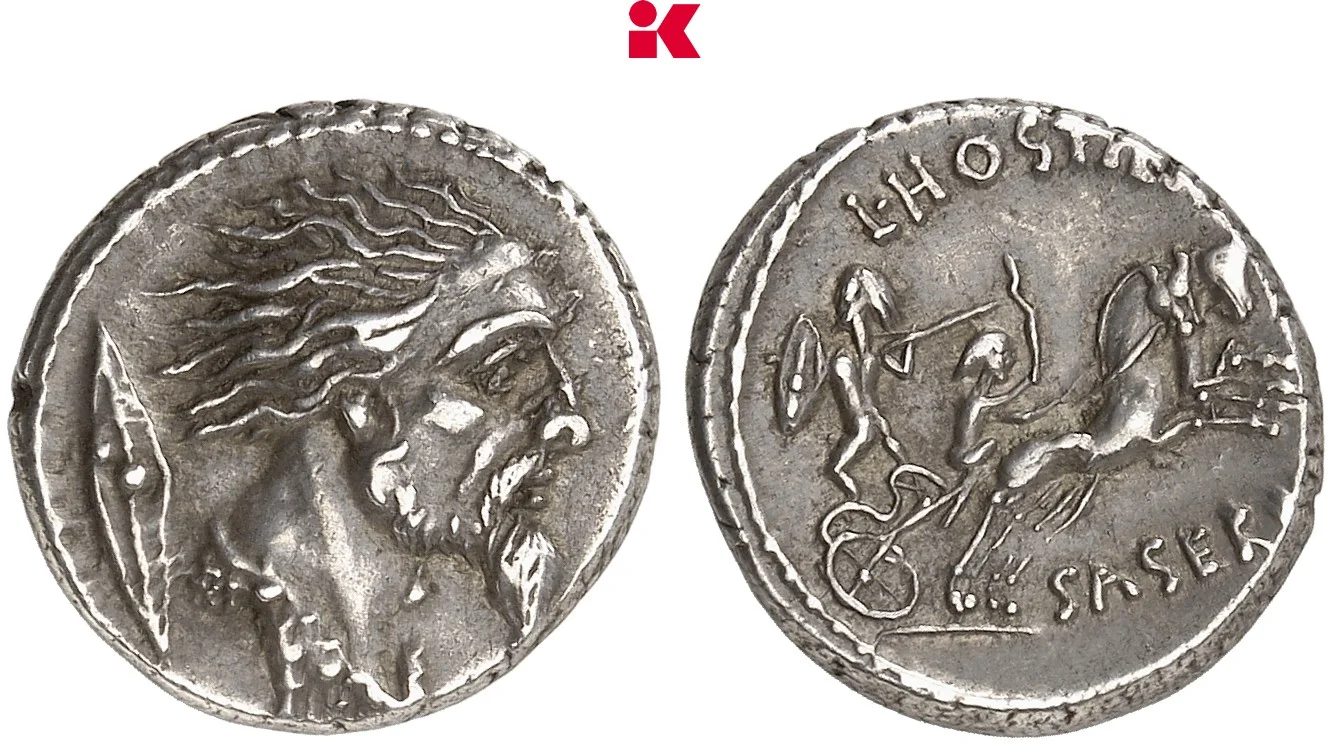
Denarius, 48 B.C., Rome.
L. Hostilius Saserna.
Very rare.
Attractive toning, extremely fine.
Ex Sternberg VI, Zürich 1976, no. 758.
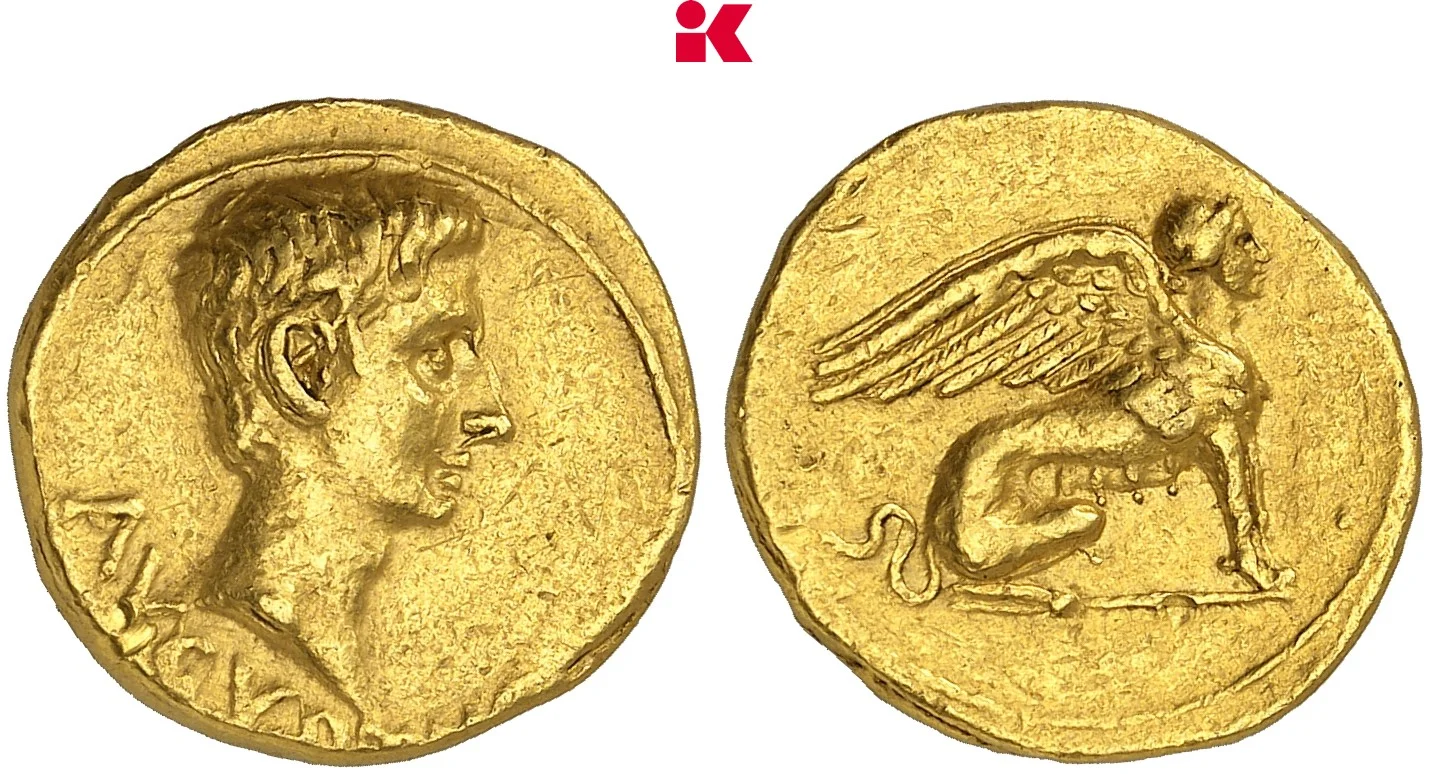
Augustus, 30 BCE–14 CE.
Aureus, 19/18 BCE, Ephesus (Ionia).
Very rare.
Min. Very fine.
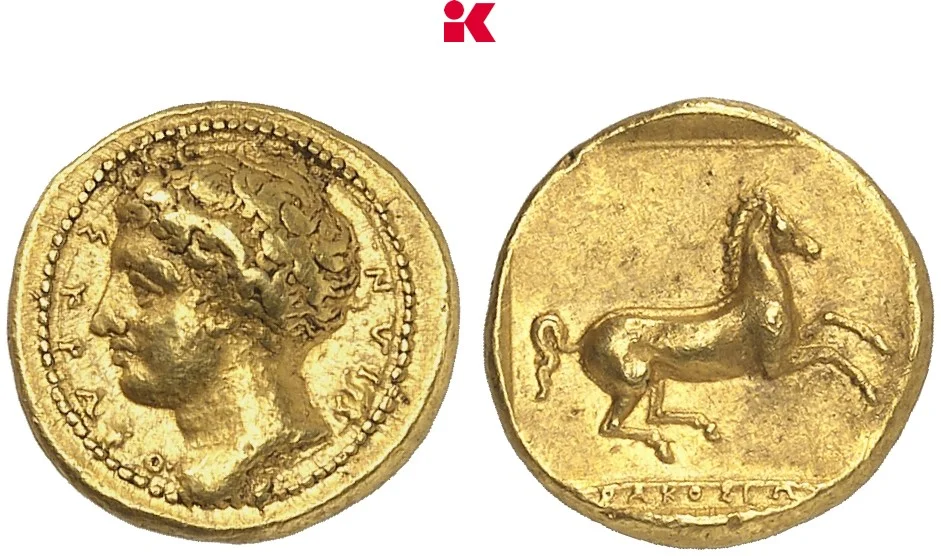
50 litren, 405/400 B.C.
Struck with a slightly rusty obverse die,
very fine-extremely fine/extremely fine.
Ruthenium on Euro Commemorative Coins: Mints Turn to Innovative Finishes – with the Blessing of Central Banks
By Sebastian Wieschowski
Have you ever heard of ruthenium? For most coin collectors and precious metal investors, this platinum-group metal has likely gone unnoticed – and for good reason. Ruthenium is one of the rarest non-radioactive elements on Earth, found only in minute quantities in the Earth’s crust. Its primary use is as an alloying element with other platinum-group metals. As a result, coins made of pure ruthenium simply do not exist.
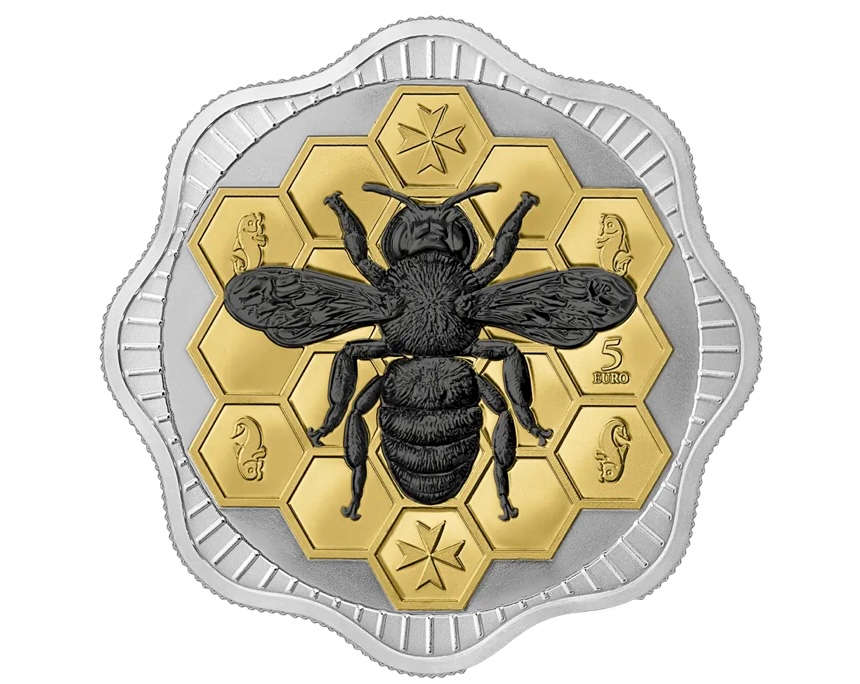
Three precious metals on a single coin – Malta honours its first collector coin with contemporary finishing techniques. Photo: Central Bank of Malta.
Instead, ruthenium has occasionally been used to enhance modern silver coins, particularly in the context of teleshopping and mail-order sales. These were always private, aftermarket colour applications. However, for the first time, a eurozone country has issued a commemorative coin featuring rare ruthenium galvanisation: Malta has released a €5 flower-shaped coin adorned with ruthenium, yellow gold, and palladium.
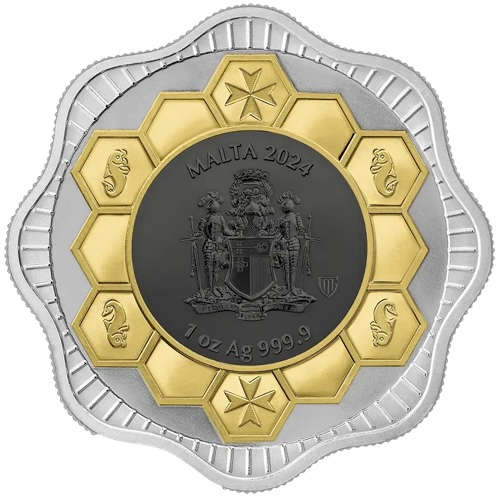
In sequential steps, the individual parts of the coin are galvanised. Photo: Central Bank of Malta
This exotic masterpiece carries a deeper meaning: Malta’s coin commemorates its first collector coin from 1977, which depicted the Maltese bee. The design highlights the country’s historical connection to beekeeping and its commitment to preserving natural heritage.

Gilded and antique finish – with the approval of the Croatian Central Bank. Photo: Croatian Mint.
Malta’s new commemorative coin reflects a broader trend in modern numismatics: an increasing number of eurozone countries are adopting innovative finishing techniques, which have traditionally been the hallmark of private mints and distributors. Croatia recently issued its Dragon of Trsat coin with an antique finish and partial gilding – two effects previously more commonly seen on TV or in the glossy catalogues of mail-order companies.
