







Silk, Silver, and Spice: Money Museum’s New Exhibit Explores Treasures of Trade
Beginning around 100 BC, the world’s first globalized trade network – the Silk Road – fostered the exchange of people, goods, and ideas for more than 1,500 years. Linking diverse civilizations from east to west, diplomats and travelers bartered far more than silk along the ancient routes. Spices, plants, animals, religions, technologies, and even diseases traveled with merchants, permanently altering the cultures they encountered.
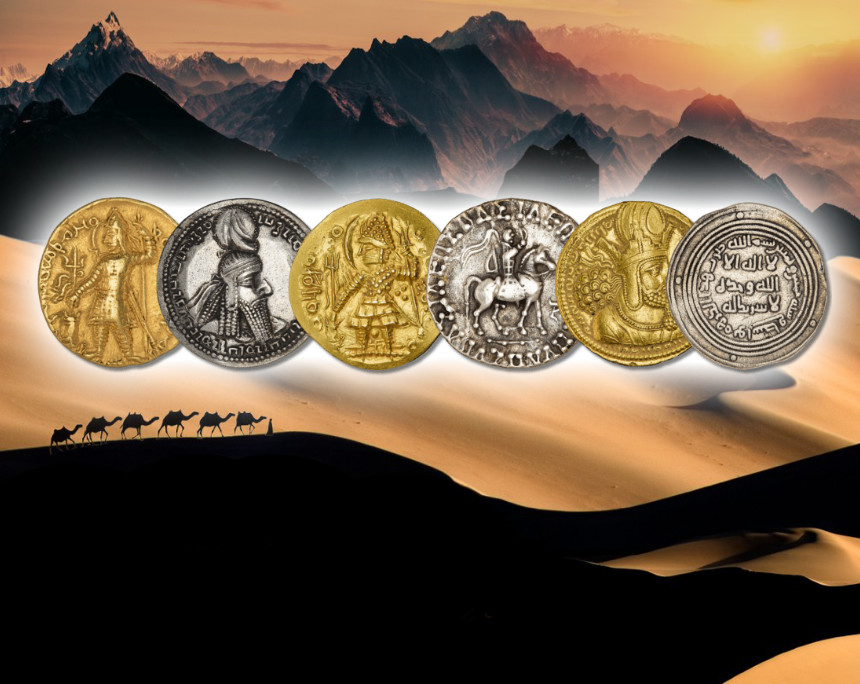
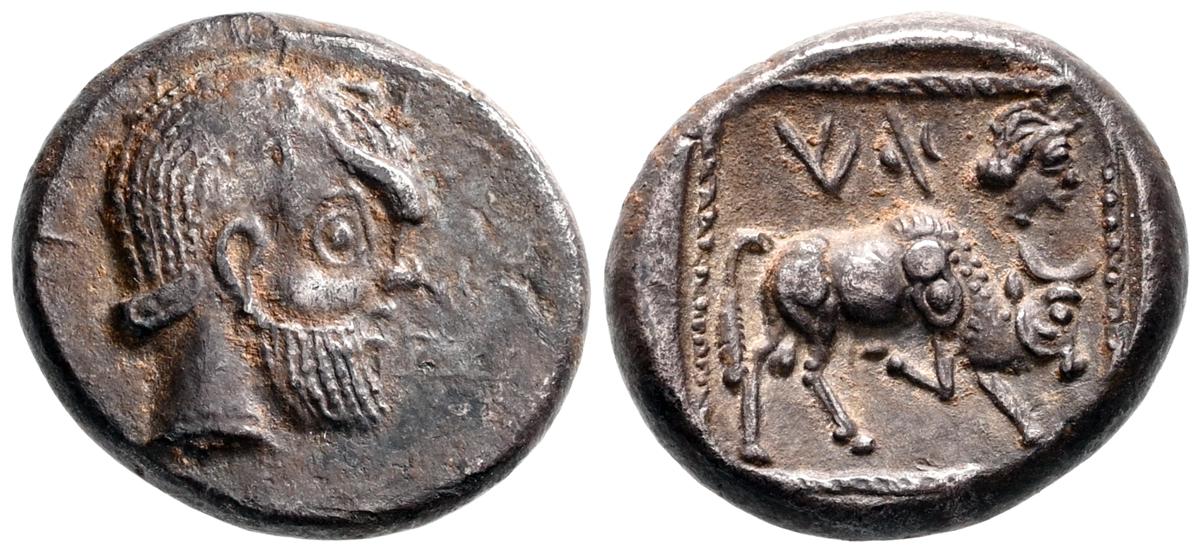
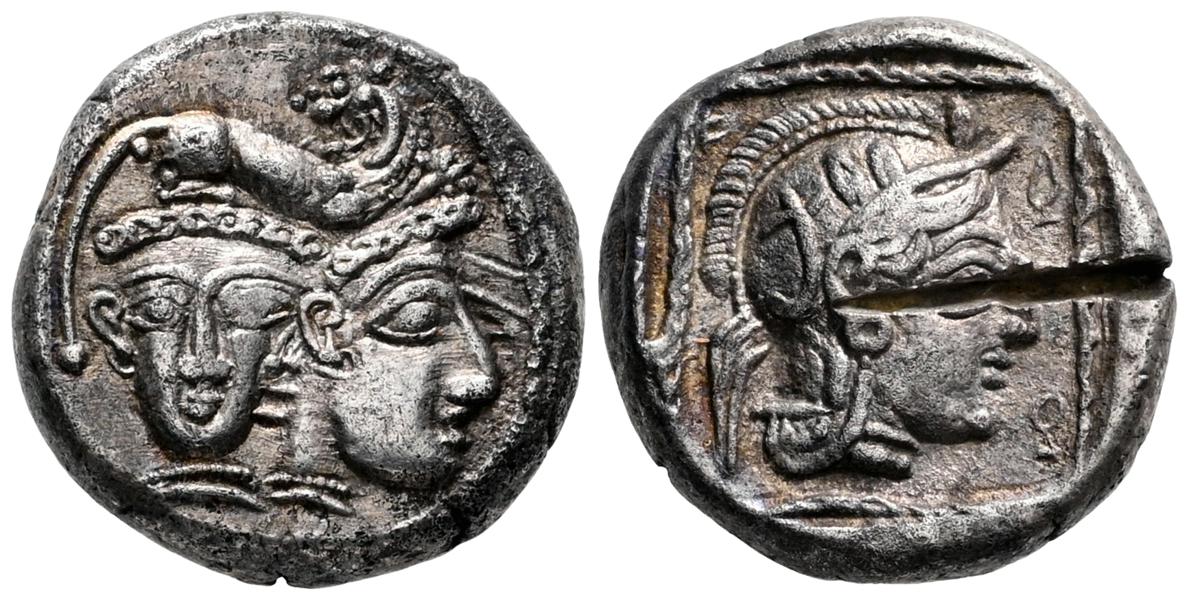
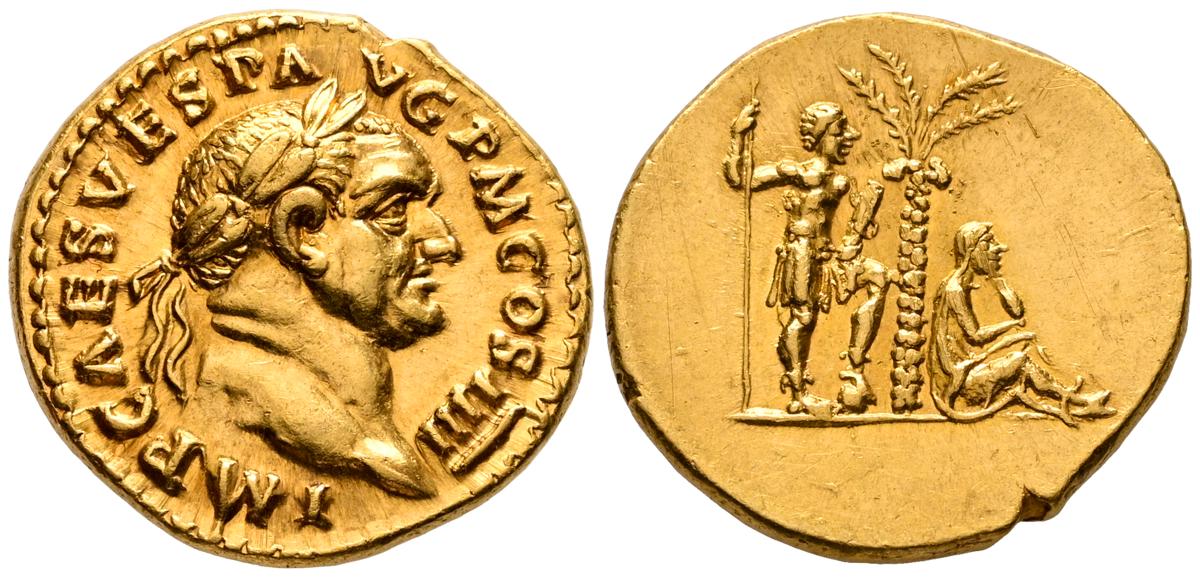
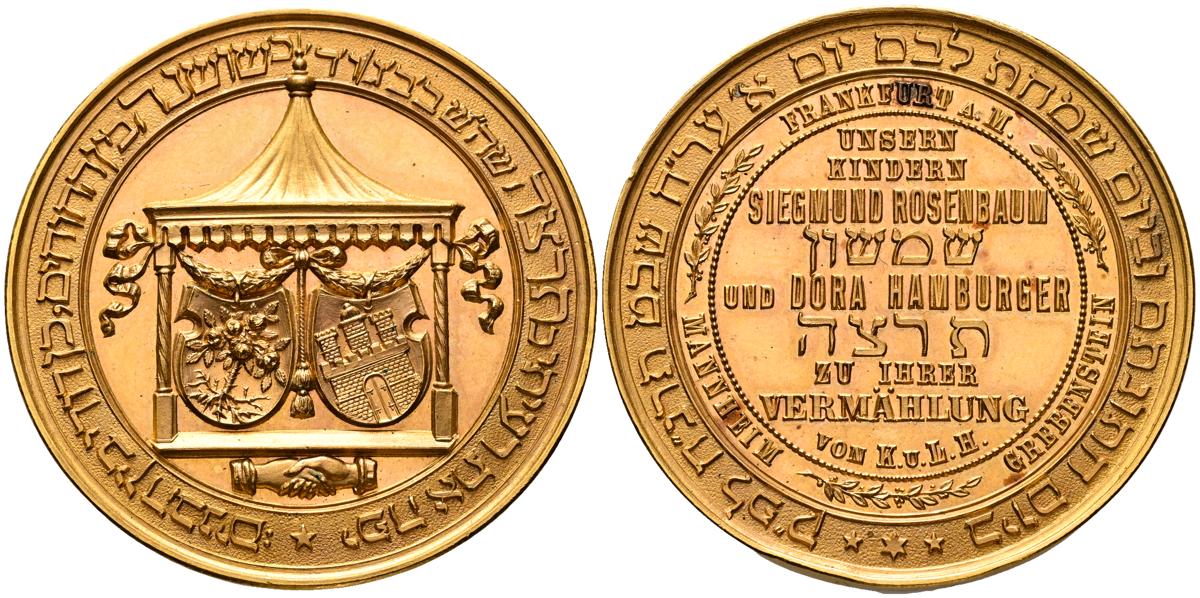
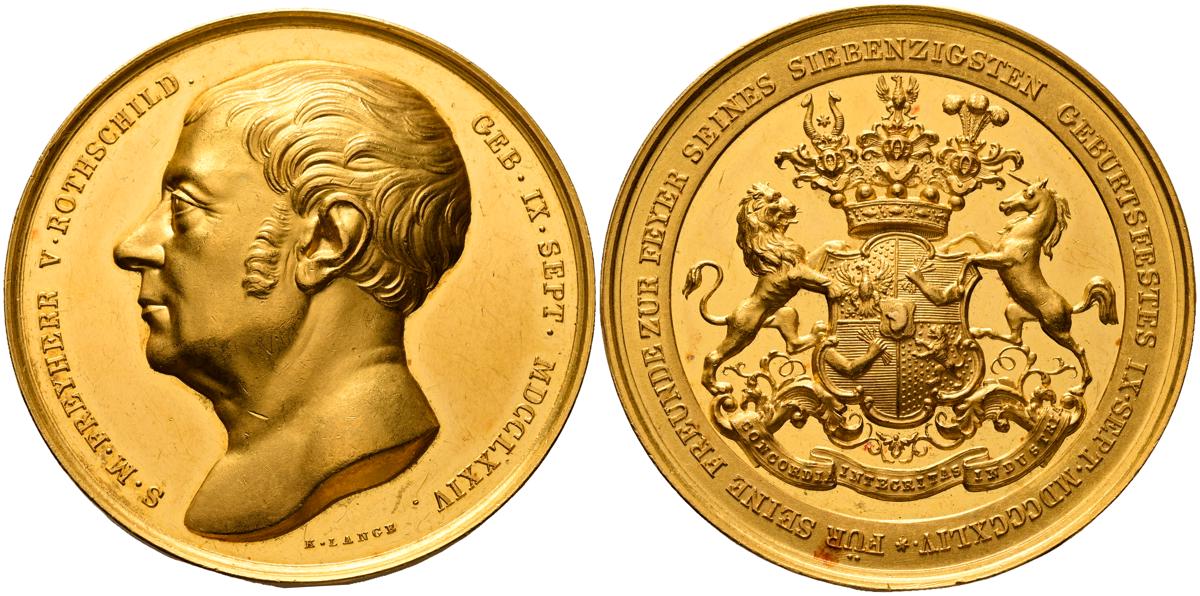
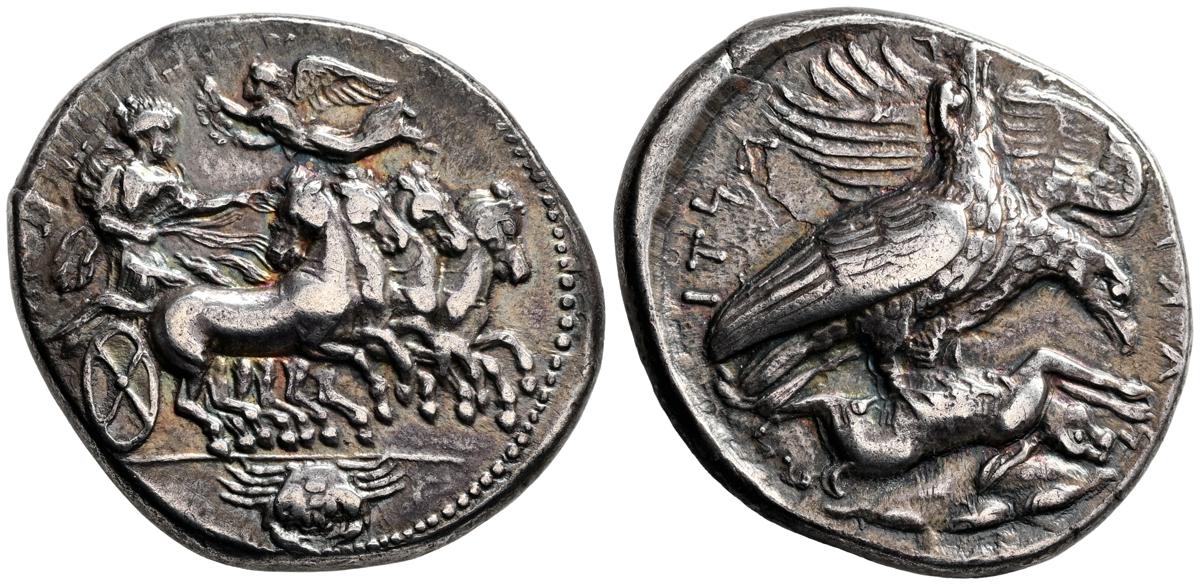
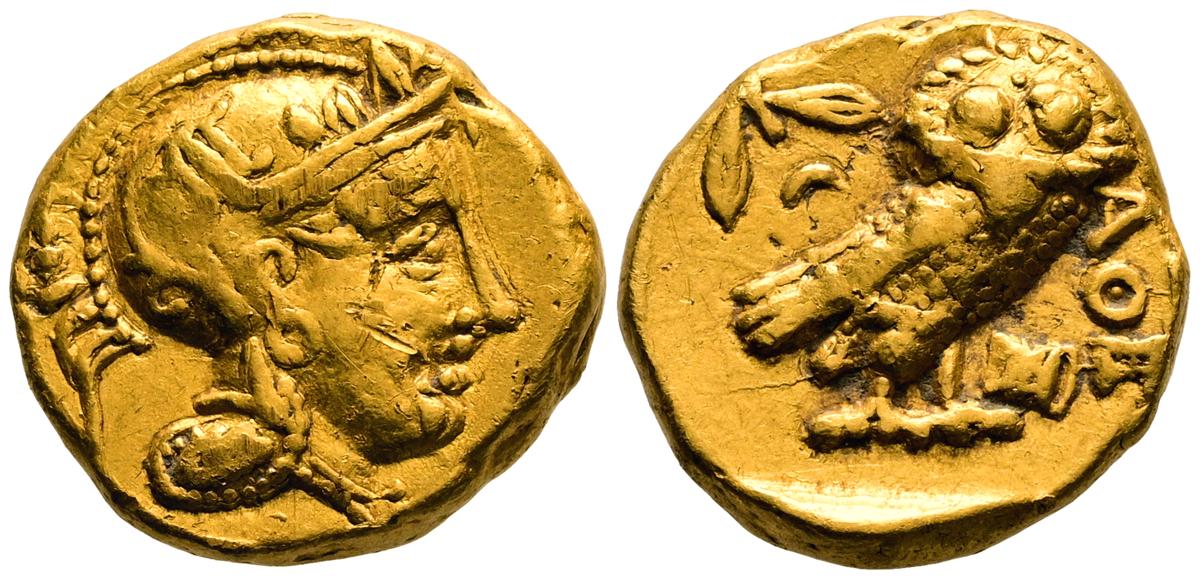
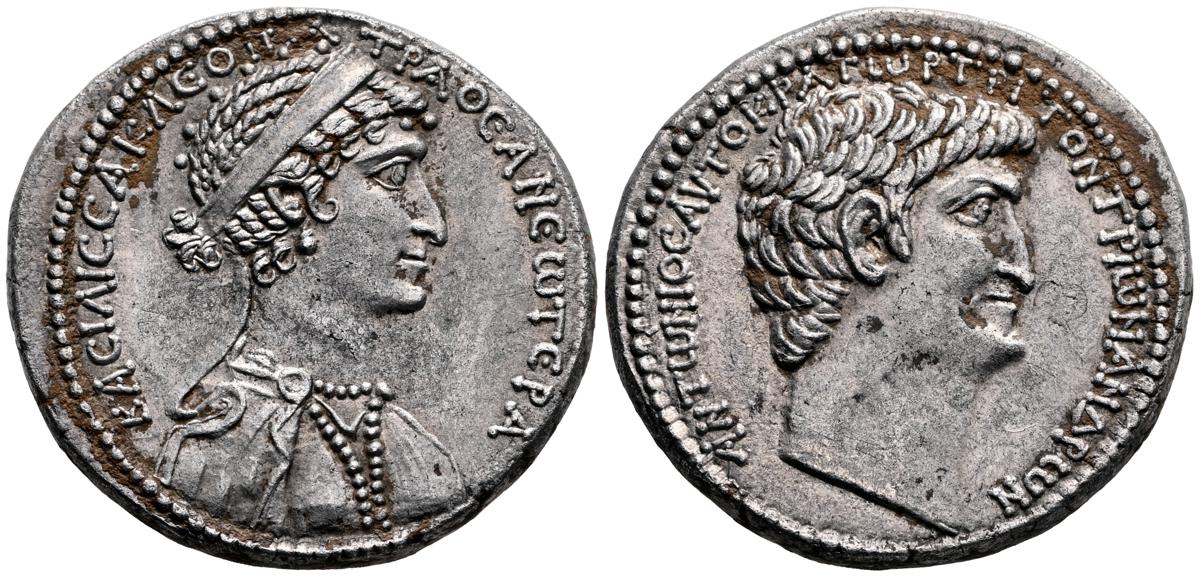
The Silk Road exhibit will feature approximately 350 objects. Mike Gasvoda and Rod Frechette have loaned objects to the museum as part of the new display. Images: ANA.
On June 26, 2025, the Edward C. Rochette Money Museum will debut a new exhibit focused on the Silk Road trade network, which straddled three cradles of civilization – China, India and Mesopotamia. “The Silk Road(s): A Numismatic Travelogue” will take observers on a journey of commerce, culture, and connections made possible through coinage.
On display through November 2027, the Silk Road exhibit will feature approximately 350 objects, including a bronze Ban Liang half-ounce coin from China’s Qin dynasty (221–207 BC); a gold dinar from the Sassanid Empire depicting Shapur I, the ruler who famously captured Roman Emperor Valerian in 260 AD; and a gold dinar from the Abbasid Caliphate. Mike Gasvoda and Rod Frechette have loaned objects to the museum as part of the new display.
Located at 818 N. Cascade Avenue in Colorado Springs, the Money Museum is America’s largest museum dedicated to numismatics. The museum explores culture, art, science and history through coins and currency.
Two other main exhibits are on display at the museum:
- Americana Gallery – This exhibit emphasizes iconic rarities of American numismatics, presenting a history of money in the United States.
- History of Money – Money has been evolving for the last 10,000 years. This exhibit displays those changes for all types of money – coins, tokens, paper money, emergency notes and more.
Museum hours of operation are Tuesday through Saturday, 10:30 a.m. to 5 p.m. Regular admission is $8 ($6 for seniors and students). Kids 12 and under are always free.
