


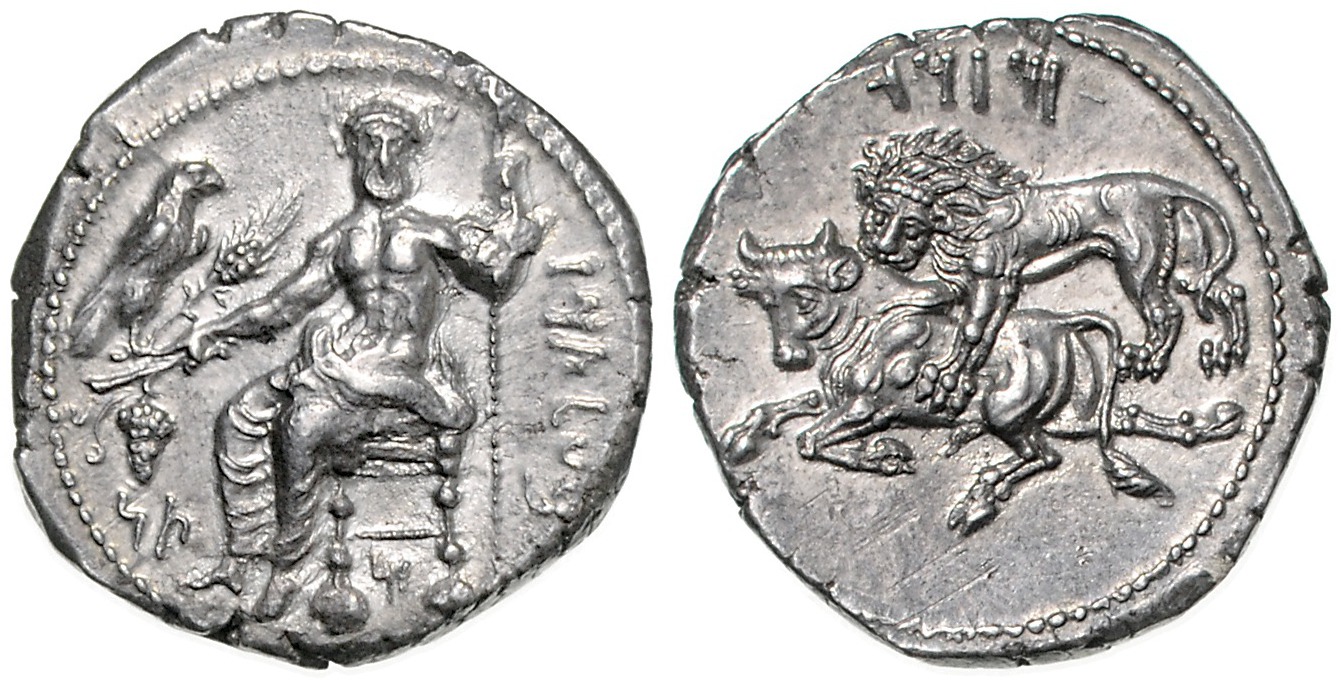
Persian satrap Mazzaios.
AR Stater (361-334 BC)
with Baal of Tarsus.
Condition: ef.
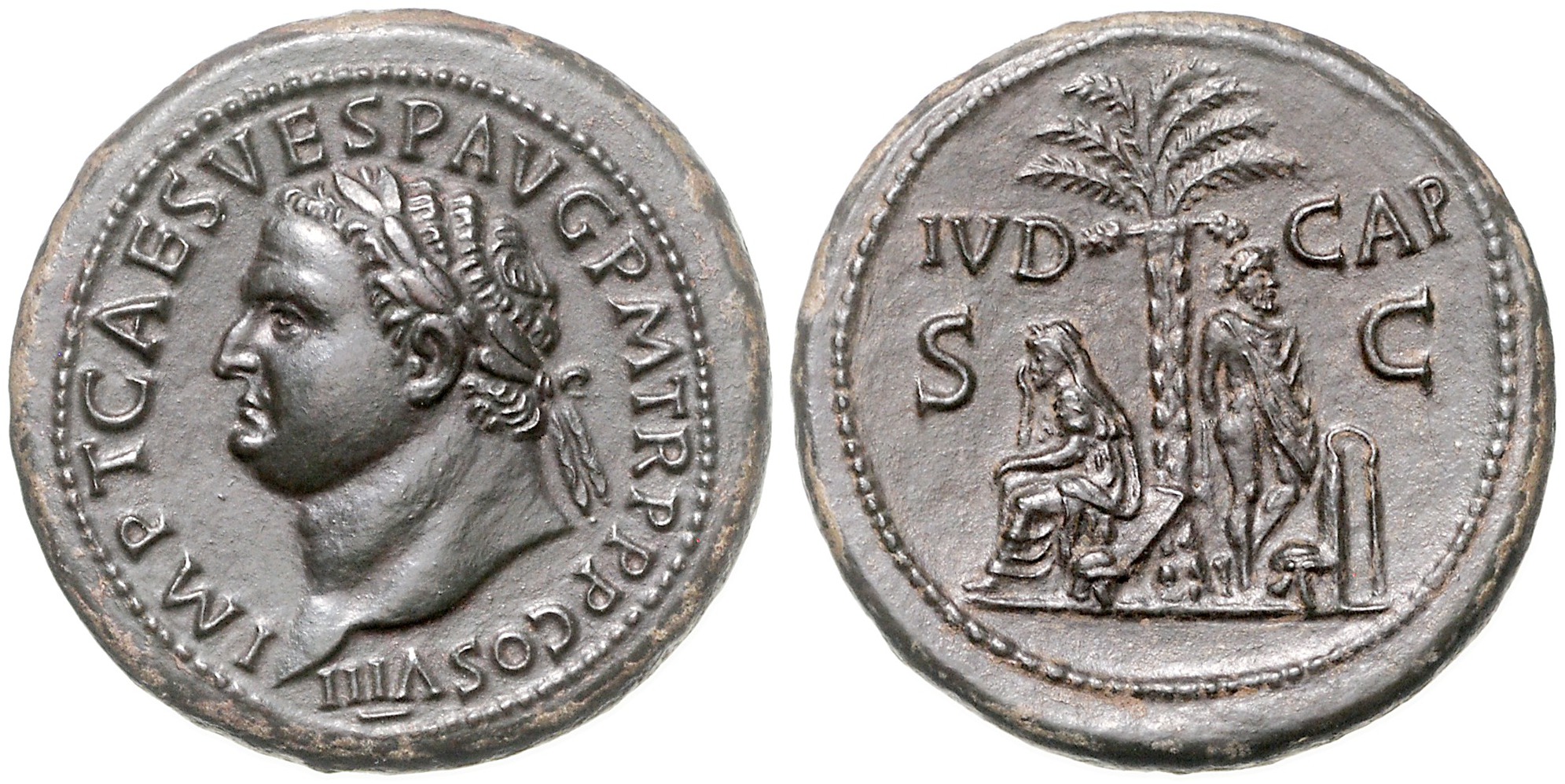
AE Sestertius (AD 80–81), Rome.
"Judaea Capta" type.
Condition: rare, ef.
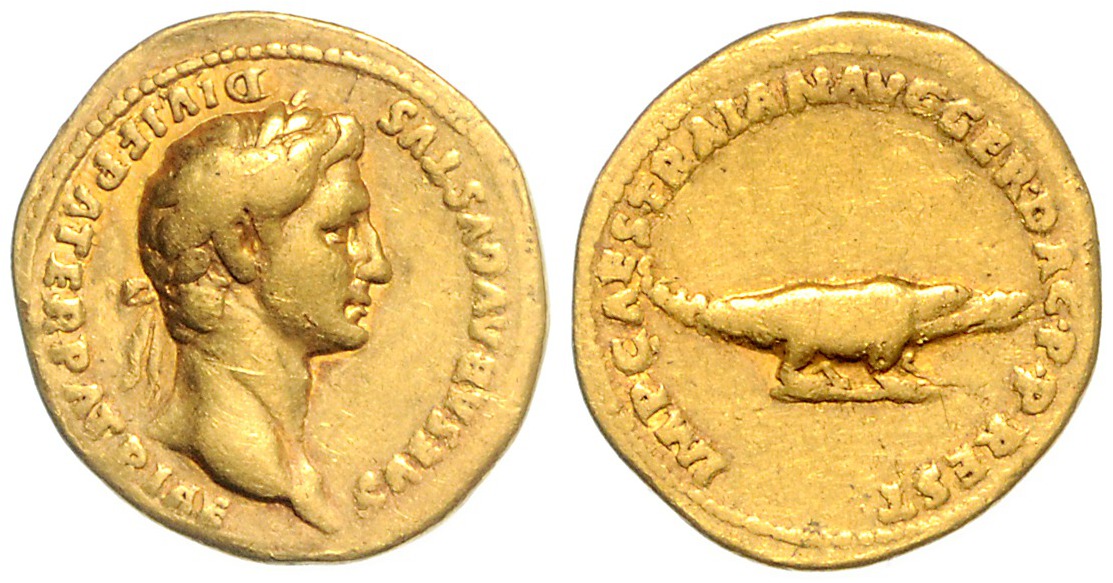
AV Aureus (AD 107–113), Rome.
Restitution issue honoring Augustus.
Condition: extremely rare, near vf.
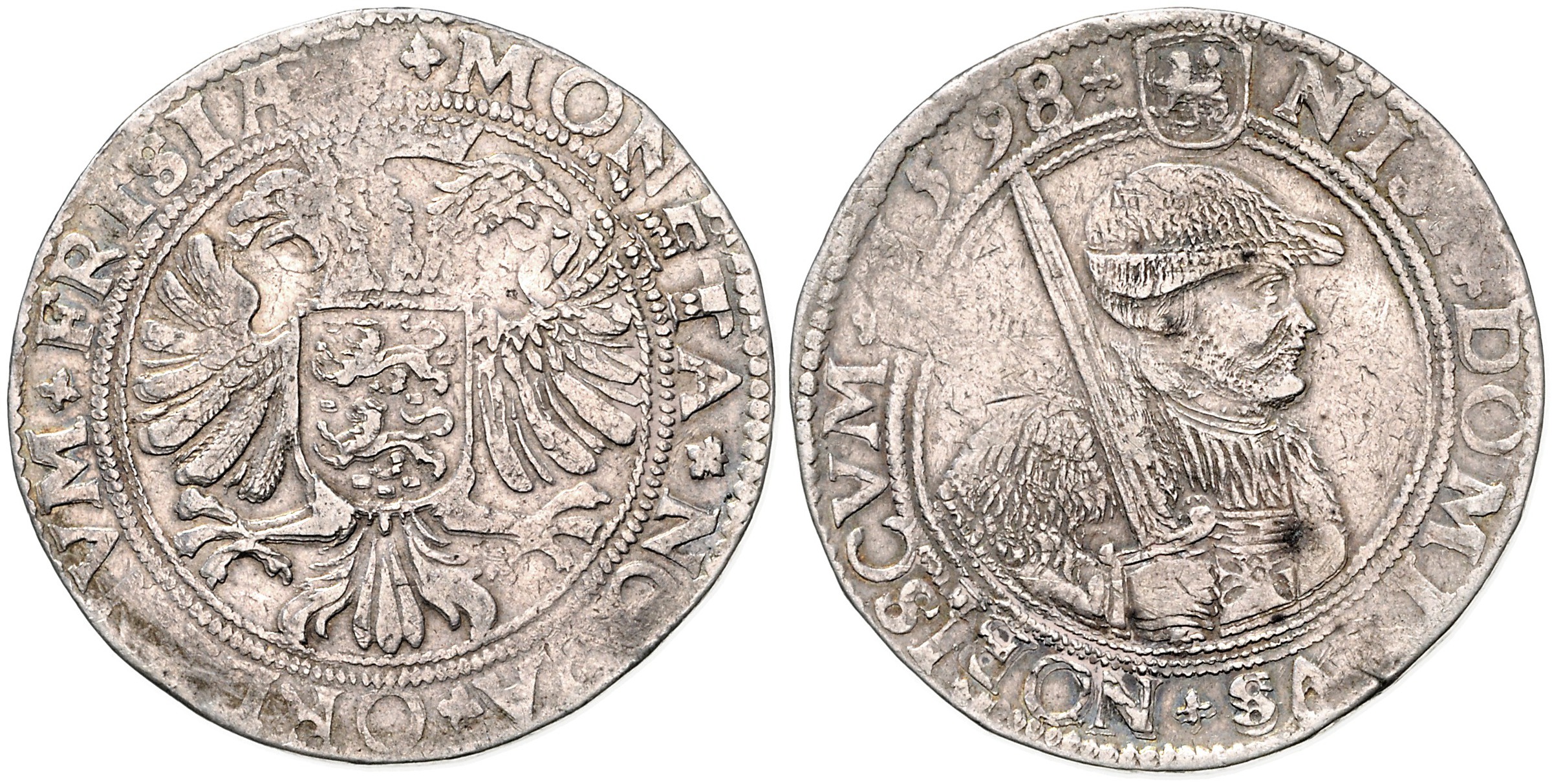
Arendsrijksdaalder (Eagle Rixdollar), 1598.
Condition: very rare, vf.
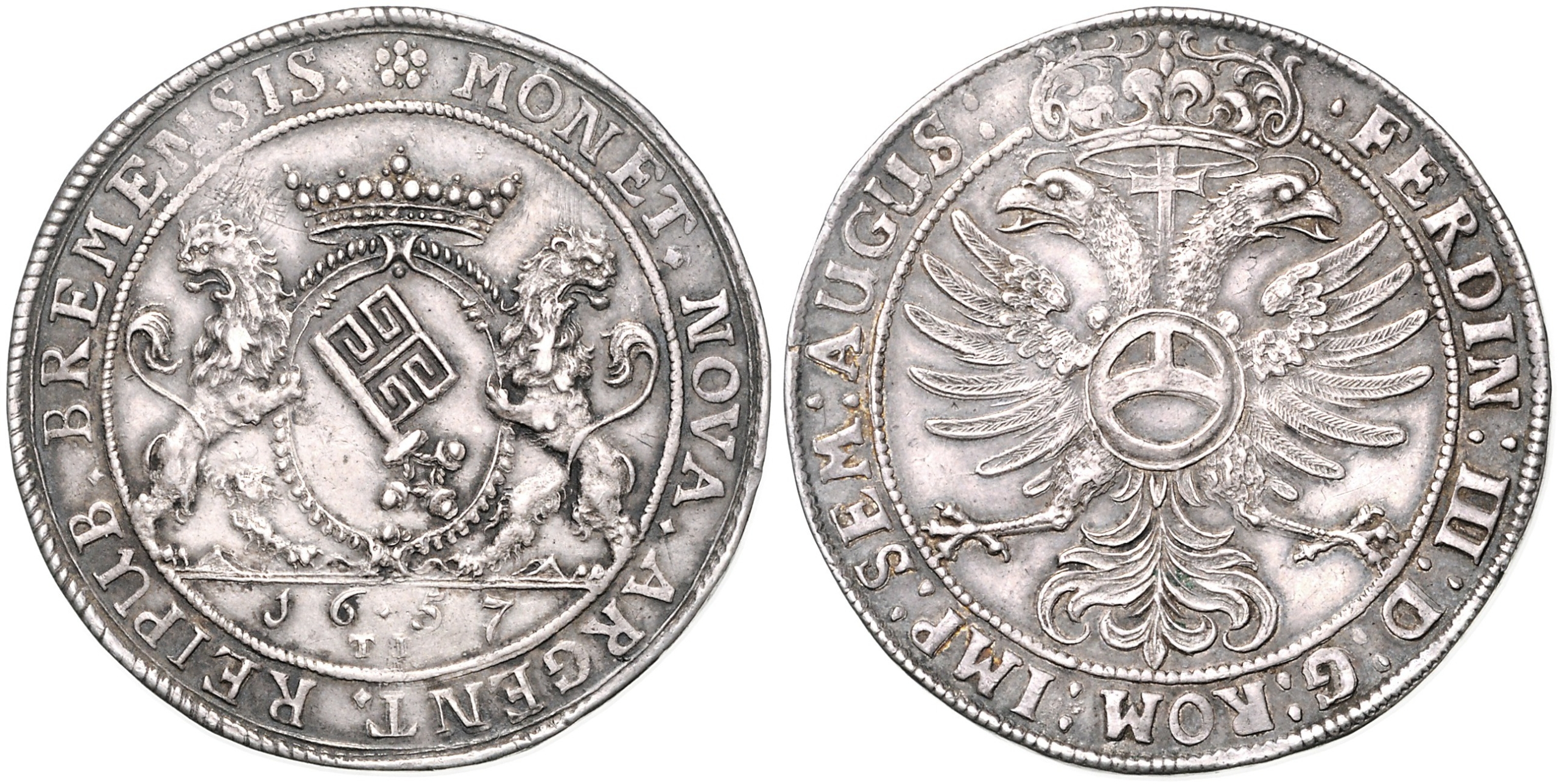
Thaler, 1657.
Bearing the title of Ferdinand III.
Condition: near ef/ef.
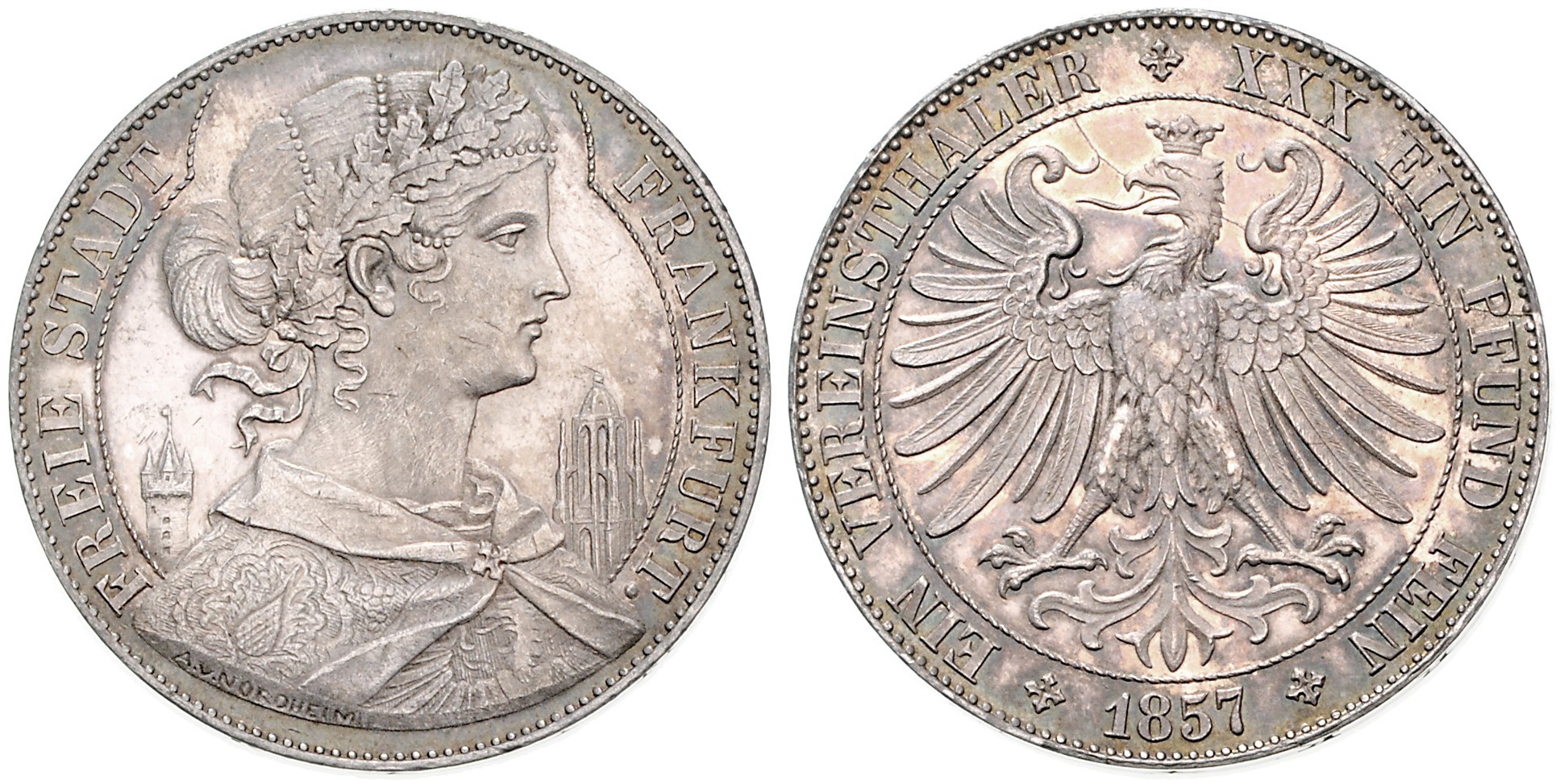
Vereinstaler 1857.
Condition: attr. piece, first strike.
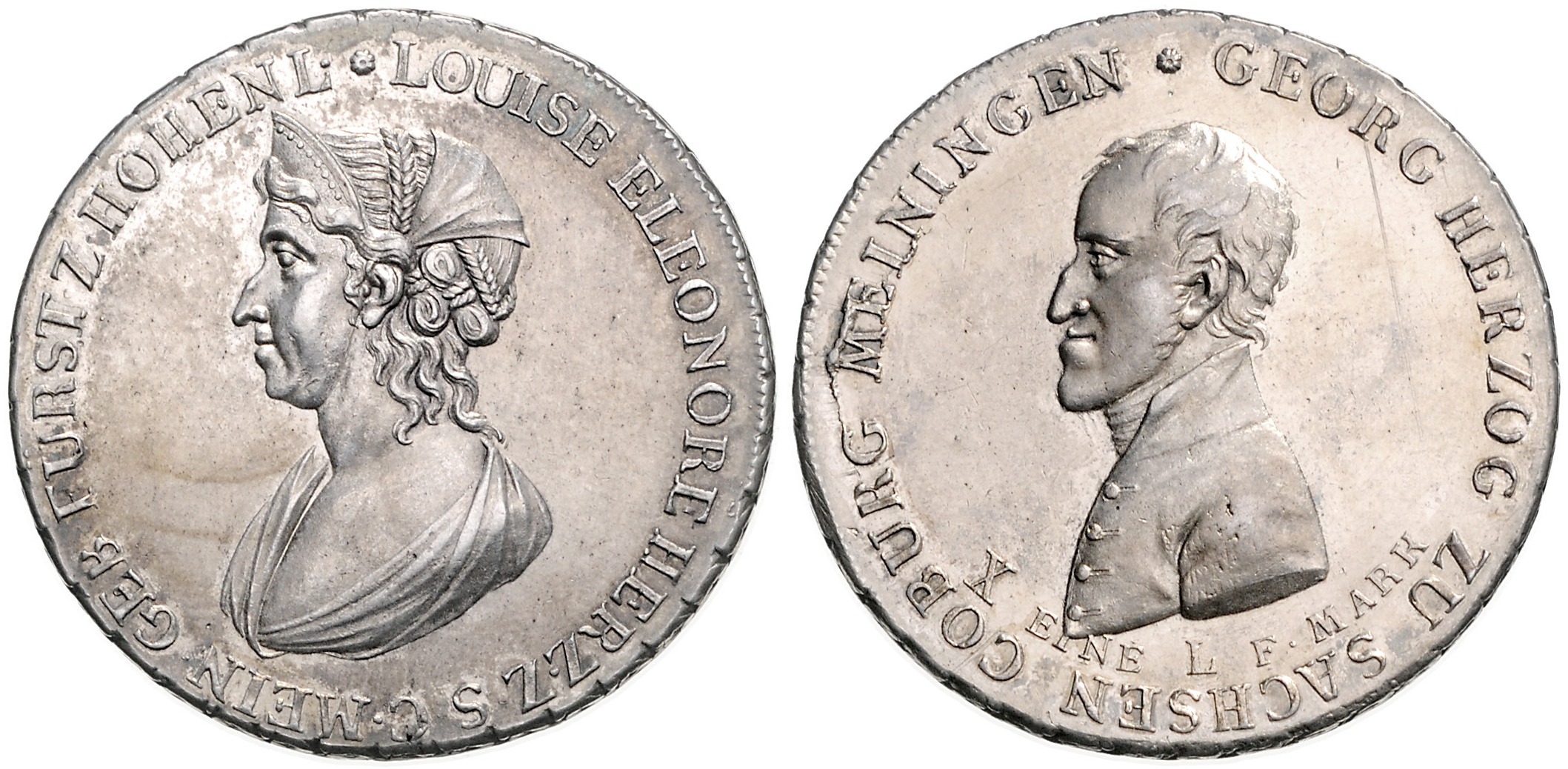
Convention thaler, n.d. (after 1803),
issued on the death of Duke Georg.
Condition: extremely rare, unc.
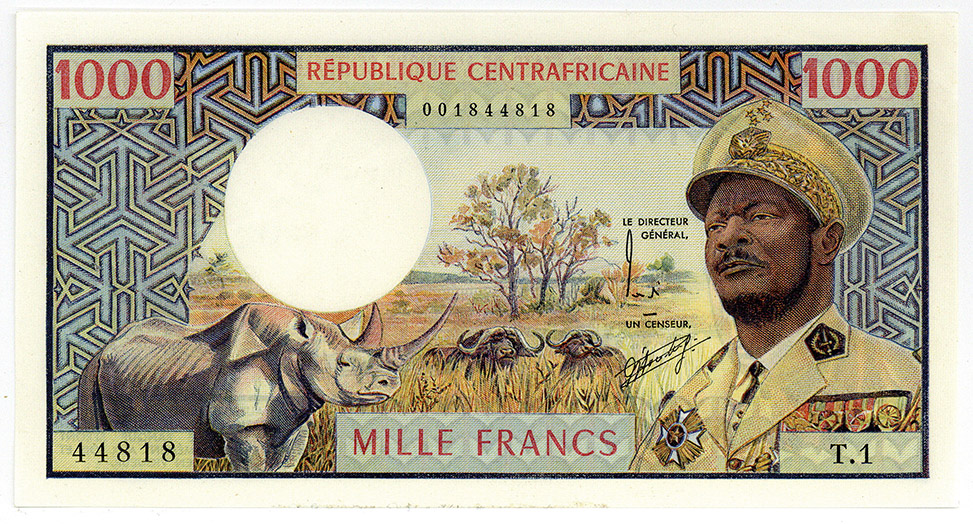
Banque des États de l'Afrique Centrale,
1000 francs 1974.
Condition: I-.
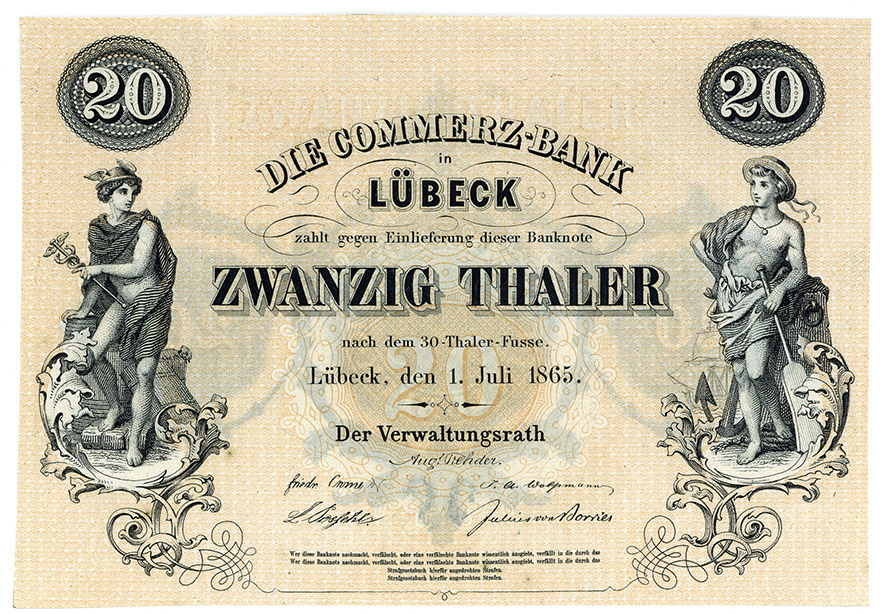
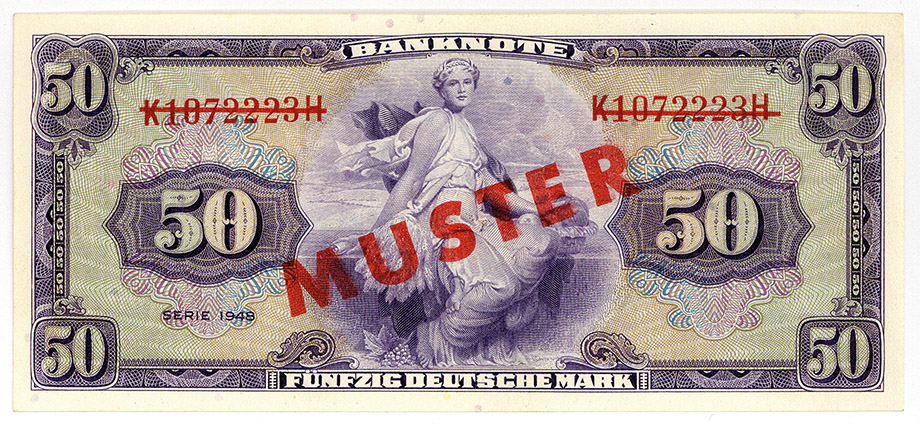
Two Sides of the Same Coin. Means of Transactions – Masterpieces of Art
Alpha Bank Numismatic Collection, Alpha Bank Romania and National Bank of Romania are organizing, from September 22, 2023 to March 1, 2024, the exhibition “Two sides of the same coin. Means of Transactions – Masterpieces of Art”, an event held to celebrate the 50th anniversary of the collection.
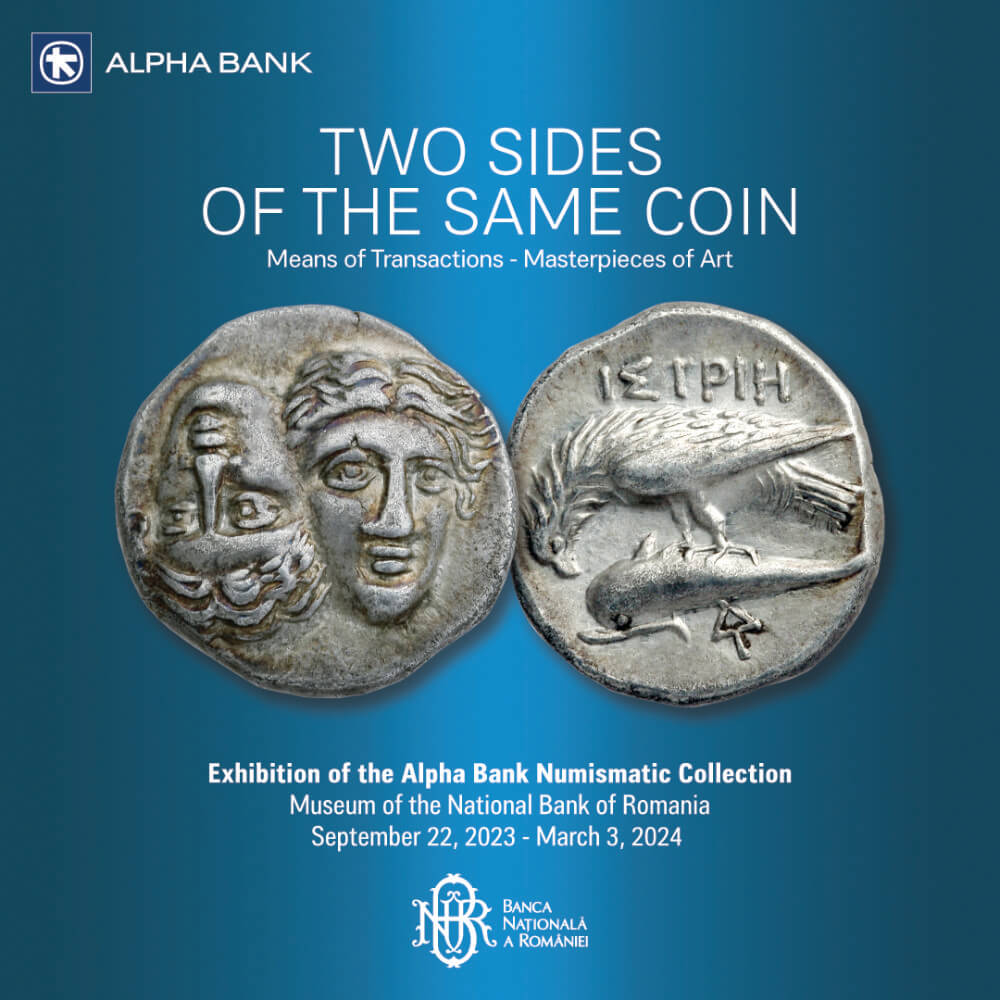
It is the first time that the Alpha Bank Numismatic Collection, one of the most important collections of ancient coins in the world, travels outside Greece and the first exhibition with international participation organized at the NBR Museum in Bucharest.
The exhibition event highlights the historical and cultural importance of coins and their role in communication and financial education, while marking the 50-year anniversary of the Alpha Bank Numismatic Collection.

Stater of Croesus, after 550 BC. Alpha Bank 9410.
Through the 100 pieces hosted by the NBR Museum, visitors to the exhibition will be able to take an imaginary journey into the world of ancient Greece and Greek mythology. True works of art, the coins depict personalities and historical events or sporting events illustrating Hellenic culture and civilization and how it influenced the whole of European culture.

Decadrachm of Syracuse (Euainetos), 400 BC. Alpha Bank 5124.

Drachm of Istros, 4th century BC. Alpha Bank 10792.
A statement from Dr. Dimitra Tsangari, Curator of the Alpha Bank Numismatic Collection:
“Alpha Bank Numismatic Collection is proud to present in Romania its first exhibition outside of Greece, featuring a collection of 100 historically important coins. Co-organized by Alpha Bank Romania and the National Bank of Romania, the exhibition “Two Sides Of The Same Coin” focuses on two interpretations of coinage: the coin as a basic means of transaction and as a masterpiece of art. As a means of transaction, the coin first appeared in the second half of the seventh century BC, to facilitate everyday dealings between people in a circumscribed geographical area, to conduct trade, to remunerate soldiers and public functionaries, to cover the administration expenses and public works projects, and to pay taxes. The coin also functioned as a form of political messaging, enabling, mainly rulers, to showcase their authority, as well as the city-states to confirm their independent political existence and autonomy.”

Didrachm of Roman Republic (269-266 BC). Alpha Bank 10426.

Solidus of Constantine the Great (363-364 AD). Alpha Bank 10907.
“At the same time, the coin is a masterpiece of art, reflecting the artistic trends and the creative talent of its engravers during the particular period of its circulation. The Greeks were the first to introduce the art of narration on a small metal flan, as well as the first to add their artistic inspiration on it, transforming the coin from a utilitarian object into an artwork. Coins depict persons and narrate events from the Greek mythology and historical times, mainly of Hellenic antiquity, also including persons and moments from the Roman and the Byzantine periods.”

The first impressive look into the exhibition.
It is for the first time in Romania that the public will be able to admire one of the oldest coins ever minted: a hekte of stater made of electrum, a natural alloy of gold and silver, struck in Asia Minor – in Ionia or Lydia – between 630 and 600 BC. The exhibition also presents the first Greek coins struck in Aegina, coins used in international transactions, such as the Athenian owls and the Alexandrian tetradrachms, or coins from Callatis and Histria.

Various aspects of coinage and trade are approached.

Each coin is well described and beautifully highlighted.

Some elements are specially designed for kids.
The Alpha Bank Numismatic Collection numbers around 11,000 ancient coins and is regarded as one the most important collections of its kind worldwide.