







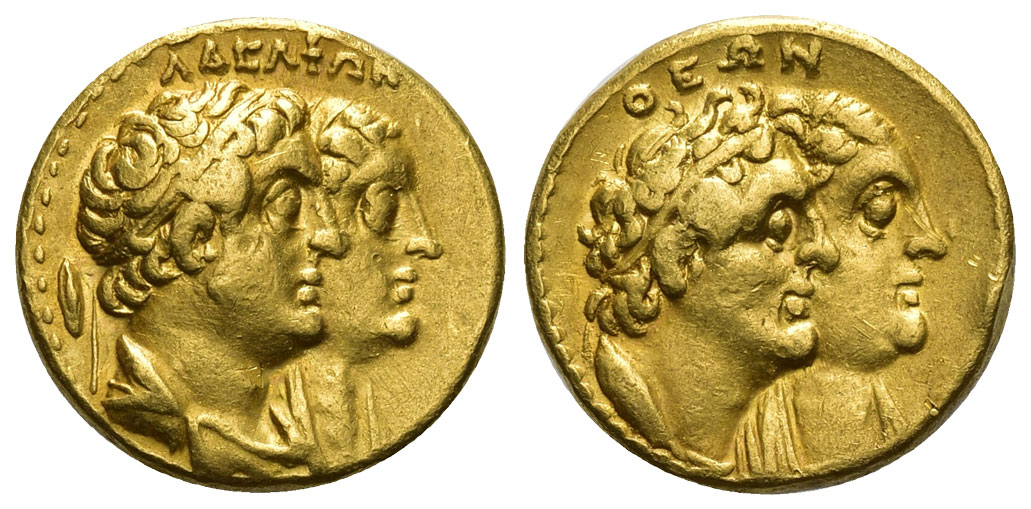
AV Tetradrachm (282–272 BC),
King Ptolemy II and Queen Arsinoe II.
From the major collection of Alexandria mint.
Condition: vf+
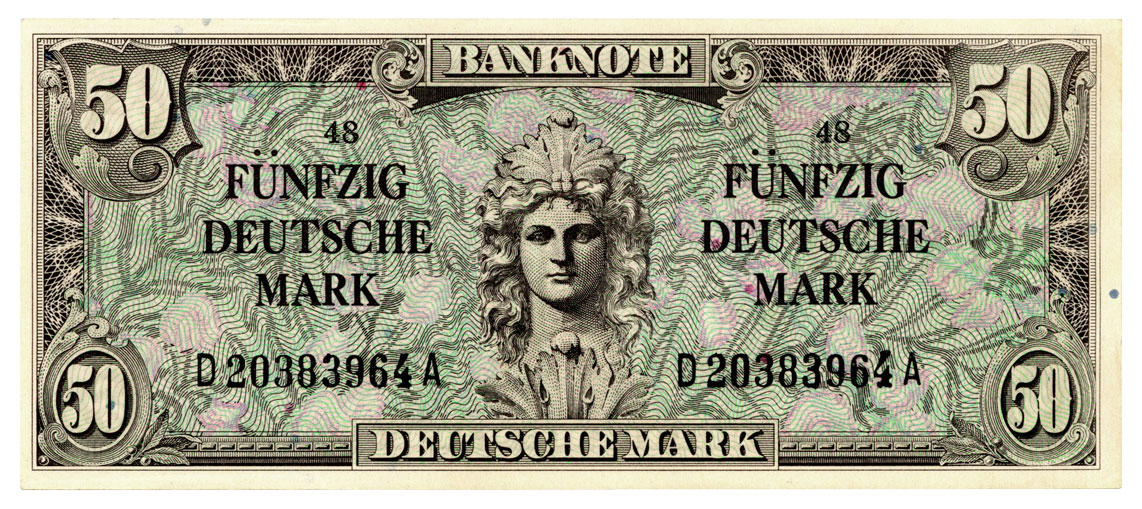
50 Deutsche Mark o.D. ( 1948-1949) "Liberty".
Condition: extremly rare, I
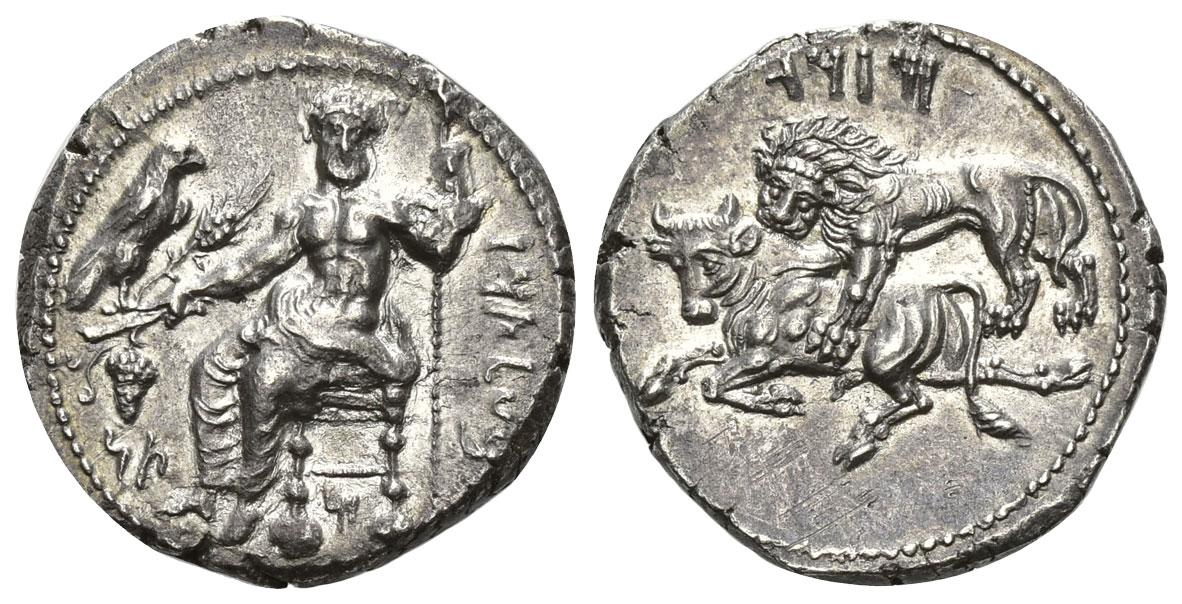
AR Stater (361-334 BC).
Obv. Baal of Tarsos.
Conditon: ef
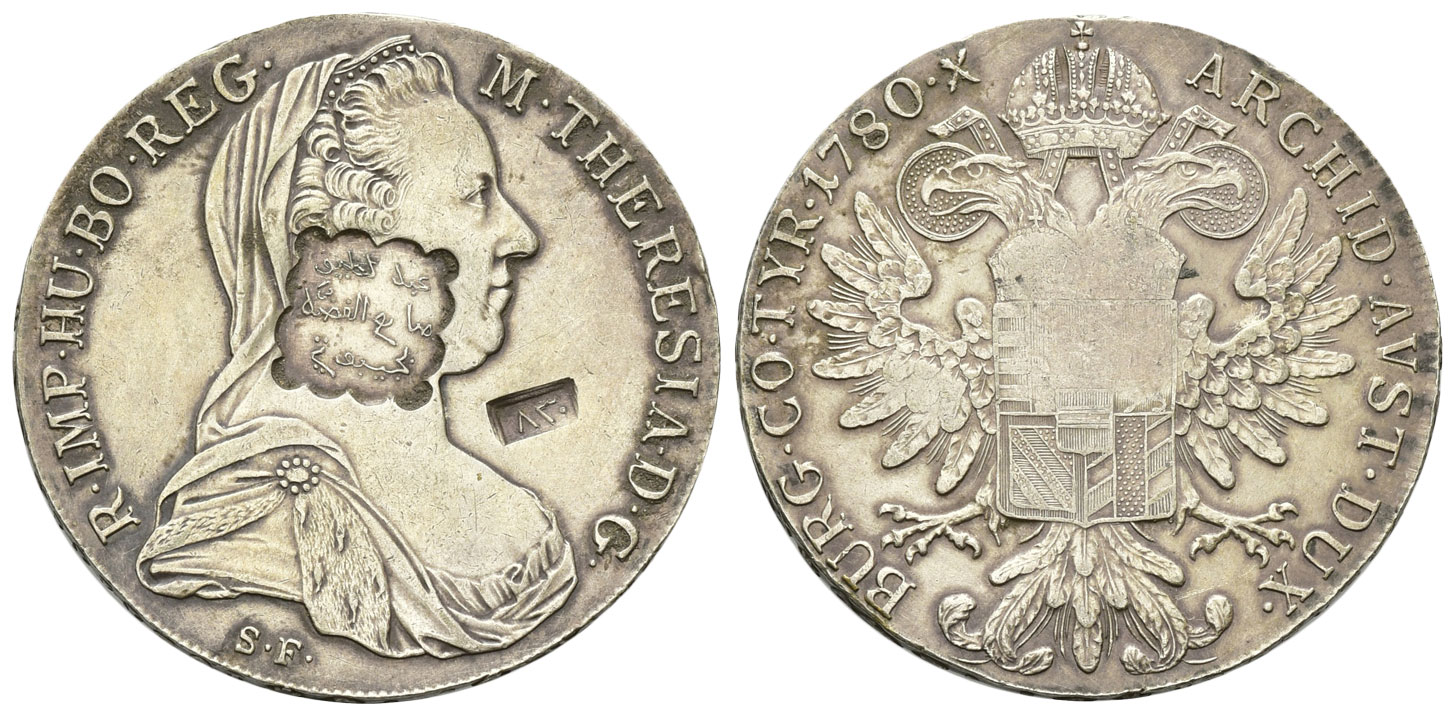
Taler 1780 SF
with counter stamp Djibouti (1870-1900).
Condition: vf
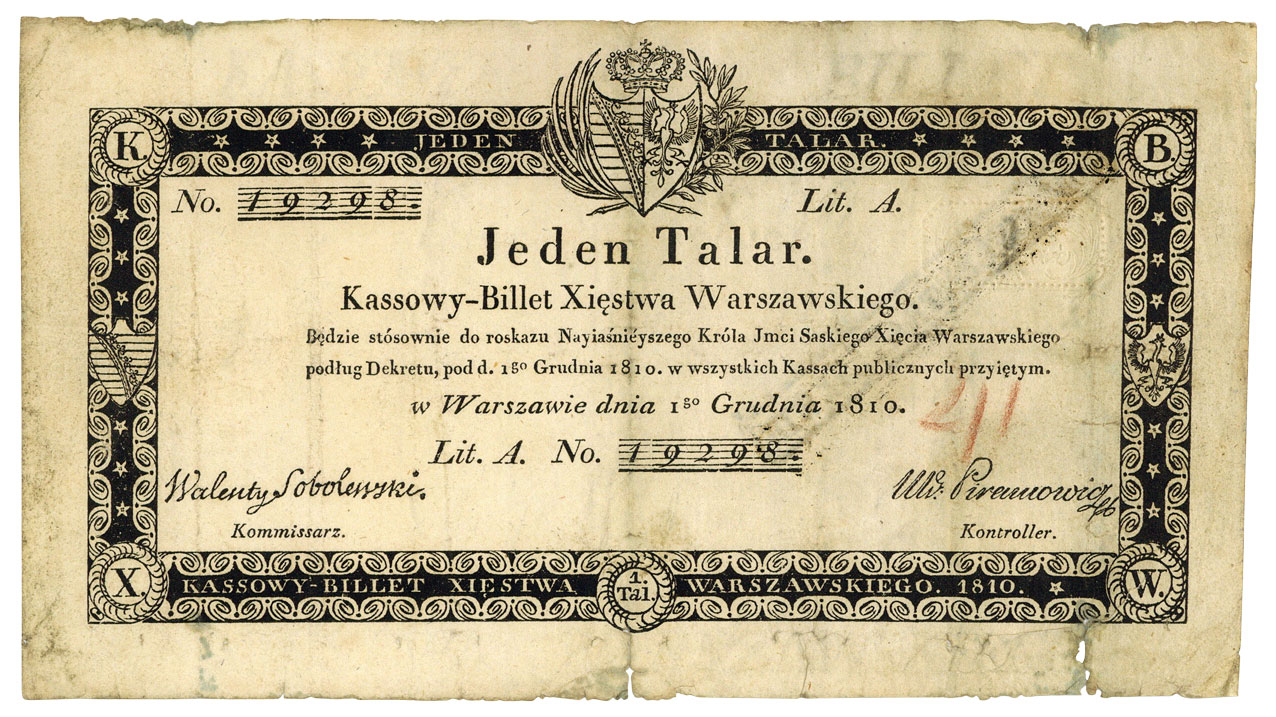
1 Talar 1. December 1810.
Condition: III-IV
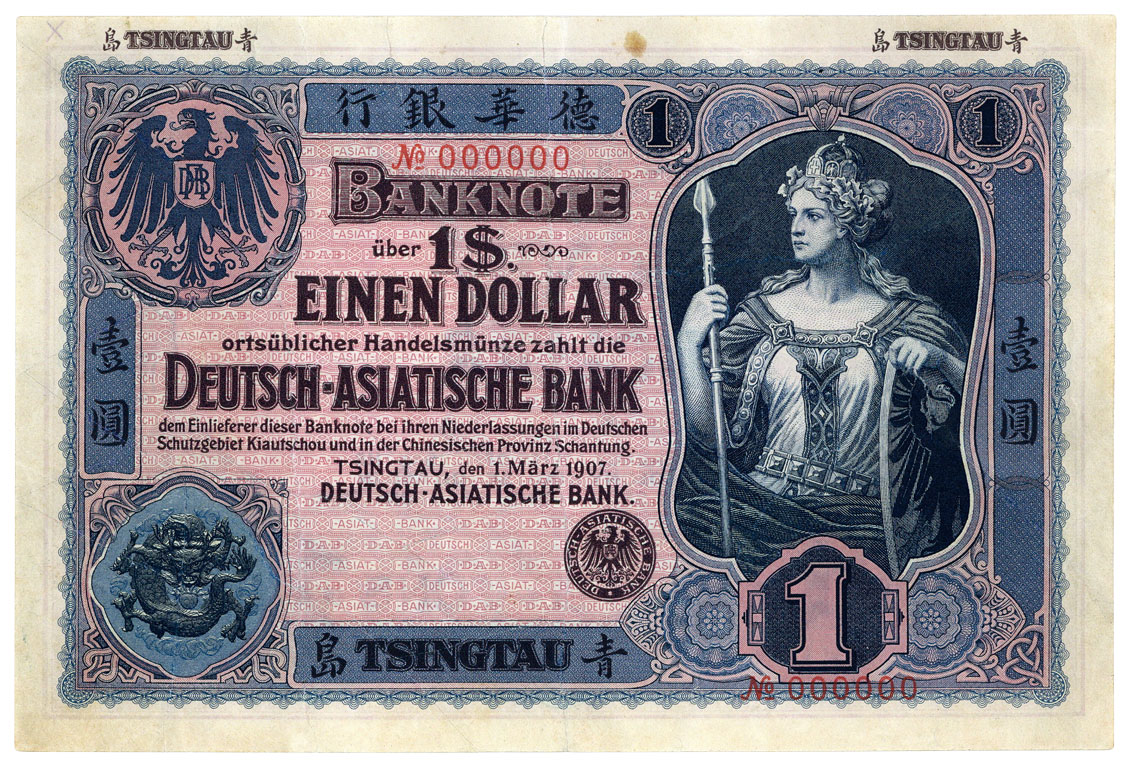
1 Dollar 1.3.1907, Tsingtao.
Condition: very rare, restored
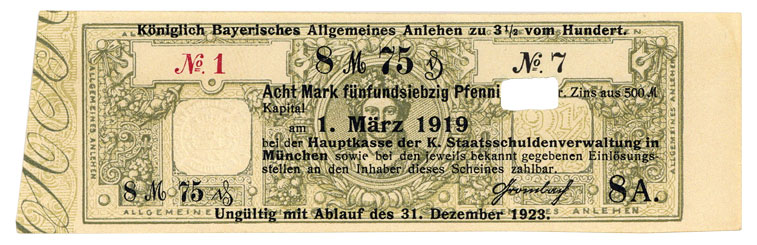
Royal Bavarian General Loan.
8.75 Marks, March 1, 1919.
Condition: rare, I
Pobjoy’s Newest Egyptian Gods Coin Features Anubis
Pobjoy Mint announced a brand new reverse frosted silver bullion coin issued on behalf of Sierra Leone commemorating 250 years since the birth of British Egyptologist Dr Thomas Young. The coin features the Egyptian God Anubis.

Background Stela of Siamun and Taruy worshipping Anubis. Metropolitan Museum of Art. Image: CC0.
Anubis is one of the most iconic gods of ancient Egypt. Anubis was an extremely ancient deity whose name appears in the oldest mastabas of the Old Kingdom and the Pyramid Texts as a guardian and protector of the dead. He was originally a god of the underworld, but became associated specifically with the embalming process and funeral rites.
The ancient Egyptians believed that the preservation of the body and the use of sweet-smelling herbs and plants would help the deceased because Anubis would sniff the mummy and only let the pure move on to paradise. Anubis is usually depicted as a canine deity or the figure of a man with a jackal head.
Hieroglyphs were used by Egyptians for thousands of years but, following the conquest of Egypt by Alexander the Great and the imposition of Hellenistic rule, the script gradually ceased to be used. Roman and Greek authors, who could not read hieroglyphs, believed them to be symbolic and not phonetic – a belief which went unquestioned, and effectively hampered decipherment for centuries.

The Rosetta Stone in the British Museum. Image: Hans Hillewaert via Wikimedia Commons / CC BY-SA 4.0.
The breakthrough came with the discovery of the Rosetta Stone. The stone records a decree given by Ptolemy V in 196 BC and is, crucially, written in three languages: hieroglyphs, demotic and ancient Greek. By 1814 Dr Thomas Young had completely translated the “enchorial” text of the Rosetta Stone using a list with 86 demotic words, and then studied the hieroglyphic alphabet.
The translation of hieroglyphs allowed for the world to understand many of ancient Egypt’s mysteries and myths, including the ancient Egyptian religion which centered in Egyptians interactions with deities believed to be present in, and in control of the world.

Sierra Leone / 1 Dollar / Silver 0.999 / 38.60 mm / 1 oz / Mintage: 5,000.
The design features an image of the Egyptian God Anubis with his name in hieroglyphics appearing in a triangle. The design in the background features typical Egyptian decoration with hieroglyphics along with a set of scales. It also features a silver bullion privy mark “P” which is exclusive to Pobjoy Mint Bullion coins. The obverse of the coin features the Coat of Arms of Sierra Leone with a frosted background.
Bullion coins are always a very attractive purchase due to their intrinsic metal value and unique designs. In order to maintain the exclusivity of this piece, no more than 5,000 of the Silver Reverse Frosted Bullion coins will be produced.
