







Archive: People and Markets
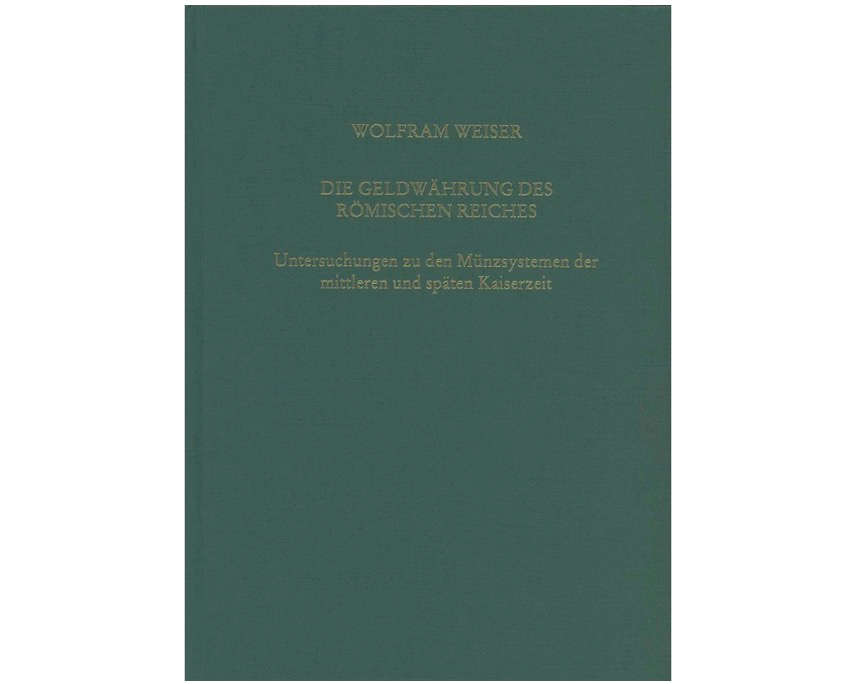
A Great Numismatist’s Important Book Published Posthumously
About a year after Wolfram Weisers death, his book on the currency of the Roman Empire has been published. Prof. Johannes Nollé has taken a closer look at this important German study.
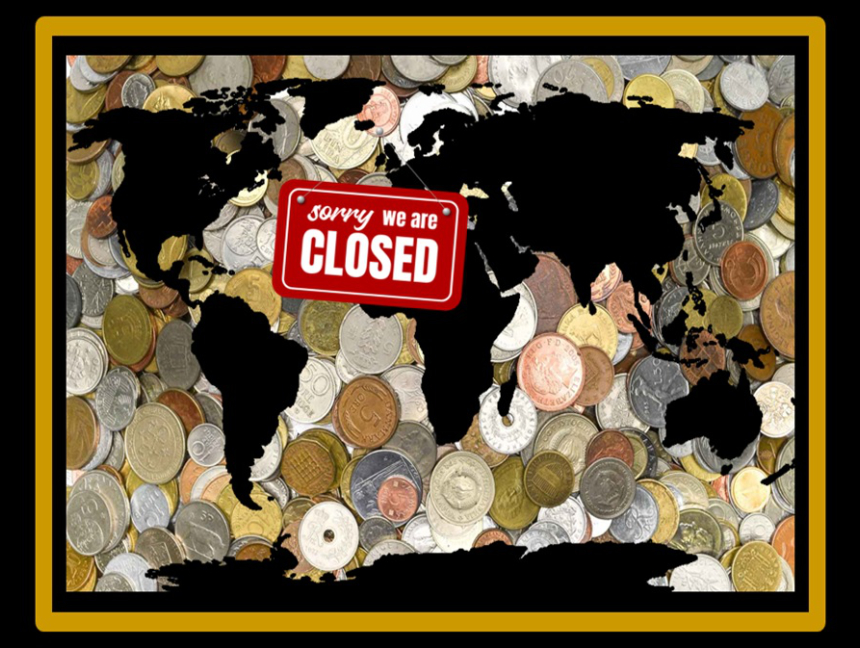
Foreign Coin Production Ends at the Royal Mint – The End of an Era or Another Step Closer to a Cashless Economy?
The Royal Mint has announced that it will no longer produce coins for other countries, ending a business model that it has operated for 700 years. Michael Alexander puts this development into perspective.
Archive: Coins, Medals and more
 https://new.coinsweekly.com/wp-content/uploads/2024/10/2024KW44HA_00.jpg
684
860
Lucie Loechel
https://new.coinsweekly.com/wp-content/uploads/2023/01/logo-coinsweekly_590x204.png
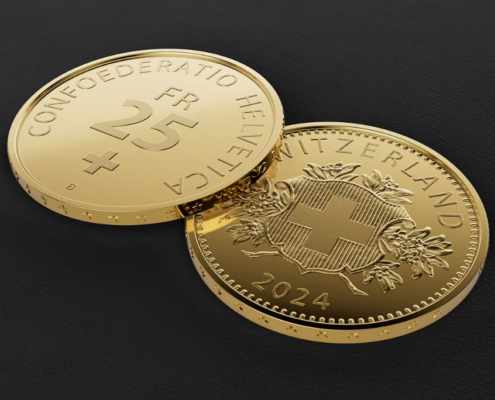
Lucie Loechel2024-10-30 11:12:142024-10-30 11:12:1425 Francs in Gold: Swissmint’s New Gold Coin
https://new.coinsweekly.com/wp-content/uploads/2024/10/2024KW44HA_00.jpg
684
860
Lucie Loechel
https://new.coinsweekly.com/wp-content/uploads/2023/01/logo-coinsweekly_590x204.png
Lucie Loechel2024-10-30 11:12:142024-10-30 11:12:1425 Francs in Gold: Swissmint’s New Gold Coin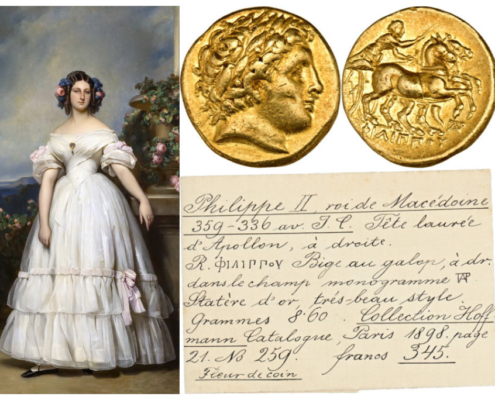 https://new.coinsweekly.com/wp-content/uploads/2024/10/2024KW43HA_00.jpg
684
860
Lucie Loechel
https://new.coinsweekly.com/wp-content/uploads/2023/01/logo-coinsweekly_590x204.png
Lucie Loechel2024-10-24 10:15:002024-10-24 13:59:31Clémentine d’Orléans: Extraordinary Woman and Coin Collector
https://new.coinsweekly.com/wp-content/uploads/2024/10/2024KW43HA_00.jpg
684
860
Lucie Loechel
https://new.coinsweekly.com/wp-content/uploads/2023/01/logo-coinsweekly_590x204.png
Lucie Loechel2024-10-24 10:15:002024-10-24 13:59:31Clémentine d’Orléans: Extraordinary Woman and Coin Collector
Warning Against Overpriced Coins: “Stick Figure” and “Woman on a Bull” Designs Aren’t Just Found in the Euro Zone
“Mega-rarity from your change” – sensational headlines like these frustrate coin collectors and dealers across Europe. Yet, it’s not just within the Eurozone that supposed rarities, often lacking genuine collector value, make waves.
A Year of Gold Bars in US Supermarkets: Could the Costco Model Work in Europe?
Since autumn 2023, Americans have been able to invest in gold at the wholesale chain “Costco.” Those who bought then have enjoyed a handsome return – but whether gold will ever be sold at Aldi or Lidl in Europe remains uncertain.