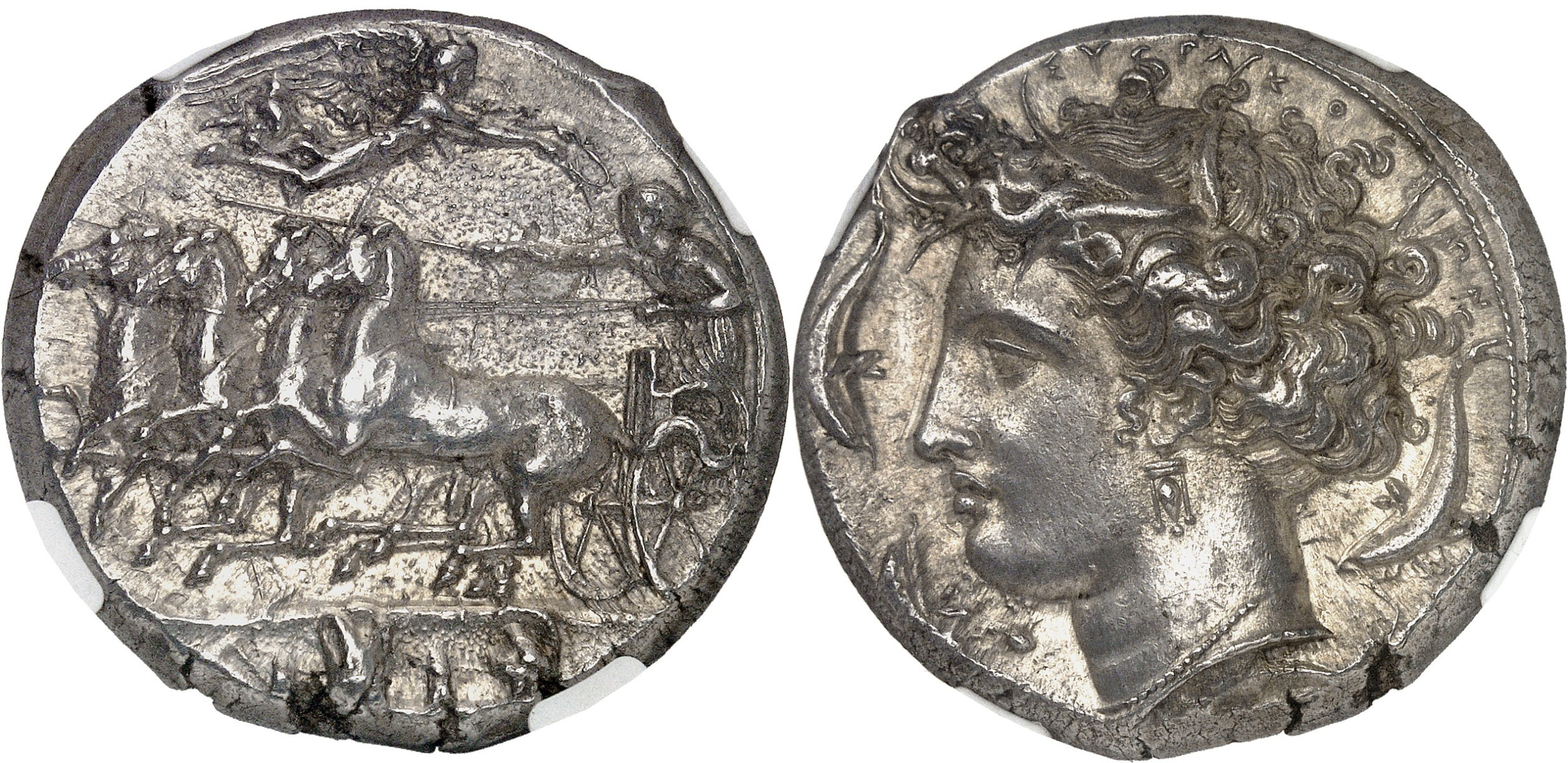
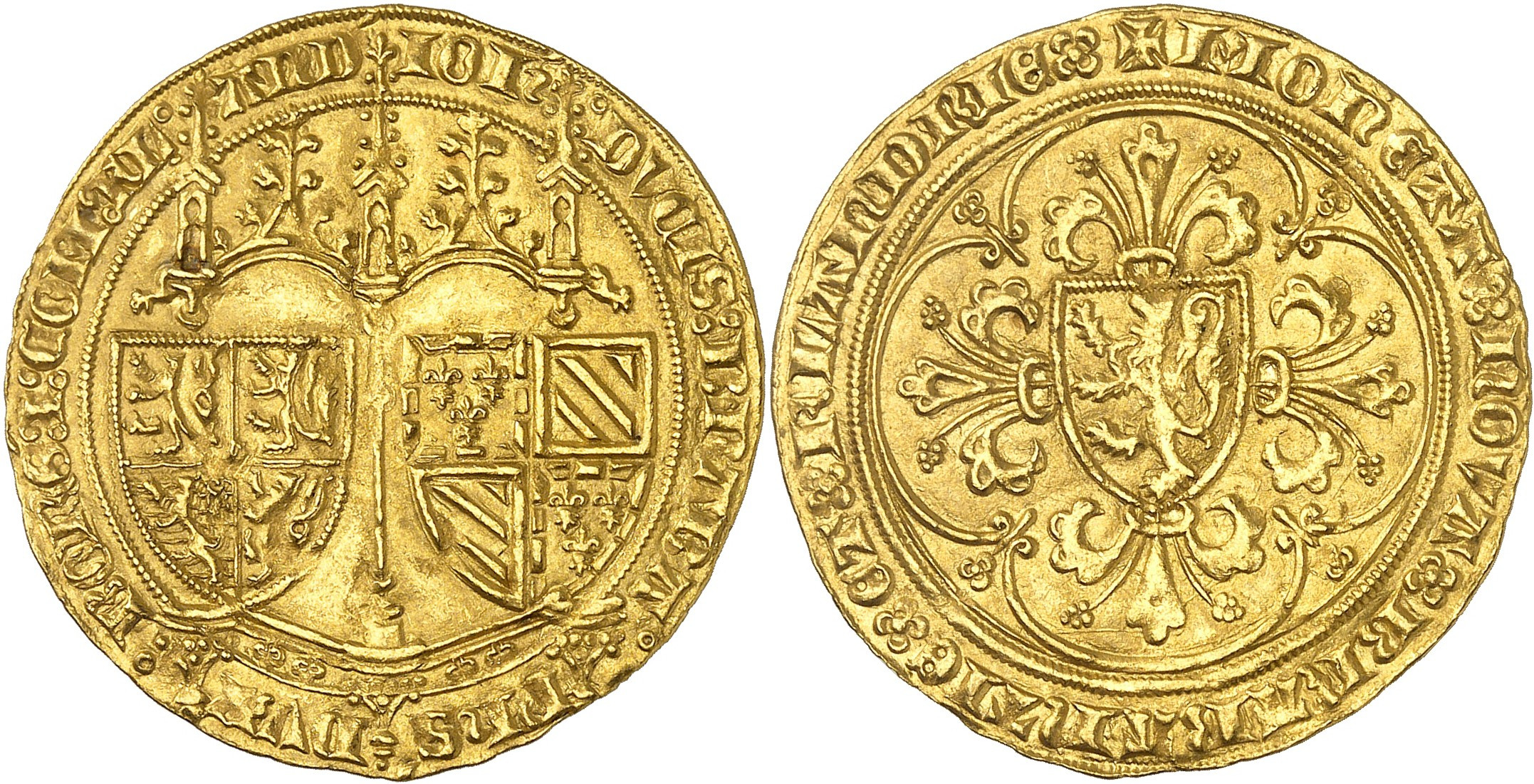
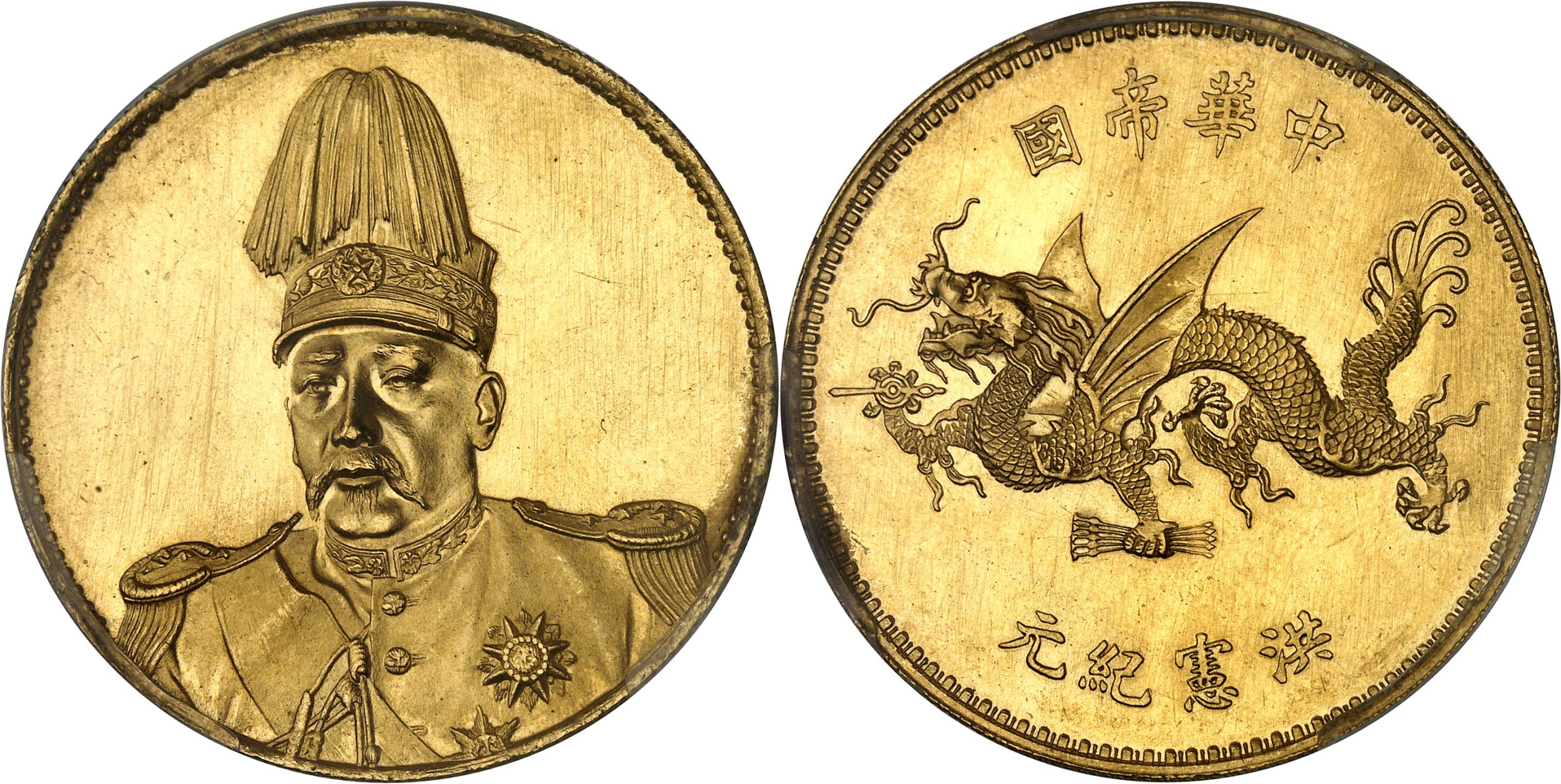
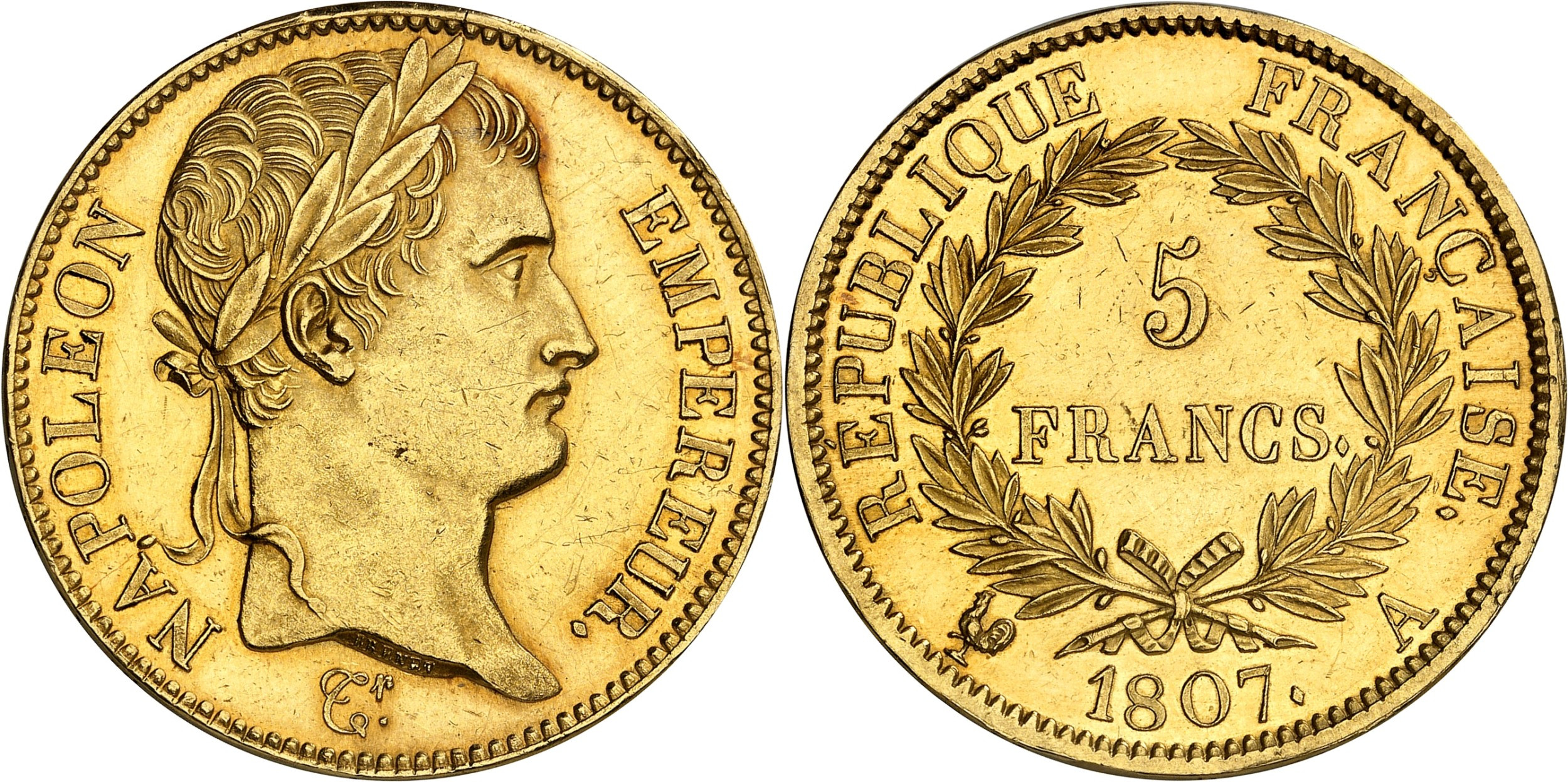
154Prussia. Frederick William IV, 1840–1861.
Gold medal in the weight of 50 ducats
commemorating the publication of the second volume
of Alexander von Humboldt’s *Kosmos*.
NGC MS 65 PL.
From the estate of Emperor William I.
Estimate: 40.000 Euro

166Prussia. Frederick William IV, 1840–1861.
Gold medal in the weight of 50 ducats commemorating
the unveiling of the equestrian statue of
Frederick the Great on Unter den Linden in Berlin in 1851.
NGC MS 63 PL.
From the estate of Emperor William I.
Estimate: 25.000 Euro

191Prussia. William I, 1861–1888.
General’s Medal in the weight of 120 ducats, 1871,
commemorating the victory over France.
A magnificent specimen.
From the estate of Emperor William I.
Estimate: 75.000 Euro

297Russia. Nicholas I, 1825–1855. Family ruble.
1 1/2 rubles (10 zlotys), 1835, St. Petersburg.
NGC MS 64 (Top Pop).
Only 36 examples struck.
A cabinet piece from polished dies.
From the estate of King Frederick William IV.
Estimate: 250.000 Euro

1098Holland. Province.
5 ducats, 1681.
Struck with the dies of a guilder.
NGC PF 64 Cameo.
Proof.
Estimate: 40.000 Euro

1192HRE. Ferdinand II, 1592–1618–1637.
5 ducats, 1634, Vienna.
Extremely rare.
Extremely fine-uncirculated.
Estimate: 10.000 Euro

1266HRE. Vienna.
Salvator Medal in the weight of 12 ducats,
n. d.(around 1840).
NGC PF 61 CAMEO.
Proof.
Estimate: 15.000 Euro

1334City of Regensburg.
5 ducats, n. d. (1708–1710),
with the title of Joseph I. NGC MS 64.
Extremely rare. According to mint records,
only 7 copies struck.
A magnificent piece.
Estimate: 25.000 Euro

1602German New Guinea.
10 New Guinea Marks, 1895 A.
NGC MS 65.
A magnificent piece.
Estimate: 50.000 Euro

2757Saxony.
John Frederick the Magnanimous and
Maurice, 1541–1547.
Trinity Medal, 1544.
A masterpiece of German medal art. Magnificent,
excellent craftsmanship.
Estimate: 75.000 Euro

Archive: People and Markets
Daniel Neuberger and the Art of Deception – Exhibition at the Kunsthistorisches Museum

The Kunsthistorisches Museum Vienna is currently showing a special exhibition about Daniel Neuberger. Neuberger (1621–1680) was one of the most important and versatile artists at the imperial court in Vienna, where he worked as a wax sculptor, portraitist, and lapidary for Emperor Ferdinand III and his sons Ferdinand IV and Leopold I. more

Hacksilber, Persian and Early Hellenistic Coinage from the Jeselsohn Collection

Haim Gitler, David Jeselsohn, Mati Johananoff and Oren Tal present the first volume of a series about the Jeselsohn Collection of Coins of the Holy Land, which is probably the most important collection of coins of the southern Levant. This volume covers Hacksilber, Persian and Early Hellenistic coinage.

Cheyenne, Wyoming. Background: Vasiliymeshko / CC BY-SA 4.0

Suspect Arrested for Double Homicide at Coin Shop Nine Years After the Crime

The double murder of a coin shop owner and a second victim in Cheyenne, Wyoming, lay unsolved for almost a decade. Now a suspect is on trial – the very man who had called the police to the crime scene.

Environmental compatibility and sustainability are also playing an increasingly important role in money production. The “Green Banknote” from Giesecke+Devrient contains 86% less plastic and requires 29% less Co2.

G+D Receives IACA Award for the “Green Banknote”

The “Green Banknote”, developed by Giesecke+Devrient, was awarded by the International Association of Currency Affairs as the new best ecological sustainability project in the banknote sector. Why? Read on.

Archive: Coins, Medals and more

The Wedding of a Century in Saxony

In the days of absolutism, a feast was not simply a gathering of friends and family. It was a political means of propagating one’s status. That is exactly what Augustus the Strong did in 1719. His son’s wedding was nothing but a welcome occasion.
At the end of third century AD, Carausius and Allectus successively ruled Britain, and parts of the Continental coast, as rebel emperors for a period of ten years. A new book, published by Spink Books, aims to tell the incredible story of these two rebel emperors. Learn more about them and their rich coinage in this article.

Rebel Emperors of Britannia: Carausius and Allectus

At the end of the third century AD, Carausius and Allectus successively ruled Britain, and parts of the Continental coast, as rebel emperors for a period of ten years. A new book, published by Spink Books, aims to tell the incredible story of these two rebel emperors. Learn more about them and their rich coinage in this article.
Search Search