







Archive: People and Markets
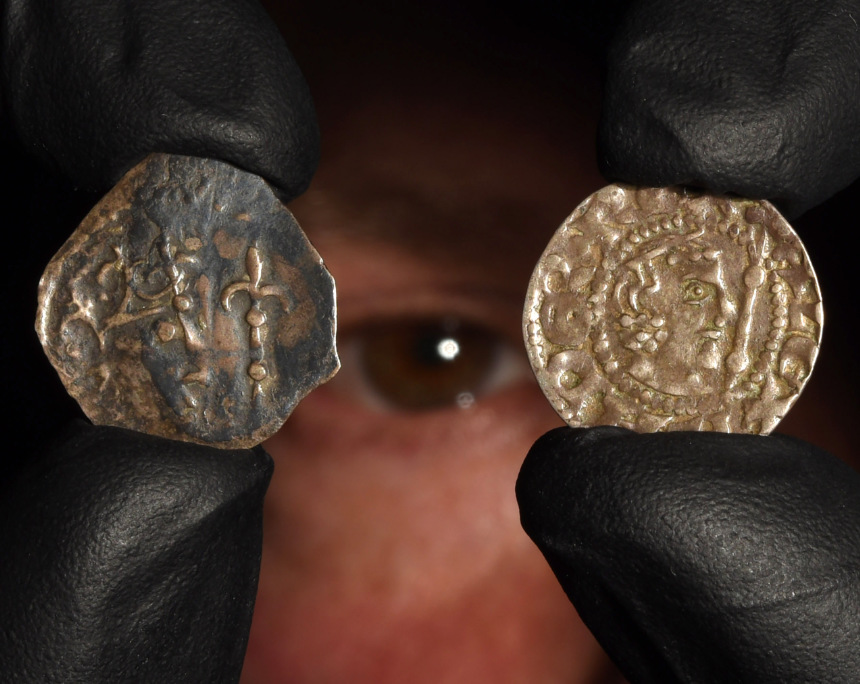
£50,000 Reward for Clues on Stolen Scottish Coin Collection
Until today, the 2007 theft of the Lord Stewartby Collection, one of the finest private collections of Scottish coins, remains unsolved. Crimestoppers and the Hunterian Museum in Glasgow are now offering up to £50,000 for information leading to the conviction of those involved.
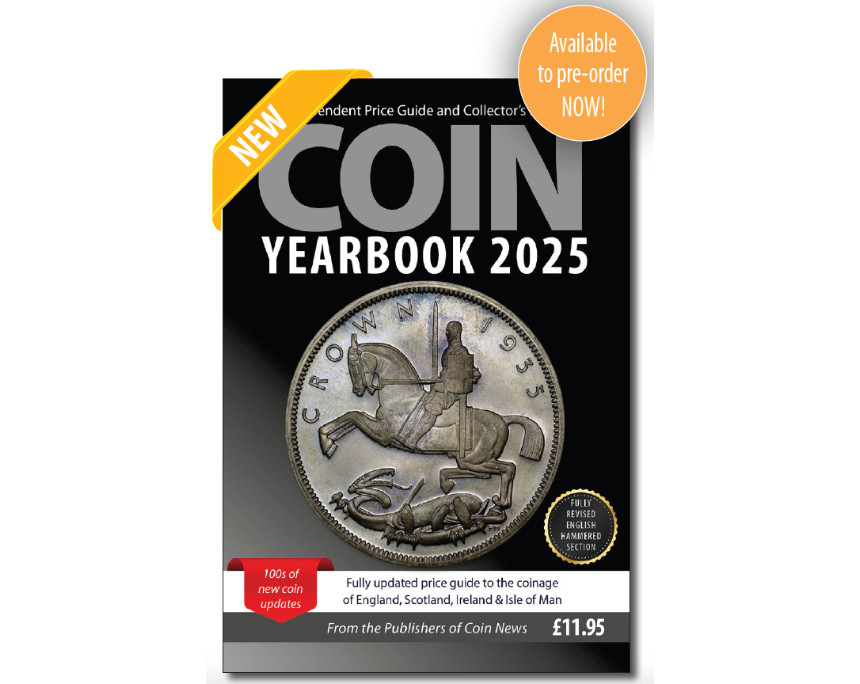
The New and Advanced Coin Yearbook 2025
The new 2025 edition of the Coin Yearbook is fully revised and updated. It features accurate up-to-the-minute pricing of English, Scottish, Irish and Isle of Man coins and many more features.
Archive: Coins, Medals and more
 https://new.coinsweekly.com/wp-content/uploads/2024/12/2024KW49HA_00.jpg
684
860
Lucie Loechel
https://new.coinsweekly.com/wp-content/uploads/2023/01/logo-coinsweekly_590x204.png
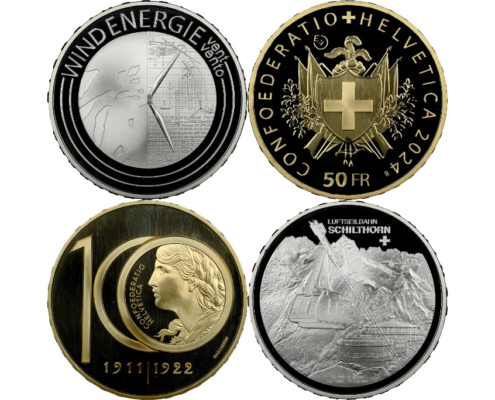
Lucie Loechel2024-12-05 06:00:382024-12-05 13:32:34Swissmint Patterns at Numismatica Genevensis SA
https://new.coinsweekly.com/wp-content/uploads/2024/12/2024KW49HA_00.jpg
684
860
Lucie Loechel
https://new.coinsweekly.com/wp-content/uploads/2023/01/logo-coinsweekly_590x204.png
Lucie Loechel2024-12-05 06:00:382024-12-05 13:32:34Swissmint Patterns at Numismatica Genevensis SA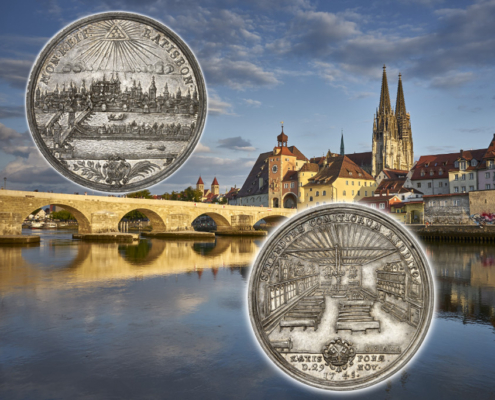 https://new.coinsweekly.com/wp-content/uploads/2024/03/2024KW12HA_00.jpg
684
860
Ursula Kampmann
https://new.coinsweekly.com/wp-content/uploads/2023/01/logo-coinsweekly_590x204.png
Ursula Kampmann2024-03-14 11:47:492024-03-14 11:57:08Regensburg: Where the Emperor and the Empire Met
https://new.coinsweekly.com/wp-content/uploads/2024/03/2024KW12HA_00.jpg
684
860
Ursula Kampmann
https://new.coinsweekly.com/wp-content/uploads/2023/01/logo-coinsweekly_590x204.png
Ursula Kampmann2024-03-14 11:47:492024-03-14 11:57:08Regensburg: Where the Emperor and the Empire Met
New Security Standards for the World Money Fair
The personalization of tickets has become standard at many events. Starting in 2025, visitors to the World Money Fair will be required to provide their personal data when purchasing tickets.
Coinwatch – Watches With Coins For Enthusiasts
Coinwatch had a vision when it was founded in 1984: to combine coins and watches for those who love coins and wish to display them. The birth of watches with coins as dials.