











Archive: People and Markets
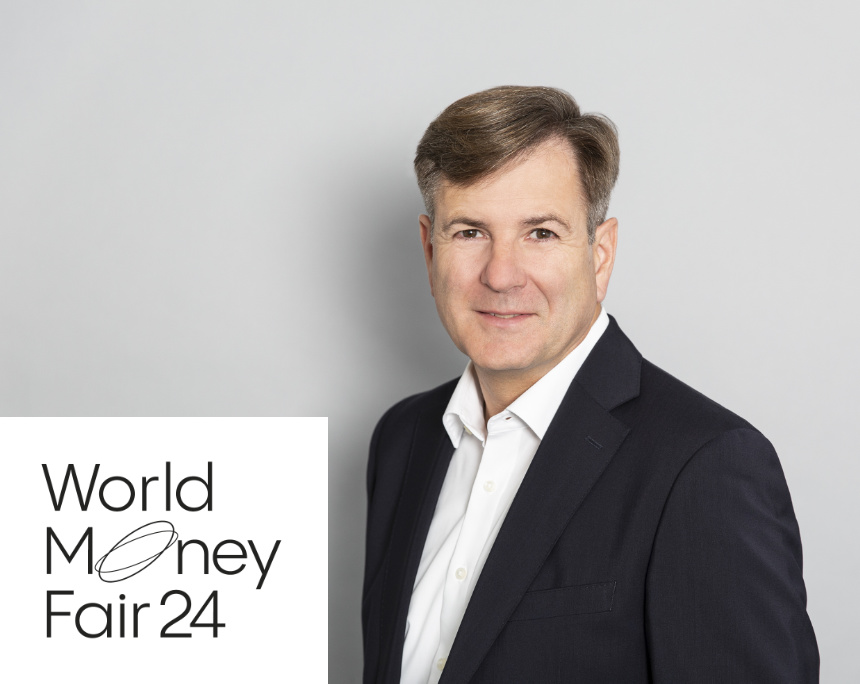
Interview: News From the World Money Fair
In 2024, a new generation takes over the leadership of the World Money Fair. Having hosted 17 successful events, Barbara Balz has handed over the reins to Goetz-Ulf Jungmichel. We talked to him to find out about the future course of the World Money Fair.
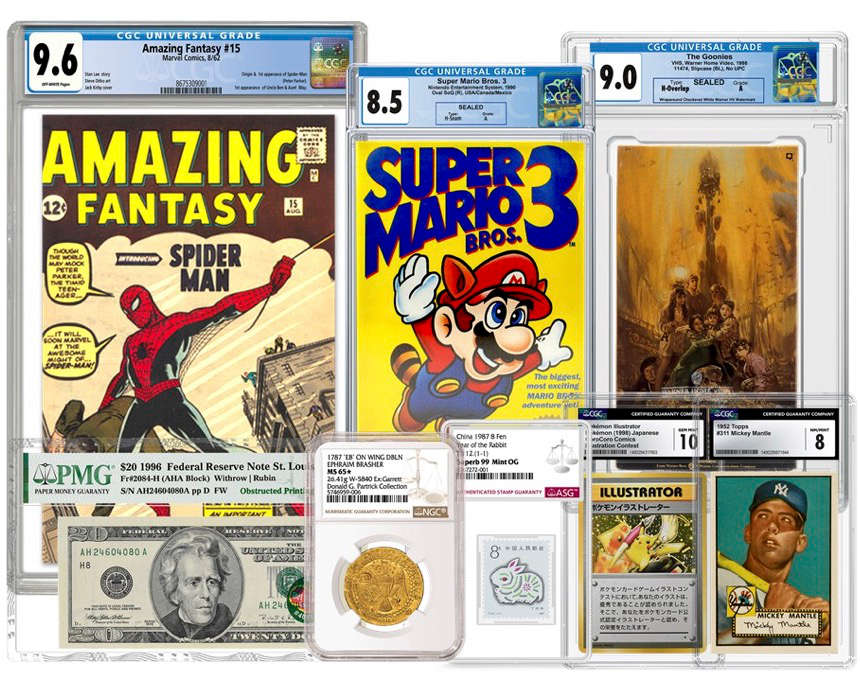
New CCG Office will open in Dubai 2024
The Certified Collectibles Group will open an office in Dubai in 2024. The new office will make it easier for collectors and dealers in the region to submit to NGC, PMG and CGC.
Archive: Coins, Medals and more
 https://new.coinsweekly.com/wp-content/uploads/2025/06/00-5.jpg
684
860
Lucie Loechel
https://new.coinsweekly.com/wp-content/uploads/2023/01/logo-coinsweekly_590x204.png
Lucie Loechel2025-06-05 08:00:262025-06-05 08:29:19Farewell to the Penny: (No) Impact on Numismatics?
https://new.coinsweekly.com/wp-content/uploads/2025/06/00-5.jpg
684
860
Lucie Loechel
https://new.coinsweekly.com/wp-content/uploads/2023/01/logo-coinsweekly_590x204.png
Lucie Loechel2025-06-05 08:00:262025-06-05 08:29:19Farewell to the Penny: (No) Impact on Numismatics?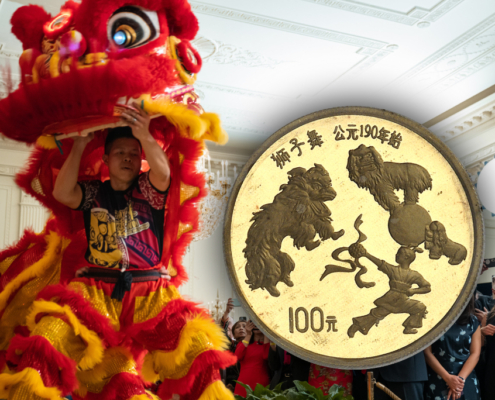 https://new.coinsweekly.com/wp-content/uploads/2024/05/2024KW18HA_00.jpg
684
860
Ursula Kampmann
https://new.coinsweekly.com/wp-content/uploads/2023/01/logo-coinsweekly_590x204.png
Ursula Kampmann2024-05-02 10:35:242024-05-02 10:35:24100 Yuan Lion Dance 1995: One of the Rarest Chinese Coins of Our Age
https://new.coinsweekly.com/wp-content/uploads/2024/05/2024KW18HA_00.jpg
684
860
Ursula Kampmann
https://new.coinsweekly.com/wp-content/uploads/2023/01/logo-coinsweekly_590x204.png
Ursula Kampmann2024-05-02 10:35:242024-05-02 10:35:24100 Yuan Lion Dance 1995: One of the Rarest Chinese Coins of Our Age
Numisma – The Zoom Seminar Series of the Australian Centre for Ancient Numismatic Studies
Today the online lecture series NUMISMA starts into the second half of the year. Students, researchers and collectors who are interested in ancient coins are very welcome! Find the upcoming lectures here.
Join the First International Numismatic Alliance Conference!
The first edition of the International Numismatic Alliance Conference (INAC) will be held on May 26th. This free and open for everyone online event wants to offer a new unique opportunity for everyone to delve into the fascinating world of numismatics.