






Archive: People and Markets
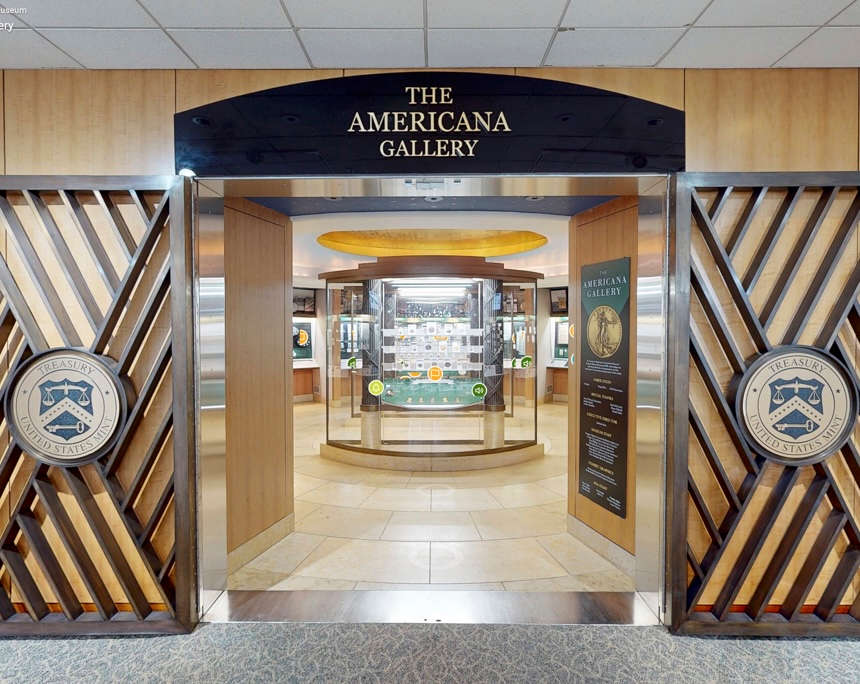
Take a Virtual Tour Through the ANA’s Americana Gallery
The Americana Gallery at the ANA Money Museum guides visitors through the history of money in the United States, with many rarities of American numismatics on display. Now, you can explore this exhibition from the comfort of your home, thanks to a newly launched virtual tour.
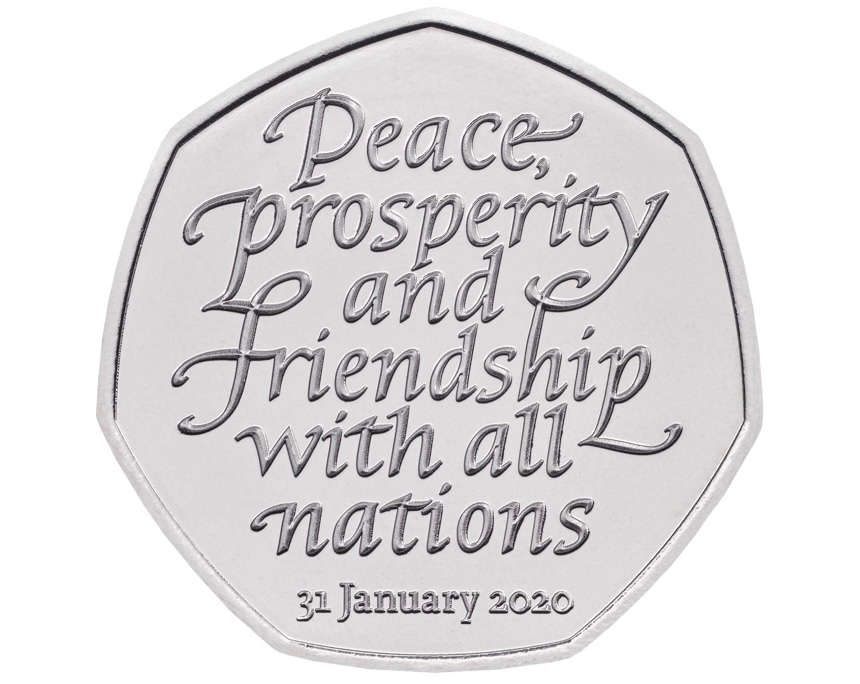
Warning Against Overpriced Coins: “Stick Figure” and “Woman on a Bull” Designs Aren’t Just Found in the Euro Zone
“Mega-rarity from your change” – sensational headlines like these frustrate coin collectors and dealers across Europe. Yet, it’s not just within the Eurozone that supposed rarities, often lacking genuine collector value, make waves.
Archive: Coins, Medals and more
 https://new.coinsweekly.com/wp-content/uploads/2024/10/2024KW42HA1_00.jpg
684
860
Lucie Loechel
https://new.coinsweekly.com/wp-content/uploads/2023/01/logo-coinsweekly_590x204.png
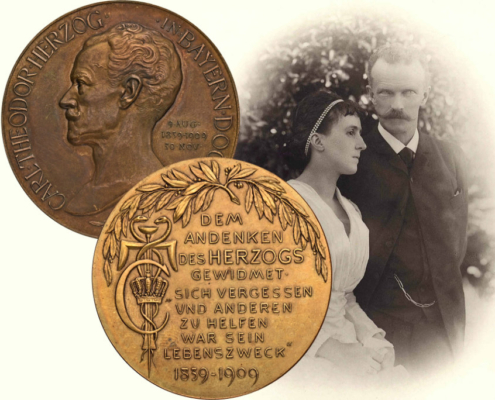
Lucie Loechel2024-10-17 10:51:292024-10-17 15:10:28Carl Theodor in Bavaria: The Old Nobility Takes Up a New Role
https://new.coinsweekly.com/wp-content/uploads/2024/10/2024KW42HA1_00.jpg
684
860
Lucie Loechel
https://new.coinsweekly.com/wp-content/uploads/2023/01/logo-coinsweekly_590x204.png
Lucie Loechel2024-10-17 10:51:292024-10-17 15:10:28Carl Theodor in Bavaria: The Old Nobility Takes Up a New Role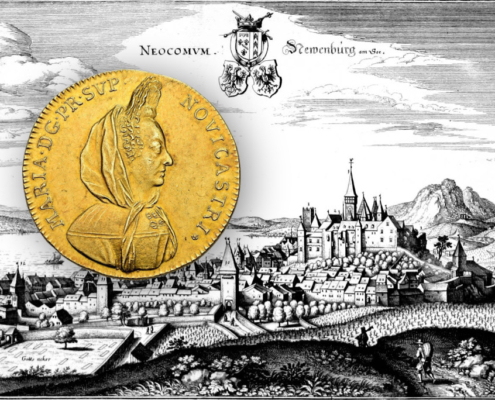 https://new.coinsweekly.com/wp-content/uploads/2024/10/2024KW41HA1_00.jpg
684
860
Lucie Loechel
https://new.coinsweekly.com/wp-content/uploads/2023/01/logo-coinsweekly_590x204.png
Lucie Loechel2024-10-10 13:41:242024-10-10 13:46:34Why Neuchâtel Is Not Part of France Today
https://new.coinsweekly.com/wp-content/uploads/2024/10/2024KW41HA1_00.jpg
684
860
Lucie Loechel
https://new.coinsweekly.com/wp-content/uploads/2023/01/logo-coinsweekly_590x204.png
Lucie Loechel2024-10-10 13:41:242024-10-10 13:46:34Why Neuchâtel Is Not Part of France Today
CIT’s Yin and Yang
With Yin and Yang, CIT presents a completely new interpretation of a time-honored theme. The piece owes its special aesthetics to the brilliant combination of Proof smartminting® and Black Proof smartminting®.
Numisma – Zoom Seminars of the Australian Centre for Ancient Numismatic Studies
Registration is now open to attend the upcoming zoom seminar series of the Australian Centre for Ancient Numismatic Studies (ACANS). Everyone interested in the study of ancient coins is welcome and encouraged to join the online lecture series. Find the upcoming lectures here.