







Archive: People and Markets
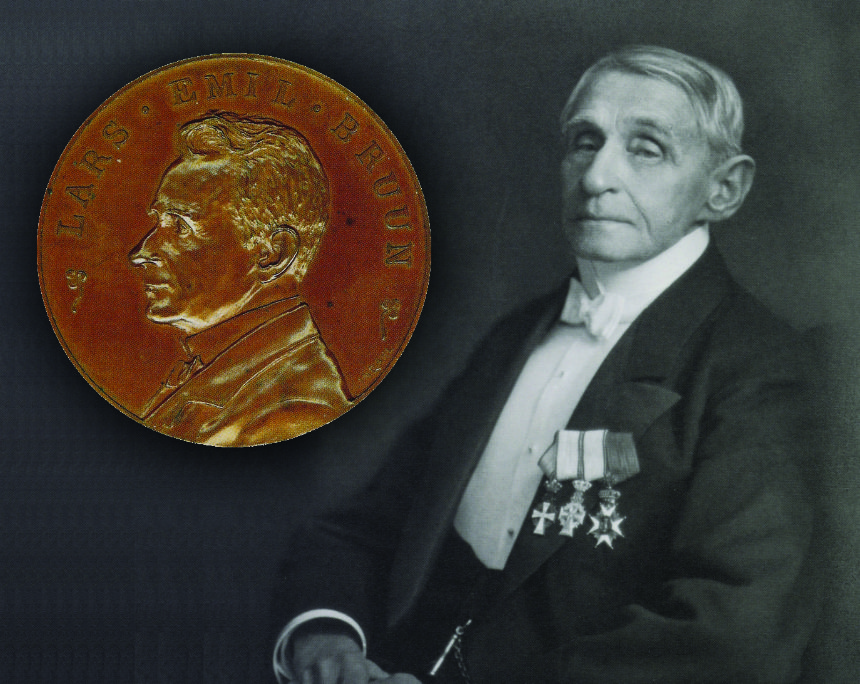
Lars Emil Bruun (1852–1923): From the Local Inn to an International Enterprise
The auction of the exceptional Bruun collection, 100 years after the collector’s death, has attracted a great deal of attention. But who was Bruun as a person? What inspired him? On behalf of Stack’s, Ursula Kampmann went in search of Bruun’s personality and compiled a short biography.
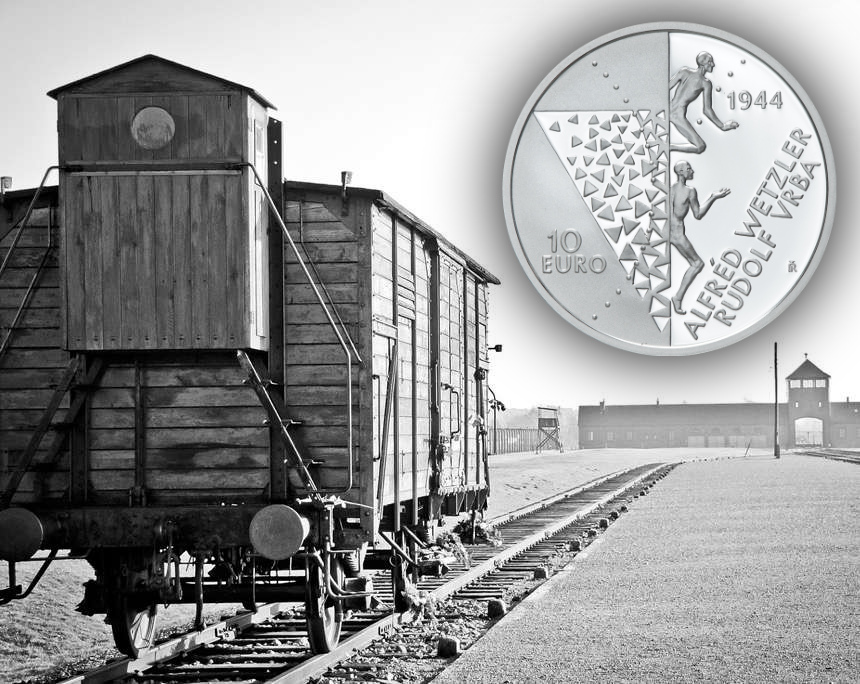
New Coin From Slovakia: 80th Anniversary of the Vrba-Wetzler Report
In the summer of 1944, the world became aware of the Holocaust thanks to two young Slovaks: Rudolf Vrba and Alfréd Wetzler. The National Bank of Slovakia honors them with €10 collector coin, produced by the Kremnica Mint. The coin represents many things – bravery, moral courage, responsibility and the power of public opinion.
Archive: Coins, Medals and more
 https://new.coinsweekly.com/wp-content/uploads/2024/10/2024KW43HA_00.jpg
684
860
Lucie Loechel
https://new.coinsweekly.com/wp-content/uploads/2023/01/logo-coinsweekly_590x204.png
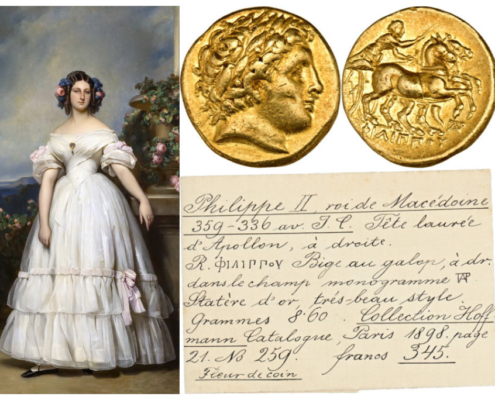
Lucie Loechel2024-10-24 10:15:002024-10-24 13:59:31Clémentine d’Orléans: Extraordinary Woman and Coin Collector
https://new.coinsweekly.com/wp-content/uploads/2024/10/2024KW43HA_00.jpg
684
860
Lucie Loechel
https://new.coinsweekly.com/wp-content/uploads/2023/01/logo-coinsweekly_590x204.png
Lucie Loechel2024-10-24 10:15:002024-10-24 13:59:31Clémentine d’Orléans: Extraordinary Woman and Coin Collector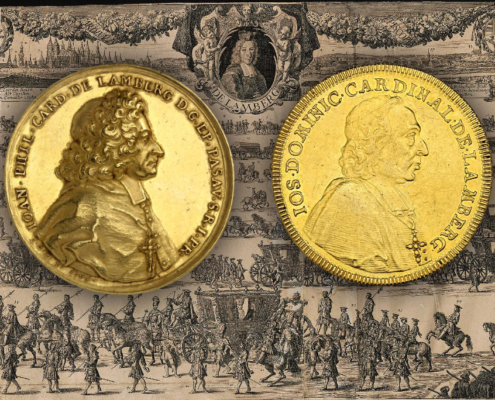 https://new.coinsweekly.com/wp-content/uploads/2025/06/2025KW25HA01_00.jpg
684
860
Lucie Loechel
https://new.coinsweekly.com/wp-content/uploads/2023/01/logo-coinsweekly_590x204.png
Lucie Loechel2025-06-18 09:13:002025-06-18 09:13:00Münster, Osnabrück, Passau and the Counts of Lamberg
https://new.coinsweekly.com/wp-content/uploads/2025/06/2025KW25HA01_00.jpg
684
860
Lucie Loechel
https://new.coinsweekly.com/wp-content/uploads/2023/01/logo-coinsweekly_590x204.png
Lucie Loechel2025-06-18 09:13:002025-06-18 09:13:00Münster, Osnabrück, Passau and the Counts of Lamberg
Warning Against Overpriced Coins: “Stick Figure” and “Woman on a Bull” Designs Aren’t Just Found in the Euro Zone
“Mega-rarity from your change” – sensational headlines like these frustrate coin collectors and dealers across Europe. Yet, it’s not just within the Eurozone that supposed rarities, often lacking genuine collector value, make waves.
Fakes, Counterfeits, Imitations – CoinsWeekly NYINC Special Issue
It is every coin collector’s greatest fear: the precious centerpiece of a collection turns out to be a fake. But what can you do if suspicions arise? Our new CoinsWeekly Special Issue draws attention to different aspects of fakes, counterfeits and imitations.