







Archive: People and Markets
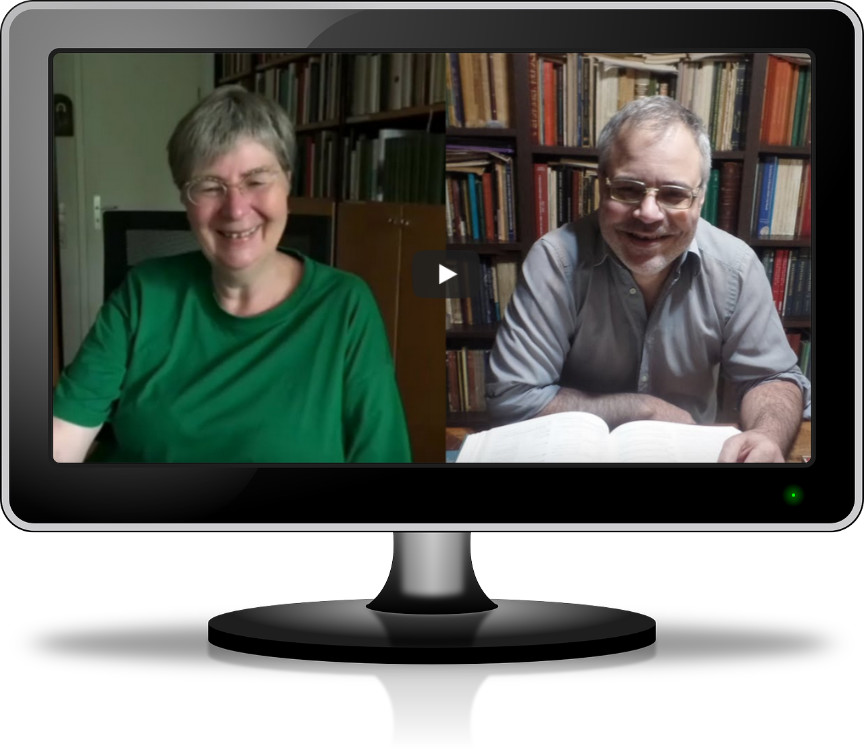
The Fight for Collector’s Rights: An Interview With Ursula Kampmann
For his passionately run “Numischannel” on YouTube, Argentine numismatist Damian Salgado conducted an interview with Ursula Kampmann. Among other things, they talked about private collecting, the rights of collectors and the fight against unfair legislation worldwide. Take a look!
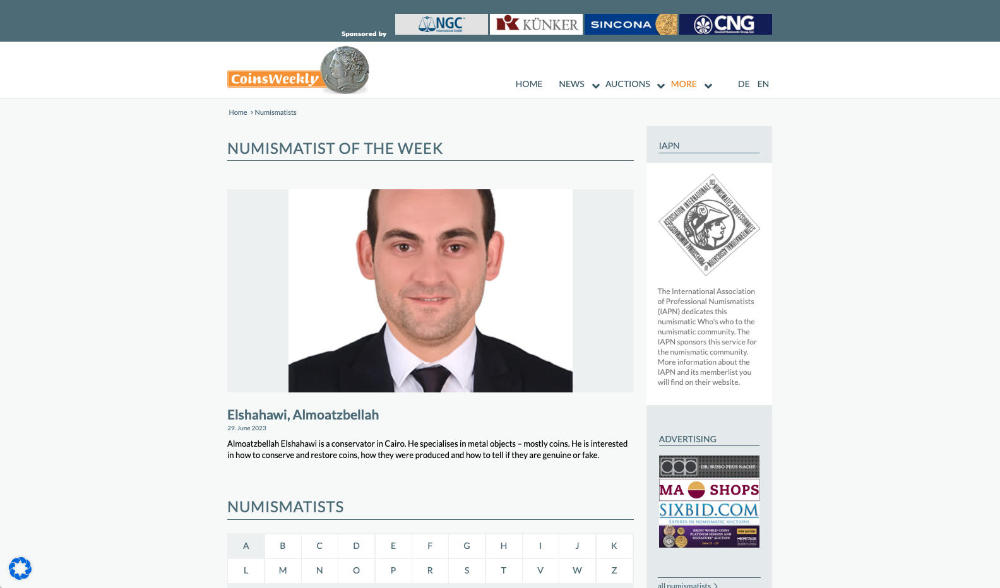
Our Who’s Who Is Here!
Our entire Who’s Who for numismatists and collectors is now available on our new website. This is another important step on our path towards transitioning from our old to the new site. And there is more!
Archive: Coins, Medals and more
 https://new.coinsweekly.com/wp-content/uploads/2024/12/2024KW49HA_00.jpg
684
860
Lucie Loechel
https://new.coinsweekly.com/wp-content/uploads/2023/01/logo-coinsweekly_590x204.png
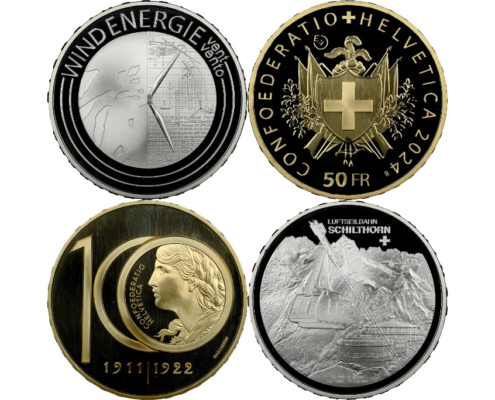
Lucie Loechel2024-12-05 06:00:382024-12-05 13:32:34Swissmint Patterns at Numismatica Genevensis SA
https://new.coinsweekly.com/wp-content/uploads/2024/12/2024KW49HA_00.jpg
684
860
Lucie Loechel
https://new.coinsweekly.com/wp-content/uploads/2023/01/logo-coinsweekly_590x204.png
Lucie Loechel2024-12-05 06:00:382024-12-05 13:32:34Swissmint Patterns at Numismatica Genevensis SA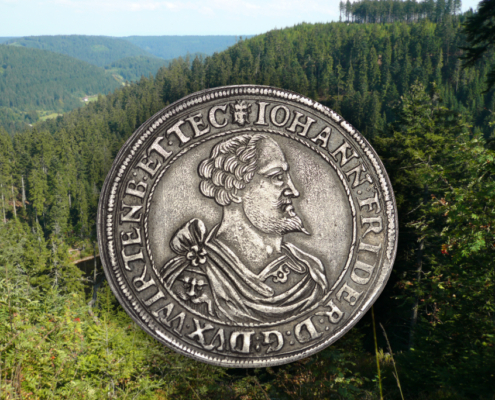 https://new.coinsweekly.com/wp-content/uploads/2024/09/2024KW36HA_00.jpg
684
860
Lucie Loechel
https://new.coinsweekly.com/wp-content/uploads/2023/01/logo-coinsweekly_590x204.png
Lucie Loechel2024-09-05 10:46:502024-09-05 13:34:39Silver for Württemberg
https://new.coinsweekly.com/wp-content/uploads/2024/09/2024KW36HA_00.jpg
684
860
Lucie Loechel
https://new.coinsweekly.com/wp-content/uploads/2023/01/logo-coinsweekly_590x204.png
Lucie Loechel2024-09-05 10:46:502024-09-05 13:34:39Silver for Württemberg
Numismatics for the Ears: The Royal Mint Museum Explores Britain’s Seafaring History in New Podcast
The Royal Mint Museum has launched its first-ever podcast series, called “Coins and the Sea.” The podcast is part of a wider project, which includes a temporary exhibition at The Royal Mint Experience.
Q. David Bowers’s New Guide Book of Morgan Silver Dollars
The Morgan Dollars are among the most famous and highly collectible US coins. Dennis Tucker discusses the new 7th edition of Q. David Bowers Guide Book and what makes these coins so fascinating.