






Archive: People and Markets
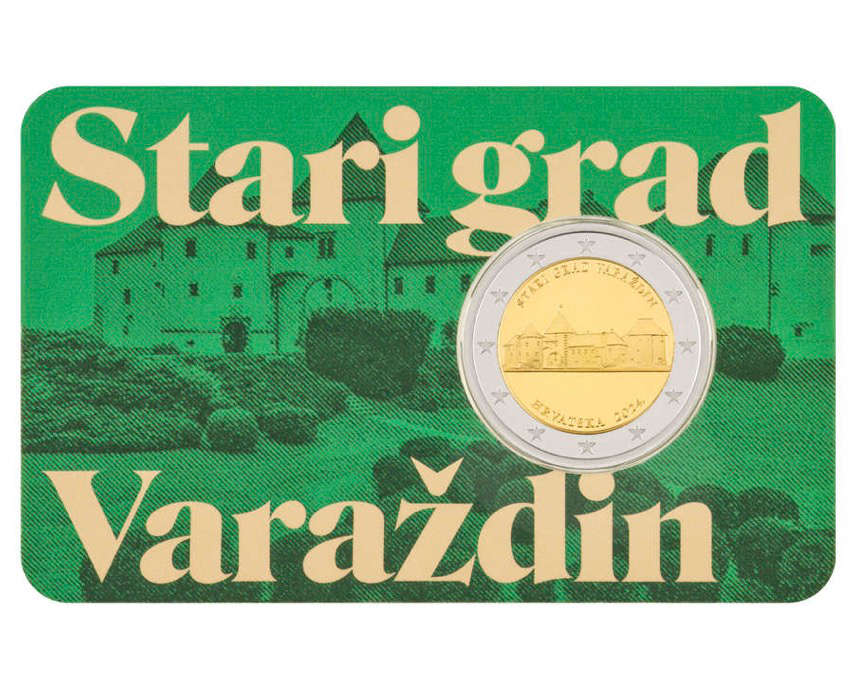
2-Euro Ticker: New 2-Euro Coins in July 2024
Croatia excites 2-euro collectors with a new city series – and significant improvements in minting quality. Portugal’s online shop has not been running smoothly.
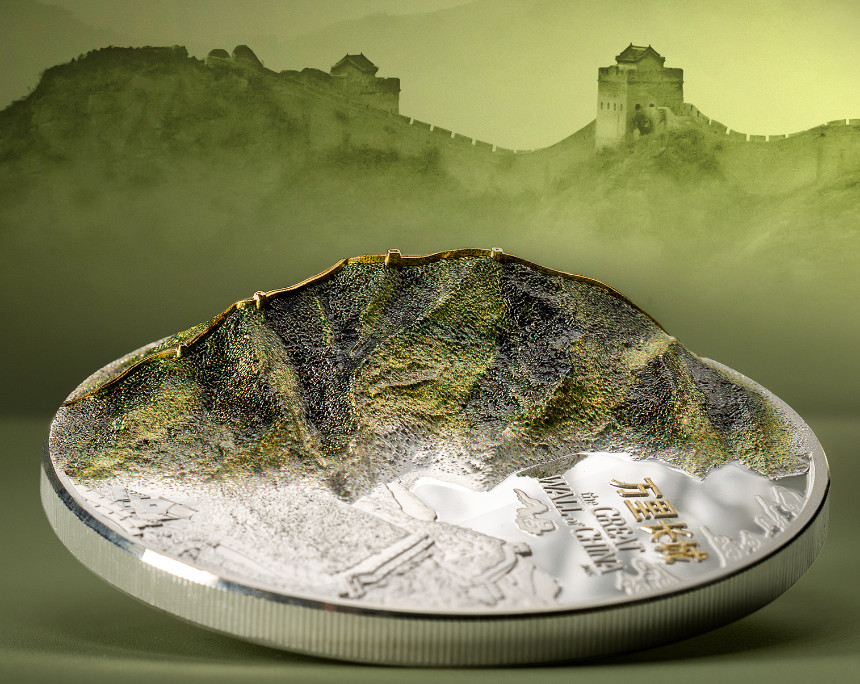
New CIT Issue: The Great Wall of China
No structure in China fires our imagination more than the 21,196-kilometer-long Great Wall of China. Using state-of-the-art minting technology, CIT has created a highly detailed tribute to the Wall with an ultra-high relief.
Archive: Coins, Medals and more
 https://new.coinsweekly.com/wp-content/uploads/2023/06/00-7.jpg
496
500
Bruno
https://new.coinsweekly.com/wp-content/uploads/2023/01/logo-coinsweekly_590x204.png
Bruno2022-06-13 12:00:272023-07-03 14:53:25State-of-the-Art Minting Technology
https://new.coinsweekly.com/wp-content/uploads/2023/06/00-7.jpg
496
500
Bruno
https://new.coinsweekly.com/wp-content/uploads/2023/01/logo-coinsweekly_590x204.png
Bruno2022-06-13 12:00:272023-07-03 14:53:25State-of-the-Art Minting Technology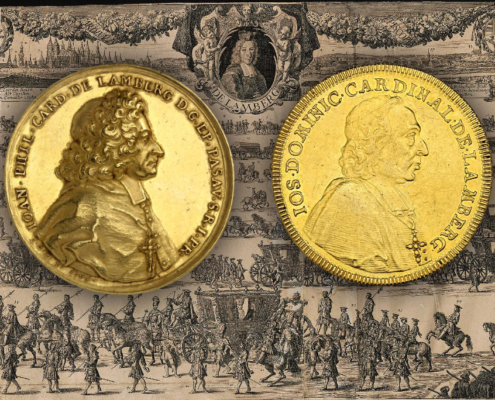 https://new.coinsweekly.com/wp-content/uploads/2025/06/2025KW25HA01_00.jpg
684
860
Lucie Loechel
https://new.coinsweekly.com/wp-content/uploads/2023/01/logo-coinsweekly_590x204.png
Lucie Loechel2025-06-18 09:13:002025-06-18 09:13:00Münster, Osnabrück, Passau and the Counts of Lamberg
https://new.coinsweekly.com/wp-content/uploads/2025/06/2025KW25HA01_00.jpg
684
860
Lucie Loechel
https://new.coinsweekly.com/wp-content/uploads/2023/01/logo-coinsweekly_590x204.png
Lucie Loechel2025-06-18 09:13:002025-06-18 09:13:00Münster, Osnabrück, Passau and the Counts of Lamberg
CoinsWeekly Special Issue for the TICC Tokyo 2024
After overwhelming interest last year, we have once again published a printed CoinsWeekly Special Issue for TICC 2024, which takes place in Tokyo from April 26 to 28. If you can’t make it to Tokyo, you can download the PDF here.
CIT’s new Smartminting® 4.0: Iron Knight
With Iron Knight, CIT has taken the ultra-high relief to the next level: thanks to smartminting® 4.0, an unprecedented relief of 9 mm can now be achieved. This is 50% more than what was possible with the prior version of smartminting®.