







Archive: People and Markets
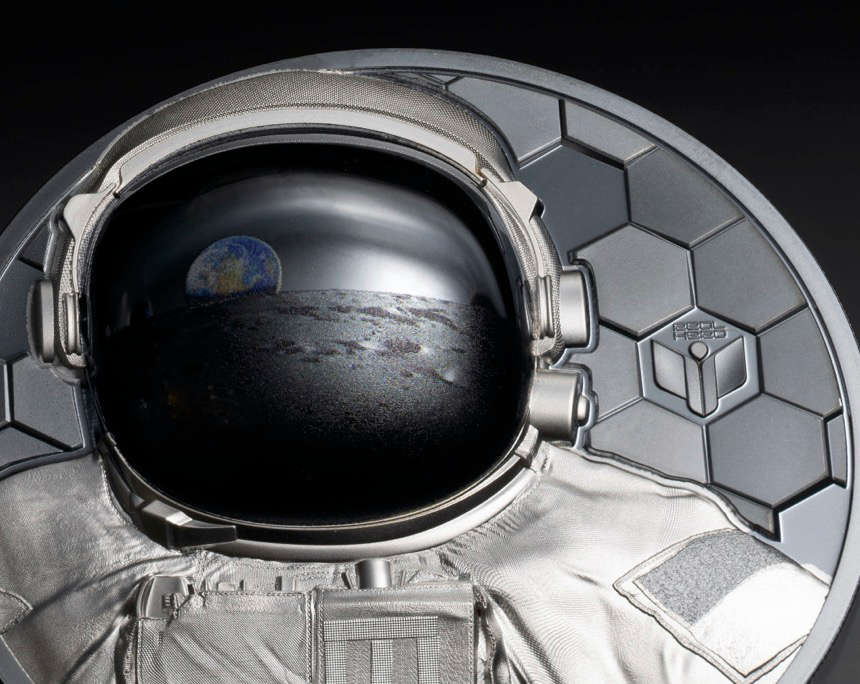
CIT: The Last Issue in the Real Heroes Series – Astronaut
With the last issue of the Real Heroes series, CIT pays tribute to the courage of astronauts. The focus is on an iconic scene that was implemented with technical perfection as a reflection in the visor of a spacesuit.
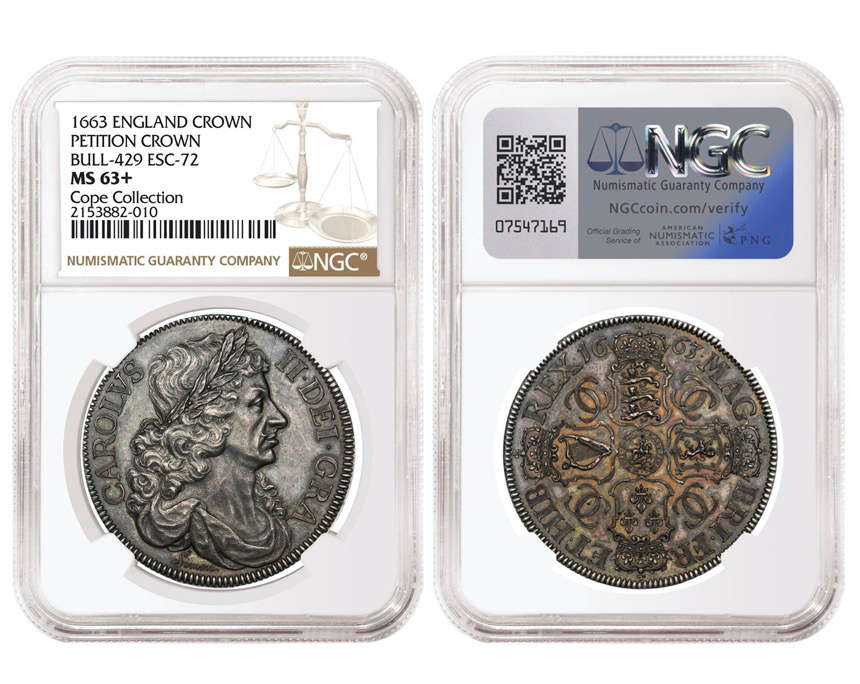
Petition Crown Realizes More than $1 Million, Setting Record
For the second time this year, an example of England’s Petition Crown certified by NGC has realized a record price. The piece from the Geoffrey Cope Collection broke the $1 million barrier.
Archive: Coins, Medals and more
 https://new.coinsweekly.com/wp-content/uploads/2024/12/2024KW51HA_00.jpg
684
860
Lucie Loechel
https://new.coinsweekly.com/wp-content/uploads/2023/01/logo-coinsweekly_590x204.png
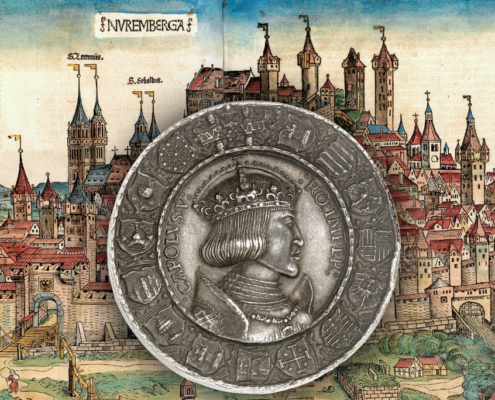
Lucie Loechel2024-12-19 10:10:262024-12-19 12:59:54A Medal Made by Dürer as the Official Gift of the City of Nuremberg for Charles V
https://new.coinsweekly.com/wp-content/uploads/2024/12/2024KW51HA_00.jpg
684
860
Lucie Loechel
https://new.coinsweekly.com/wp-content/uploads/2023/01/logo-coinsweekly_590x204.png
Lucie Loechel2024-12-19 10:10:262024-12-19 12:59:54A Medal Made by Dürer as the Official Gift of the City of Nuremberg for Charles V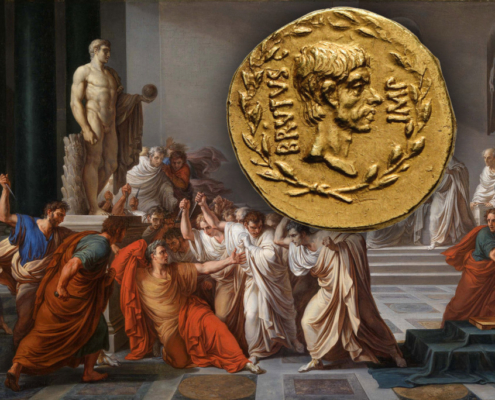 https://new.coinsweekly.com/wp-content/uploads/2024/11/2024KW46HA1_00.jpg
684
860
Lucie Loechel
https://new.coinsweekly.com/wp-content/uploads/2023/01/logo-coinsweekly_590x204.png
Lucie Loechel2024-11-14 10:03:272024-11-14 10:11:12The Eve of the Battle of Philippi: An Aureus Featuring the Portrait of Brutus
https://new.coinsweekly.com/wp-content/uploads/2024/11/2024KW46HA1_00.jpg
684
860
Lucie Loechel
https://new.coinsweekly.com/wp-content/uploads/2023/01/logo-coinsweekly_590x204.png
Lucie Loechel2024-11-14 10:03:272024-11-14 10:11:12The Eve of the Battle of Philippi: An Aureus Featuring the Portrait of Brutus
What to Do With a Million Pennies?
Imagine you are cleaning out the house of a late relative and find 1 million cent coins in the process. What would you do with them? This is what happened to a California family. Why had this huge amount of coins been amassed? And what could they be worth?
The Difference Between Stamps and Coins: Not as Trivial as You’d Think!
There are times when uninformed people buy anything as long as the object in question might retain its value. Disillusionment strikes when the market situation changes. The realisation that there isn’t a market for every collectible ruined many a collecting field in the past. Ursula Kampmann urges caution.